Rwanda Conservation Tourism – Complete Guide to Sustainable Wildlife & Eco Safaris
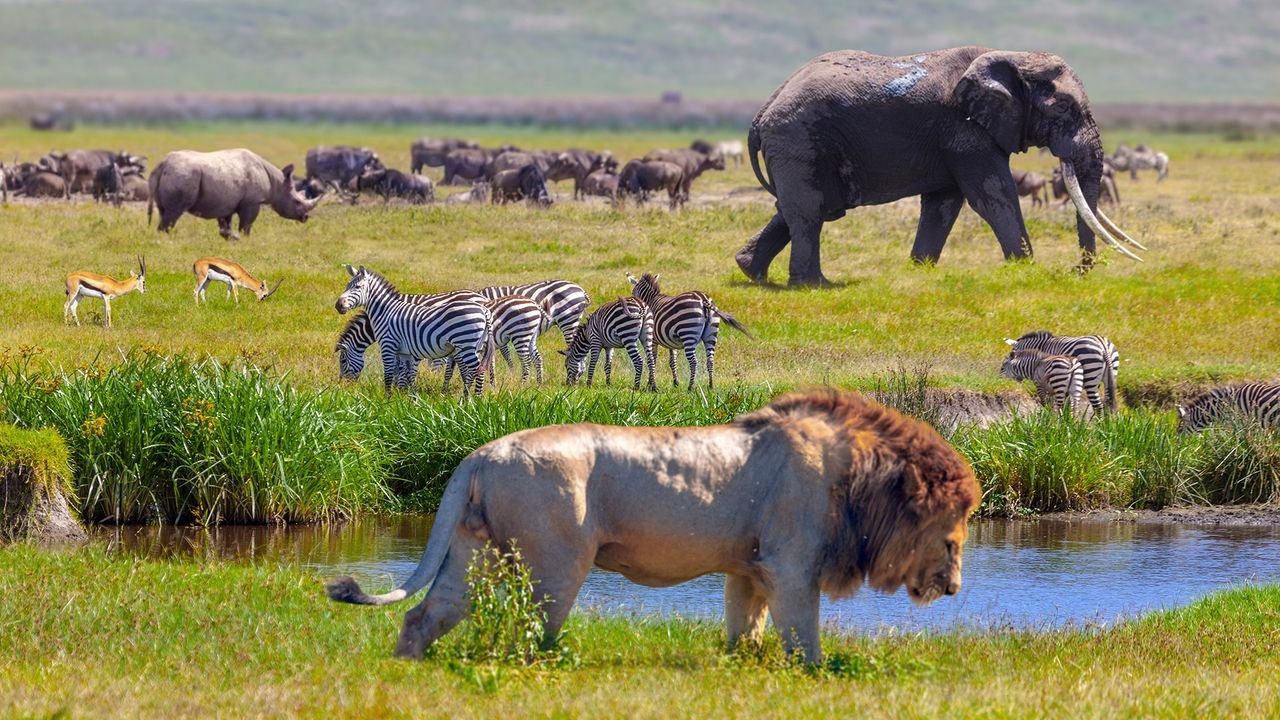
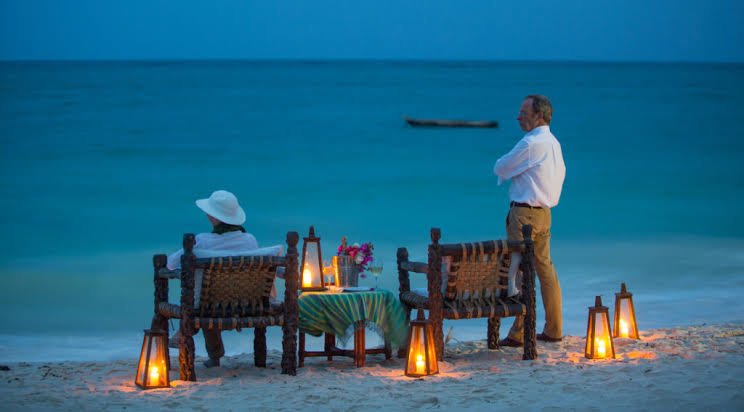
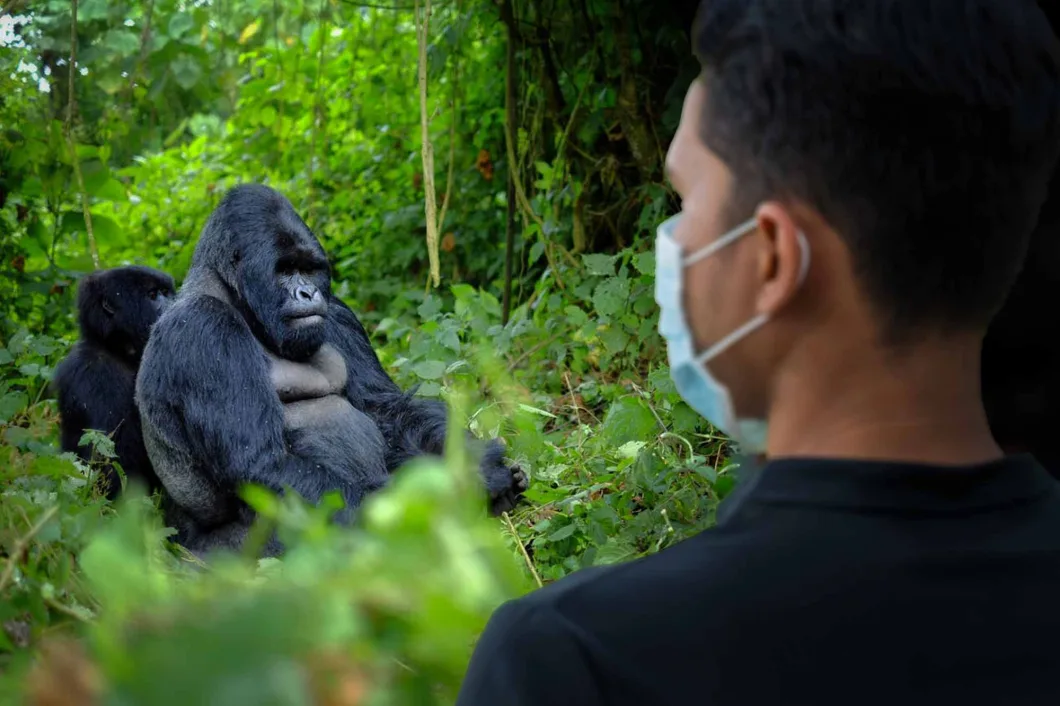
Rwanda Conservation Tourism represents one of the most advanced and successful models of sustainable travel in the world today. It is a carefully designed system that integrates wildlife protection, community development, and high-value tourism into a single national strategy. Through this approach, Rwanda has positioned itself as a global leader in responsible tourism, where every visitor directly contributes to conservation efforts and long-term environmental sustainability.
At its foundation, Rwanda Conservation Tourism is built on a powerful principle: tourism must protect nature, not exploit it. This philosophy has reshaped how tourism operates across the country, ensuring that economic growth and environmental conservation work hand in hand. As a result, visitors who travel to Rwanda are not only experiencing world-class safari adventures but are also actively supporting the survival of endangered species and fragile ecosystems.
From the mist-covered volcanoes of Volcanoes National Park to the savannah landscapes of Akagera National Park and the ancient rainforests of Nyungwe Forest National Park, Rwanda Conservation Tourism plays a central role in safeguarding biodiversity. These protected areas are carefully managed to ensure that tourism activities remain low-impact, sustainable, and beneficial to both wildlife and local communities.
One of the most remarkable aspects of Rwanda Conservation Tourism is that it transforms tourism into a conservation tool. Every gorilla trekking permit, park entry fee, and guided safari experience contributes directly to habitat protection, anti-poaching operations, ranger training, and community development programs. This creates a self-sustaining cycle where tourism revenue strengthens conservation, and conservation in turn enhances the quality of tourism experiences.
As a result, Rwanda has become a benchmark for how African nations can use tourism as a force for ecological protection and national development.
The Foundation of Rwanda Conservation Tourism
The long-term success of Rwanda Conservation Tourism is not accidental—it is the result of strong political commitment, strategic conservation planning, and deep community involvement. The Rwandan government has placed conservation at the center of its national development agenda, recognizing that protecting natural heritage is essential for both ecological stability and economic growth.
Unlike many destinations where conservation efforts are fragmented, Rwanda Conservation Tourism operates under a unified national framework. This ensures that all tourism activities are aligned with environmental protection goals, wildlife preservation strategies, and sustainable community development programs.
A key strength of Rwanda Conservation Tourism is the direct reinvestment of tourism revenue into conservation initiatives. A significant portion of income generated from gorilla trekking permits, national park fees, and tourism services is allocated to:
- Wildlife protection and habitat conservation
- Anti-poaching patrols and ranger operations
- Scientific research and biodiversity monitoring
- Community infrastructure development such as schools, healthcare centers, and clean water systems
This reinvestment model ensures that Rwanda Conservation Tourism benefits both ecosystems and local populations, creating a balanced and sustainable tourism economy.
Key Pillars of Rwanda Conservation Tourism


The structure of Rwanda Conservation Tourism is built upon several interconnected pillars that ensure long-term sustainability and global conservation leadership:
Protection of Endangered Species
At the heart of Rwanda Conservation Tourism is the protection of iconic and endangered wildlife species, especially mountain gorillas in Volcanoes National Park. Strict conservation laws, limited trekking permits, and continuous monitoring ensure that these species are safeguarded for future generations.
Anti-Poaching Enforcement
Rwanda has developed one of the most effective anti-poaching systems in Africa. Well-trained ranger teams, surveillance technology, and community reporting networks form a strong defense system that supports the goals of Rwanda Conservation Tourism.
Community-Based Tourism Initiatives
Local communities play an essential role in conservation success. Through employment in tourism, cultural experiences, and revenue-sharing programs, communities actively participate in protecting wildlife. This community involvement is a defining feature of Rwanda Conservation Tourism.
Sustainable Park Management
National parks in Rwanda are carefully managed to balance tourism access with ecological protection. Visitor numbers are regulated, trekking routes are controlled, and environmental impact assessments guide all tourism activities under Rwanda Conservation Tourism principles.
Eco-Friendly Tourism Infrastructure
From eco-lodges to low-impact safari operations, Rwanda has invested in environmentally responsible infrastructure. This ensures that tourism growth does not damage natural habitats but instead supports the long-term vision of Rwanda Conservation Tourism.
Through these integrated pillars, Rwanda Conservation Tourism has become a globally recognized model for how countries can successfully combine tourism growth with environmental protection and community development.
Volcanoes National Park – Gorilla Protection & Rwanda Conservation Tourism
Volcanoes National Park stands at the very heart of Rwanda Conservation Tourism, serving as the most iconic and globally recognized destination for mountain gorilla conservation. Located in the northwestern region of Rwanda within the Virunga volcanic chain, this park is widely regarded as one of the greatest conservation success stories in the world.
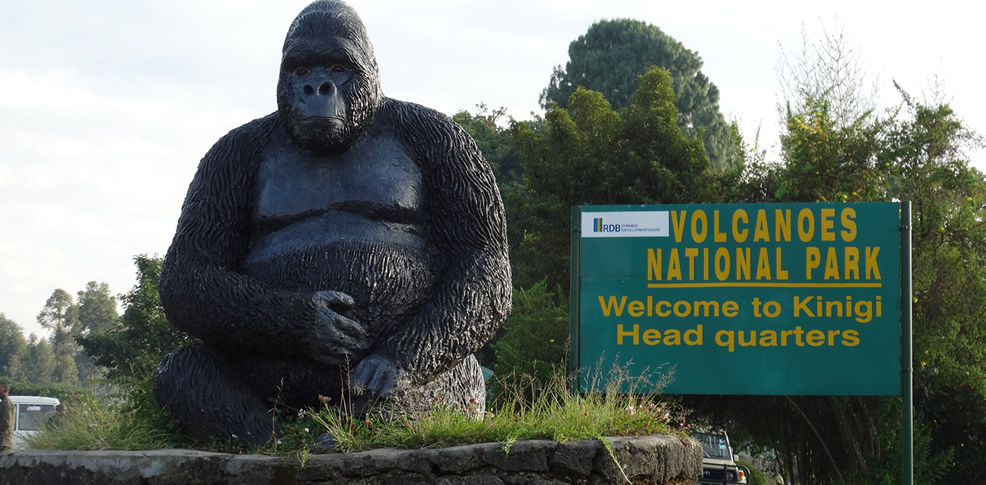
Through carefully controlled gorilla trekking experiences, Rwanda Conservation Tourism ensures that human interaction with mountain gorillas is strictly regulated, highly monitored, and fully sustainable. Each day, only a limited number of gorilla trekking permits are issued, a deliberate conservation strategy designed to minimize human impact on fragile gorilla habitats while maximizing funding for wildlife protection.
This controlled tourism model is a cornerstone of Rwanda Conservation Tourism, ensuring that every visitor contributes directly to the survival of one of the world’s most endangered primates.
How Gorilla Tourism Supports Conservation
One of the most powerful aspects of Rwanda Conservation Tourism in Volcanoes National Park is the direct reinvestment of tourism revenue into conservation and community development programs. Gorilla trekking permits are not just entry tickets—they are vital conservation tools.
Revenue generated from gorilla tourism is strategically reinvested into:
- Gorilla habitat protection and forest conservation programs
- Anti-poaching patrols and wildlife surveillance operations
- Local community infrastructure such as schools, healthcare centers, and clean water systems
- Ranger training, salaries, and park management systems
This structured reinvestment model ensures that Rwanda Conservation Tourism creates a direct, measurable link between tourism activity and wildlife survival. Every trekker who enters Volcanoes National Park becomes an active contributor to conservation success.
Akagera National Park – Big Five and Rwanda Conservation Tourism Success
Akagera National Park is one of the most powerful examples of transformation within Rwanda Conservation Tourism, showcasing how degraded ecosystems can be restored into thriving wildlife habitats through structured conservation efforts.
Once heavily affected by poaching, habitat loss, and wildlife decline, Akagera has undergone a remarkable ecological recovery supported by strong conservation partnerships, government investment, and community involvement.
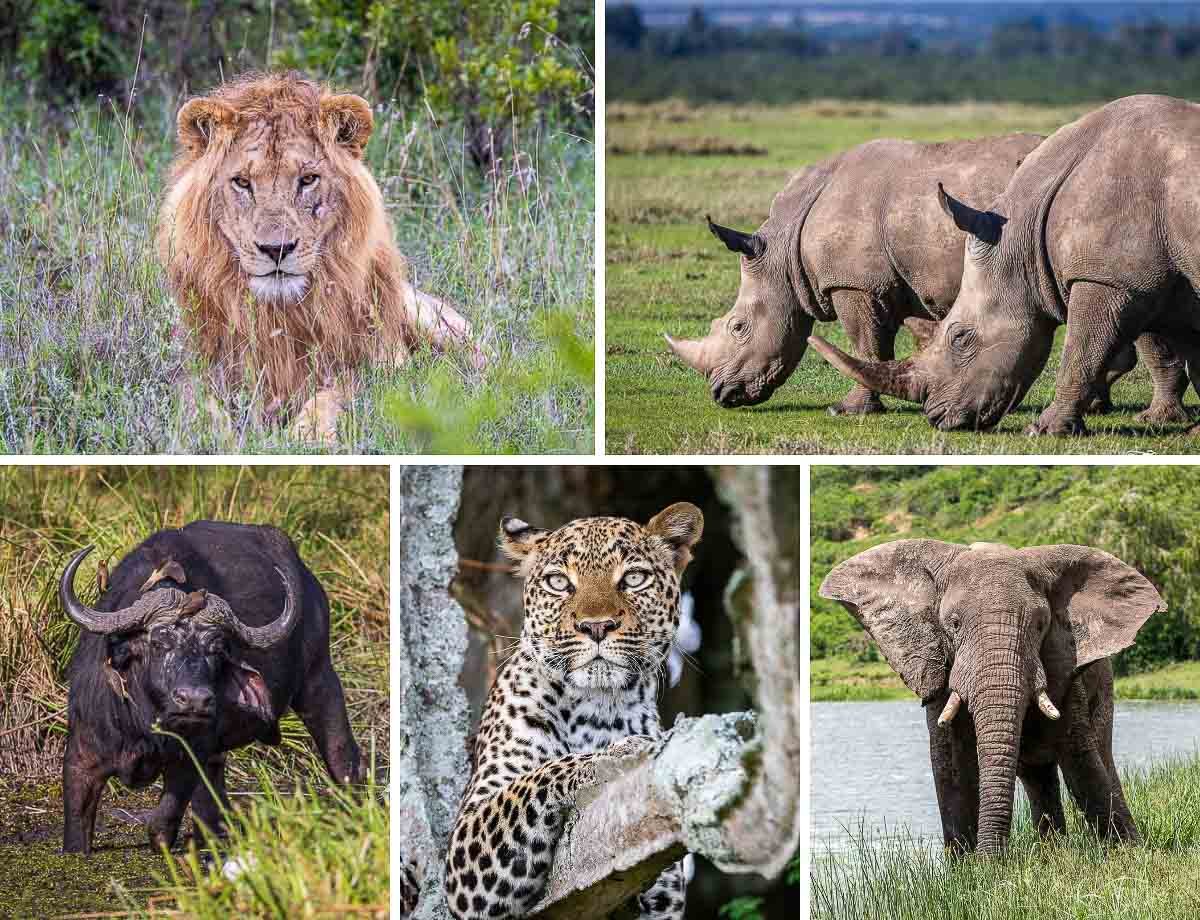
Today, it stands as Rwanda’s only Big Five safari destination and a flagship model of successful Rwanda Conservation Tourism in action.
Conservation Transformation and Wildlife Recovery
The restoration of Akagera National Park is one of Africa’s most celebrated conservation achievements. Through long-term conservation strategies, Rwanda Conservation Tourism has helped transform the park into a fully functional savannah ecosystem.
Key conservation achievements include:
- Reintroduction of lions after decades of local extinction
- Reintroduction and protection of both black and white rhinos
- Advanced anti-poaching surveillance and patrol systems
- Large-scale habitat restoration and wetland protection programs
- Community ranger employment and conservation training programs
These initiatives demonstrate how Rwanda Conservation Tourism is not only protecting wildlife but actively rebuilding entire ecosystems.
Sustainable Safari Experience in Akagera
Game drives in Akagera are carefully managed to ensure minimal environmental impact while maximizing visitor experience. Guided safaris are conducted under strict conservation guidelines, reinforcing the principles of Rwanda Conservation Tourism.
Visitors can encounter elephants, lions, buffaloes, giraffes, zebras, hippos, and over 500 bird species, all within a well-protected and professionally managed environment.
Boat safaris on Lake Ihema further enhance the experience while supporting conservation awareness and sustainable tourism income generation.
A Model for African Conservation Tourism
Akagera National Park stands as living proof that Rwanda Conservation Tourism can restore ecosystems once thought to be lost forever. Its success has become a reference point for conservation projects across Africa and beyond.
Through consistent investment, community involvement, and responsible tourism practices, Akagera continues to demonstrate that conservation and tourism can coexist successfully when managed with vision and discipline.
Nyungwe Forest – Rainforest Protection in Rwanda Conservation Tourism
Nyungwe Forest National Park is one of Africa’s oldest and most biologically rich rainforests, forming a critical pillar of Rwanda Conservation Tourism. Located in southwestern Rwanda, this ancient montane rainforest is a globally recognized biodiversity hotspot, home to hundreds of plant species, over a dozen primate species, and more than 300 recorded bird species.
As a core destination within Rwanda Conservation Tourism, Nyungwe plays a vital role in preserving fragile ecosystems that have existed for millions of years. The park is carefully managed to ensure that tourism activities remain low-impact, scientifically guided, and environmentally sustainable.
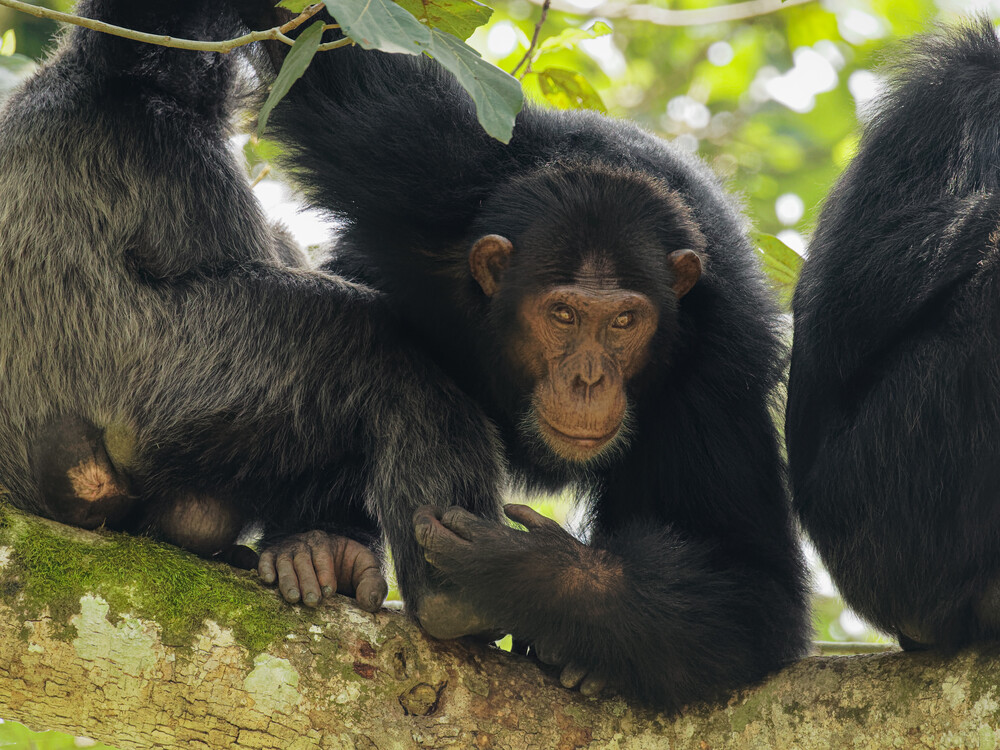
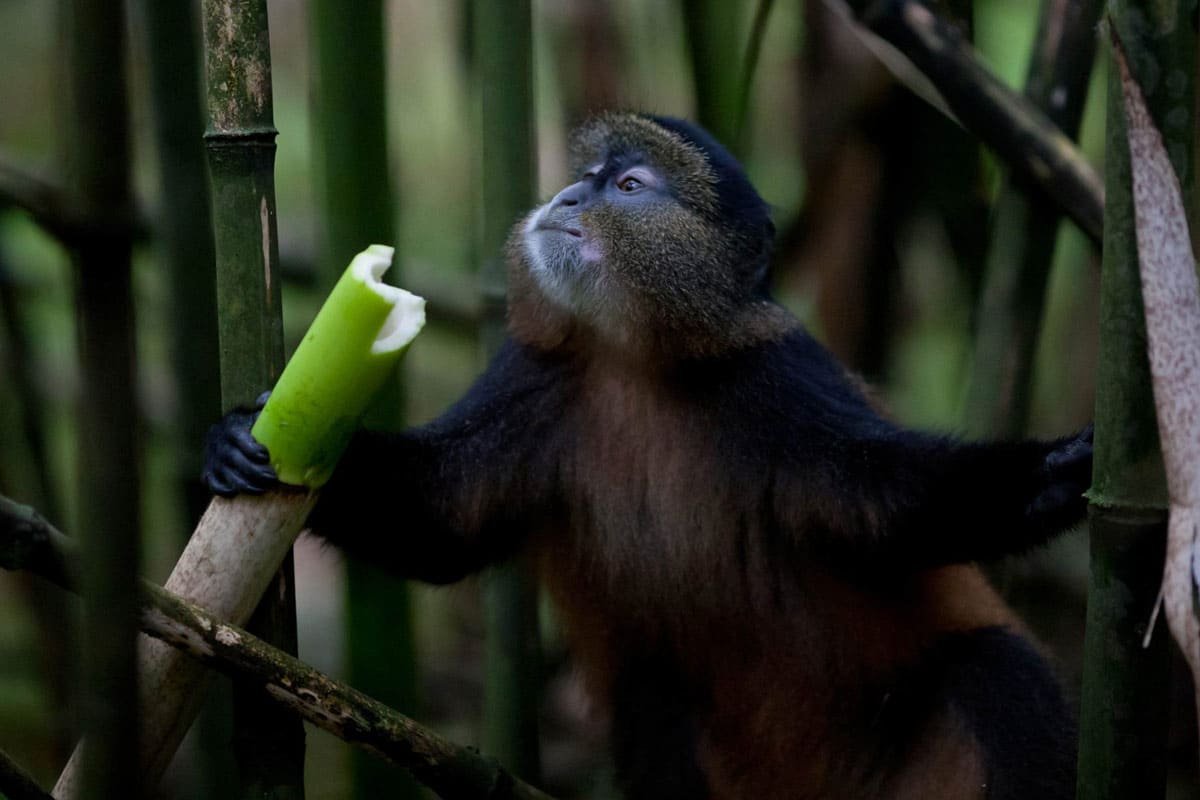
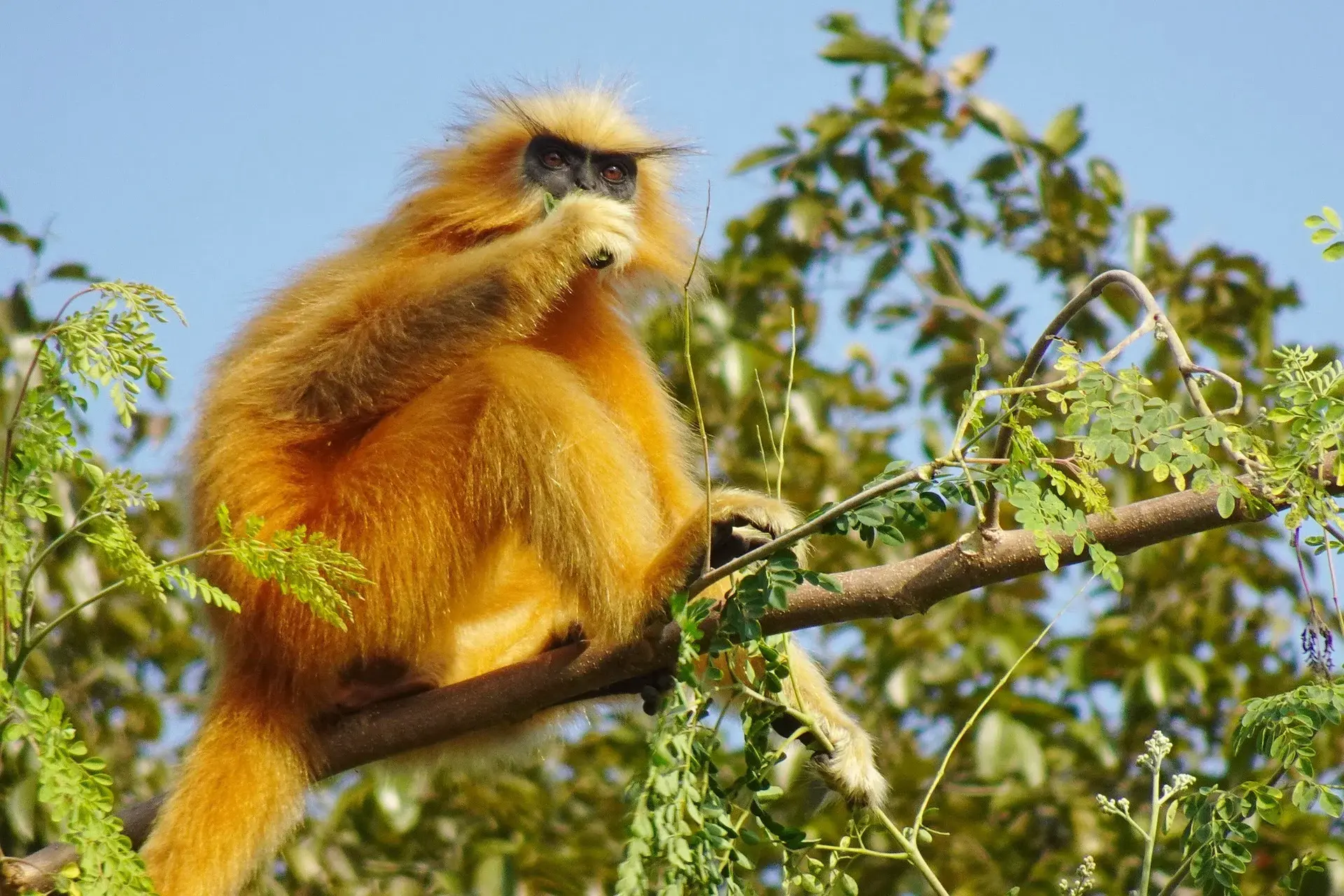
Chimpanzee trekking, colobus monkey tracking, and the famous canopy walkway experience are all conducted under strict conservation protocols. These regulations ensure that visitor presence does not disrupt natural habitats or wildlife behavior, while still allowing immersive and educational experiences in one of Africa’s most pristine rainforests.
Through this structured conservation system, Rwanda Conservation Tourism ensures that Nyungwe remains both a protected ecological zone and a sustainable tourism destination.
Conservation Benefits of Nyungwe Forest National Park
Nyungwe is a key beneficiary of Rwanda’s national conservation strategy, and its long-term protection is directly supported by Rwanda Conservation Tourism revenue and policies.
Through tourism funding and international partnerships, Nyungwe benefits from:
- Forest conservation and habitat preservation funding
- Ongoing scientific research and biodiversity monitoring programs
- Eco-tourism infrastructure development and trail management
- Community livelihood and employment support initiatives
- Primate conservation and wildlife protection programs
These initiatives ensure that Rwanda Conservation Tourism contributes directly to safeguarding one of Africa’s most important rainforest ecosystems while supporting sustainable economic development.
Nyungwe also serves as a living research laboratory for conservation scientists, making it a globally important site for ecological studies and climate research.
Why Nyungwe Is a Key Pillar of Rwanda Conservation Tourism
Within the broader framework of Rwanda Conservation Tourism, Nyungwe Forest represents the country’s commitment to protecting rainforest ecosystems alongside savannah and mountain environments.
Unlike many global rainforest destinations where tourism can negatively impact biodiversity, Nyungwe has successfully implemented a controlled tourism model that balances visitor access with ecological protection.
Key reasons Nyungwe is central to Rwanda Conservation Tourism include:
- Strict regulation of trekking routes and visitor numbers
- Guided-only access to sensitive wildlife zones
- Integration of conservation education into all tourism activities
- Continuous habitat monitoring and ecological research
- Strong collaboration between conservation authorities and local communities
This ensures that every visit to Nyungwe contributes meaningfully to conservation outcomes, reinforcing Rwanda’s position as a global leader in sustainable tourism.
Community Impact of Rwanda Conservation Tourism
One of the most powerful dimensions of Rwanda Conservation Tourism is its deep and measurable impact on local communities across the country. Tourism in Rwanda is not isolated from community development—it is directly integrated into it.
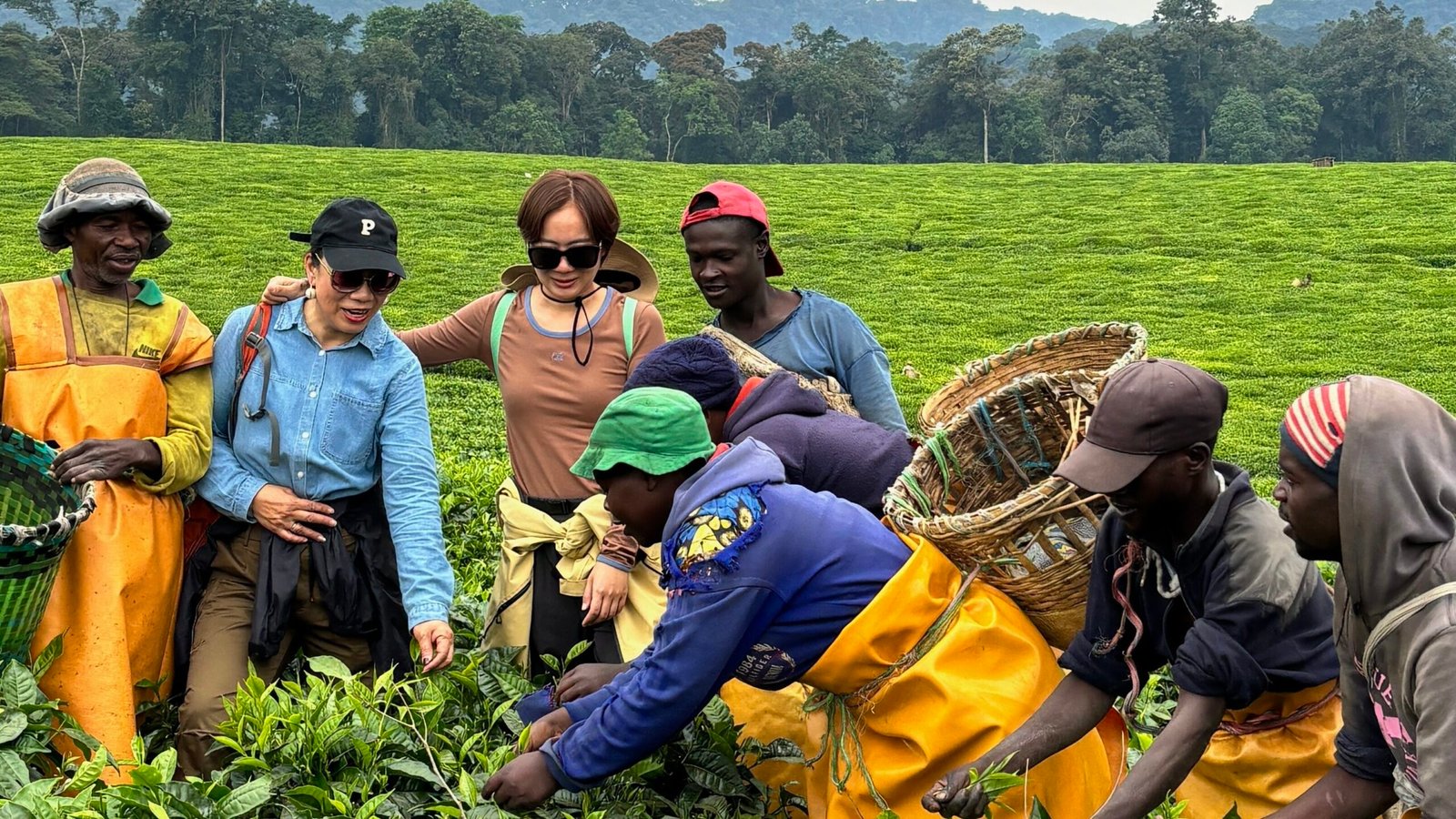
A significant portion of tourism revenue is reinvested into community-based projects that improve living standards, strengthen local economies, and promote long-term conservation awareness.
How Local Communities Benefit from Conservation Tourism
Through Rwanda Conservation Tourism, local communities surrounding national parks actively benefit in multiple ways:
- Development of schools and educational facilities
- Improved healthcare centers and medical outreach programs
- Clean water supply and infrastructure development projects
- Employment opportunities in park ranger programs and conservation teams
- Growth of cultural tourism experiences and heritage tourism initiatives
- Support for handicraft production and local artisan industries
This ensures that conservation is not seen as separate from community welfare but rather as a shared responsibility and benefit system.
Community Participation in Conservation
Another defining strength of Rwanda Conservation Tourism is the active involvement of local communities in conservation efforts. Instead of being excluded from protected areas, communities are integrated into tourism and conservation systems.
Local residents often participate in:
- Wildlife monitoring and reporting programs
- Cultural village tourism experiences
- Environmental education and awareness campaigns
- Guiding and hospitality services within eco-tourism zones
This inclusive model creates a strong sense of ownership, ensuring that conservation efforts are supported at the grassroots level. As a result, communities become protectors of wildlife rather than threats to it.
Why Rwanda Conservation Tourism Is a Global Model
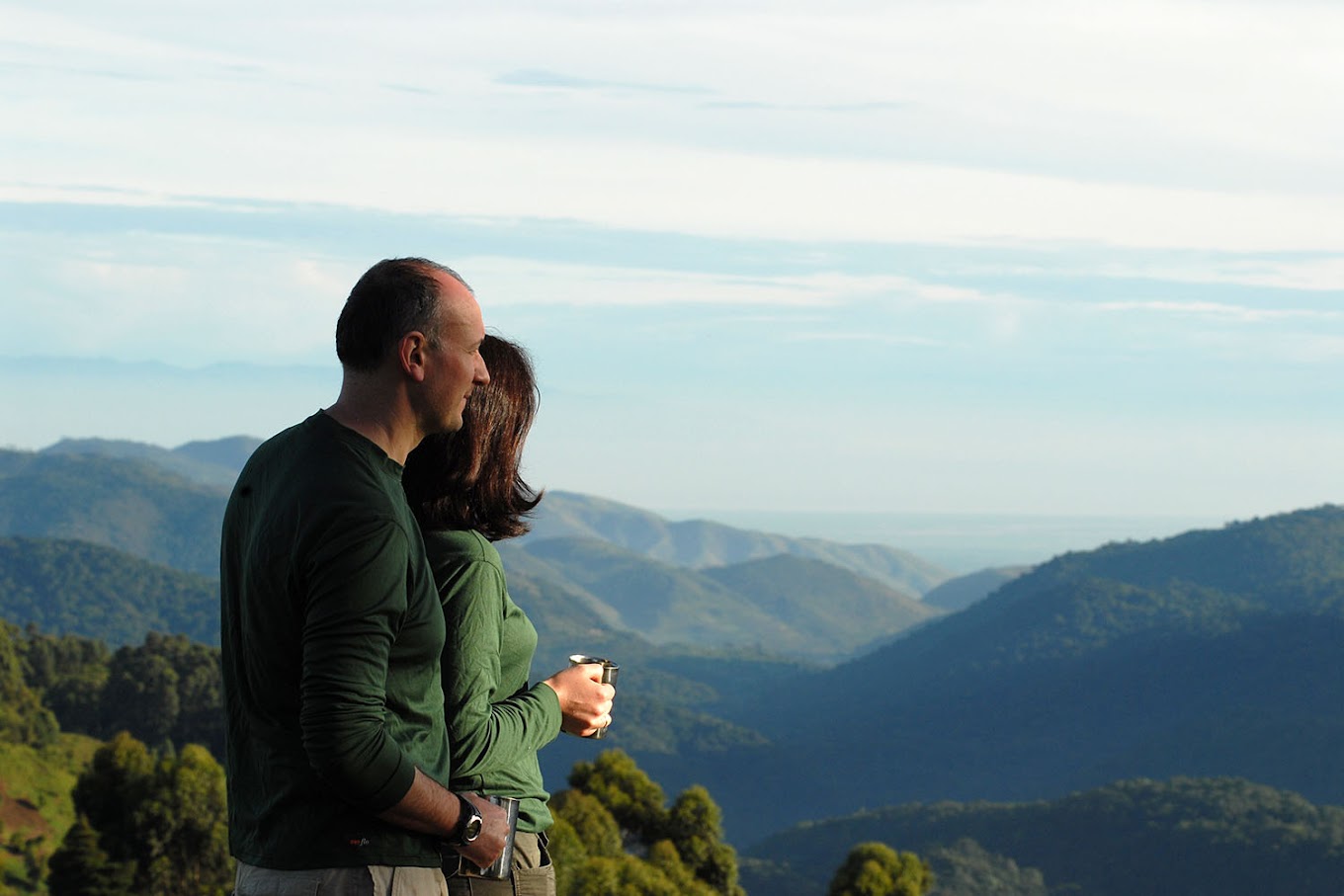


Rwanda is internationally recognized as one of the world’s leading destinations for sustainable travel because Rwanda Conservation Tourism successfully balances economic growth with environmental protection and community development. Unlike traditional tourism models that often prioritize profit over preservation, Rwanda has created a system where every visitor directly contributes to conservation success.
Through carefully structured policies and long-term environmental planning, Rwanda Conservation Tourism has become a benchmark for responsible travel in Africa and beyond. It demonstrates how tourism can be used as a powerful tool to restore ecosystems, protect endangered species, and improve local livelihoods at the same time.
Key Reasons Rwanda Conservation Tourism Is Globally Recognized
Several core principles make Rwanda Conservation Tourism one of the most successful conservation models in the world:
Strong Government Conservation Policies
Rwanda has implemented strict national policies that prioritize wildlife protection, habitat conservation, and sustainable tourism development. These policies ensure that tourism activities remain controlled, regulated, and environmentally responsible.
High-Value, Low-Impact Tourism Strategy
Instead of mass tourism, Rwanda Conservation Tourism focuses on high-value, low-volume tourism. This means fewer visitors, higher-quality experiences, and reduced environmental pressure on sensitive ecosystems such as gorilla habitats and rainforests.
Strict Wildlife Protection Laws
Rwanda enforces some of the strongest wildlife protection laws in Africa. Anti-poaching units, ranger patrols, and conservation surveillance systems ensure that wildlife populations remain protected under all circumstances.
Integration of Local Communities
A defining feature of Rwanda Conservation Tourism is the inclusion of local communities in conservation efforts. Communities are not excluded from tourism areas—they are active participants in protection, guiding, and tourism services.
Transparent Reinvestment of Tourism Revenue
A significant portion of tourism income, especially from gorilla trekking permits, is transparently reinvested into conservation programs, park management, and community development projects. This ensures that tourism directly supports long-term sustainability.
Booking Section – Experience Rwanda Conservation Tourism

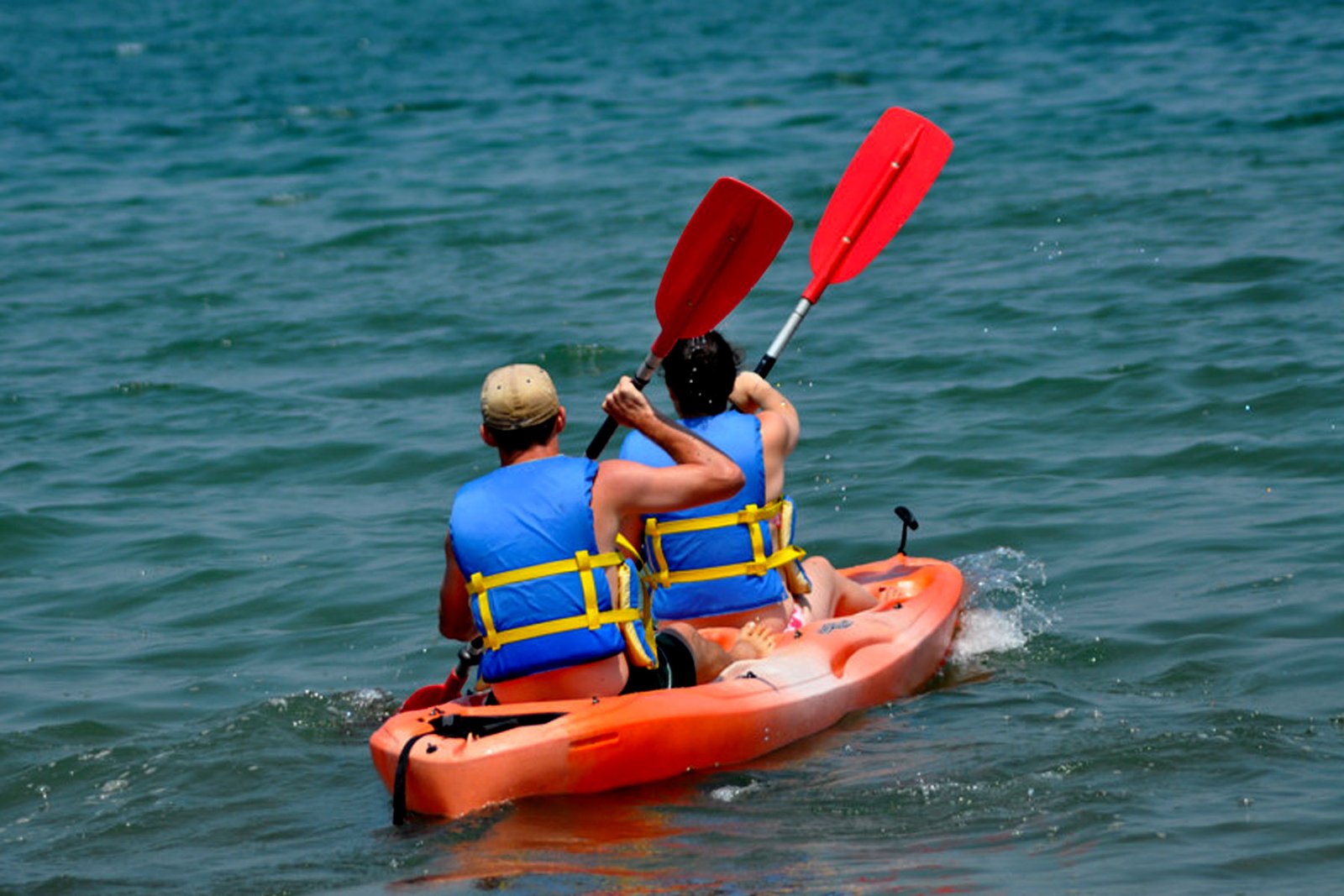
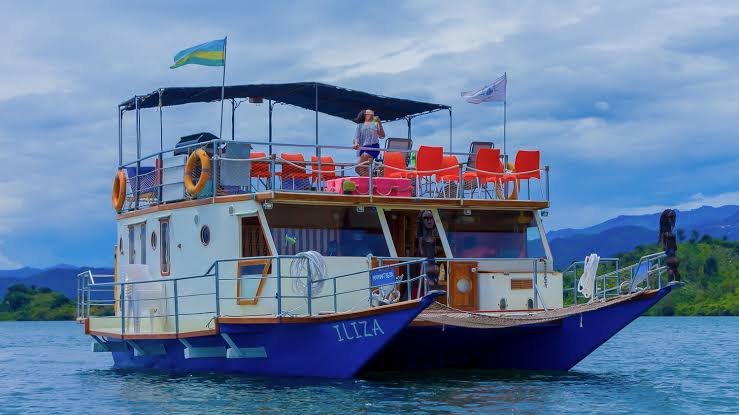
Planning a safari within the framework of Rwanda Conservation Tourism ensures that your journey directly contributes to wildlife protection, ecosystem preservation, and community empowerment. Every safari becomes part of a larger conservation mission that helps protect Rwanda’s natural heritage for future generations.
At Jovana Gorilla Safaris, we specialize in designing responsible, eco-friendly, and conservation-driven safaris that fully align with the principles of Rwanda Conservation Tourism. Each itinerary is carefully crafted to deliver exceptional wildlife experiences while supporting environmental sustainability and community development.
What We Provide
- Gorilla trekking permit arrangements in Volcanoes National Park
- Eco-lodge and sustainable accommodation bookings across Rwanda
- Conservation-focused safari itineraries tailored to responsible travel
- Expert safari guides trained in conservation tourism and wildlife ethics
- Complete travel planning and logistics support from arrival to departure
When you travel with us, your journey becomes an active part of Rwanda Conservation Tourism. Every safari supports gorilla protection, rainforest conservation, anti-poaching efforts, and local community development projects across Rwanda’s national parks.
Instead of just visiting Rwanda, you become part of a global conservation success story.
Contact Jovana Gorilla Safaris today to plan your sustainable Rwanda safari and experience true Rwanda Conservation Tourism in action—where every journey protects wildlife and empowers communities.