
Akagera National Park Wildlife – The Ultimate Akagera National Park Wildlife Experience in Rwanda
Akagera National Park Wildlife represents one of Africa’s most powerful conservation success stories and delivers the most diverse savannah wildlife experience in Rwanda. Located in the eastern region of the country, Akagera National Park is Rwanda’s only savannah national park, offering a rare and complete ecosystem of open grasslands, wetlands, lakes, and woodlands that support an incredible variety of animal species.
The Akagera National Park Wildlife experience is defined by its ecological balance, accessibility, and remarkable recovery. Once severely affected by poaching and habitat degradation, Akagera has been transformed into a thriving and well-protected ecosystem where large mammals, predators, reptiles, and hundreds of bird species now coexist in a stable natural environment. This transformation makes Akagera Park Wildlife in Rwanda one of the most inspiring conservation achievements on the African continent.
Unlike Rwanda’s rainforest destinations that focus on primates and dense jungle trekking, Akagera Park Wildlife offers a classic African safari experience characterized by open savannah landscapes, dramatic wildlife encounters, and expansive views. It is the ideal destination for Big Five safaris, game drives, boat safaris, and photography-focused wildlife adventures.
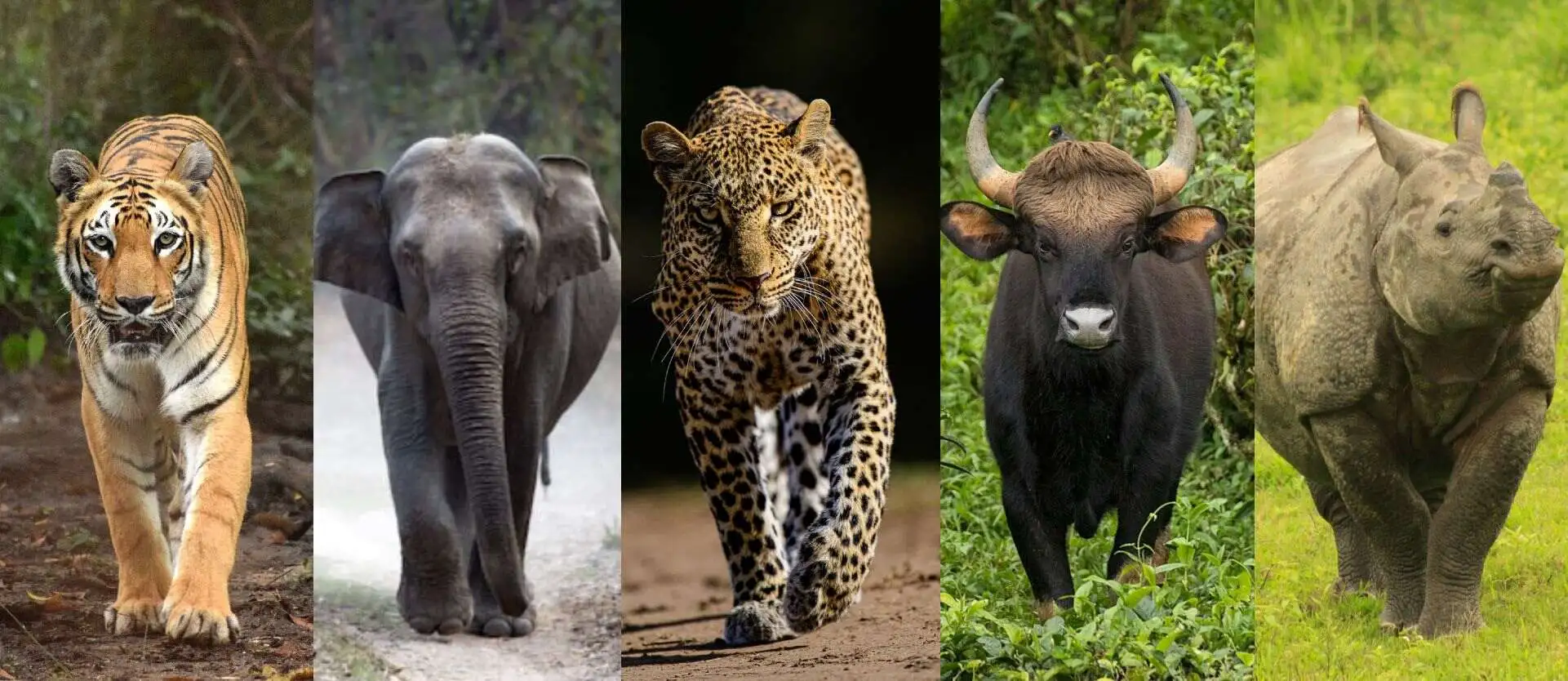
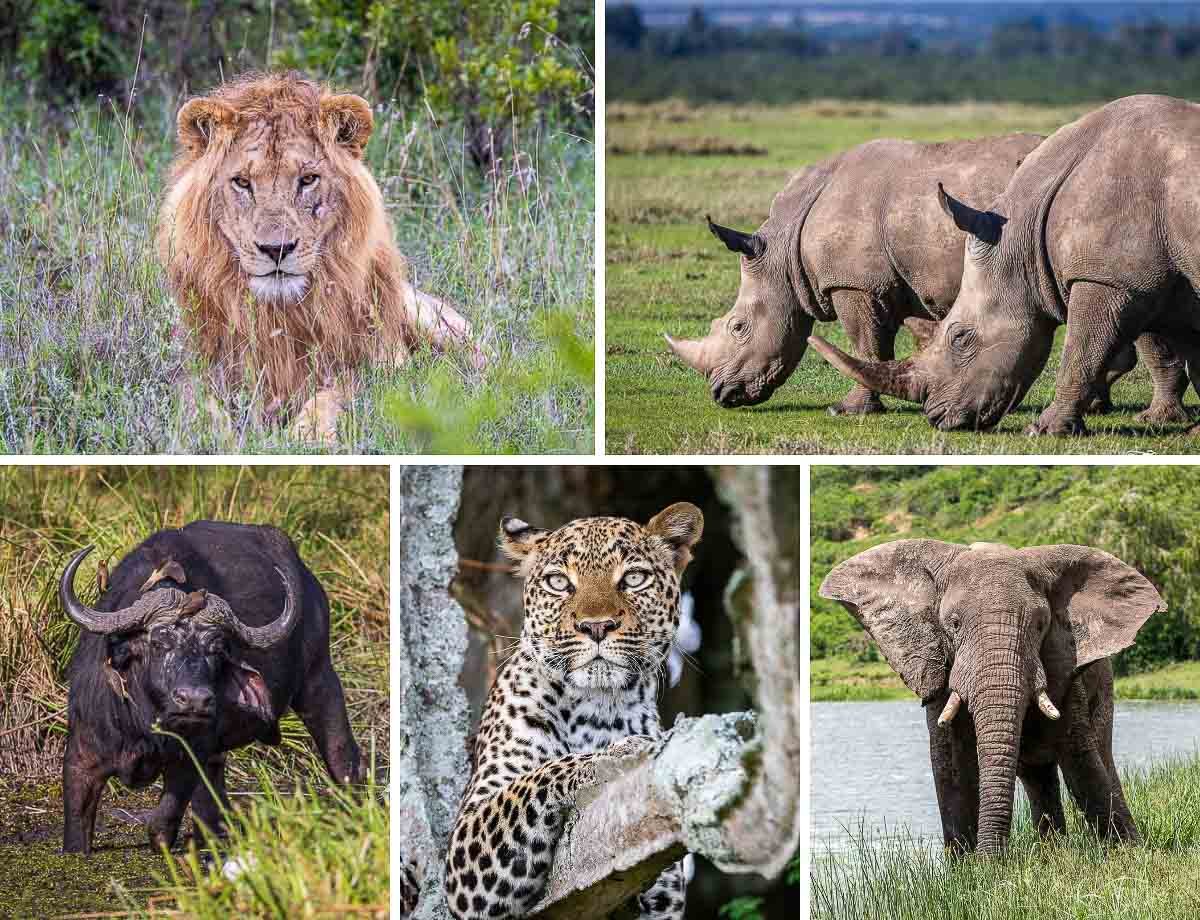
One of the most iconic highlights of Akagera Park Wildlife is the presence of the Big Five: lions, elephants, leopards, rhinos, and buffaloes. These legendary species define the ultimate African safari experience and position Akagera National Park as one of the most complete wildlife destinations in East Africa.
Every safari within Akagera National Park reveals a different dimension of wildlife behavior, from predator-prey interactions on the plains to peaceful grazing scenes near lakes and wetlands. This diversity makes Akagera Park Wildlife experiences both unpredictable and highly rewarding.
Big Five Akagera National Park Wildlife Experience
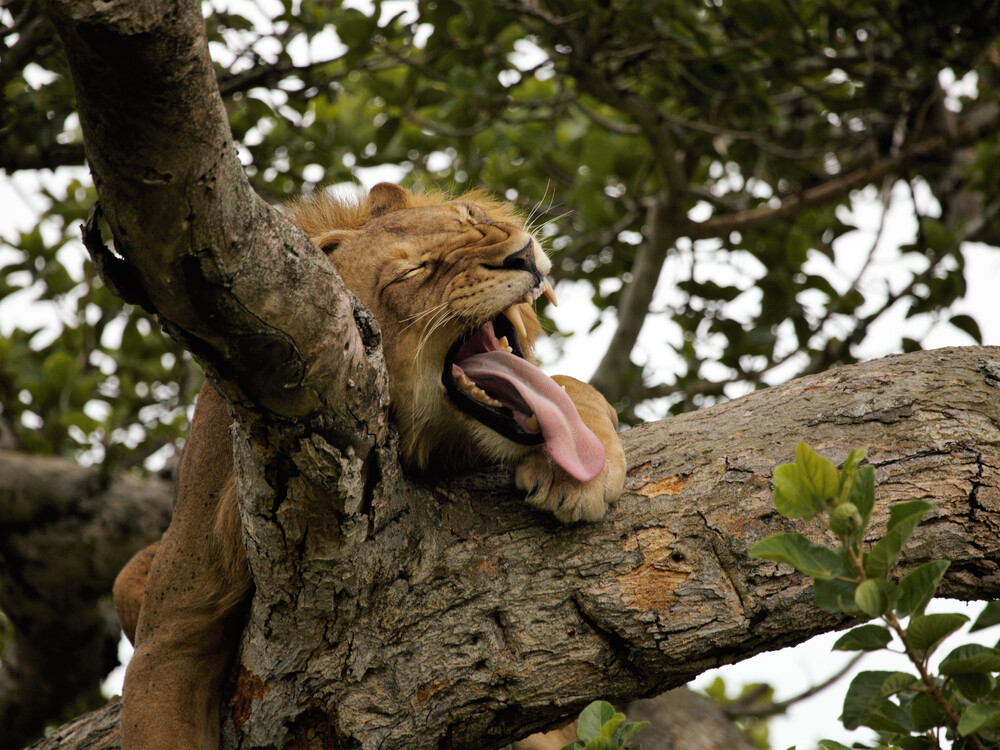
Lions are among the most celebrated predators within Akagera National Park Wildlife. Once locally extinct, they were successfully reintroduced through long-term conservation programs and now form stable prides across the savannah ecosystem. Today, lion sightings are increasingly common during early morning and late evening game drives. Visitors often observe them resting under acacia trees, patrolling territory boundaries, or engaging in coordinated hunting behavior across open grasslands. Their presence is a clear symbol of Akagera’s ecological recovery and makes lion encounters a major highlight of Akagera National Park Wildlife safaris.
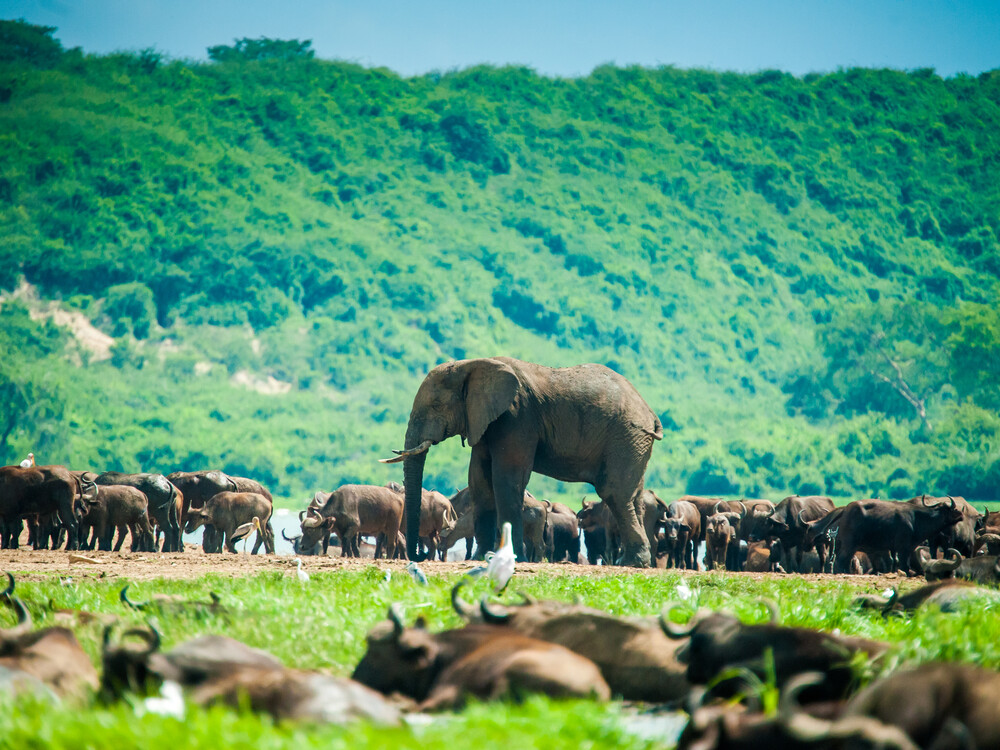
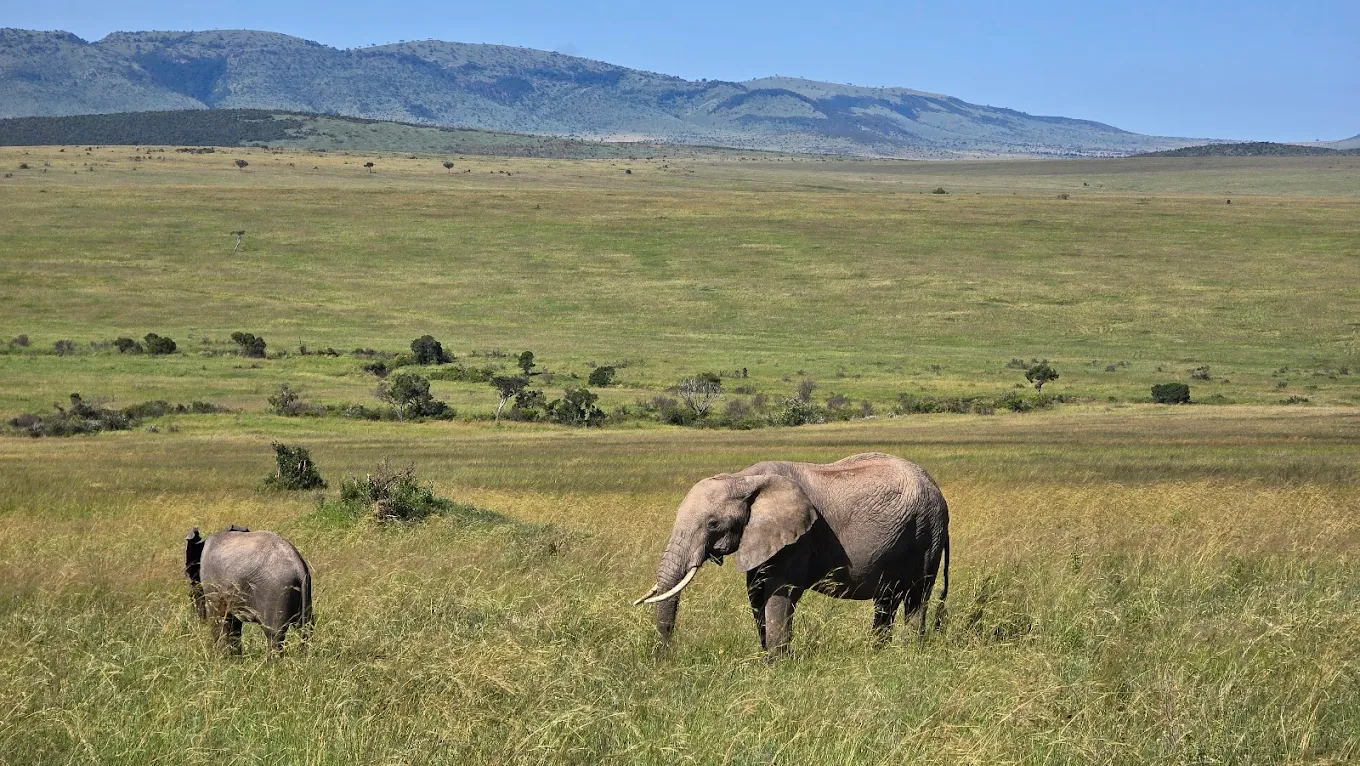
Elephants are another dominant species in Akagera Park Wildlife, frequently seen moving in large family herds across grasslands, wetlands, and lake edges. These intelligent giants play a crucial ecological role by shaping vegetation and creating pathways through dense areas. Their interactions—such as caring for calves, bathing in water, and long-distance migration across the park—offer some of the most emotional and visually powerful moments in Akagera safaris.
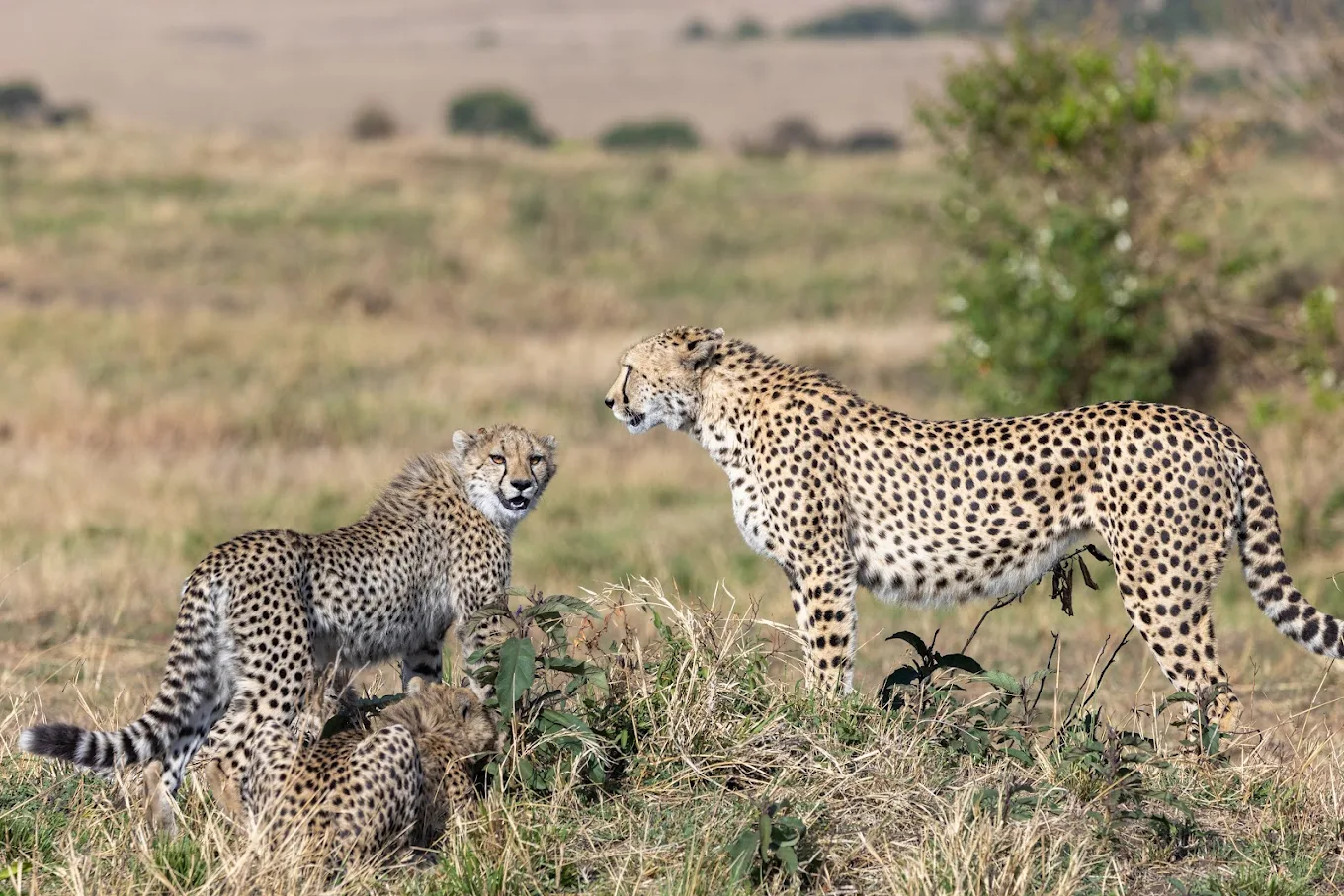
Leopards, although elusive and highly secretive, remain an essential part of Akagera National Park Wildlife. These solitary predators are masters of camouflage and are most often spotted during low-light conditions such as early morning or dusk. They are typically seen resting on tree branches or moving silently through wooded and rocky areas. Every leopard sighting in Akagera is considered rare and highly valuable, adding excitement and anticipation to wildlife drives.
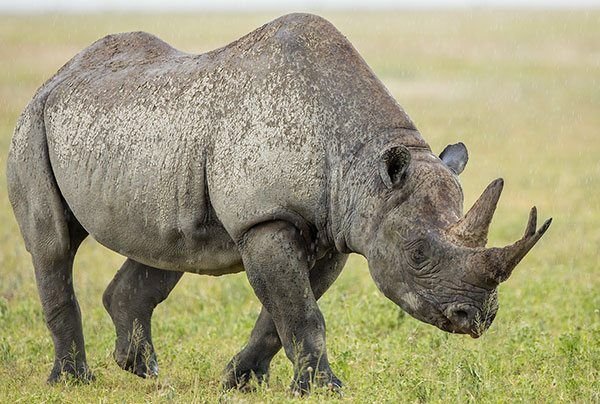
Rhinos represent one of the greatest conservation achievements within Akagera Park Wildlife. Both black and white rhino populations have been successfully reintroduced after years of local extinction. Today, they are carefully monitored and protected through intensive conservation programs. Their presence completes the Big Five experience and highlights the success of Rwanda’s wildlife restoration efforts. Rhino sightings in Akagera are not only rare but also deeply meaningful, reflecting the ongoing recovery of one of Africa’s most important ecosystems.
Buffaloes are among the most frequently encountered members of the Big Five in Akagera National Park Wildlife. Large herds dominate the savannah landscape, often numbering in the hundreds. These powerful animals move together across open plains and gather near water sources, creating dramatic wildlife scenes. Their strength, size, and social behavior make them a key component of the park’s ecological balance and an essential highlight of every safari experience.
Herbivores and Savannah Species in Akagera National Park Wildlife
Beyond the Big Five, Akagera National Park Wildlife features an incredibly rich diversity of herbivores and savannah species that form the foundation of the entire ecosystem. These animals play a critical ecological role by maintaining vegetation balance, supporting predator populations, and shaping the dynamic food chain that defines life within Akagera National Park.
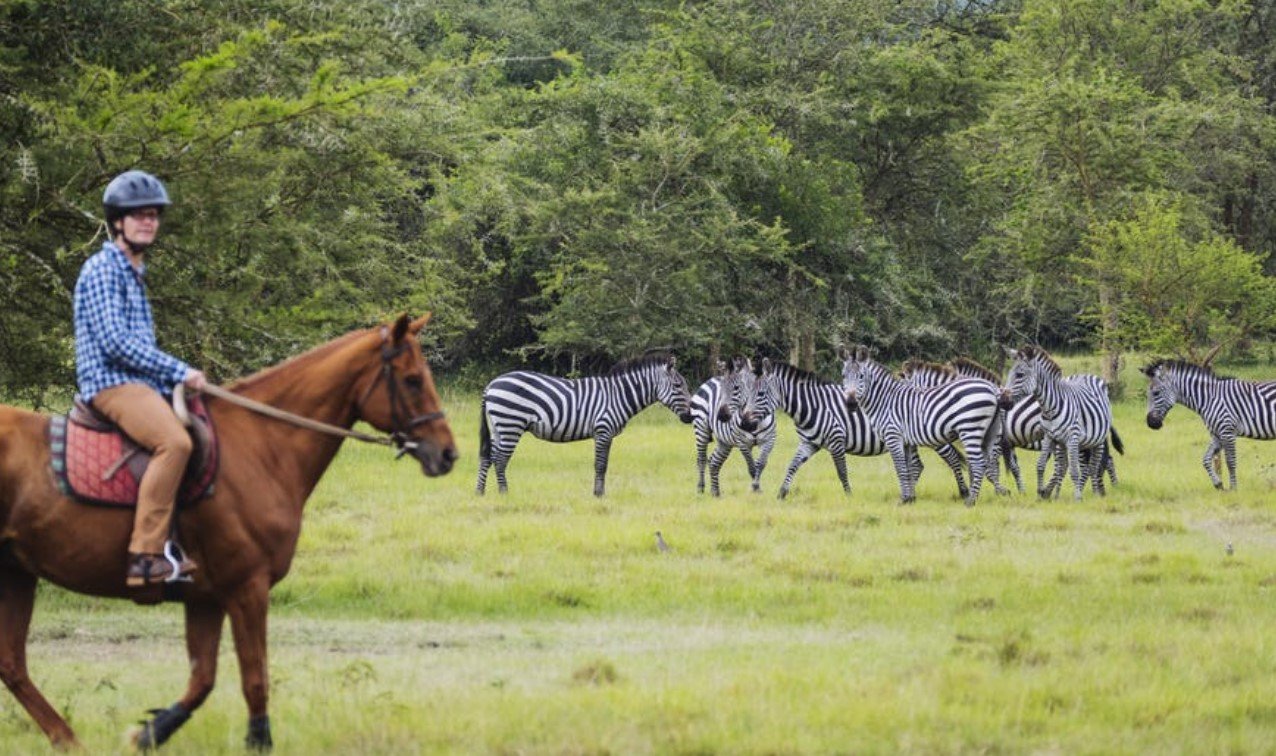
One of the most iconic herbivores in Akagera National Park Wildlife is the zebra. These striking animals are frequently seen grazing in open savannah plains, often moving in mixed herds with other herbivores such as antelopes. Their bold black-and-white stripes create a dramatic visual contrast against the golden grasslands, making zebra sightings one of the most photogenic moments during safari game drives. Zebras also play an important ecological role by grazing on different grass heights, helping to maintain vegetation diversity across the park.
Giraffes are another signature species of Akagera National Park Wildlife. These graceful giants are commonly seen moving slowly across acacia-dotted landscapes, feeding on the highest branches of trees that other herbivores cannot reach. Their towering height, elegant movement, and calm behavior make them one of the most admired animals during game drives. Giraffes are often spotted in small groups or solitary individuals, contributing to the peaceful and majestic atmosphere of Akagera’s savannah ecosystem.
Antelope species form one of the most important groups within Akagera Park Wildlife, providing both ecological balance and constant movement across the landscape. Impalas are among the most widespread and frequently seen antelopes, often gathering in large herds that move fluidly across open plains. Topis are also common and are known for their distinctive reddish coats and territorial behavior, especially during mating seasons.
Bushbucks, on the other hand, are more shy and elusive, typically found near woodland edges or thick vegetation. Together, these antelope species form the primary prey base for predators such as lions and leopards, ensuring a balanced and functioning ecosystem within Akagera National Park Wildlife. Their continuous presence adds life, motion, and energy to the savannah landscape, making every safari drive visually dynamic.
Aquatic Wildlife in Akagera National Park Wildlife
One of the most distinctive and unique features of Akagera National Park Wildlife is its rich aquatic ecosystem, centered around lakes, rivers, and expansive wetlands. These water systems, particularly Lake Ihema, create a completely different wildlife environment that complements the park’s savannah landscapes and adds exceptional diversity to the safari experience.
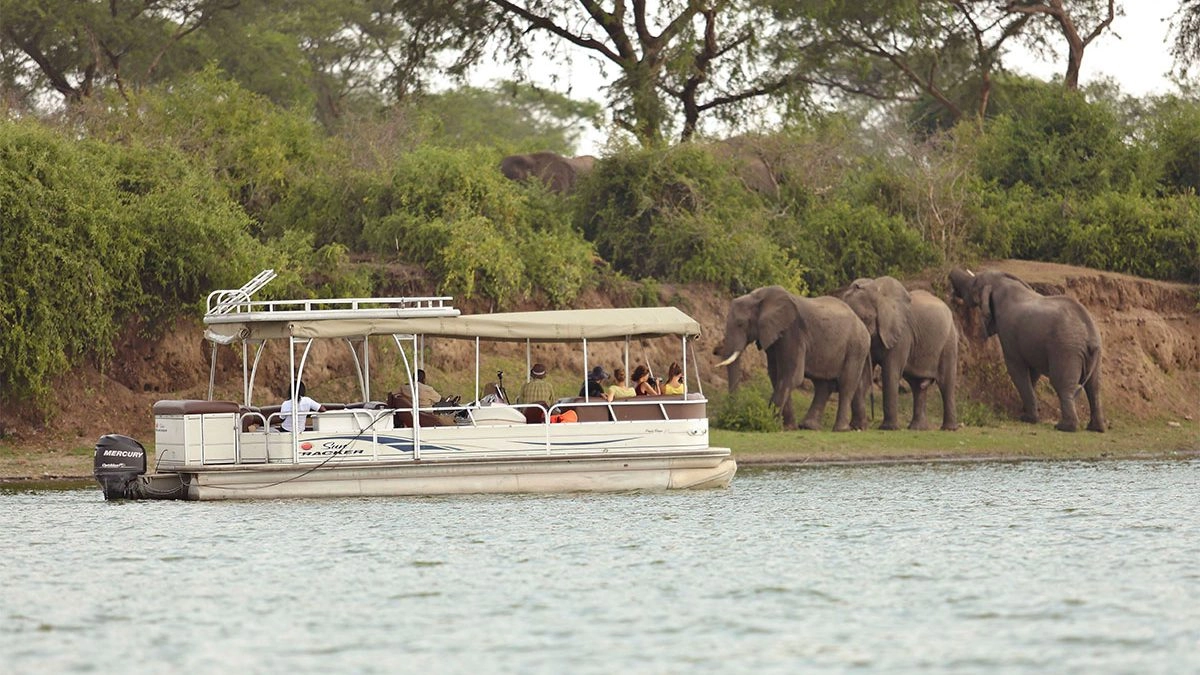
Hippos are among the most dominant aquatic species in Akagera National Park Wildlife. Large pods of these massive animals can be seen submerged in water during the day, often surfacing in groups to breathe or interact socially. At night, hippos emerge from water bodies to graze on nearby grasslands, traveling significant distances in search of food. Their size, behavior, and vocal interactions make them one of the most fascinating species to observe during both boat safaris and game drives.
Crocodiles are another key component of Akagera National Park Wildlife, commonly found along riverbanks and lake shores. These ancient reptiles often remain motionless for long periods, blending perfectly with their surroundings before suddenly reacting to movement in the water. Their presence adds a raw, prehistoric dimension to Akagera’s aquatic ecosystem and highlights the park’s natural balance between predator and prey.
The interaction between hippos and crocodiles creates one of the most intriguing ecological dynamics in Akagera Park Wildlife. While hippos dominate the waters in large social groups, crocodiles occupy strategic positions along shores and shallow waters, both coexisting within a carefully balanced ecosystem.
Wetland areas, especially around Lake Ihema, serve as essential feeding and breeding grounds for many aquatic species. These habitats also attract a wide variety of birds and other wildlife, making them one of the most productive and visually engaging parts of Akagera National Park Wildlife. The combination of calm waters, dense vegetation, and constant animal activity ensures that every visit to these areas delivers a completely different safari perspective.
Birdlife in Akagera National Park Wildlife
Akagera Park Wildlife is not only defined by its iconic mammals but also by one of the richest and most diverse bird populations in East Africa. With over 500 recorded bird species, Akagera National Park stands as a true paradise for birdwatchers, nature photographers, and wildlife enthusiasts seeking a complete safari experience.
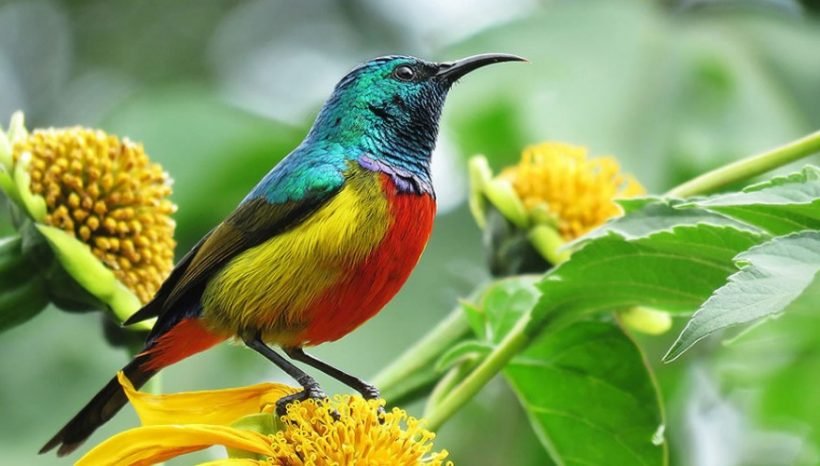
The extraordinary bird diversity within Akagera National Park Wildlife is made possible by the park’s unique combination of ecosystems, including savannah grasslands, wetlands, lakes, woodlands, and papyrus swamps. Each habitat supports different bird species, creating a constantly changing and vibrant birding environment throughout the park.
Wetland and lake zones, particularly around Lake Ihema, are among the most productive bird habitats in Akagera Park Wildlife. These areas attract large concentrations of waterbirds and migratory species, especially during seasonal changes. The calm waters, reed beds, and floating vegetation provide ideal nesting and feeding grounds, making these zones a highlight of any safari.
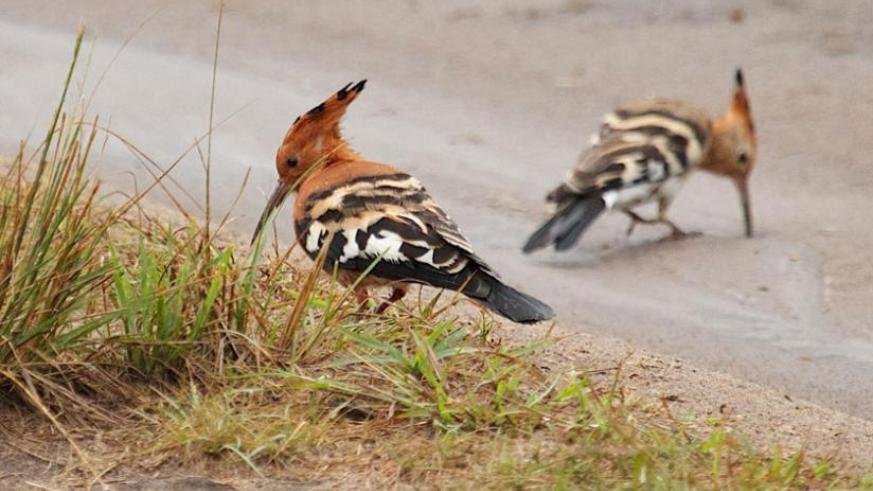
Some of the most commonly observed bird species in Akagera Park Wildlife include African fish eagles, known for their powerful calls and dramatic fishing behavior; kingfishers, which are frequently seen diving into water with incredible precision; herons and storks, often standing silently along shorelines; and cormorants, which can be seen drying their wings on exposed rocks or tree branches.
Other notable species include shoebill storks in wetland areas, papyrus gonoleks in dense swamp vegetation, and various raptors that dominate the skies above Akagera. This incredible variety makes Akagera Park Wildlife one of the most important birding destinations not only in Rwanda but across the entire East African region.
The birdlife in Akagera is active throughout the day, with early mornings offering the most rewarding sightings. The combination of calls, movement, and visual diversity creates a rich sensory experience that enhances every safari drive and boat excursion.
Landscapes Supporting Akagera National Park Wildlife
The remarkable diversity of Akagera Park Wildlife is deeply rooted in the park’s wide range of ecosystems. Each habitat plays a critical role in sustaining different species and maintaining the ecological balance that defines Akagera National Park.
The northern savannah plains are among the most iconic landscapes in Akagera National Park. These vast open grasslands provide ideal grazing grounds for herbivores such as zebras, buffaloes, giraffes, and antelopes. At the same time, they serve as primary hunting territories for predators such as lions and hyenas. This open ecosystem allows for clear visibility and dramatic wildlife interactions, making it one of the most important zones for Akagera Park Wildlife viewing.
In contrast, the southern regions of the park are dominated by wetlands, lakes, and papyrus swamps. These water-rich environments are essential for aquatic species such as hippos and crocodiles, while also supporting a high concentration of birdlife. The wetlands act as ecological hubs where land and water ecosystems meet, creating some of the most dynamic wildlife zones in Akagera Park Wildlife.
Woodlands and rolling hills further enhance the ecological complexity of the park. These areas provide shelter and feeding grounds for species such as leopards, bushbucks, and various smaller mammals. They also offer elevated viewpoints that allow visitors to observe vast sections of the savannah landscape, adding a scenic dimension to every safari experience.
The interaction between these ecosystems ensures that Akagera Park Wildlife remains constantly active and ever-changing. Wildlife movement is influenced by seasonal rainfall, water availability, and vegetation cycles, meaning that no two safari experiences are ever the same.
This ecological diversity is what makes Akagera National Park one of the most visually stunning and biologically rich safari destinations in East Africa. It ensures that every visit offers new discoveries, unpredictable wildlife encounters, and a deep appreciation for Rwanda’s conservation success story.
Why Akagera National Park Wildlife is Unique
Akagera Park Wildlife is uniquely positioned as Rwanda’s only savannah ecosystem and one of the most inspiring conservation success stories in Africa. Located in the eastern part of the country, Akagera National Park has undergone a remarkable transformation from a heavily degraded landscape into a thriving, fully restored wildlife sanctuary that now supports a complete and balanced ecosystem.
“`html id=”big-five-uganda-gallery”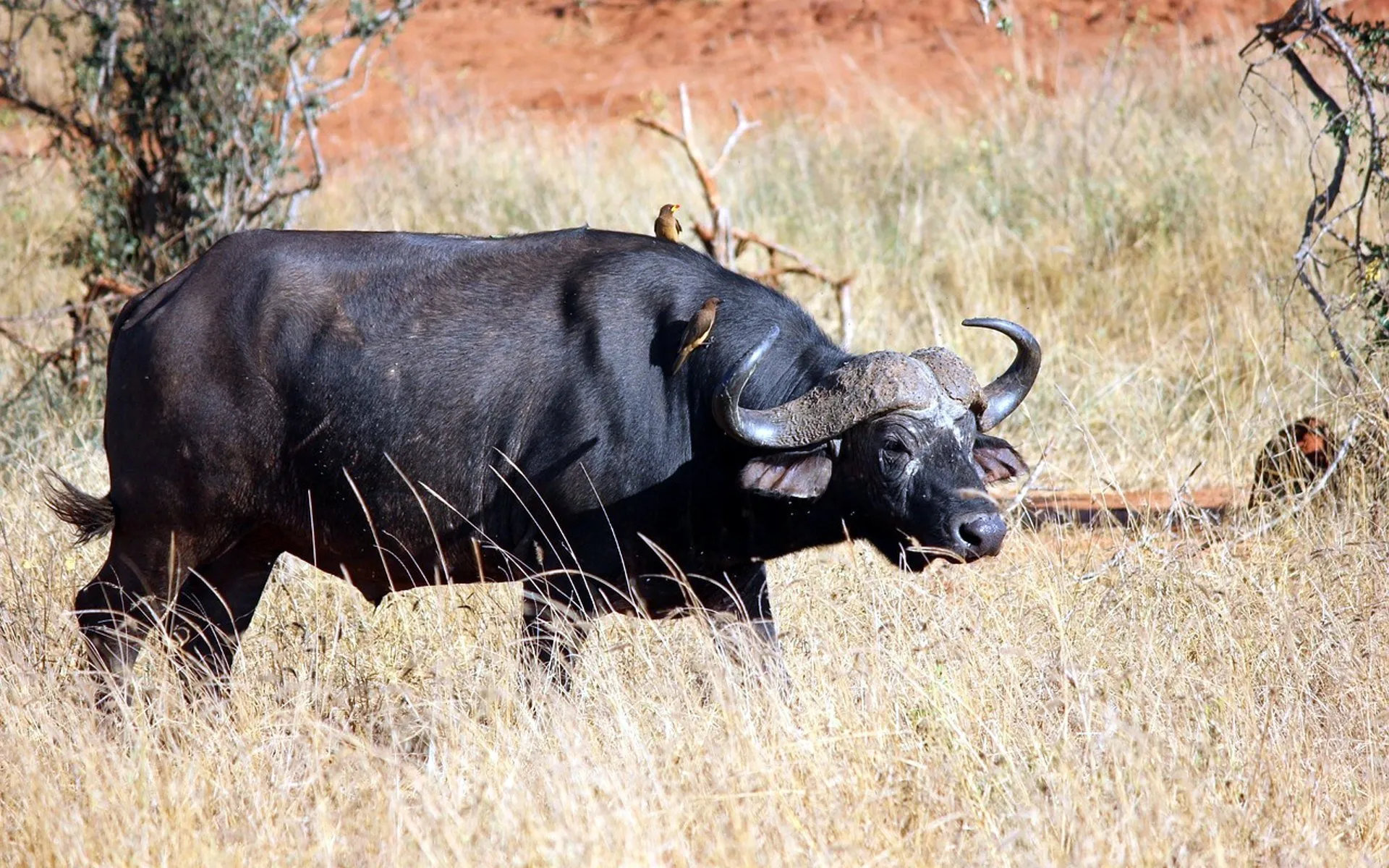
What makes Akagera National Park Wildlife truly exceptional is its rare combination of ecological diversity and successful wildlife restoration. Through long-term conservation programs, anti-poaching initiatives, and species reintroduction projects, the park has regained its full ecological structure. Today, it supports thriving populations of lions, elephants, rhinos, buffaloes, leopards, and hundreds of other species across savannah plains, wetlands, lakes, and woodlands.
Unlike many other safari destinations in East Africa that specialize in either savannah or forest ecosystems, Akagera National Park Wildlife offers a complete safari experience within a single compact park. Visitors can experience Big Five game viewing, rich birdlife, aquatic ecosystems, and dramatic landscapes without needing to travel across multiple regions. This makes Akagera one of the most efficient and rewarding safari destinations in Africa.
Another defining feature of Akagera Wildlife is its accessibility. The park is located just a few hours’ drive from Kigali, Rwanda’s capital city Kigali, making it ideal for short safaris, luxury weekend escapes, and extended multi-park itineraries. This convenience allows travelers to combine Akagera with gorilla trekking in Volcanoes National Park and chimpanzee trekking in Nyungwe Forest, creating one of the most diverse safari circuits in Africa.
The park’s combination of wildlife richness, scenic beauty, and conservation success gives Akagera Park Wildlife a unique identity that sets it apart from other African safari destinations. It is not only a place to see wildlife—it is a living example of ecological restoration and sustainable tourism in action.
Book Your Akagera National Park Wildlife Safari
An Akagera National Park Wildlife safari offers one of the most diverse, complete, and unforgettable wildlife experiences in Rwanda. From thrilling Big Five encounters across open savannah plains to peaceful boat safaris on Lake Ihema, every moment in Akagera National Park delivers a rich blend of adventure, scenery, and wildlife discovery.
The experience of Akagera National Park Wildlife is defined by constant variety. One moment you may be watching lions resting under acacia trees, and the next you could be observing elephants moving through wetlands or hippos surfacing in calm lake waters. Birdlife fills the skies, while antelopes and zebras animate the savannah, creating a dynamic and ever-changing safari environment.
Whether you are a wildlife photographer seeking dramatic landscapes, a safari enthusiast exploring Africa for the first time, or a returning traveler looking for a new adventure, Akagera Park Wildlife offers a perfectly balanced safari experience that combines excitement, comfort, and conservation impact.
Each safari in Akagera contributes directly to ongoing wildlife protection and community development programs. This means that every Akagera National Park Wildlife safari is not only a personal adventure but also a meaningful contribution to one of Africa’s greatest conservation success stories.
Because demand for Akagera safaris continues to grow, early booking is strongly recommended. Securing your Akagera Park Wildlife safari in advance ensures access to the best lodges, experienced guides, and optimal wildlife viewing conditions throughout the park.
A journey through Akagera is more than just a safari—it is an immersion into Rwanda’s only savannah wilderness, where nature, wildlife, and conservation come together to create an unforgettable African experience.