What to Pack for Gorilla Trekking in Uganda & Rwanda | Essential Gorilla Trekking Gear (What Truly Matters in the Forest)
Packing for gorilla trekking is not about bringing more items; it is about bringing the right gear that responds to rainforest conditions. Every essential item below solves a real problem encountered during gorilla treks in Uganda and Rwanda. Understanding why each piece of gear matters helps travelers pack intentionally rather than relying on generic safari advice.
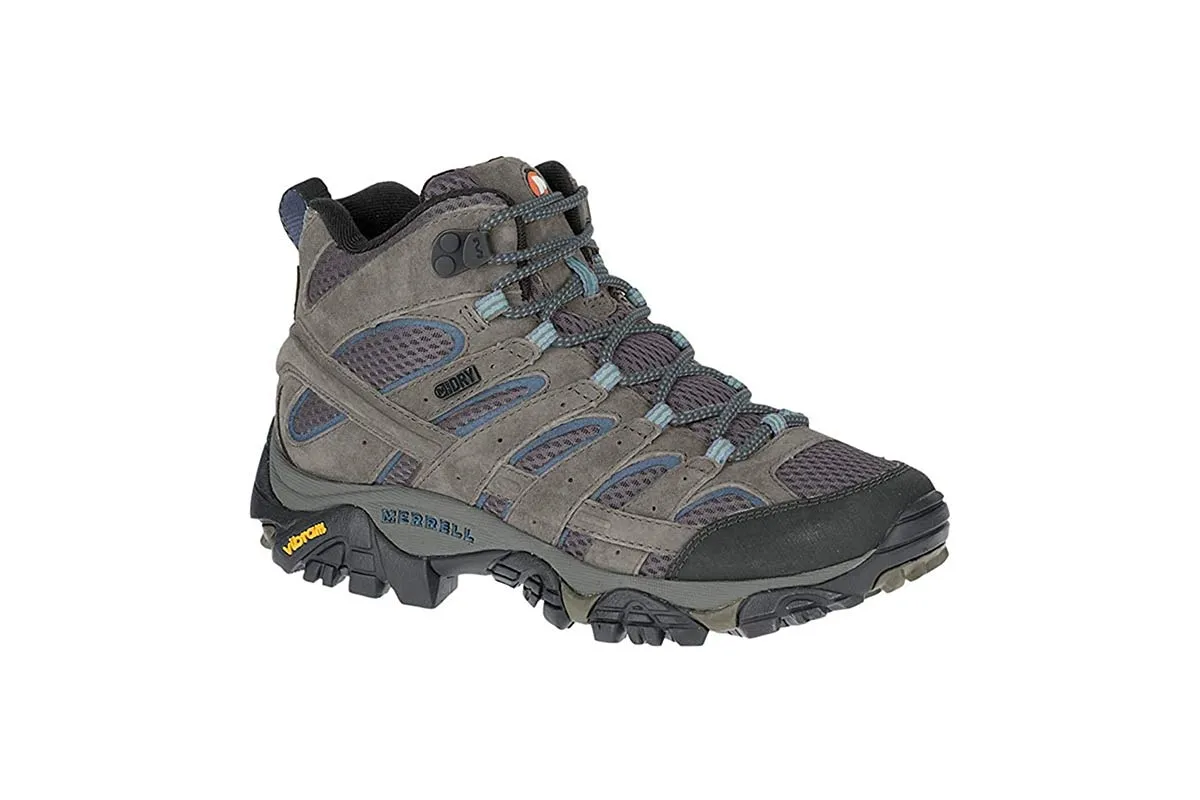
Hiking Boots: Why Ankle Support and Grip Matter More Than Comfort Alone
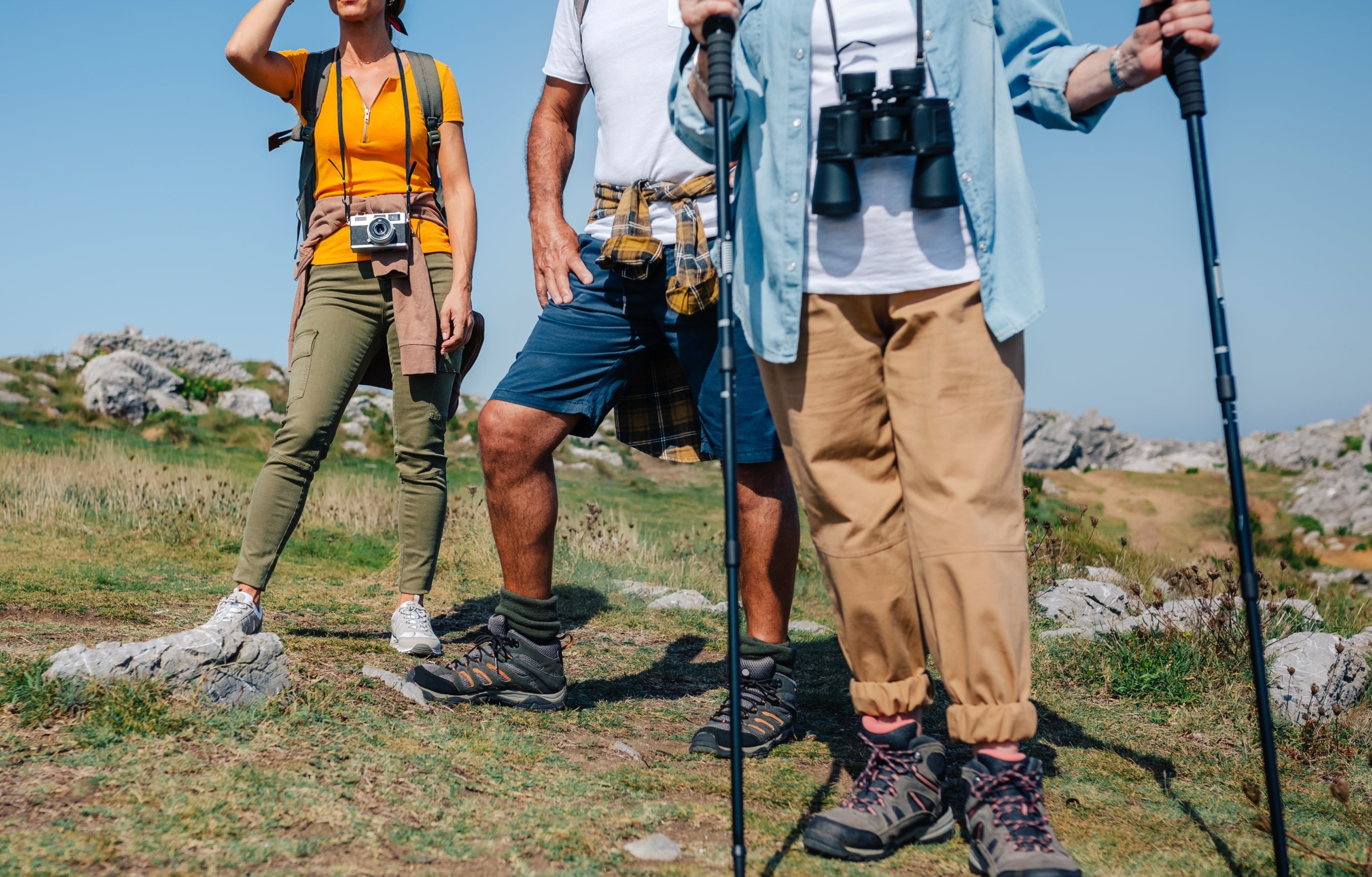
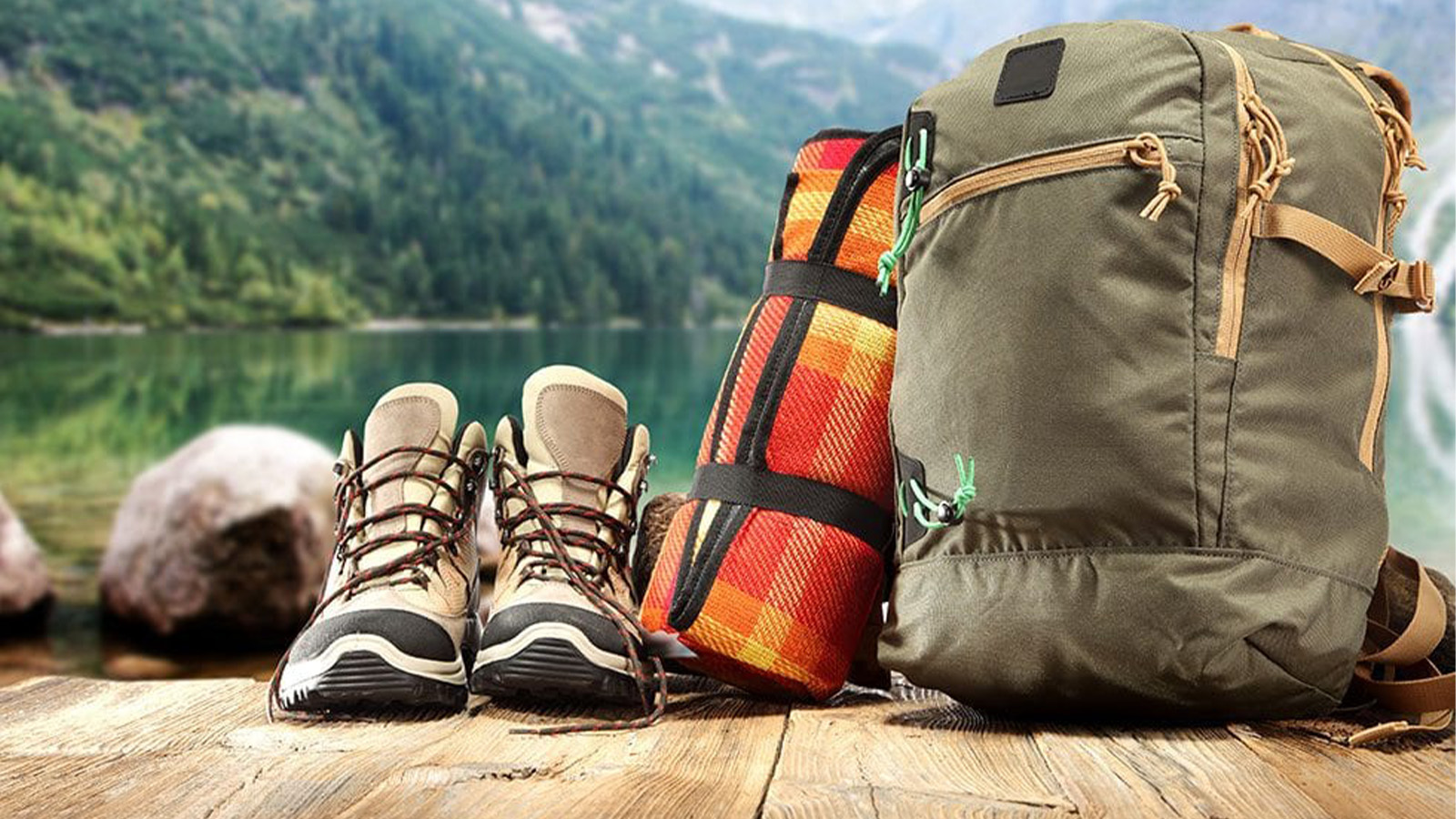
Hiking boots are the single most important piece of gorilla trekking gear. Treks take place on uneven forest terrain where footing constantly changes between mud, exposed roots, wet leaves, and steep slopes. In these conditions, ankle stability is far more important than lightweight comfort.
Proper hiking boots provide firm ankle support that reduces the risk of twisting or slipping when descending muddy trails or stepping over hidden obstacles. Deep tread patterns improve grip on wet soil and clay, which is common even during dry seasons due to rainforest humidity.
Many travelers underestimate this and arrive with trail runners or casual walking shoes. While these may feel comfortable initially, they offer little protection once trails become slippery. A supportive boot helps maintain balance, reduces fatigue, and allows trekkers to focus on the experience rather than worrying about every step.
Water resistance is also important. While fully waterproof boots are ideal, quick-drying boots with solid soles are acceptable if paired with gaiters. Ultimately, sturdy hiking boots are not optional for gorilla trekking; they are a safety and comfort requirement.
Gloves: Protection, Grip, and Confidence on the Trail
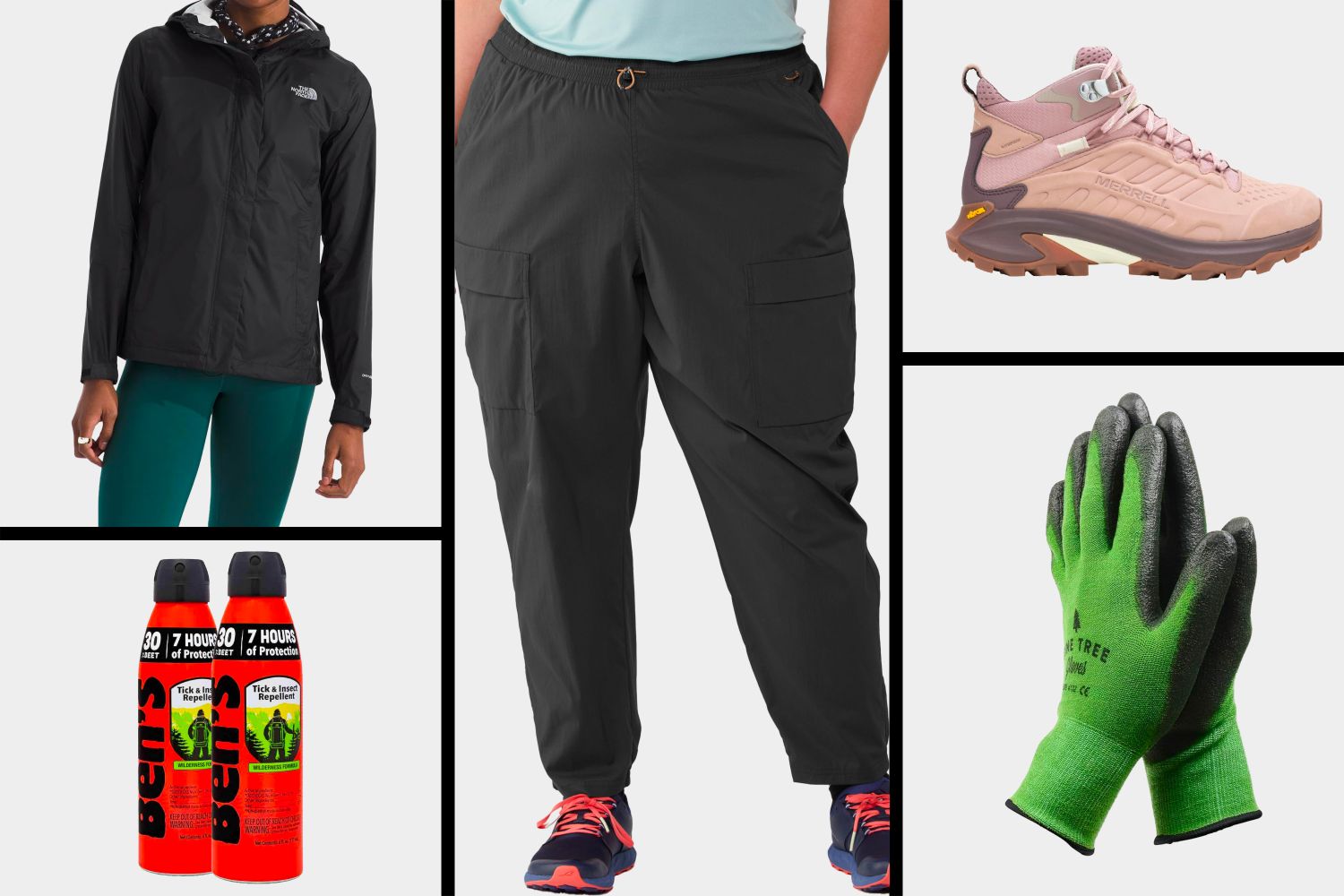
Gloves are one of the most overlooked yet valuable items for gorilla trekking. Forest trails are lined with thorny vines, stinging nettles, and rough vegetation that trekkers must often push aside while walking. Gloves protect hands from cuts, scratches, and irritation throughout the trek.
Beyond protection, gloves improve grip. Trekkers frequently use hands to steady themselves on steep slopes, grab branches for balance, or hold onto roots during descents. Bare hands quickly become slippery when wet or muddy, increasing the risk of falls.
Simple gardening gloves or lightweight trekking gloves are sufficient. They do not need to be bulky or expensive. What matters is coverage and grip. Gloves also provide psychological comfort, allowing trekkers to move confidently through dense vegetation without hesitation.
This small item makes a disproportionate difference in overall trekking comfort and is a common regret among travelers who leave it behind.
Rain Jacket: Preparing for Forest Microclimates
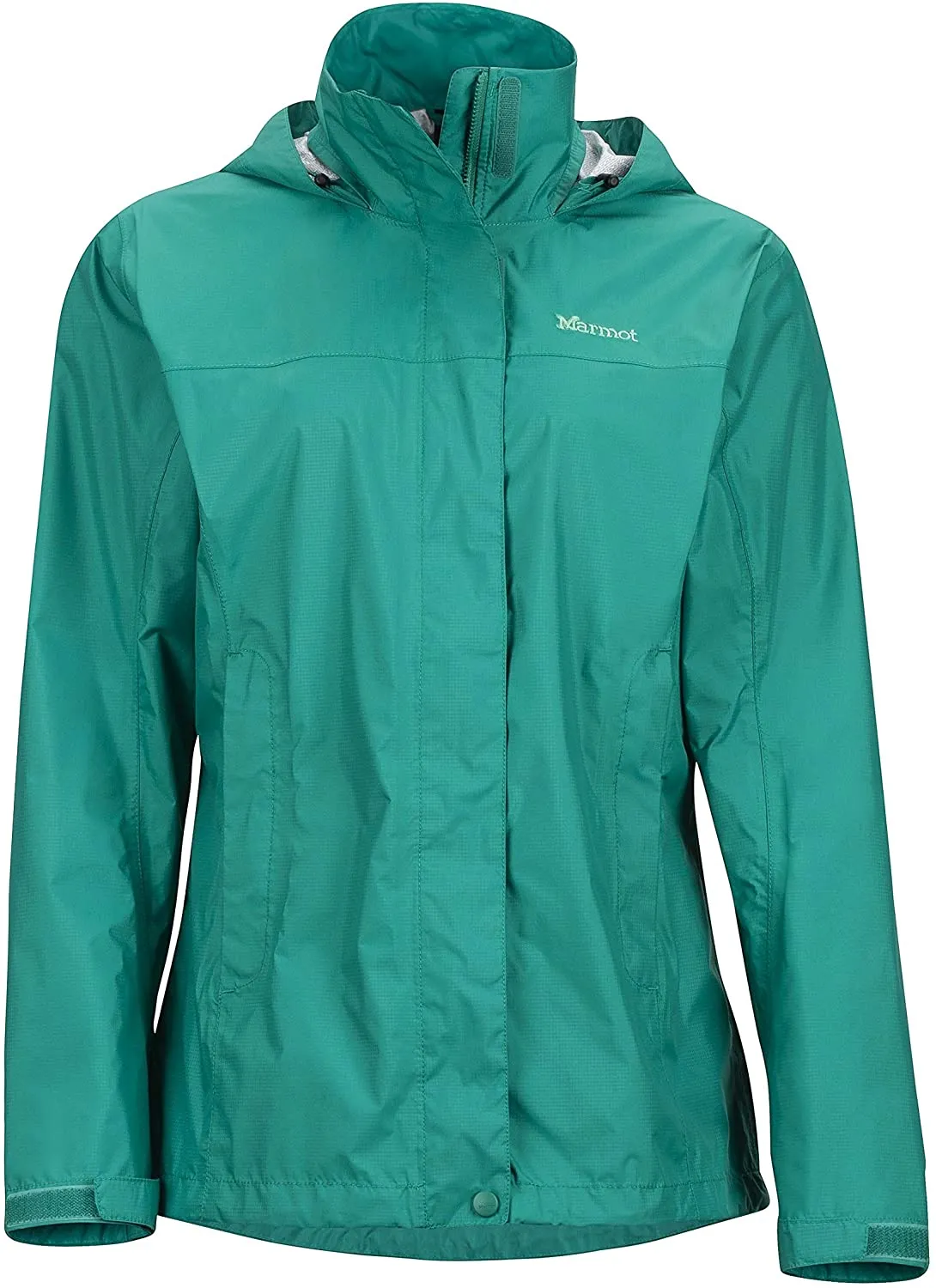
A rain jacket is essential for gorilla trekking, regardless of the season. Rainforests create their own microclimates, meaning light rain or mist can appear suddenly even during officially dry months. Once wet, clothing can remain damp for hours due to high humidity.
A good rain jacket protects against rain while allowing body heat and moisture to escape. Breathability is as important as waterproofing. Non-breathable jackets trap sweat, leading to discomfort and overheating during uphill sections of the trek.
The jacket should be lightweight and packable, easy to store in a daypack when not in use. Bright colors and noisy fabrics should be avoided; neutral tones blend better with the environment and reduce disturbance.
Rather than packing multiple layers “just in case,” a single reliable rain jacket provides flexible protection and allows trekkers to adapt quickly to changing forest conditions.
Daypack: Carrying What You Need Without Slowing You Down
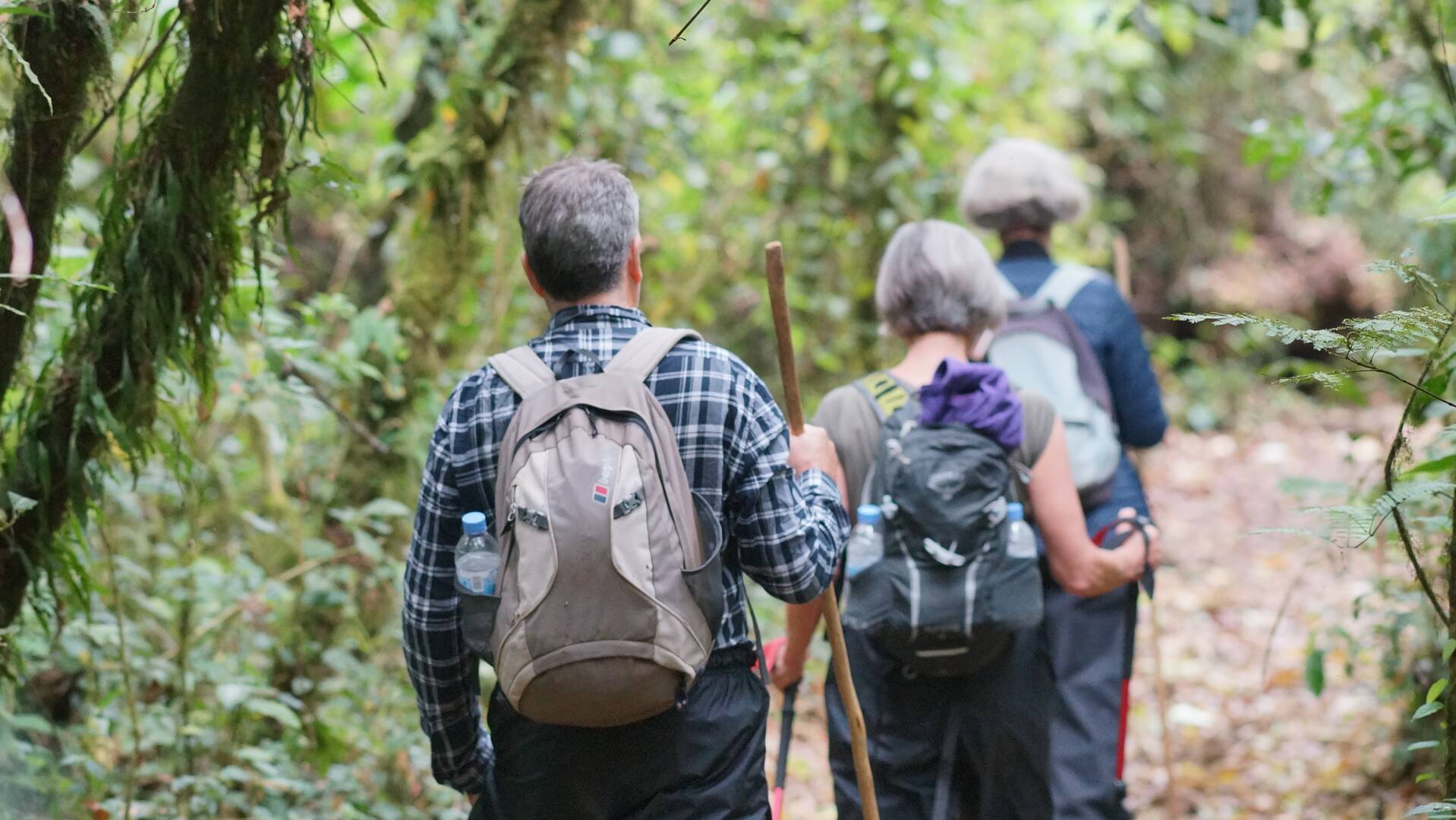
A compact daypack is essential for carrying personal items during a gorilla trek. Treks can last several hours, and access to vehicles is not possible once inside the forest. Everything needed for the day must be carried comfortably.
A good daypack should be lightweight, snug-fitting, and large enough to carry water, snacks, rain gear, permits, cameras, and personal items without becoming bulky. Overpacking is a common mistake. Large backpacks increase fatigue and throw off balance on uneven ground.
Hydration is particularly important in humid conditions. A daypack allows trekkers to carry sufficient water without relying on guides. It also keeps essential documents, such as gorilla permits and identification, safe and accessible.
Many travelers choose to hire a porter, which is highly recommended. Even with a porter, a small personal daypack ensures that immediate essentials remain within reach throughout the trek.
Essential gorilla trekking gear is defined by function, not fashion. Each item serves a specific purpose shaped by rainforest terrain, weather, and trekking dynamics. Hiking boots provide stability, gloves protect and empower movement, rain jackets manage unpredictable weather, and daypacks keep essentials accessible without adding strain.
Packing these items correctly transforms gorilla trekking from a physically demanding challenge into a controlled, enjoyable adventure where attention remains on the gorillas, not discomfort.
Understanding Gorilla Trekking Conditions (Why Preparation Matters)
Before deciding what to pack for gorilla trekking, it is essential to understand the real conditions inside gorilla habitats. Gorilla trekking is not a standard safari activity conducted on open plains or vehicle-accessible tracks. It takes place deep inside dense, high-altitude rainforest, where terrain, weather, and vegetation directly affect comfort, safety, and success.
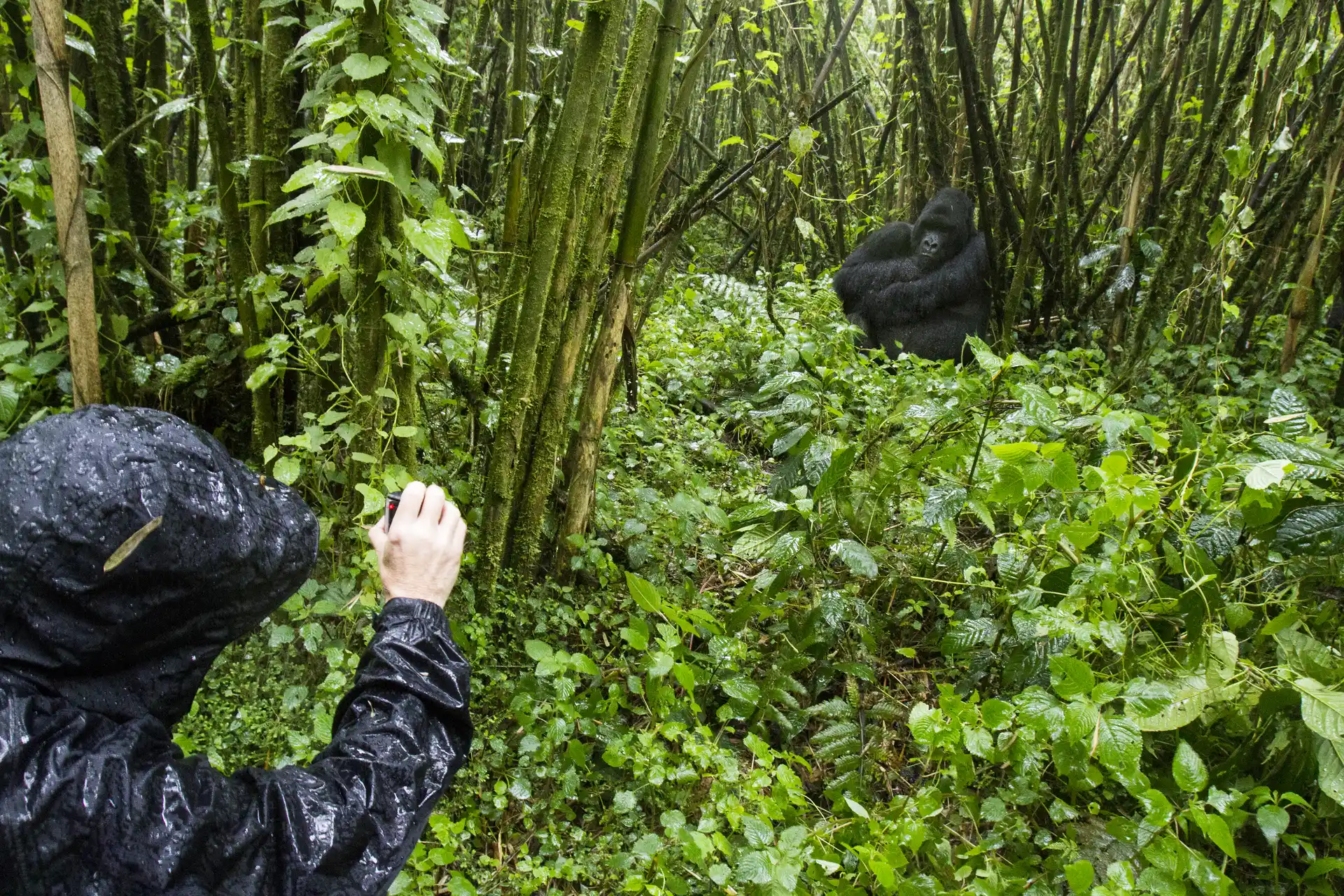
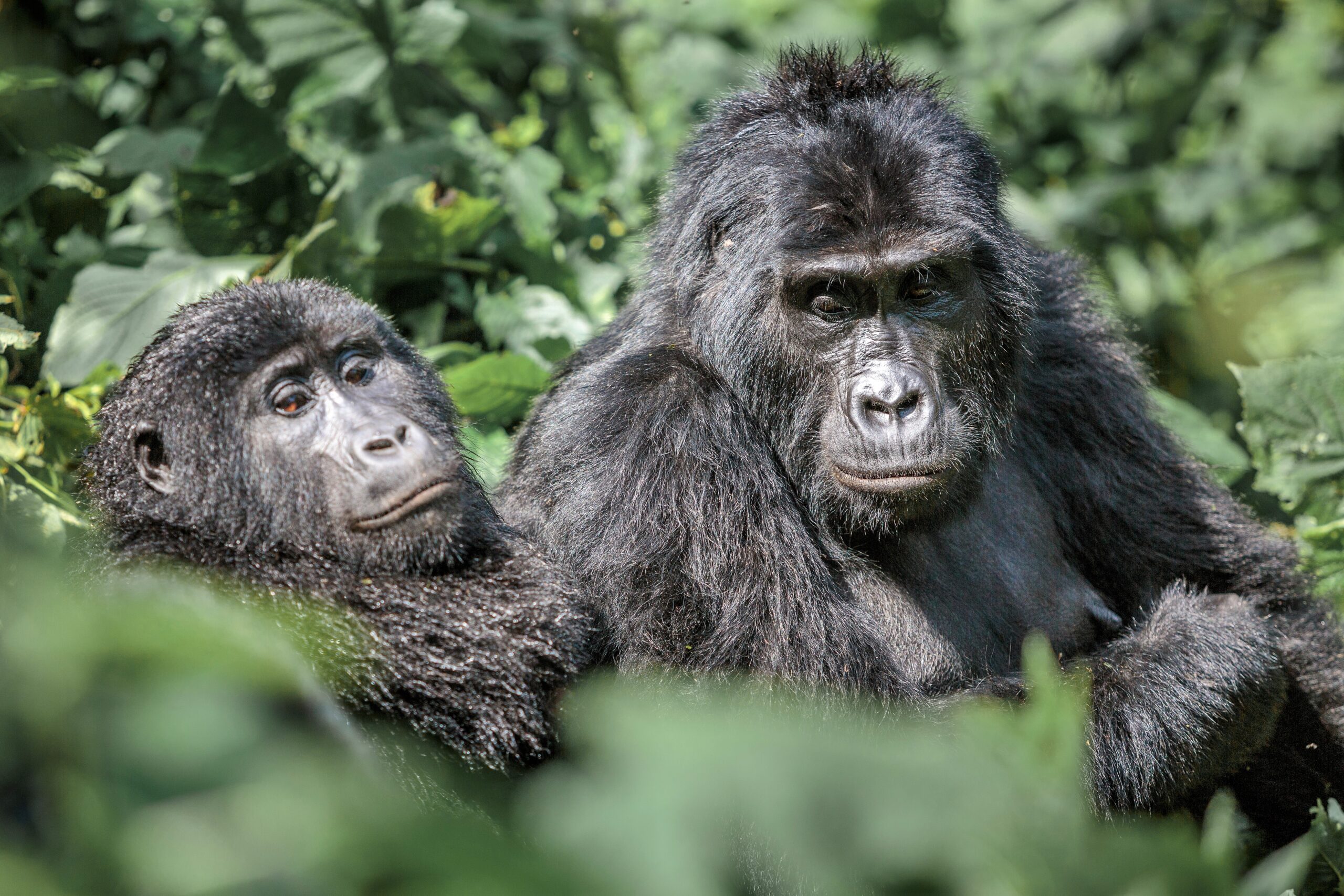
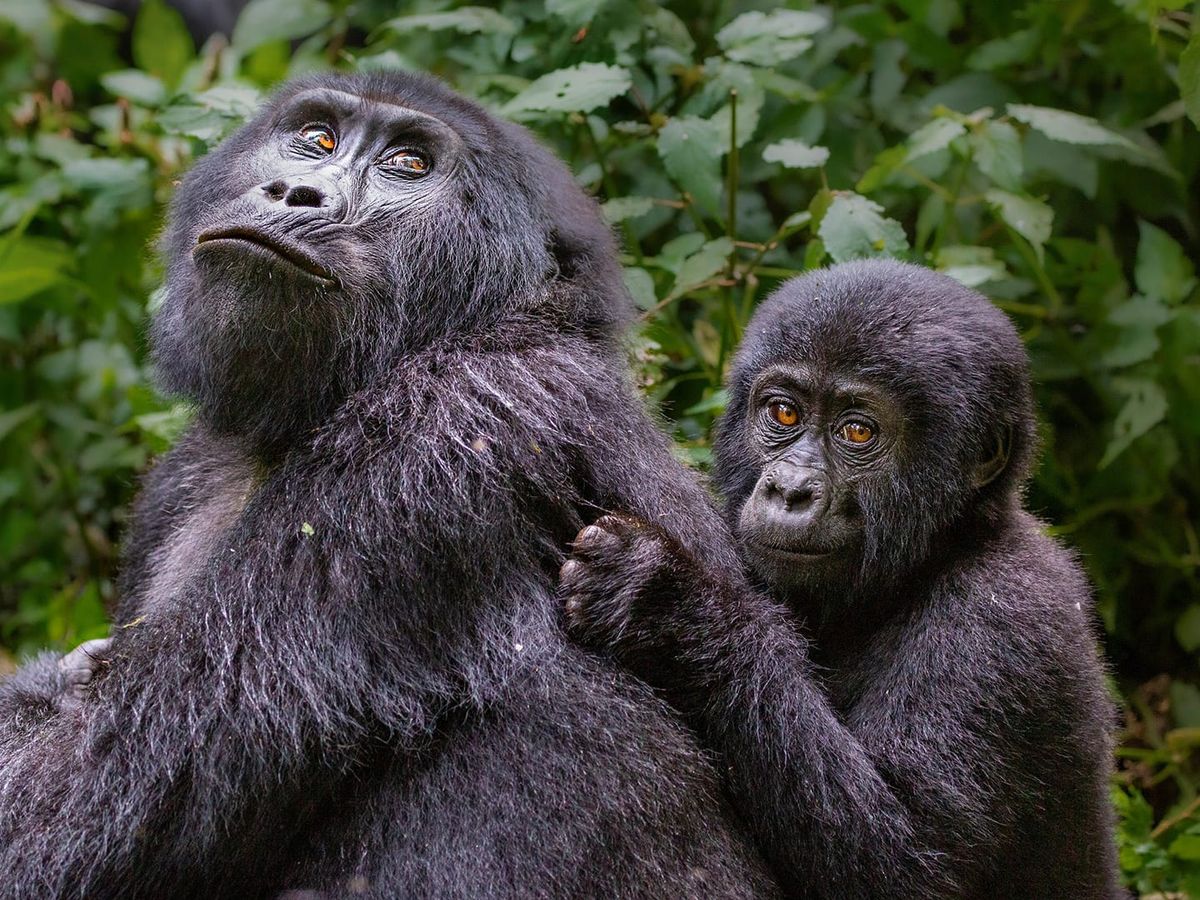
Many packing checklists fail because they assume gorilla trekking is similar to a game drive or nature walk. In reality, it is a guided wilderness hike through living forest ecosystems where preparation determines how enjoyable the experience will be.
Dense Rainforest Terrain: More Than Just a Forest Walk
Gorilla trekking happens inside thick tropical rainforest characterized by dense undergrowth, tangled vines, towering trees, and narrow footpaths. Visibility is often limited, and trails are rarely wide or clearly defined. Rangers and trackers frequently cut through vegetation using machetes to create temporary access routes, especially when gorilla families move into less-visited areas.
This environment means trekkers are constantly brushing against leaves, branches, and low-hanging vines. Clothing and gear must protect the body from scratches, stinging plants, and insects while remaining breathable enough for sustained walking. Light, open safari clothing designed for vehicle-based viewing offers little protection in this setting and can quickly become uncomfortable.
Understanding this terrain explains why experienced guides insist on long sleeves, durable trousers, and protective accessories even on warm days.
Steep Slopes and Uneven Ground: A Physical Reality
Gorilla trekking areas are located in mountainous regions, often at elevations between 2,300 and 4,500 meters. Trails are rarely flat. Treks involve a combination of gradual ascents, steep climbs, and controlled descents across uneven ground.
Footing can change rapidly from compact soil to exposed roots, slippery rocks, or loose leaf litter. Balance and stability become more important than speed, and footwear plays a critical role in preventing slips and fatigue.
Because trekking routes change daily depending on gorilla movements, there is no guarantee of a short or easy hike. Some treks last under an hour, while others extend several hours in challenging terrain. Packing with this variability in mind is essential, especially for first-time trekkers or those unfamiliar with mountain hiking.
Mud, Rain, and Humidity: The Forest Microclimate
One of the most misunderstood aspects of gorilla trekking is weather. Even during so-called dry seasons, rain is common inside rainforest environments. Short, sudden showers can occur without warning, and humidity remains high throughout the day.
Rain transforms forest trails quickly. What was firm ground in the morning can become slippery mud by midday. Shoes, trousers, and packs are often splashed with mud, and moisture can penetrate unprotected clothing and equipment.
Humidity adds another layer of challenge. Sweat does not evaporate easily, leading to damp clothing and increased discomfort if fabrics are not chosen carefully. Breathability and moisture management matter just as much as waterproofing.
This is why packing purely for sunshine or assuming dry conditions often leads to frustration. Gorilla trekking requires preparation for wet, warm, and variable conditions simultaneously.
Why “Light Safari Clothing” Is Not Enough
Many travelers arrive in East Africa with lightweight safari outfits intended for game drives: short sleeves, shorts, open shoes, and casual hats. While suitable for savannah safaris, this clothing is poorly suited to gorilla trekking.
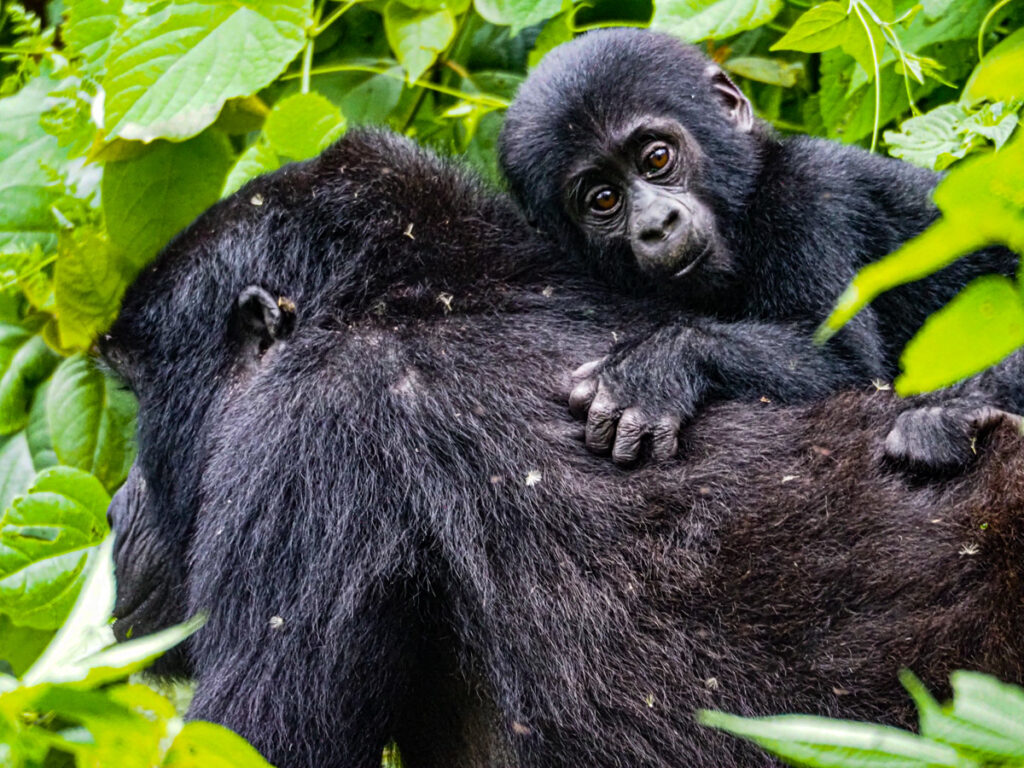
Exposed skin increases the risk of scratches, insect bites, and contact with stinging plants. Lightweight fabrics tear easily on thorns and branches. Open footwear provides no grip or ankle support on muddy slopes. In addition, sudden rain can soak thin clothing quickly, leading to discomfort for the remainder of the trek.
Gorilla trekking clothing must strike a balance between protection, durability, and comfort. Long trousers, covered arms, supportive footwear, and weather-resistant layers are not optional extras; they are practical responses to the environment.
Understanding this distinction early helps travelers pack intentionally rather than reactively, reducing stress and allowing full focus on the gorilla encounter itself.
The Mental Aspect of Trekking Conditions
Beyond physical preparation, understanding trekking conditions also sets realistic expectations. Gorilla trekking is not about speed or athletic performance; it is about patience, adaptability, and following ranger guidance. Conditions change quickly, and flexibility is part of the experience.
Travelers who arrive prepared both mentally and physically tend to enjoy the trek more, regardless of weather or trail difficulty. Proper packing supports this mindset by reducing distractions caused by discomfort, wet clothing, or inadequate footwear.
Gorilla trekking takes place in challenging but rewarding rainforest environments defined by dense vegetation, steep terrain, high humidity, and unpredictable weather. These conditions explain why standard safari packing advice falls short and why specialized preparation is essential.
By understanding the realities of gorilla trekking conditions, travelers can make informed packing decisions that enhance comfort, safety, and enjoyment laying the foundation for an unforgettable wildlife experience.
What to Wear for Gorilla Trekking (Practical Field Guide)
What you wear for gorilla trekking directly affects your comfort, confidence, and enjoyment inside the forest. Gorilla trekking is not a fashion activity and not a casual walk; it is a guided hike through dense rainforest where clothing must protect, regulate body temperature, and adapt to changing conditions.
Instead of listing clothing items generically, this guide explains how each clothing layer works in real trekking conditions, then adapts recommendations for different travelers and seasons.
Upper Body: Protection, Breathability, and Layering
For gorilla trekking, the upper body should be fully covered. Long-sleeved shirts are essential, even in warm weather. Forest vegetation includes thorny vines, stinging nettles, and insects that easily irritate exposed skin. Long sleeves act as a physical barrier while also reducing sun exposure during open sections of the trek.
Fabrics matter. Lightweight, breathable materials that wick moisture away from the skin are ideal. Cotton should be avoided because it absorbs moisture and dries slowly, becoming heavy and uncomfortable in humid conditions. Neutral colors such as green, brown, or khaki blend into the environment and are preferred by rangers.
Layering is important. A moisture-wicking base layer combined with a lightweight long-sleeve top allows flexibility as body temperature changes during ascents and descents. In cooler mornings, an additional thin fleece or thermal layer can be useful, especially at higher altitudes.
Lower Body: Durability and Freedom of Movement
Long trousers are mandatory for gorilla trekking. Shorts are impractical and unsafe due to scratches, insect bites, and contact with vegetation. Trousers should be durable enough to withstand friction from branches while remaining flexible for stepping over roots and climbing slopes.
Stretch fabrics designed for hiking perform best. They allow freedom of movement without tearing and dry quickly after rain or sweat. Trousers with zip-off legs are not recommended, as exposed skin becomes vulnerable once converted to shorts.
Tucking trousers into socks is a common local practice. This helps prevent ants, insects, and mud from entering footwear and keeps trousers cleaner during muddy sections of the trail.
Footwear: Stability Over Style
Footwear for gorilla trekking must prioritize grip, ankle support, and stability. Trails are uneven, muddy, and unpredictable. Footwear without ankle support increases the risk of slips and minor injuries that can quickly turn uncomfortable on steep descents.
Hiking boots with firm soles and good tread offer the best balance of protection and comfort. They do not need to be heavy expedition boots, but they should be well broken in before travel. New boots can cause blisters and discomfort.
Socks also matter. Thick, moisture-wicking socks reduce friction and help manage sweat. Bringing an extra pair is recommended, especially during rainy months.
Accessories: Small Items That Make a Big Difference
Accessories are often underestimated, yet they significantly improve trekking comfort. Gloves protect hands from thorns and provide grip on steep sections. A wide-brimmed hat or cap shields the face from sun and light rain while keeping sweat out of the eyes.
Gaiters are optional but highly useful, particularly during rainy seasons. They prevent mud, water, and insects from entering boots and keep lower legs cleaner.
Sunglasses are rarely used during the trek itself due to forest cover, but they can be helpful before and after trekking. Jewelry, scarves, and dangling accessories should be avoided, as they can snag on vegetation.
Clothing Adjustments by Traveler Type
What Women Should Wear for Gorilla Trekking
Women should focus on secure, comfortable clothing that allows unrestricted movement. Well-fitted long trousers with stretch panels work best. Sports bras or supportive base layers reduce discomfort during long walks.
Layering is especially important, as body temperature can fluctuate throughout the trek. Hair should be tied back to prevent snagging and reduce heat buildup. Minimal accessories are recommended to avoid distraction.
Comfort and coverage should take priority over style. Clothing that stays in place during movement reduces the need for adjustments, allowing full focus on the trek.
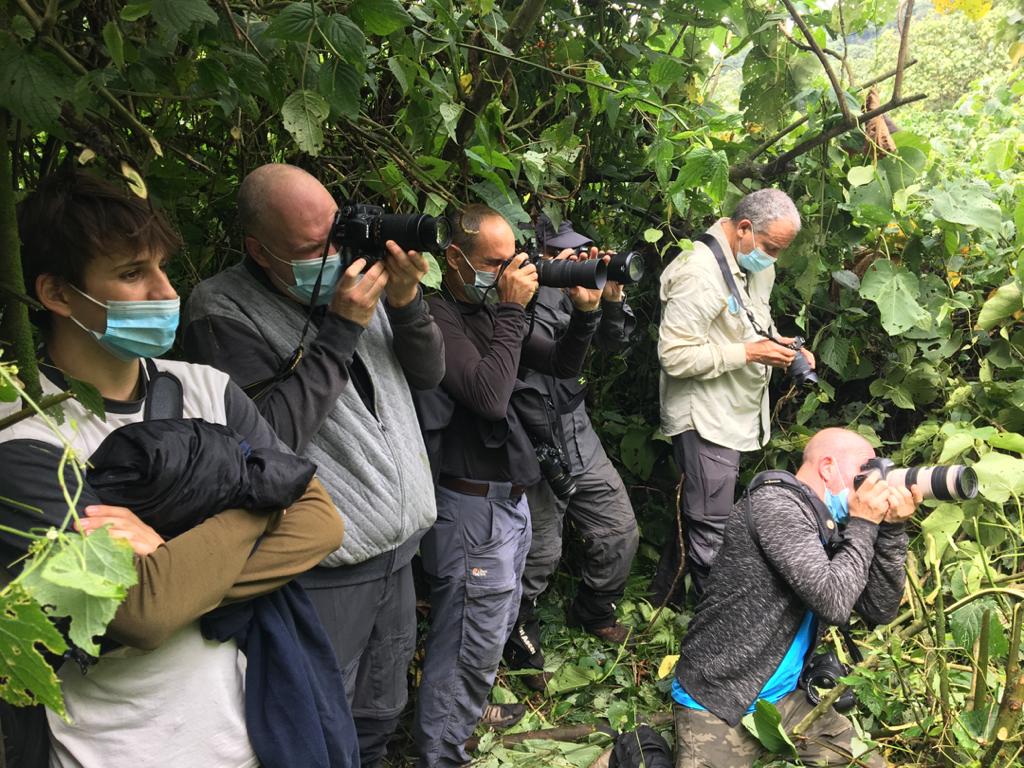
What Men Should Wear for Gorilla Trekking
Men should prioritize breathable, durable clothing with a relaxed but secure fit. Long-sleeve shirts protect arms during vegetation contact, while trekking trousers with reinforced knees add durability.
Belts should be lightweight and secure. Bulky items in pockets can become uncomfortable during climbs, so essential items should be carried in a daypack instead.
What Seniors Should Wear for Gorilla Trekking
For older travelers, comfort, stability, and temperature regulation are key. Layering allows easy adjustment without stopping frequently. Lightweight fleece layers provide warmth during cool mornings without adding bulk.
Footwear is particularly important. Boots should offer strong ankle support and cushioning to reduce joint strain. Trekking poles may be considered for added balance, and clothing should not restrict movement.
Simple, well-tested gear often performs better than new or experimental clothing choices.
What to Wear for Gorilla Trekking in the Rainy Season
During rainy months, clothing choices must account for persistent moisture and mud. Waterproof outer layers become essential, but breathability remains critical to avoid overheating.
Quick-dry fabrics reduce discomfort when rain is unavoidable. Extra socks and gaiters significantly improve comfort in muddy conditions. Avoid heavy clothing that becomes waterlogged.
Rainy season trekking is still rewarding, but clothing must work with the environment rather than against it.
What you wear for gorilla trekking should protect your body, regulate temperature, and adapt to rainforest conditions. Long sleeves and trousers provide essential protection, proper footwear ensures stability, and thoughtful accessories enhance comfort. Adjusting clothing choices based on gender, age, and season further improves the experience.
When clothing works as intended, trekkers can move confidently through the forest and focus fully on the rare privilege of observing gorillas in the wild.
Optional but Smart Items for Gorilla Trekking (Expert-Level Add-Ons)
Once the essentials are covered, experienced gorilla trekkers and local guides rely on a few additional items that quietly improve comfort and confidence inside the forest. These are not mandatory, but they often make the difference between a difficult trek and a smooth, enjoyable one. This section reflects field practice, not marketing lists.
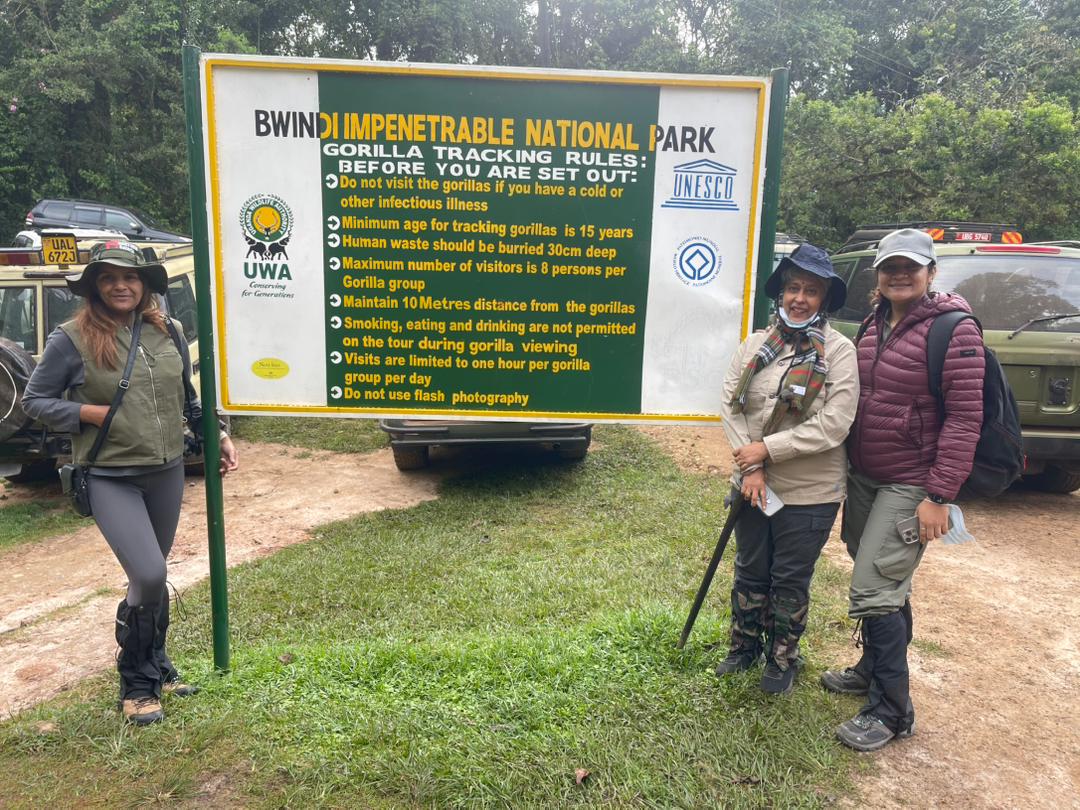

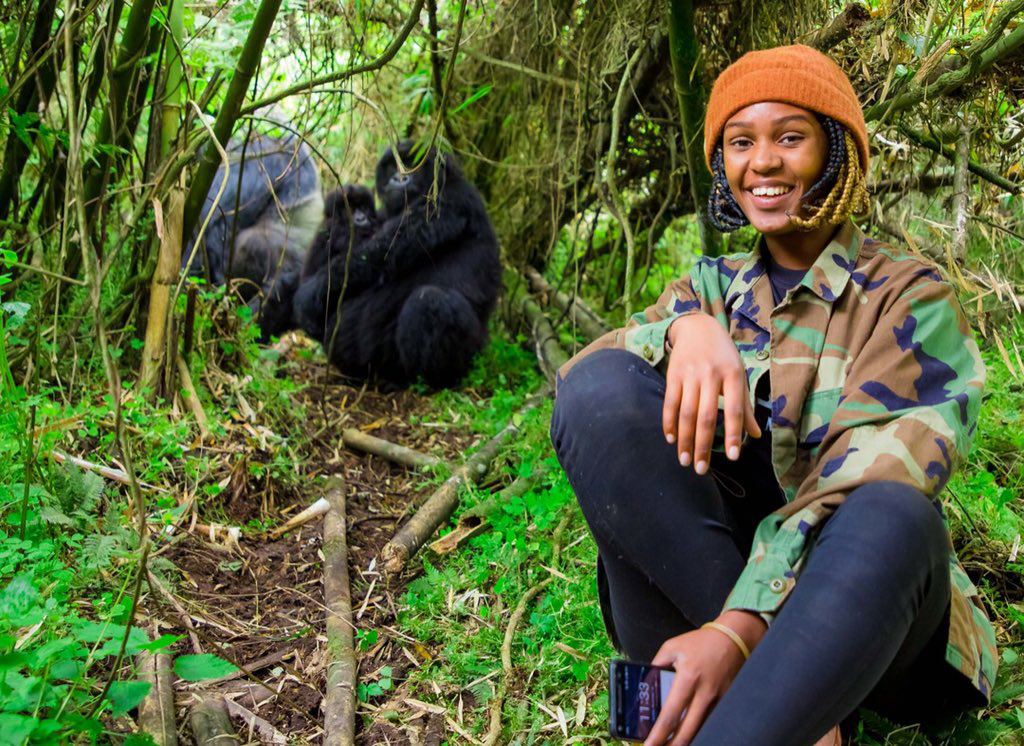
Gaiters: Why Local Guides Use Them Religiously
Gaiters are one of the most underestimated items in gorilla trekking, yet they are commonly worn by rangers and trackers. Their purpose is simple: to create a protective seal between trousers and boots.
Forest trails are muddy, narrow, and often overgrown. Without gaiters, mud, water, ants, and small insects easily enter boots, causing discomfort and distraction. Gaiters prevent this while also protecting lower legs from scratches and nettles.
They are especially useful in Bwindi Impenetrable National Park, where trails can become deeply muddy after rain. Lightweight, breathable gaiters are sufficient; heavy mountaineering versions are unnecessary. Travelers who skip gaiters often wish they had them halfway through the trek.
Trekking Poles: Who Actually Needs Them (and Who Doesn’t)
Trekking poles are not essential for everyone, but for some trekkers they provide meaningful support. Poles help with balance on steep descents, reduce knee strain, and improve stability on slippery ground.
They are particularly useful for seniors, travelers with previous knee issues, or anyone who feels uncertain on uneven terrain. In muddy conditions, poles can prevent slips and reduce fatigue by distributing weight more evenly.
That said, trekking poles are optional. Many trekkers complete gorilla hikes comfortably without them, especially on shorter or moderate routes. For those unsure, poles can often be rented locally, making it unnecessary to travel with them.
Buffs and Insect Repellent: A Smarter Strategy
A lightweight buff or neck gaiter serves multiple purposes during gorilla trekking. It protects the neck from sun exposure, absorbs sweat, and can be pulled up over the mouth and nose when walking through dense vegetation or dusty sections.
Insect repellent should be used strategically rather than excessively. Applying repellent to exposed areas before entering the forest is sufficient. Strong scents should be avoided near gorillas, so repellent is best applied earlier rather than during the trek itself.
Using unscented or lightly scented repellents is preferred. This balances insect protection with wildlife etiquette.
Camera Protection: Beyond “Bring a Camera”
Many travelers bring cameras without planning how to protect them. Gorilla trekking environments are humid, muddy, and unpredictable. Sudden rain or mist can damage unprotected equipment.
Waterproof camera covers, dry bags, or rain sleeves are highly recommended. Even smartphones benefit from waterproof pouches. Lenses should be kept covered when not in use, and changing lenses inside the forest is discouraged due to moisture and dirt.
Photography is one of the highlights of gorilla trekking, but protecting equipment ensures that the moment is captured without stress or damage.
Optional items are not about excess; they are about refinement. Gaiters, trekking poles, smart insect strategies, and camera protection are tools used by experienced trekkers and guides because they address real challenges inside the forest. Including them in your packing plan reflects preparation, not overpacking.
What NOT to Pack for Gorilla Trekking (Trust Builder)
Knowing what not to pack is just as important as knowing what to bring. Overpacking or bringing inappropriate items can reduce comfort, slow progress, and even violate park regulations. This section builds trust by being honest and practical.
Why Bright Colors Are a Bad Idea
Bright clothing colors such as red, white, neon tones, or loud patterns are discouraged during gorilla trekking. While gorillas are generally calm, sudden or unusual visual stimuli can be disruptive.
Neutral colors help trekkers blend into the forest environment and align with ranger guidelines. Earth tones also hide mud and wear better throughout the trek. Wearing subtle colors demonstrates respect for wildlife protocols and improves photographic outcomes.
Why Strong Perfumes and Scents Are Discouraged
Strong perfumes, deodorants, or scented lotions should not be worn during gorilla trekking. Gorillas have a sensitive sense of smell, and unfamiliar scents can cause stress or behavioral changes.
Additionally, strong fragrances may attract insects or cause discomfort to fellow trekkers in close proximity. Unscented personal care products are always the better choice when entering sensitive wildlife habitats.
Why Heavy Backpacks Work Against You
Large backpacks are a common mistake. Gorilla trekking involves navigating narrow trails, steep slopes, and dense vegetation. Heavy packs throw off balance, increase fatigue, and make movement awkward.
Only essential items should be carried, and anything non-essential should be left behind or given to a porter. Smaller packs allow greater freedom of movement and reduce strain during long treks.
Why Drones Are Strictly Prohibited
Drones are not allowed in gorilla trekking parks under any circumstances. They pose a serious disturbance risk to wildlife, violate park regulations, and can result in fines or confiscation.
Gorilla trekking prioritizes minimal impact and quiet observation. Photography and filming must be done from ground level, following ranger instructions. Respecting this rule is non-negotiable.
Packing smartly is as much about restraint as it is about preparation. Avoiding bright colors, strong scents, heavy packs, and prohibited items ensures safety, comfort, and compliance with conservation rules. Travelers who pack thoughtfully enjoy smoother treks and demonstrate respect for both wildlife and local regulations.
Packing by Season & Country (Uganda vs Rwanda)
Packing for gorilla trekking should never be generic. Conditions vary significantly depending on when and where you trek. Travelers who pack with seasonality and country differences in mind are more comfortable, better prepared, and enjoy the trek far more than those following one-size-fits-all checklists.
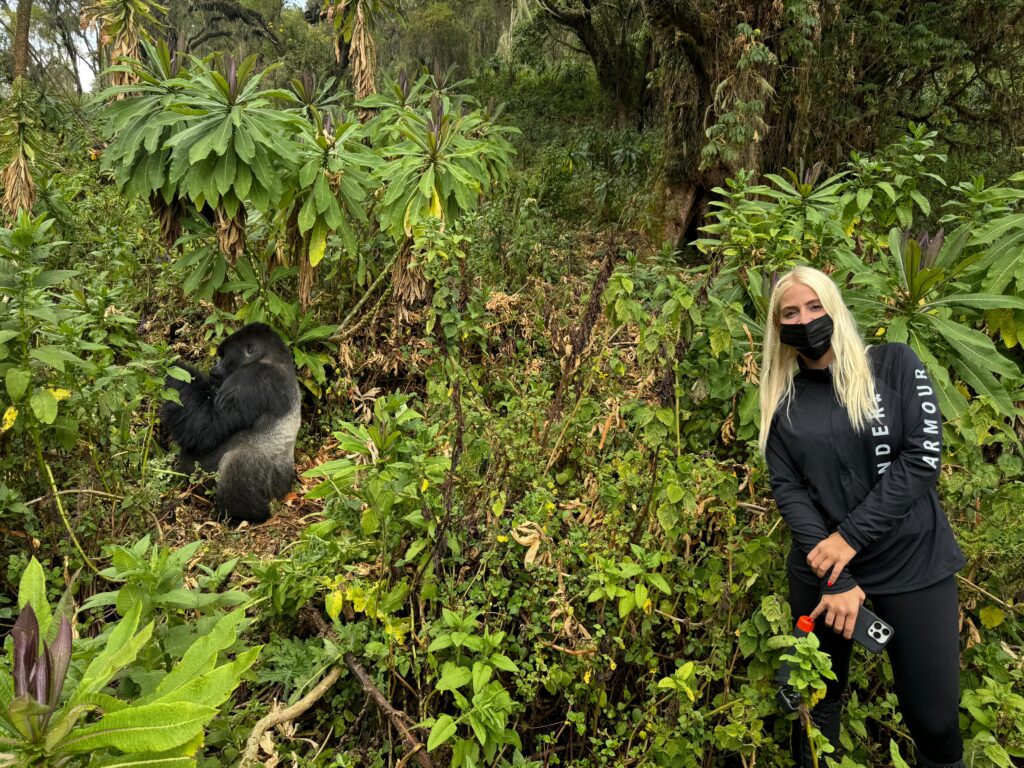
This section adapts packing advice based on season and destination, and it directly complements the guidance in our Best Time of Year for Gorilla Trekking guide.
Packing for Gorilla Trekking in Uganda’s Rainy Season
Uganda’s rainy seasons, typically from March to May and October to November, transform forest conditions in a way that directly affects packing priorities. Rainfall is frequent but rarely constant; however, trails become muddy, vegetation grows thicker, and humidity increases.
In these months, waterproofing becomes more important than minimalism. A reliable rain jacket is essential, and trousers should be quick-drying rather than heavy. Gaiters become extremely useful, as they prevent mud and water from entering boots and keep lower legs protected from nettles and insects.
Footwear choice is critical. Boots with strong tread and ankle support are non-negotiable during rainy months, as slippery slopes and soft ground increase the risk of falls. Extra socks should always be packed, as changing into dry socks after the trek significantly improves comfort.
Daypacks should have rain covers or be water-resistant. Electronics, including cameras and phones, should be protected with dry bags or waterproof sleeves. Uganda’s rainforest does not forgive unprotected gear during sudden downpours.
Despite the rain, gorilla trekking in Uganda during these months remains exceptional. Gorillas often stay at lower elevations where food is abundant, which can shorten trekking distances. Packing correctly allows travelers to enjoy these quieter, greener months without discomfort.
Packing Adjustments for Gorilla Trekking in Rwanda’s Dry Season
Rwanda’s dry seasons, particularly from June to September and January to February, offer firmer trails and more predictable weather, but packing should still reflect forest realities. Dry does not mean dust-free or rain-free, especially at altitude.
In Rwanda’s Volcanoes National Park, mornings can be cool, especially before sunrise briefings. Layering becomes important, with a light fleece or thermal layer recommended for early starts. As the day warms, layers can be removed and stored in a daypack.
While rain is less frequent, a lightweight rain jacket should still be carried. Forest microclimates can produce mist or brief showers even during dry months. Breathability remains important, as humidity persists inside the forest.
Footwear requirements are similar to Uganda, but trekking distances in Rwanda are often shorter due to terrain and park layout. This can allow slightly lighter boots, though ankle support is still recommended.
Because Rwanda’s treks are more time-efficient, some travelers are tempted to underpack. This often leads to discomfort when conditions change unexpectedly. Smart packing balances lightness with preparedness.
Terrain and Trek Duration: Uganda vs Rwanda
One of the most overlooked factors in packing is how terrain and trek duration differ between Uganda and Rwanda.
In Uganda, particularly in Bwindi Impenetrable National Park, treks can vary widely in length and difficulty. Some routes involve steep climbs and long distances, while others are shorter but still physically demanding due to dense vegetation. This variability requires flexible packing, with gear that supports both endurance and protection.
Rwanda’s treks, while still physically engaging, are generally more predictable in duration. Trails are often less dense, and access from Kigali is faster. This does not eliminate the need for proper gear, but it does influence how much weight trekkers should carry.
Understanding these differences allows travelers to fine-tune packing rather than overpacking or leaving out critical items.
Packing for gorilla trekking should always be adjusted for season and country. Uganda’s rainy seasons demand stronger waterproofing and mud management, while Rwanda’s dry seasons emphasize layering and breathability. Terrain differences influence footwear, pack weight, and comfort strategies.
Travelers who pack with these nuances in mind experience smoother, more enjoyable treks regardless of conditions.
Gorilla Trekking Packing FAQs (Expert Answers)
Do I Need Hiking Boots for Gorilla Trekking?
Yes. Hiking boots with good grip and ankle support are strongly recommended. Forest terrain is uneven, muddy, and steep in places. Footwear without support increases the risk of slips and fatigue.
Can I Rent Gorilla Trekking Gear Locally?
Some items, such as walking sticks and occasionally gaiters, can be rented near trekking points. However, personal items like boots, clothing, and rain gear should be brought from home to ensure proper fit and comfort.
What Happens If It Rains During the Trek?
Trekking continues in rain. Rangers are trained to operate in wet conditions, and gorilla movements are not affected by rainfall. Proper rain gear ensures comfort, but rain does not reduce the quality of the experience.
How Cold Does It Get During Gorilla Trekking?
Early mornings can be cool, especially at higher elevations. Temperatures warm up quickly once trekking begins, but light layers are recommended for comfort at the start of the day.
Can Porters Help Carry My Gear?
Yes. Hiring a porter is highly recommended. Porters help carry daypacks, assist on steep sections, and support local communities. This allows trekkers to focus on the experience rather than physical strain.
Most packing concerns come down to comfort, preparedness, and realistic expectations. With the right gear and support, gorilla trekking is accessible to a wide range of travelers, regardless of season or destination.
Plan Your Gorilla Trekking with Local Experts
Packing correctly can make the difference between a challenging hike and an unforgettable experience. Conditions vary by season, park, and trekking sector, and generic packing lists rarely account for these differences.
Let our local specialists advise you on exactly what to pack based on your travel dates, fitness level, and trekking sector.
We help travelers prepare confidently, avoid common mistakes, and enjoy gorilla trekking at its very best.