
What Happens If You Don’t Find the Gorillas? (Honest Guide)
Do Gorilla Treks Ever Fail?
One of the most common fears travelers have before booking a gorilla trek is simple and understandable: what if we don’t find the gorillas?
This concern often comes from comparing gorilla trekking to general wildlife safaris, where animal sightings can never be guaranteed. Gorilla trekking, however, operates very differently.
The honest answer is that gorilla treks very rarely fail. In fact, gorilla trekking has one of the highest wildlife encounter success rates in the world, consistently well above 95% across Uganda and Rwanda. For most travelers, the question is not whether they will see gorillas, but how long it will take to reach them on the day of the trek.
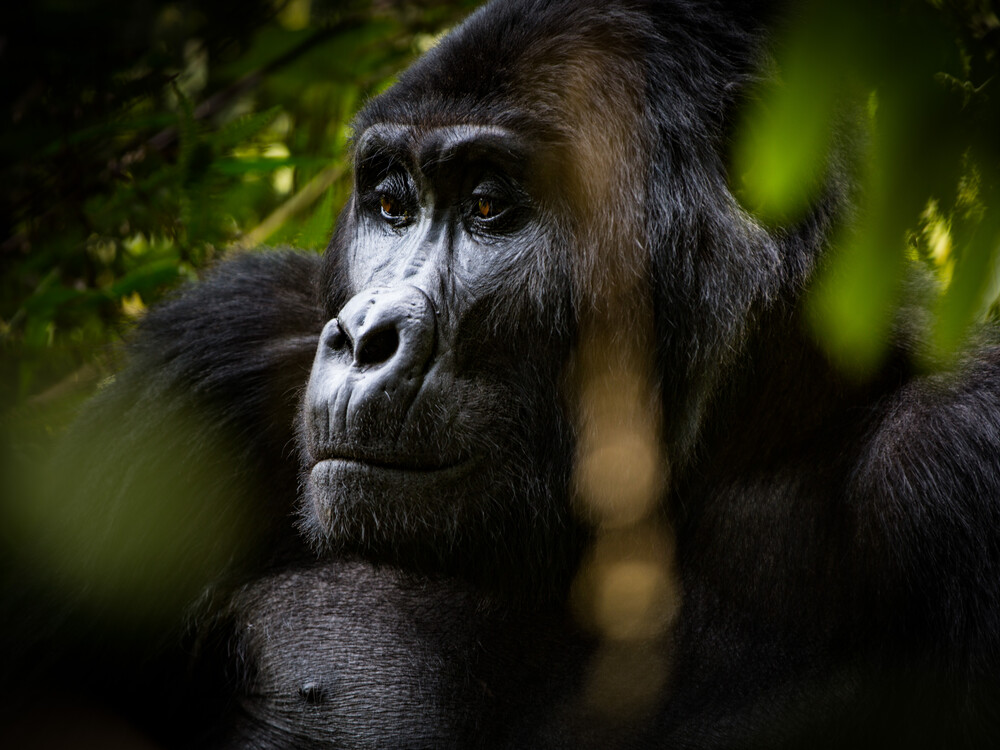
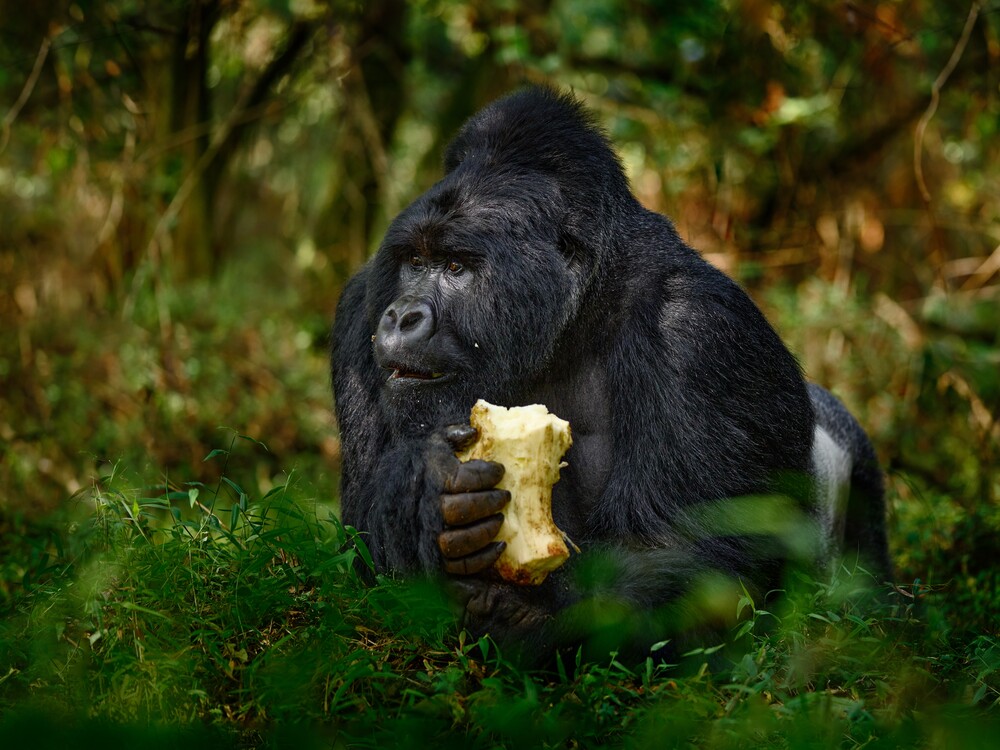
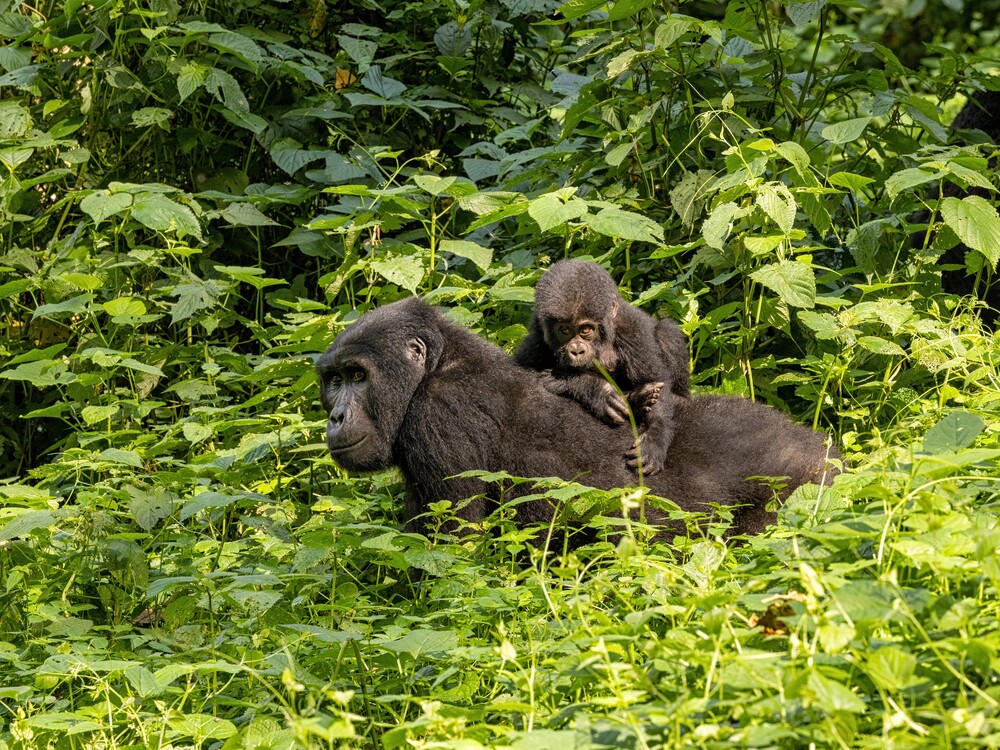
The idea of a “failed” gorilla trek is usually based on misunderstanding rather than reality. Unlike open savannah wildlife viewing, gorilla trekking focuses on habituated gorilla families whose movements are known, tracked, and managed daily by professional teams. These gorillas are not randomly roaming animals that may or may not appear; they are closely monitored groups living within defined home ranges.
When people hear stories about not finding gorillas, those stories almost always involve delays, longer hikes, or route changes, not a complete absence of gorilla sightings. True non-encounters are exceptionally rare, and when they do occur, they are typically linked to extraordinary circumstances such as severe weather events or temporary park safety closures.
Understanding this context immediately reduces panic. Gorilla trekking is not a gamble. It is a carefully coordinated conservation activity with systems in place specifically to ensure successful encounters while protecting the gorillas themselves.
How Gorilla Tracking Actually Works (Authority Section)
To understand why gorilla trekking success rates are so high, it is essential to understand how gorilla tracking actually works. This is the part most competitors skip or oversimplify, yet it is the foundation of the entire experience.
Habituated Gorilla Families Are Monitored Daily
Gorilla trekking does not involve searching for unknown animals. Only habituated gorilla families, groups accustomed to human presence under strict guidelines, are visited by trekkers. These families have been studied for years, sometimes decades, and their behavior, structure, and general movement patterns are well understood.
Each habituated family occupies a known home range within protected forest boundaries. While gorillas move daily in search of food, they do not disappear randomly or migrate unpredictably. Their movements are gradual, logical, and trackable.
In parks such as Bwindi Impenetrable National Park and Volcanoes National Park, this monitoring is continuous and systematic.
Trackers Locate Gorillas Before Trekkers Arrive
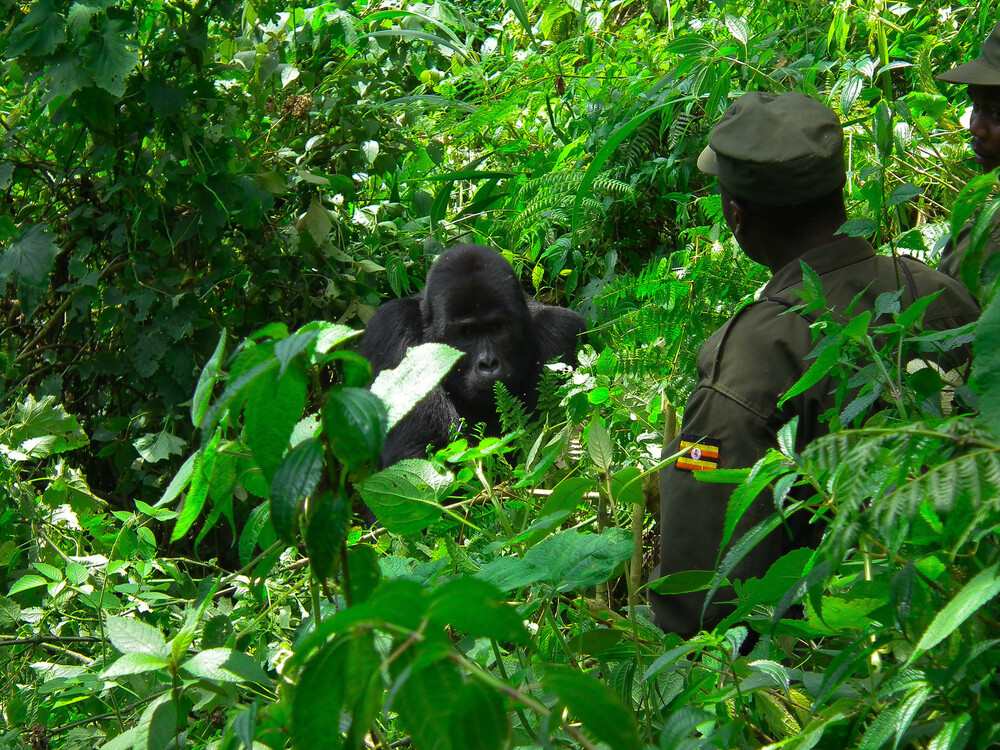
One of the most important facts travelers often don’t realize is this: trackers go into the forest before trekkers do.
Very early in the morning often before sunrise professional trackers enter the forest to locate the gorilla families assigned for that day. These trackers are not guessing. They follow physical signs such as:
- Fresh nests built the previous night
- Broken vegetation and feeding trails
- Footprints and dung
Gorillas build new nests every evening. By locating these nesting sites, trackers know where the gorillas slept and can determine their likely direction of movement at first light.
Night Nesting Locations Are the Starting Point
Every gorilla family constructs nests at night. These nests provide a reliable reference point for tracking the following morning. Trackers note:
- Exact nest locations
- Number of nests (confirming group size)
- Age of nests (freshness)
From this information, trackers can estimate how far the gorillas are likely to travel that morning and in which direction. This dramatically narrows the search area long before trekkers even arrive at the park headquarters.
Morning Movement Tracking Happens in Real Time
Gorillas typically begin moving slowly after leaving their nests, feeding as they go. Trackers follow this movement in real time, updating ranger teams as conditions change. This means trekking routes are not fixed; they are adjusted dynamically based on live information.
If a gorilla family moves deeper into the forest or changes direction, trackers adapt immediately. This flexibility is a major reason why gorilla treks remain successful even when conditions are challenging.
Radio Communication Between Trackers and Rangers
Constant radio communication connects trackers inside the forest with rangers at park headquarters and on trekking routes. This communication allows ranger teams to:
- Adjust starting points
- Change trekking direction
- Pace groups appropriately
- Avoid unnecessary distance or difficult terrain
Trekkers are never sent blindly into the forest. Every movement is guided by information coming directly from trackers who are already close to the gorillas.
This system habituation, early tracking, nest identification, live movement monitoring, and radio coordination, is why gorilla trekking success rates are consistently high and why “not finding gorillas” is so uncommon.
What “Not Finding the Gorillas” Really Means (Critical Clarity)
When travelers hear the phrase “not finding the gorillas”, it often triggers images of an entire day spent walking through the forest with nothing to show for it. In reality, that is almost never what it means.
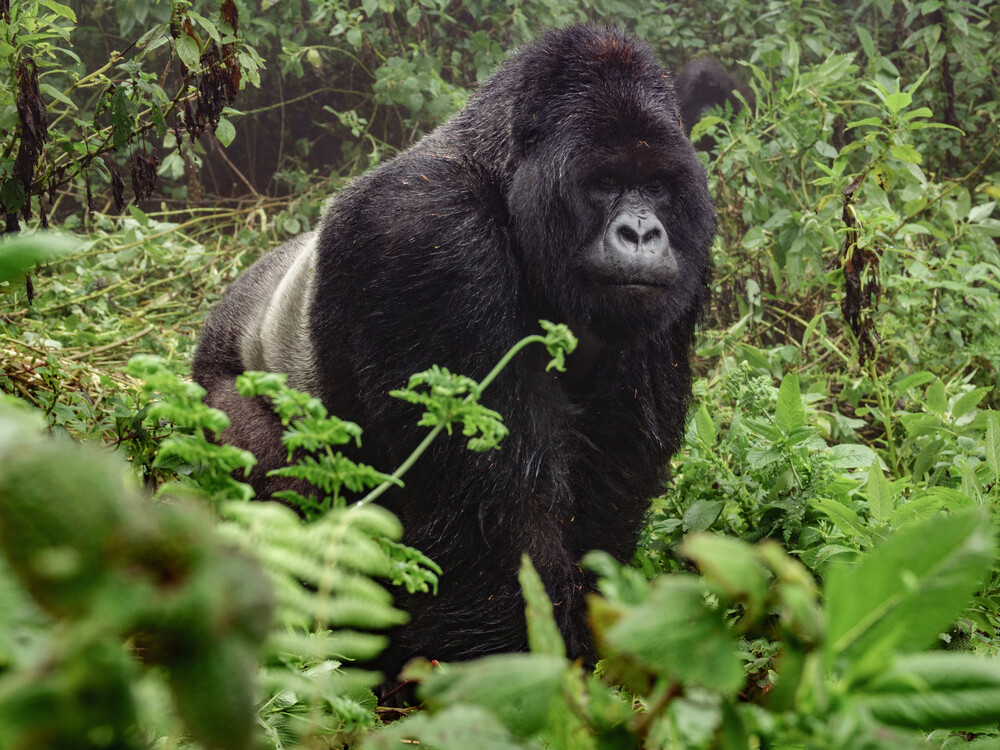
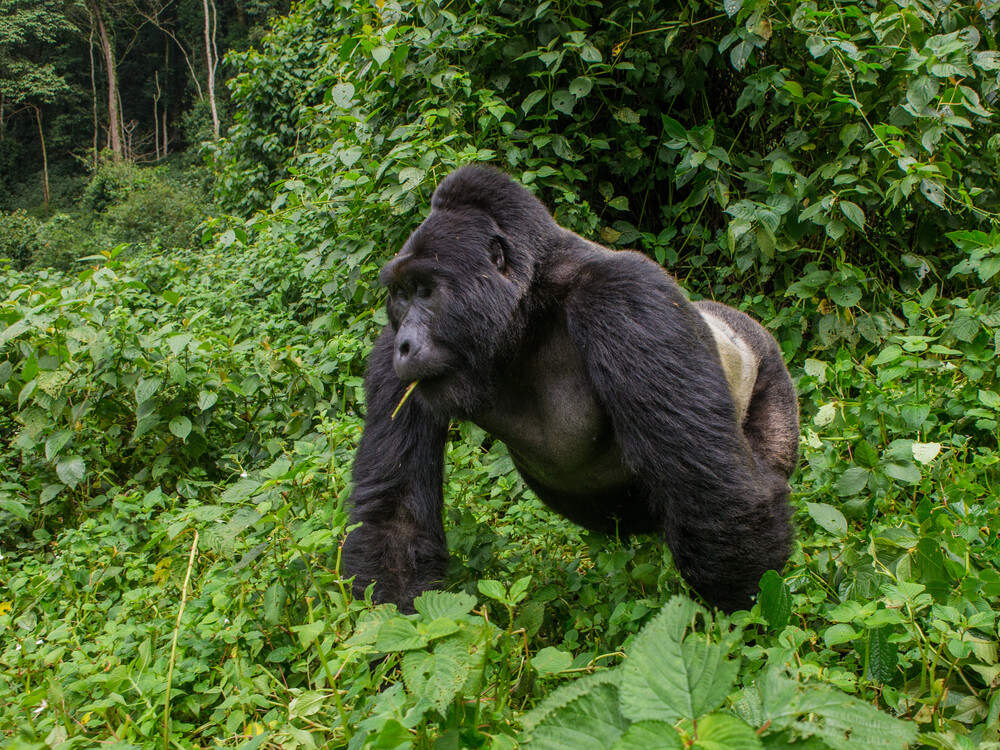
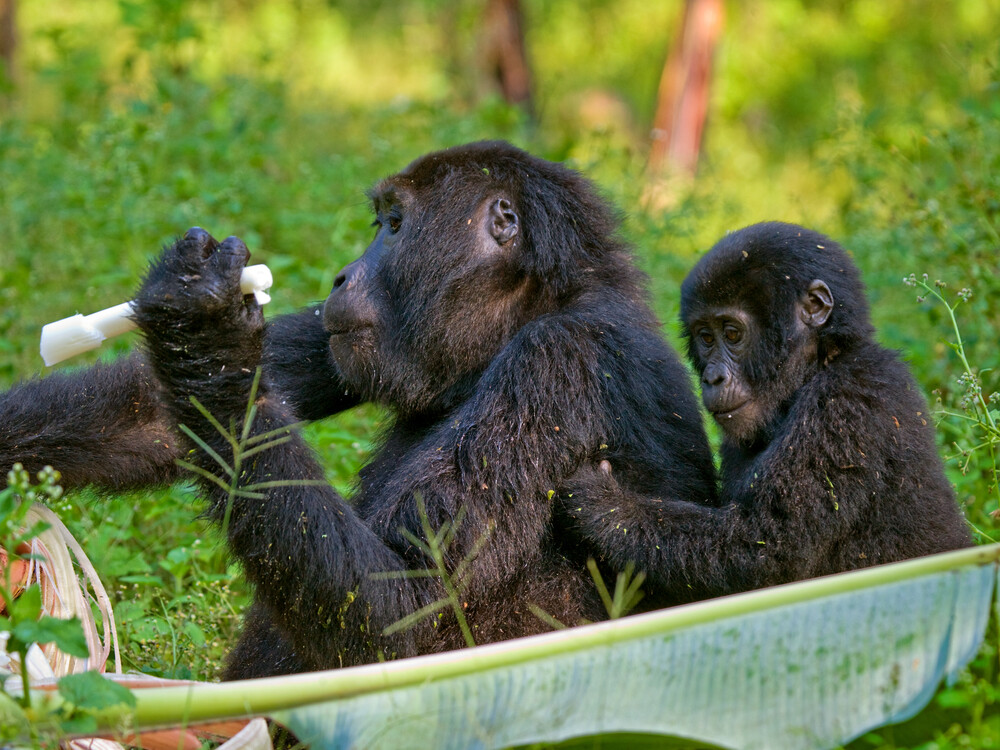
In practical terms, “not finding the gorillas” usually means one of the following scenarios not a complete failure.
A Longer Trek Than Expected
Sometimes gorillas move farther than anticipated during the early morning hours. When this happens, the trek simply takes longer. The route may involve additional distance or elevation, but the gorillas are still being followed and located.
For travelers, this means patience rather than disappointment.
A Change of Direction
Gorillas may suddenly change direction while feeding. When trackers detect this, ranger teams adjust the trekking route accordingly. Groups may pause, turn back, or follow a new path. This can feel like uncertainty, but it is actually a sign that tracking is working as intended.
A Waiting Period While Trackers Re-Locate the Family
In rare moments, trackers may temporarily lose visual contact with a gorilla family due to dense vegetation or terrain. When this happens, trekking groups may wait while trackers re-establish location. This waiting period is part of responsible wildlife management, not a sign of failure.
Gorillas Moved Unexpectedly but Are Still Within Range
Occasionally, gorillas move into less accessible areas overnight. Even then, trackers usually relocate them within the same day. The experience may involve more effort, but it does not mean the trek has failed.
The Most Important Reframe
Not finding gorillas immediately does not mean the trek has failed.
It means the process is unfolding as nature dictates. Gorilla trekking is adaptive, not scripted. The systems in place are designed to respond to movement, not to give up when conditions change.
For travelers, this understanding transforms anxiety into realistic expectation. Delays and adjustments are part of the experience not indicators of disappointment.
What Happens on the Day If Gorillas Are Not Immediately Found
This is the moment most travelers worry about: you’ve started trekking, time has passed, and the gorillas are not yet in sight. What happens next is not confusion or failure, but a clearly defined, professional process that unfolds step by step.
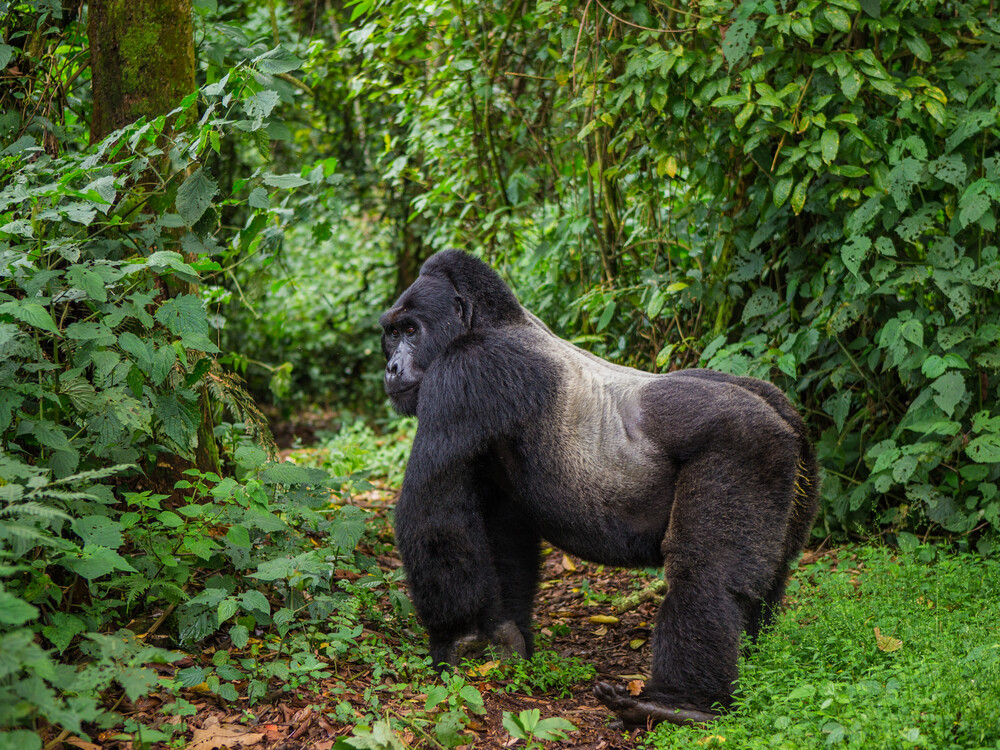
Trackers Adjust Direction in Real Time
If gorillas move unexpectedly, trackers inside the forest update their location continuously. Because gorillas are followed from early morning, these updates are based on live information, not guesswork. When movement patterns change, trackers simply adjust direction and communicate new coordinates to ranger teams guiding trekkers.
This adjustment is normal. It does not signal a problem, it signals that tracking is working as intended.
Rangers Slow the Pace or Re-Route the Group
Once updated information is received, rangers adapt the trekking plan. This may involve slowing the pace to conserve energy, choosing a different approach route, or avoiding terrain that has become less suitable due to weather or movement.
Trekkers are never rushed to “catch up” with gorillas. Pacing is deliberately conservative to protect both visitors and the animals.
Groups Wait While Trackers Re-Locate the Family
In some cases, trekking groups may stop and wait while trackers re-establish precise gorilla location. These waiting periods are usually short, but they are an important part of responsible wildlife management.
Waiting allows trackers to confirm that the gorillas are settled and calm before groups approach, reducing stress and ensuring a better viewing experience once contact is made.
Alternative Gorilla Families Are Considered (Where Applicable)
In parks with multiple habituated families, rangers may assess whether an alternative family offers a more suitable encounter on that day. This option depends on availability, distance, conservation limits, and group assignments already in place.
It’s important to understand that this is not always possible, but the option exists in some situations and adds an extra layer of flexibility, especially in larger parks.
Safety and Conservation Always Remain the Priority
At every step, decisions are guided by two principles: human safety and gorilla welfare. If conditions become unsafe due to weather, terrain, or gorilla behavior, trekking plans are adjusted accordingly.
This does not mean the experience is abandoned lightly. It means the system prioritizes long-term conservation and responsible tourism over short-term pressure to “deliver a sighting.”
For travelers, this real-time process should be reassuring. There is no moment where a trek simply “fails” without explanation. Adjustments are ongoing until a safe, ethical outcome is achieved.
Refunds, Rescheduling & Permit Rules Explained
This is the section many websites avoid or oversimplify. Transparency here is essential, because misunderstanding permit rules is one of the biggest sources of disappointment in gorilla trekking.
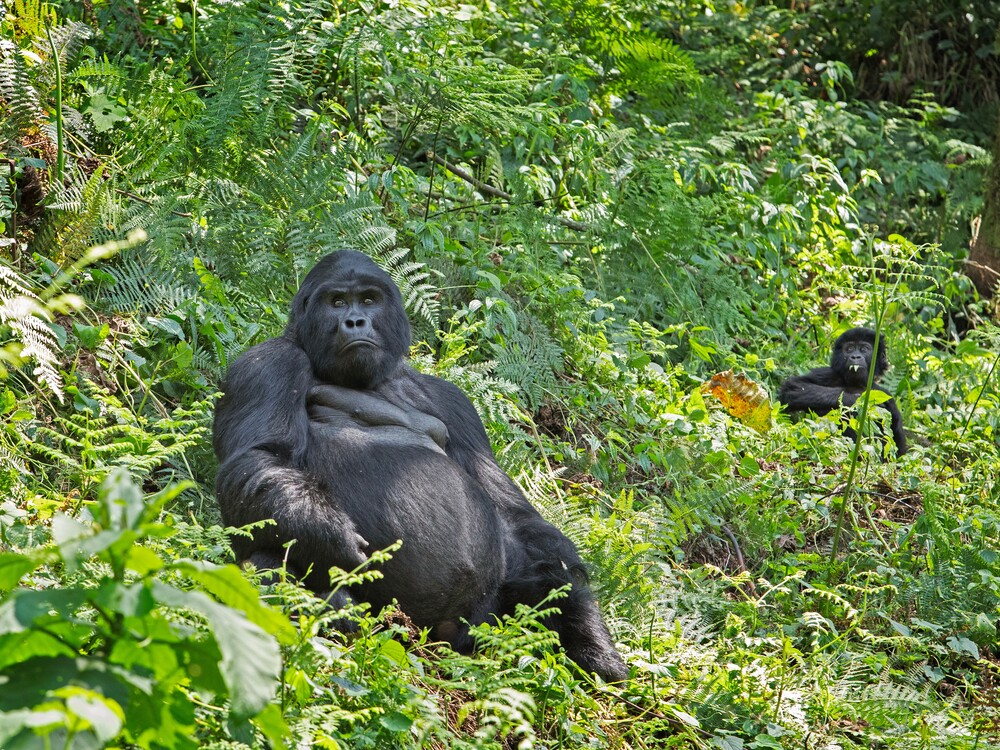
Gorilla Permits Are Conservation Permits — Not Sighting Guarantees
Gorilla trekking permits are issued primarily to fund conservation, ranger salaries, community programs, and habitat protection. They are not sold as wildlife sighting guarantees in the commercial sense.
This means that a permit grants the opportunity to participate in a guided gorilla trek, not a contractual promise of a specific outcome. This distinction is fundamental to understanding refunds and rescheduling.
Permit rules are governed by national authorities, including Uganda Wildlife Authority and Rwanda Development Board.
Refunds Are Not Automatic
If gorillas are not encountered for reasons beyond human control, refunds are not automatically issued. This is because permit fees support conservation regardless of daily outcomes.
This policy is not designed to disadvantage travelers, but to ensure that conservation funding remains stable and that gorilla protection is not dependent on chance sightings.
When Rescheduling May Be Possible
In rare situations, authorities may allow a trek to be rescheduled, especially if:
- Trekking was halted due to official park safety concerns
- Severe weather made continuation impossible
- Rangers determined that proceeding would risk gorilla welfare
Rescheduling is handled case by case and depends on permit availability and park discretion.
When Partial Refunds May Apply (Rare Cases)
Partial refunds are extremely uncommon but may be considered under exceptional circumstances, such as:
- Official park closure after trekking has begun
- Security or safety incidents unrelated to gorilla movement
These decisions rest entirely with the authorities and are not guaranteed.
Force Majeure Scenarios
Force majeure events such as sudden park closures, natural disasters, or serious medical emergencies are treated separately from normal trekking outcomes. In these cases, authorities may offer rescheduling options or special considerations.
Understanding these rules before trekking eliminates shock or frustration later. Transparency here builds trust, and trust leads to confident bookings.
Uganda vs Rwanda – Success Rates & Differences
Travelers often ask whether choosing Uganda or Rwanda affects their chances of seeing gorillas. The answer lies not in success versus failure, but in how each destination manages flexibility and logistics.
Uganda: More Families, More Flexibility
Uganda has a larger number of habituated gorilla families spread across multiple sectors, particularly in Bwindi Impenetrable National Park. This scale creates flexibility.
If gorillas move farther than expected or conditions change, rangers often have more options to adapt routes or assignments. This flexibility can result in longer treks, but it also increases the system’s ability to respond dynamically.
Uganda’s overall success rate remains extremely high, with the added advantage of adaptability.
Rwanda: Tighter Control, Shorter Distances
Rwanda’s gorilla trekking takes place exclusively in Volcanoes National Park, which has fewer habituated families and a more compact layout.
Treks are often shorter in distance, and logistics are tightly controlled. While this efficiency appeals to many travelers, fewer families also mean fewer alternative options if gorillas move unexpectedly.
Rwanda still maintains an excellent success rate, but with less room for adjustment compared to Uganda.
Which Has the Higher Success Rate?
In practice, both Uganda and Rwanda maintain success rates well above 95%. The difference lies in how each destination handles variation:
- Uganda emphasizes flexibility and adaptability
- Rwanda emphasizes control and efficiency
This distinction is why searches like “Uganda vs Rwanda gorilla trekking success rate” often conclude that both are reliable, but suit different traveler preferences.
Rare Scenarios Where Gorillas Are Truly Not Found
True non-encounters during gorilla trekking are exceptionally rare, but honesty requires acknowledging that they can happen under very specific conditions. Importantly, these scenarios are outliers, not indicators of an unreliable system. Understanding them helps travelers set realistic expectations without fear.
Severe Weather Events
Extreme weather can occasionally interrupt a trek. Torrential rain, lightning storms, or sudden flooding may make forest routes unsafe for both trekkers and gorillas. In such cases, rangers may halt or postpone trekking to avoid injury or unnecessary stress to the animals. These decisions are made conservatively and infrequently, typically during abnormal weather events rather than routine rain.
Sudden Gorilla Movement Across Boundaries
Gorillas sometimes move in ways that place them temporarily beyond accessible trekking zones or into areas where visitor presence is restricted for conservation reasons. When this happens, trackers may determine that continuing would either take too long or risk disturbing the gorillas. This scenario is uncommon and usually resolved quickly as gorillas return to typical ranges.
Medical Emergencies
If a medical emergency occurs involving a trekker such as acute illness, injury, or severe fatigue rangers may suspend the trek to prioritize care and evacuation. In these situations, the goal shifts from completion to safety. While disappointing, this outcome reflects responsible management rather than system failure.
Park Safety Closures
On very rare occasions, parks may temporarily close trekking activities due to external safety concerns, such as fallen trees blocking access routes or security advisories. These closures are precautionary and short-lived. When they occur, they affect all trekking groups equally and are communicated transparently.
Key context: these scenarios are rare, carefully managed, and driven by safety or conservation not by lack of tracking capability. Acknowledging them builds trust because it shows the system values responsibility over pressure to deliver at any cost.
Common Myths & Misconceptions (Myth-Busting for Trust)
Misinformation fuels anxiety. Clearing these myths not only reassures travelers but also earns credibility and backlinks from research-driven content.
Myth: “You might not see gorillas at all”
Reality: Gorilla trekking has one of the highest wildlife encounter success rates globally, consistently above 95%. Gorillas are tracked daily, not searched for randomly. Non-encounters are extraordinary exceptions, not normal outcomes.
Myth: “Gorilla treks often fail”
Reality: Treks do not “fail” in the way safaris sometimes do. Delays, longer walks, or route changes are part of adaptive tracking not failure. The system is designed to respond to movement, not abandon the search.
Myth: “Operators hide failed treks”
Reality: Trekking outcomes are governed by park authorities and ranger reports, not by tour operators. Any disruption or suspension is recorded and communicated. Transparency is built into the process through ranger oversight and daily briefings.
Myth: “Permits guarantee sightings”
Reality: Permits grant access to participate in a conservation-managed trek. They do not function as sighting guarantees. This distinction exists to protect gorillas and maintain ethical tourism funding regardless of daily variability.
FAQs (Featured Snippet Targets)
Has anyone ever not seen gorillas?
Yes, but it is extremely rare. In most reported cases, non-encounters occurred due to exceptional circumstances such as severe weather, medical emergencies, or sudden safety closures rather than tracking failure. The overwhelming majority of trekkers do see gorillas, often after route adjustments or longer walks. Understanding this context helps travelers see that a non-encounter is an anomaly within a system designed for success.
What is the gorilla trekking success rate?
Across Uganda and Rwanda, the gorilla trekking success rate is well above 95%. This high rate is possible because only habituated gorilla families are visited and because trackers locate gorillas before trekkers depart. While timing and distance can vary, complete non-encounters are rare outliers rather than routine risks.
Will I get a refund if gorillas aren’t found?
Refunds are not automatic because permits are conservation permits that fund protection, ranger salaries, and community programs regardless of daily outcomes. In exceptional cases such as official park closures authorities may allow rescheduling or special consideration. These decisions are made by national bodies like Uganda Wildlife Authority and Rwanda Development Board, not by tour operators.
Can I trek again the next day?
In rare situations where a trek is suspended for safety or conservation reasons, authorities may allow a rescheduled trek if permits are available. This is handled case by case and depends on park discretion and capacity. While not guaranteed, the option exists precisely because authorities prioritize fairness and responsible outcomes.
Do trackers know where the gorillas are?
Yes. Trackers monitor gorilla families daily, beginning before dawn. They use night nesting sites, fresh signs, and real-time movement to guide ranger teams via radio communication. While gorillas are wild and mobile, trackers maintain continuous situational awareness, which is why success rates remain consistently high.
Expert Reassurance | What This Means for Your Gorilla Trek
By this point, one thing should be clear: gorilla trekking is not a game of chance. It is a carefully managed conservation activity built around daily tracking, real-time decision-making, and ranger oversight. While gorillas are wild animals, the systems in place are designed to make successful encounters the norm not the exception.
The difference between anxiety and confidence often comes down to planning.
Experienced local specialists understand how tracking data, seasonal movement patterns, park logistics, and group dynamics come together on trekking day. They know when longer treks are likely, when routes are more predictable, and how ranger coordination affects outcomes. Most importantly, they understand how to set expectations honestly without exaggeration or fear.
At Jovana Gorilla Safaris and Nextgen Safaris, gorilla treks are planned around real conditions, not assumptions. That means aligning travel dates with movement patterns, preparing travelers for realistic scenarios, and coordinating with park teams so that each trek begins with clarity rather than uncertainty.
There are no guarantees in wildlife but there is preparation, transparency, and experience. And those elements dramatically increase the likelihood that your trek unfolds exactly as it should: calmly, ethically and successfully.
Our local specialists plan gorilla treks around real tracking data, seasonal movement patterns, and park logistics ensuring the highest possible chance of successful encounters while respecting conservation rules.
No pressure. No false promises. Just informed planning, grounded in how gorilla trekking actually works.