
Silverback Leadership Styles (Gentle vs Aggressive?)
Mountain gorillas live in tightly knit families governed by complex relationships, emotional bonds, and a leadership model that is both ancient and sophisticated. At the heart of every gorilla family in Bwindi Impenetrable National Park, Mgahinga Gorilla National Park, and Volcanoes National Park (Rwanda) stands the silverback, the dominant adult male responsible for protection, peace, discipline and group harmony.

But silverbacks are not all the same. They lead with different personalities, temperaments and strategies that dramatically shape the behaviour of their families. Some silverbacks rule with calm confidence, rarely displaying aggression. Others rely on assertive dominance and forceful displays to maintain control. Both leadership styles, gentle and aggressive are effective in their own ecological and social contexts.
Understanding the contrasts between gentle and aggressive silverbacks reveals the emotional richness of gorilla society and helps trekkers appreciate the diverse personalities they may encounter in the forests of Uganda and Rwanda.
This comprehensive guide explores the full spectrum of silverback leadership styles, the advantages and consequences of each, how silverbacks acquire their leadership roles, and how their behaviour affects the entire family structure.
What Defines a Silverback Leader?
A silverback is not simply the biggest male in the family. Silverback leadership is earned through strength, intelligence, emotional awareness, and social skill. He is responsible for:
- protecting family members
- deciding daily travel routes
- choosing feeding zones
- resolving conflicts
- maintaining discipline
- coordinating group movement
- safeguarding infants
- managing relations with neighbouring families
Leadership style influences every aspect of gorilla life from feeding patterns to family stability, emotional atmosphere, and even the future survival of infants.
Gorilla families mirror human societies in the sense that leadership style profoundly shapes daily life.
The Two Main Silverback Leadership Styles
Although every silverback has a unique personality, researchers generally categorize silverback leadership into two primary types: gentle (non-aggressive) and aggressive (dominance-focused). Most silverbacks fall somewhere between the two extremes, blending traits depending on age, experience, and group context.
Gentle leaders are calm, peaceful, emotionally aware, and nurturing. They prioritize stability and cooperation.
Aggressive leaders are forceful, dominant, highly assertive and quick to display power. They prioritize control and deterrence.
Both styles can be successful depending on the environment, family composition, and challenges faced from rival males.
Gentle Silverbacks – The Peaceful Guardians
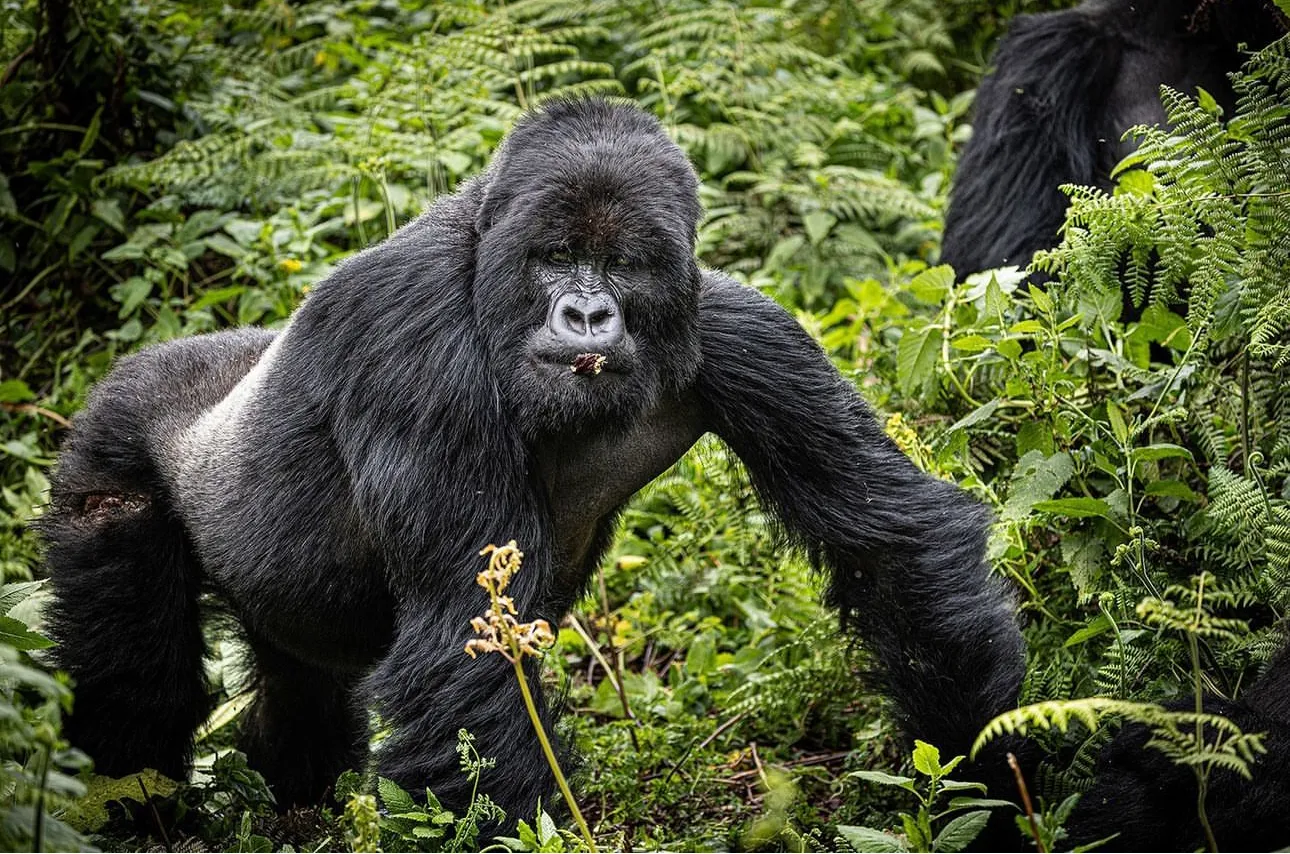
Gentle silverbacks lead through calm presence rather than physical intimidation. They rely on emotional intelligence, quiet strength, and steady authority to keep their families safe and cohesive.
Gentle silverbacks are often described by trackers as patient, thoughtful, tolerant, and reassuring. They resolve disputes with subtle cues rather than dramatic aggression. Their group members appear relaxed around them, especially infants and juveniles.
Gentle leaders encourage social cohesion. They tolerate infants playing on them, allow juveniles to climb their arms, and often lie close to the group during resting periods. Their vocal cues tend to be soft and rhythmic, designed to calm rather than intimidate.
Gentle leadership does not mean weakness. These silverbacks can be fiercely protective when the family is threatened. But they save their aggression for genuine danger, rarely wasting energy on unnecessary displays.
Aggressive Silverbacks – The Dominance Enforcers
Aggressive silverbacks are characterized by forceful displays, territorial behaviour, and a leadership style rooted in intimidation. They use chest beating, charging, branch breaking, vocal roars, and physical displays to demonstrate their authority.
In Rwanda’s Volcanoes NP or Uganda’s Rushaga region, some aggressive silverbacks are known for dramatic displays when rival groups approach. These males assert control with thunderous chest beats or powerful strides through the vegetation.
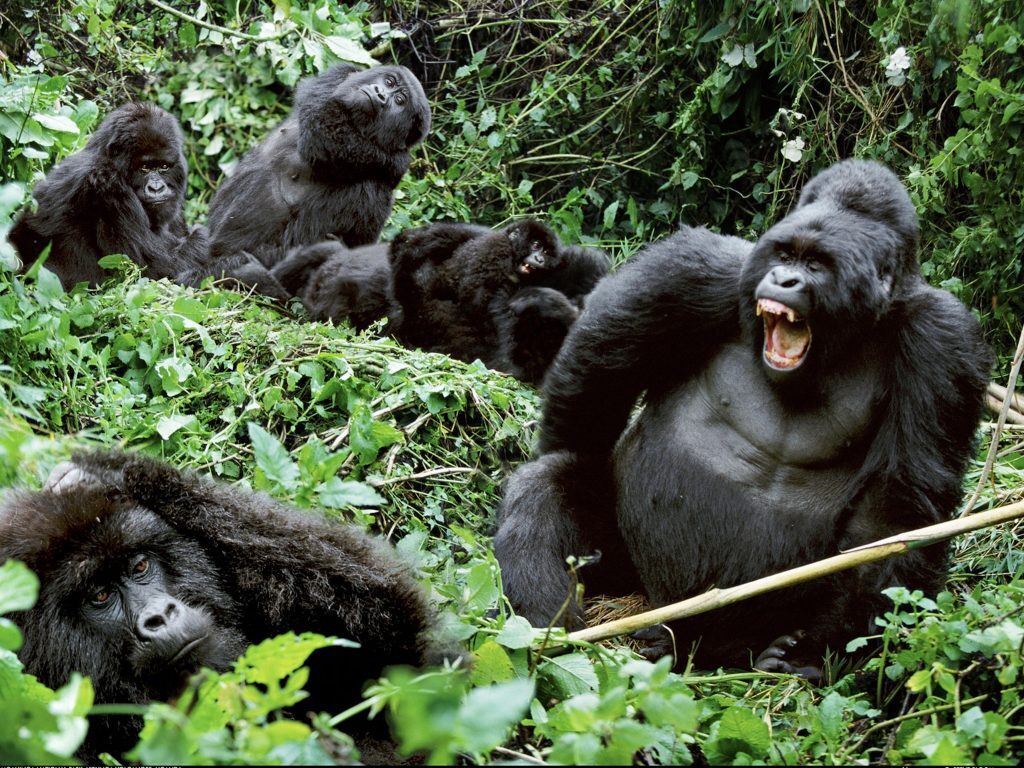
Aggressive leadership can be highly effective in regions with high silverback competition. These leaders deter rival males quickly, preventing takeovers and protecting infants from infanticide, one of the greatest risks for gorilla families.
However, aggressive silverbacks may be less tolerant of juveniles and more demanding of group order. Their families often show more submissive behaviour, with lower-ranking members maintaining more distance.
This style is not “bad,” but it is shaped by survival instincts and ecological pressures.
What Causes a Silverback to Become Gentle or Aggressive?
Silverback temperament develops over many years and is influenced by:
Genetics
Some males inherit naturally calm dispositions; others inherit bold, assertive temperaments.
Early Life Experience
Males raised under gentle silverbacks often adopt more peaceful leadership behaviours. Those raised under aggressive males sometimes mimic the dominance strategies they observed.
Family Composition
Larger families with multiple adult females may encourage calm leadership because frequent aggression can destabilize the group.
Small families with external competition may push silverbacks toward aggressive leadership to protect the group.
Environmental Pressure
In areas where rival males frequently appear, aggressive leadership becomes an adaptive strategy.
Gentle silverbacks may thrive in stable regions with less male competition.
Age and Maturity
Young silverbacks tend to be more aggressive, asserting dominance to secure their first family. Older silverbacks often become gentler as confidence grows and family stability increases.
Leadership style is therefore a blend of nature, nurture, and environmental context.
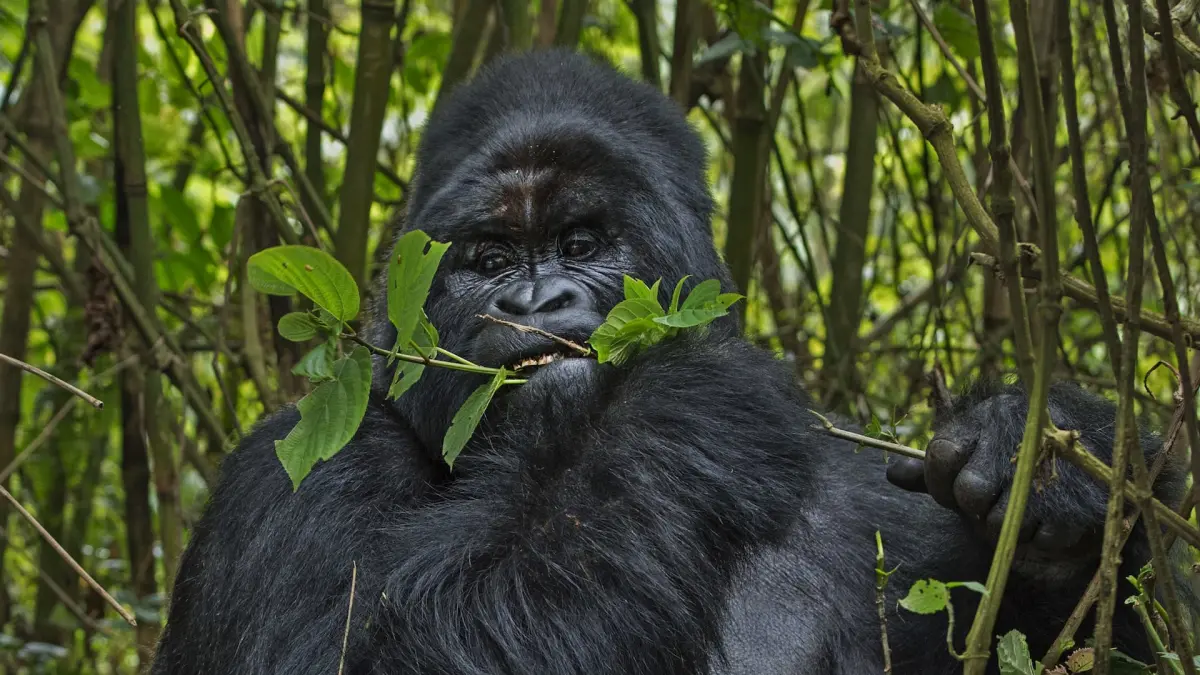
Behavioural Traits of Gentle Silverbacks
Gentle silverbacks stand out through calm emotional presence. They avoid unnecessary conflict and focus on harmony within the family.
Although gentle, they are still authoritative. Their family members respect their leadership not because they fear punishment, but because they trust their judgement.
This type of silverback maintains order quietly. He intervenes only when needed and uses minimal force.
Families led by gentle silverbacks tend to be relaxed, cohesive, and emotionally warm. Mothers feel safe raising infants; juveniles are more playful; and interactions are often filled with affectionate gestures.
Gentle leadership fosters a peaceful atmosphere that encourages emotional bonding.
Behavioural Traits of Aggressive Silverbacks
Aggressive silverbacks use dominance to control the family and intimidate rivals. Their leadership style is marked by frequent displays of strength and territorial behaviour.
They demand obedience, and lower-ranking members often avoid challenging their authority.
These silverbacks are exceptionally alert. Their heightened sensitivity makes them quick to react to unfamiliar sounds, approaching trackers, or rustling vegetation.
While their families may seem more tense, this leadership style is highly effective in regions with intense male competition. A strong, aggressive silverback reduces the risk of takeovers, ensuring infant survival.
Their aggression is not mindless, it is strategic and rooted in survival.

The Balance of Power – How Silverbacks Use Both Styles
Most silverbacks are not purely gentle or purely aggressive. They switch between styles depending on context.
A typically gentle silverback may become aggressively protective when another male enters the group’s territory. An aggressive silverback may show tender behaviour toward infants and mothers during resting periods.
Effective leadership involves flexibility. Silverbacks learn when to show force and when to maintain peace.
This dynamic balance demonstrates remarkable emotional intelligence and situational awareness.
Impact of Leadership Style on Family Stability
Silverback leadership affects the health, behaviour, and emotional tone of the entire group.
Families led by gentle silverbacks tend to experience fewer conflicts, more grooming, and more inter-family cooperation. These families travel calmly, feed peacefully, and maintain stable group size.
Aggressive-led families may experience more tension within the group but are less vulnerable to outside threats. Their infants may be safer from rival males, and the silverback’s forceful displays prevent conflicts with neighbouring groups.
Both styles create different forms of stability, aligned with the group’s environment and risk level.
How Silverback Leadership Affects Infant Development
One of the most striking influences is on infant development.
Under gentle silverbacks, infants are often seen playing freely, climbing on the silverback, or exploring the environment confidently. Emotional security encourages healthy development, strong social skills, and curiosity.
Under aggressive silverbacks, infants remain close to their mothers and rarely approach the silverback unless permitted. These infants still receive protection and paternal care, but their playfulness may be more subdued.
However, both leadership styles protect infants effectively. Aggressive silverbacks offer strong deterrence; gentle silverbacks offer emotional reassurance.
How Females Respond to Gentle vs Aggressive Leaders
Female gorillas often choose the silverback they want to live under. Their choices shape family composition.
Females may prefer gentle silverbacks because:
- they create safer environments for infants
- they reduce stress
- they maintain group harmony
- they groom more often
- they tolerate infants climbing and playing
However, females may also choose aggressive silverbacks when:
- the region has high male competition
- aggressive males offer stronger genetic advantages
- protection from takeovers is a priority
- the silverback demonstrates exceptional strength
Female choice plays a central role in maintaining or shifting leadership styles across generations.
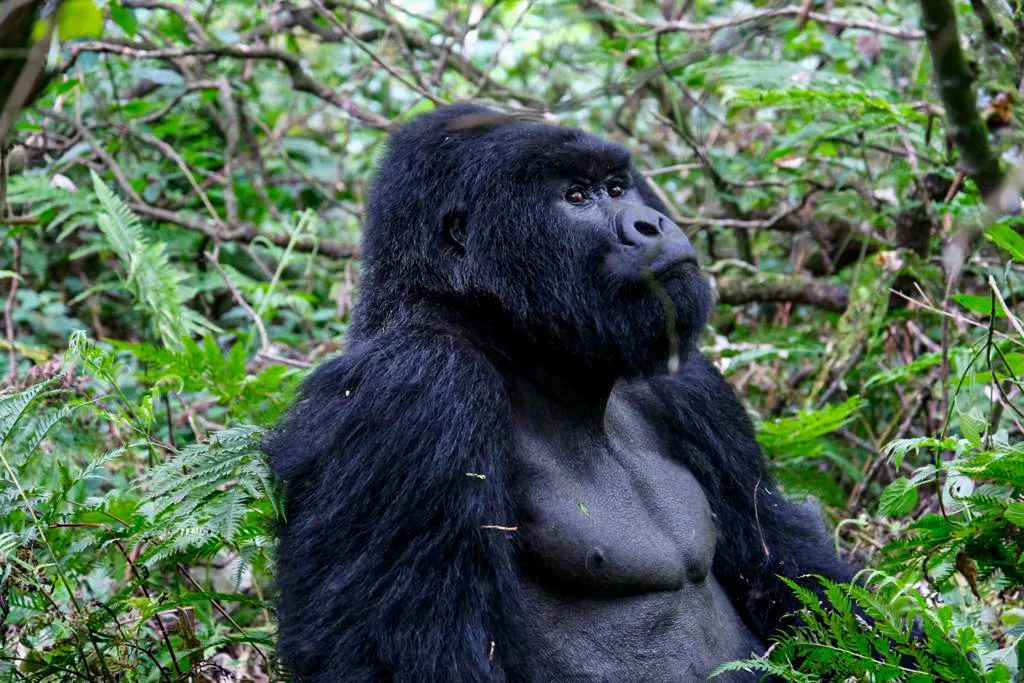
Silverback Conflicts Between Gentle and Aggressive Leaders
When a gentle silverback encounters an aggressive rival, the outcome depends on:
- age
- physical strength
- family support
- experience
- strategic behaviour
- environmental advantage
Gentle silverbacks sometimes avoid fights by retreating strategically to protect infants. Aggressive silverbacks may initiate confrontations, attempting to take over the group.
However, many conflicts resolve without violence. Gorillas prefer display over physical combat because injury threatens survival.
Both styles involve calculated decision-making, not impulsive violence.
Leadership Style and Trekker Experience
Trekkers often notice leadership styles immediately. Gentle silverbacks usually observe visitors calmly, allowing peaceful viewing sessions.
Aggressive silverbacks may perform dramatic displays when trekkers approach, especially if they perceive unfamiliar movement. Trackers understand these behaviours and guide visitors accordingly.
Neither style makes trekking dangerous; it simply shapes the atmosphere. Gentle leaders create serene encounters. Aggressive leaders create intense, memorable scenes of raw power.
Both experiences are unforgettable.
Leadership Evolution – How Silverbacks Change With Age
Silverback leadership styles evolve over time.
Young silverbacks are typically more aggressive as they establish dominance and defend their first females. With age, confidence increases and unnecessary aggression decreases. Elder silverbacks often become gentle patriarchs, focused on peace rather than display.
Some silverbacks remain aggressive throughout life due to environmental pressures or genetic temperament. Others mellow dramatically, especially once they secure a stable family.
Leadership evolution reflects maturity and experience.
How Silverback Leadership Shapes Gorilla Culture
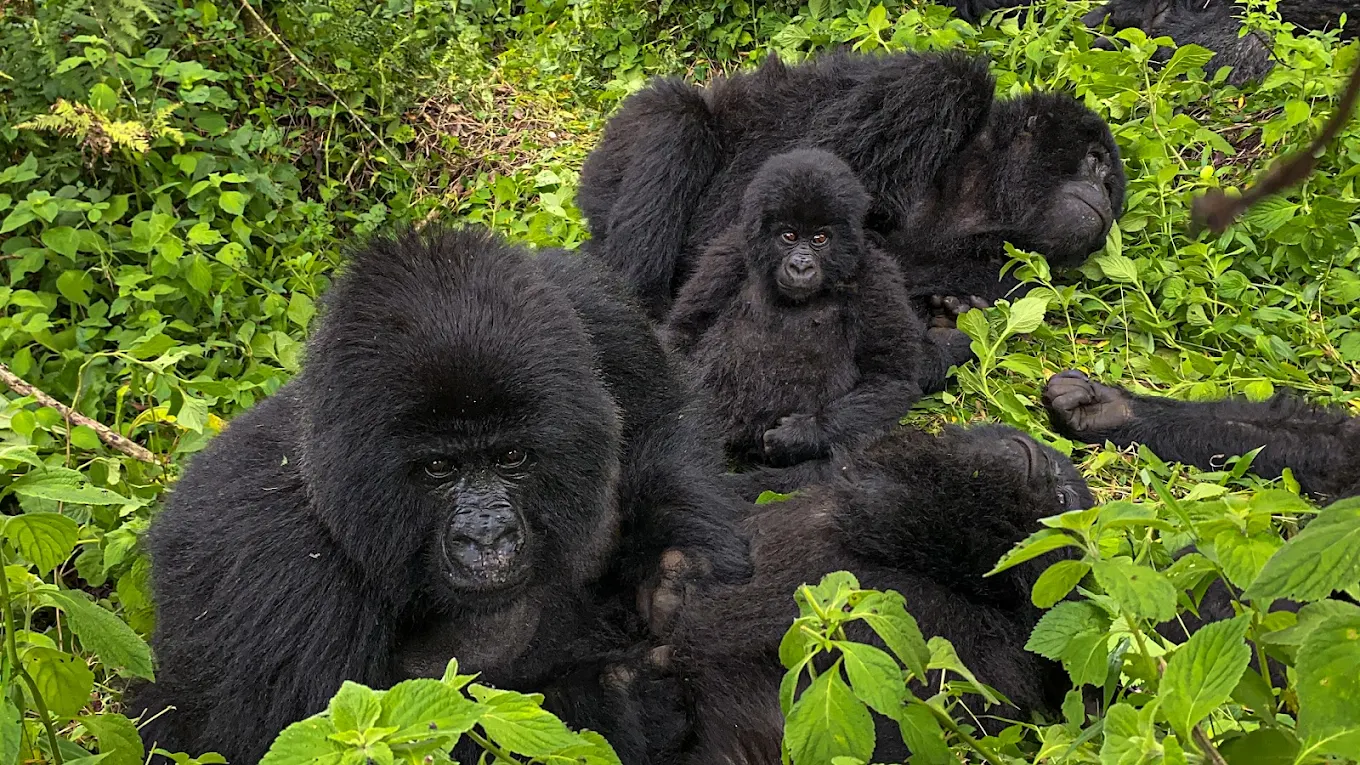
Gorilla families develop cultural behaviours, feeding preferences, grooming patterns, communication styles, shaped by their leaders.
Gentle leaders foster cooperative cultures with:
- more grooming
- stronger emotional bonds
- communal play
- relaxed migration patterns
Aggressive leaders foster cultures with:
- heightened vigilance
- frequent displays
- quicker reactions to threats
- tighter group formation
These cultural differences persist across generations, influencing how young gorillas learn social behaviour.
Leadership Style and Genetic Fitness
Leadership style impacts reproduction.
Gentle silverbacks often attract more females, resulting in larger families and higher infant survival. Their calm leadership promotes long-term stability.
Aggressive silverbacks may attract fewer females but may excel in regions where strength determines survival. Their aggressive displays ensure genetic continuity despite smaller family sizes.
Both leadership styles contribute to genetic diversity within mountain gorilla populations.
Coordinating Group Movement – Calm vs Forceful Leadership
Gentle leaders guide with soft rumbles, gradual movement, and patient coordination. They frequently look back to ensure no member is left behind.
Aggressive leaders make abrupt decisions, sometimes driving the group faster through dense vegetation. Their movements reflect urgency and territorial awareness.
Movement style influences daily energy expenditure, family cohesion, and feeding efficiency.
Silverback Emotional Intelligence
Leadership style reveals emotional intelligence. Gentle silverbacks often show empathy, tolerance, and conflict resolution skills. Aggressive silverbacks show strategic use of intimidation and calculated displays.
Both styles require emotional awareness. Silverbacks must read family mood, predict behaviour, and adjust leadership accordingly.
This emotional intelligence is one of the most underestimated aspects of gorilla life.
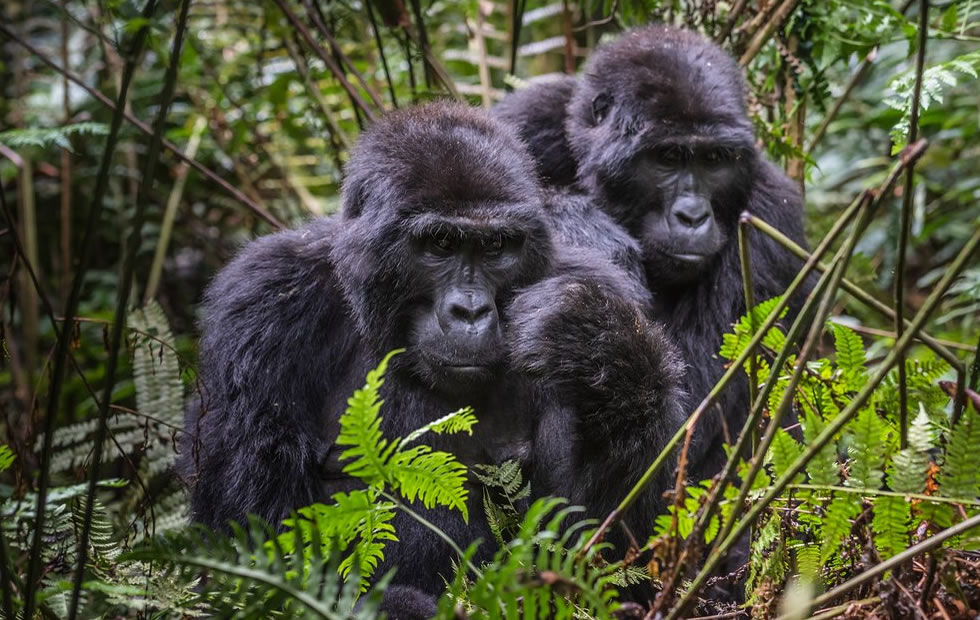
Frequently Asked Questions About Silverback Leadership Styles
Are aggressive silverbacks dangerous to trekkers?
No. Their displays are defensive, not predatory. Trekkers follow ranger guidance to maintain safety.
Do gentle silverbacks ever fight?
Yes. They defend fiercely when necessary.
Can leadership style change over time?
Absolutely. Leadership evolves with age, family composition, and experience.
Do females prefer gentle or aggressive silverbacks?
It depends on environmental pressures and reproductive strategy.
Which leadership style produces healthier families?
Both can be successful. Context determines effectiveness.
Final Thoughts – The Multifaceted Nature of Silverback Leadership
Silverback leadership is one of the most fascinating aspects of mountain gorilla behaviour. Gentle silverbacks lead with peace, emotional intelligence, and steady confidence. Aggressive silverbacks lead with strength, assertiveness, and powerful displays. Both approaches ensure family survival, stability, and protection.
Gorilla leadership is not rigid but adaptive. Silverbacks read their environment, assess threats, interpret family needs, and respond with remarkable intelligence. Leadership style shapes family culture, emotional climate, infant development, feeding behaviour and social relationships.
To watch a silverback lead his family whether calmly or through dramatic display, is to witness the ancient art of natural leadership. It is an experience that transforms every gorilla trek into a deeper understanding of life, power, and emotional balance in the wild.