
Ultimate Rwanda Monkey Tracking Safaris Guide: Discover Rwanda’s Incredible Primate Adventures
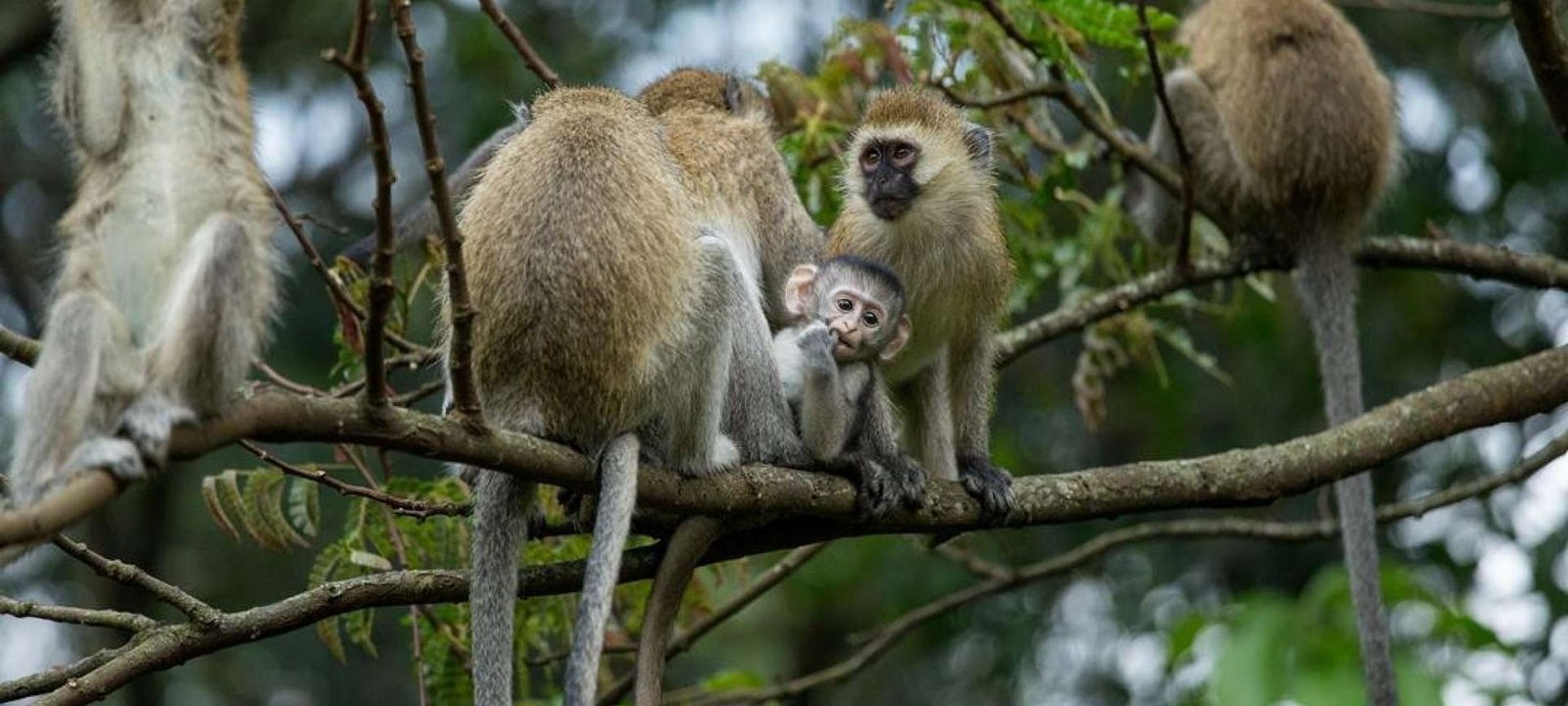
Rwanda Monkey Tracking is one of the most immersive wildlife experiences available in East Africa, offering visitors the opportunity to observe a wide variety of monkey species in their natural habitats while exploring some of Rwanda’s most spectacular forests and mountain ecosystems. Unlike traditional safaris that focus on large mammals viewed from vehicles, monkey tracking involves actively searching for primates on foot alongside experienced guides and trackers.
The experience takes place within Rwanda’s protected national parks, where visitors follow forest trails, listen for monkey vocalizations, identify feeding areas, and observe social groups as they go about their daily activities. This close connection with nature creates a far more intimate wildlife encounter than many traditional safari experiences.
The primary objective of Rwanda Monkey Tracking is to locate specific monkey species and spend time observing their natural behavior. Once a troop is found, visitors can watch them interact, feed, groom one another, care for their young, communicate, and move through the forest. These observations provide fascinating insights into primate intelligence and social organization.
Tracking activities commonly focus on observing behaviors such as:
Feeding Behavior
Visitors often observe monkeys foraging for fruits, leaves, seeds, flowers, and insects. Different species have unique feeding strategies that reflect their ecological roles within the forest ecosystem.
Social Grooming
Many monkey species spend significant time grooming one another. This behavior strengthens social bonds, maintains group cohesion, and helps establish social hierarchies.
Communication
Monkeys communicate through vocalizations, facial expressions, body language, and physical gestures. Watching these interactions offers a deeper understanding of primate societies.
Play and Learning
Young monkeys frequently engage in playful activities that help them develop survival skills and social relationships. These interactions are often among the most entertaining aspects of Rwanda Monkey Tracking.
Parenting and Family Life
Female monkeys display remarkable care for their offspring. Visitors may observe mothers carrying infants, teaching them essential skills, and protecting them from potential dangers.
Territorial and Group Behavior
Some species display complex territorial behaviors and social structures. Guides help explain how different monkey communities interact and maintain their territories.
One of the greatest advantages of Rwanda Monkey Tracking is the opportunity to experience Rwanda’s natural landscapes firsthand. Visitors hike through ancient rainforests, bamboo forests, mountain slopes, and diverse habitats while searching for wildlife. This creates a much richer experience than simply observing animals from a distance.
The activity appeals to a wide range of travelers, including wildlife enthusiasts, photographers, researchers, conservation supporters, birdwatchers, and adventure seekers. Whether you are a first-time safari visitor or an experienced wildlife traveler, Rwanda Monkey Tracking provides an unforgettable opportunity to connect with some of Africa’s most fascinating primates.
Why Choose Rwanda Monkey Tracking?
There are countless reasons why Rwanda Monkey Tracking has become one of the country’s most popular wildlife experiences. Rwanda has successfully positioned itself as one of Africa’s premier primate tourism destinations, offering exceptional wildlife encounters supported by strong conservation efforts and world-class tourism infrastructure.
One of the biggest advantages of Rwanda Monkey Tracking is the extraordinary diversity of primates found within the country. Rwanda supports numerous monkey species across different ecosystems, giving visitors opportunities to encounter a wide variety of wildlife within a relatively small geographic area.
Unlike destinations that focus on a single species, Rwanda allows travelers to observe multiple monkey species during a single safari. This diversity creates a richer and more educational experience while increasing opportunities for wildlife photography and observation.
Several factors make Rwanda particularly attractive for monkey tracking safaris.
Exceptional Primate Diversity
Rwanda’s forests support an impressive variety of monkey species, including golden monkeys, black-and-white colobus monkeys, grey-cheeked mangabeys, blue monkeys, red-tailed monkeys, L’Hoest’s monkeys, vervet monkeys, and several others.
This diversity makes Rwanda Monkey Tracking one of the most rewarding primate experiences available anywhere in Africa.
Safe and Well-Managed National Parks
Rwanda is widely regarded as one of Africa’s safest travel destinations. Its national parks are professionally managed, well protected, and supported by experienced ranger teams.
Visitors can enjoy monkey tracking activities with confidence, knowing that conservation and visitor safety remain top priorities.
Excellent Tourism Infrastructure
Modern roads, quality accommodations, professional guiding services, and efficient tourism systems make it easy for travelers to access Rwanda’s monkey tracking destinations.
Compared to many remote wildlife destinations, Rwanda offers exceptional convenience while maintaining authentic wilderness experiences.
Professional Guides and Trackers
One of the greatest strengths of Rwanda Monkey Tracking is the quality of guiding services. Rangers and trackers possess extensive knowledge of wildlife behavior, forest ecology, and conservation issues.
Their expertise significantly enhances wildlife encounters while providing valuable educational insights throughout the experience.
Strong Conservation Programs
Rwanda has earned international recognition for its commitment to wildlife conservation. Revenue generated through tourism directly supports habitat protection, research, anti-poaching operations, environmental education, and community development.
Visitors participating in Rwanda Monkey Tracking contribute directly to the protection of the species they come to observe.
Spectacular Natural Landscapes
Monkey tracking takes place within some of Africa’s most beautiful environments. Ancient rainforests, bamboo forests, volcanic mountains, mist-covered valleys, and lush vegetation create breathtaking scenery throughout the safari experience.
These landscapes add significant value beyond wildlife viewing alone.
Opportunities to Combine with Gorilla Trekking
Many travelers choose Rwanda Monkey Tracking because it can easily be combined with mountain gorilla trekking. This combination creates one of the world’s most extraordinary primate safari experiences, allowing visitors to encounter multiple species within a single journey.
The ability to combine monkey tracking, chimpanzee trekking, gorilla trekking, birdwatching, cultural experiences, and traditional wildlife safaris makes Rwanda one of Africa’s most diverse travel destinations.
Ultimately, Rwanda Monkey Tracking offers a unique combination of wildlife, conservation, adventure, education, photography, and natural beauty. It provides visitors with meaningful encounters that go far beyond ordinary tourism experiences while supporting the long-term protection of some of Africa’s most remarkable primates.
Best Destinations for Rwanda Monkey Tracking

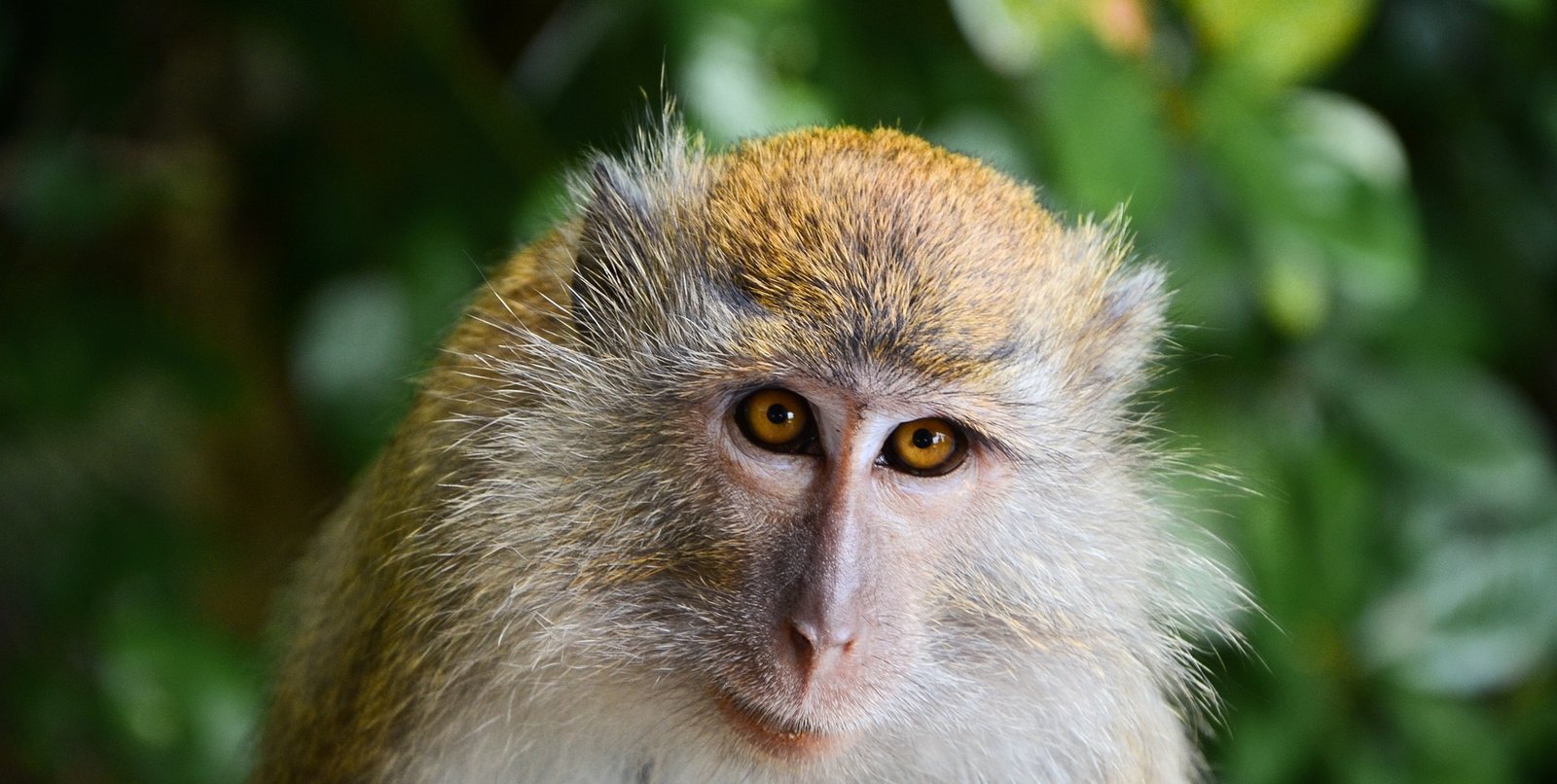

Choosing the right destination is one of the most important aspects of planning a successful Rwanda Monkey Tracking safari. Fortunately, Rwanda offers several outstanding locations that provide exceptional opportunities to observe a wide range of monkey species within spectacular natural environments.
Each destination offers unique wildlife experiences, habitats, and species diversity, allowing travelers to select itineraries that match their interests and travel goals.
Nyungwe National Park
Nyungwe National Park is widely regarded as the premier destination for Rwanda Monkey Tracking and one of Africa’s most important primate conservation areas.
Covering more than 1,000 square kilometers, Nyungwe protects one of the continent’s oldest and most biologically diverse rainforests. The park supports thirteen recorded primate species, making it one of the richest primate habitats in Africa.
The incredible diversity of species found within
is the primary reason many travelers choose this destination for monkey tracking.
Visitors may encounter:
- Black-and-white colobus monkeys
- Grey-cheeked mangabeys
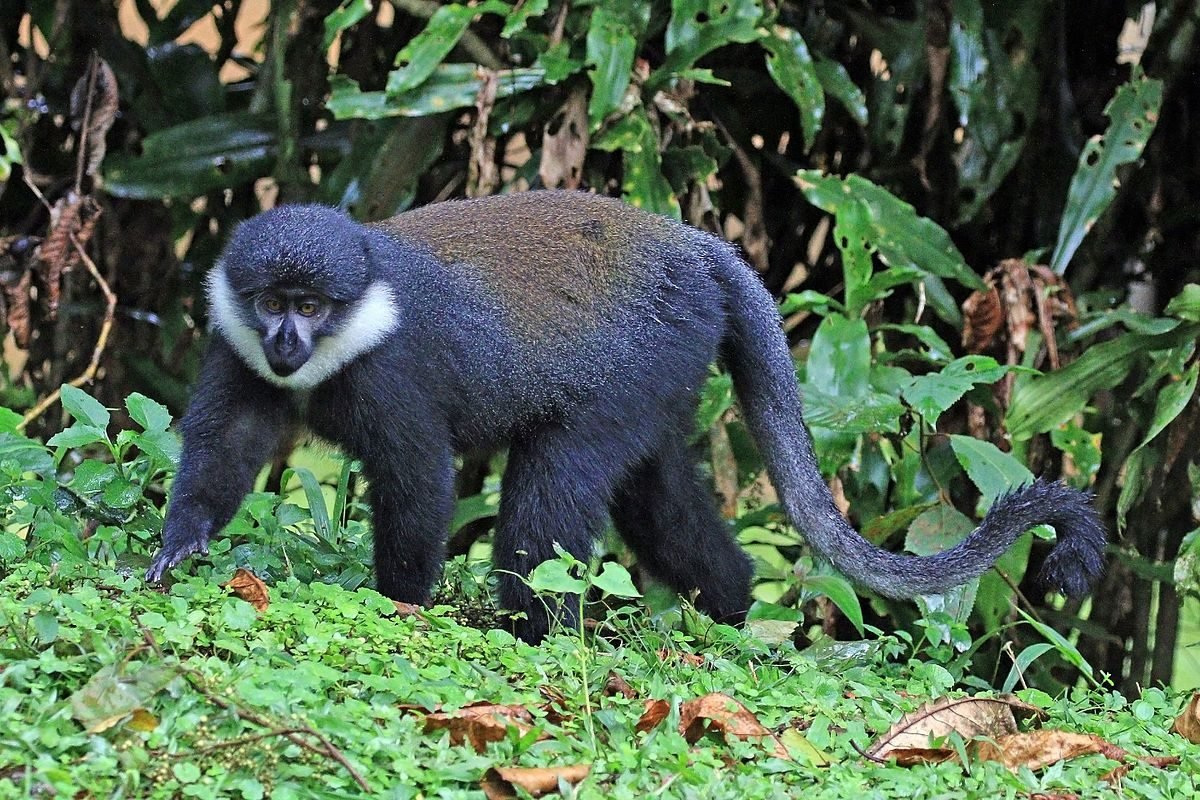
- L’Hoest’s monkeys
- Blue monkeys
- Red-tailed monkeys
- Owl-faced monkeys
- Vervet monkeys
- Dent’s Mona monkeys
- Angola colobus monkeys
dense rainforest environment creates ideal conditions for primates while providing visitors with an immersive wilderness experience. Guided primate walks, chimpanzee trekking excursions, canopy walks, birdwatching activities, and hiking trails make Nyungwe one of Rwanda’s most rewarding safari destinations.
The combination of biodiversity, scenery, and conservation significance firmly establishes Nyungwe as the leading destination for Rwanda Monkey Tracking.
Volcanoes National Park
Volcanoes National Park is best known internationally for mountain gorilla trekking, but it also offers one of the most popular monkey tracking experiences in Rwanda.
The park protects portions of the Virunga Mountains and contains extensive bamboo forests that serve as habitat for the endangered golden monkey.
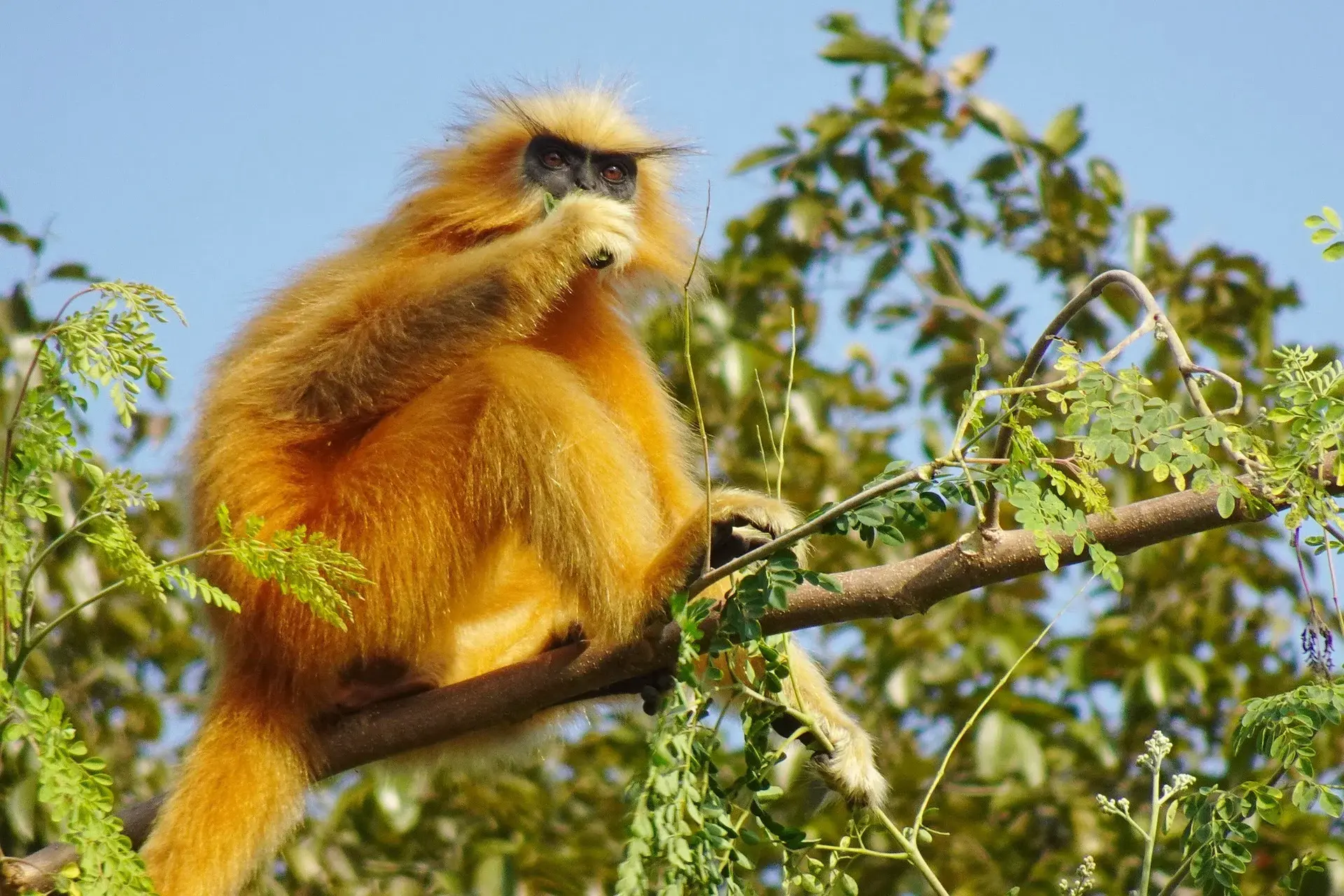
Golden monkey tracking has become one of the fastest-growing components of Rwanda Monkey Tracking because of the species’ striking appearance, playful behavior, and relative accessibility.
Golden monkeys are easily recognized by their:
- Bright golden-orange fur
- Expressive faces
- Energetic movements
- Highly social behavior
Tracking experiences typically involve shorter and less strenuous hikes than gorilla trekking, making them accessible to a wider range of visitors.
Because Volcanoes National Park also offers gorilla trekking, many travelers combine both activities to create a comprehensive primate safari. This combination provides opportunities to encounter two of Africa’s most iconic primate species within a single destination.
The park’s dramatic volcanic scenery, bamboo forests, and exceptional wildlife encounters make it an essential component of many Rwanda Monkey Tracking itineraries.
Together, Nyungwe National Park and Volcanoes National Park provide some of the finest primate experiences available anywhere in Africa and establish Rwanda as a world-class destination for monkey tracking safaris.
Here are the fully expanded SEO-rich sections for your Rwanda Monkey Tracking page.
Golden Monkey Tracking in Rwanda
Golden monkey tracking is one of the most exciting highlights of Rwanda Monkey Tracking and has become one of Rwanda’s fastest-growing primate tourism activities. These beautiful and endangered primates are found only within the Virunga Mountain ecosystem, which spans Rwanda, Uganda, and the Democratic Republic of Congo. Their limited distribution makes them one of Africa’s most exclusive wildlife encounters.
Golden monkeys inhabit the bamboo forests on the lower slopes of Volcanoes National Park, where they live in large social groups that can number from several dozen to more than one hundred individuals. Their vibrant golden-orange fur contrasts beautifully against the green bamboo vegetation, making them one of the most photogenic primates in Africa.
A typical golden monkey tracking experience begins early in the morning at the park headquarters, where visitors receive a briefing from experienced rangers. The briefing covers safety regulations, conservation guidelines, monkey behavior, and what to expect during the trek. After the briefing, visitors are assigned guides and begin their journey into the bamboo forests.
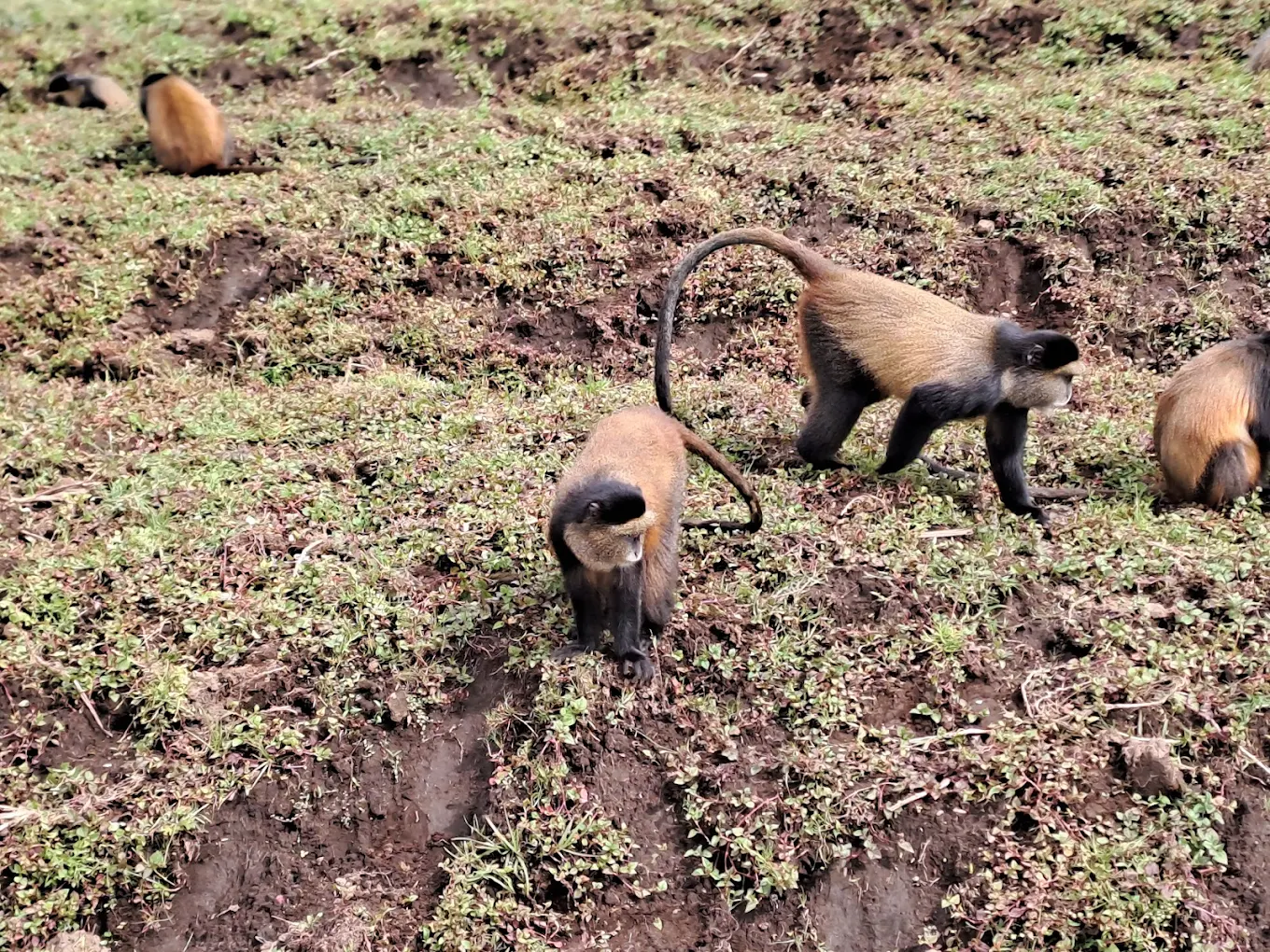
Unlike chimpanzees, golden monkeys are generally easier to locate because they occupy relatively predictable habitats and tend to remain within accessible forest zones. Once a troop is found, visitors are allowed to spend an hour observing and photographing the monkeys as they feed, groom, play, and interact with one another.
Golden monkeys are highly energetic and constantly active. Visitors often observe juveniles chasing one another through the bamboo, mothers caring for infants, and adults feeding on bamboo shoots, fruits, leaves, flowers, and insects. Their playful behavior creates endless opportunities for wildlife photography.
One of the greatest advantages of golden monkey tracking as part of Rwanda Monkey Tracking is that it can easily be combined with gorilla trekking, allowing travelers to encounter two of the Virunga Mountains‘ most iconic primates during a single safari.
For wildlife enthusiasts, photographers, families, and first-time safari travelers, golden monkey tracking offers a unique and highly rewarding primate experience that complements Rwanda’s more famous gorilla trekking adventures.
Monkey Species Found During Rwanda Monkey Tracking
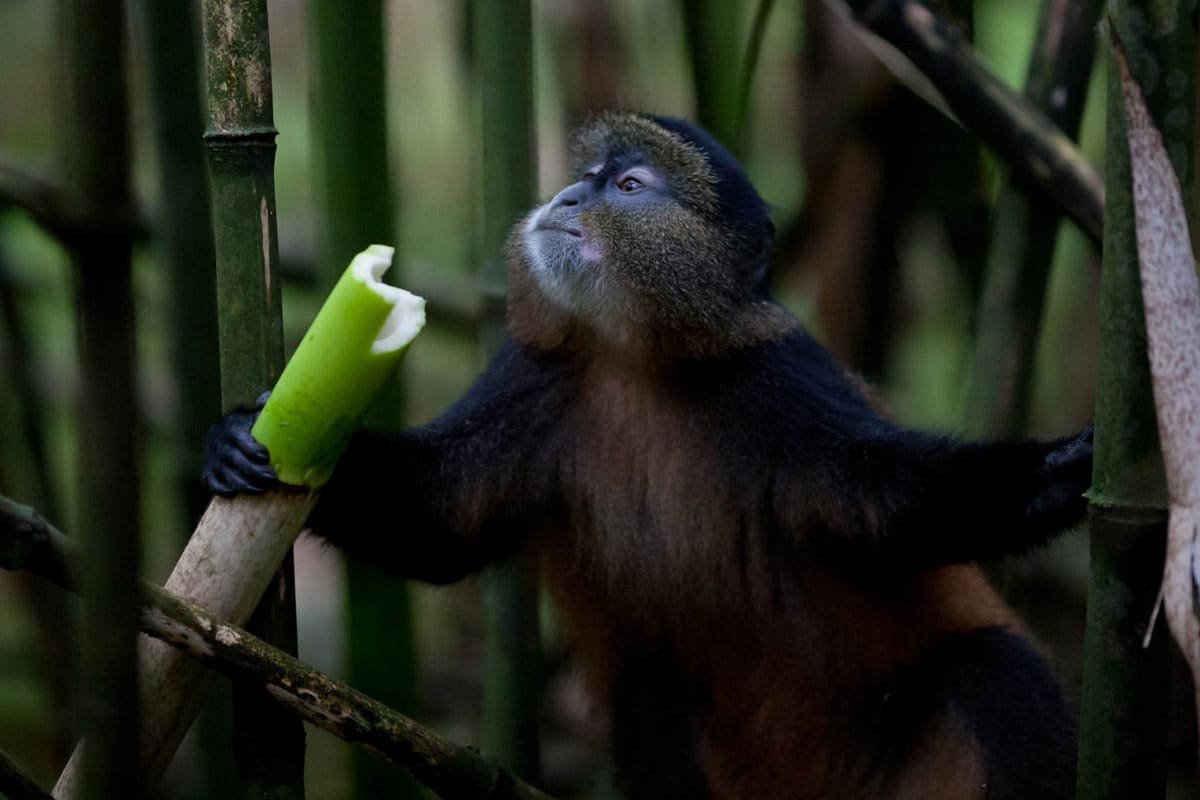

One of the major attractions of Rwanda Monkey Tracking is the incredible diversity of monkey species that visitors can encounter throughout the country’s forests and protected areas. Rwanda supports one of Africa’s richest primate populations, with species occupying different ecological niches within rainforests, bamboo forests, and mountain ecosystems.
Black-and-White Colobus Monkeys
Black-and-white colobus monkeys are among the most spectacular primates encountered during Rwanda Monkey Tracking. These elegant monkeys are famous for their striking appearance, featuring glossy black coats, long flowing white mantles, and impressive white tails.
Nyungwe Forest supports some of the largest colobus monkey troops in Africa, with certain groups numbering several hundred individuals. Watching a massive troop move through the rainforest canopy is one of the most unforgettable wildlife experiences available in Rwanda.
Colobus monkeys are primarily leaf eaters and play an important ecological role in maintaining forest health through seed dispersal and vegetation management.
Grey-Cheeked Mangabeys
Grey-cheeked mangabeys are energetic, intelligent, and highly social monkeys commonly encountered in Nyungwe Forest. Their expressive faces, loud vocalizations, and active behavior make them favorites among wildlife enthusiasts.
Mangabeys spend much of their time foraging in the forest canopy while feeding on fruits, seeds, leaves, flowers, and insects. Their vocal calls often alert visitors to their presence long before the monkeys become visible.
L’Hoest’s Monkeys
L’Hoest’s monkeys are among the most distinctive species encountered during Rwanda Monkey Tracking. These shy and elusive monkeys are recognized by their dark fur, white facial markings, and characteristic white beard.
Unlike many monkey species that remain high in the canopy, L’Hoest’s monkeys frequently forage closer to the forest floor. Their secretive nature makes sightings particularly rewarding for wildlife enthusiasts.
Blue Monkeys
Blue monkeys are among the most commonly observed primates during monkey tracking excursions. Despite their name, they are not truly blue but possess a subtle gray-blue coloration that becomes visible under certain lighting conditions.
These adaptable monkeys thrive throughout Nyungwe Forest and often live in groups led by a dominant male. Their curious personalities and active behavior make them excellent photography subjects.
Red-Tailed Monkeys
Red-tailed monkeys are colorful and agile primates frequently encountered during forest walks. Their distinctive reddish tails and expressive faces make them easy to identify.
These monkeys often form mixed-species associations with blue monkeys and other primates, creating fascinating ecological interactions that visitors can observe during tracking excursions.
Golden Monkeys
Golden monkeys represent the flagship species of Rwanda Monkey Tracking within Volcanoes National Park. Their vibrant golden fur, social behavior, and restricted geographic range make them one of Africa’s most sought-after primates.
Their active nature and tendency to remain visible while feeding provide excellent opportunities for wildlife observation and photography.
What Happens During a Rwanda Monkey Tracking Safari?
A typical Rwanda Monkey Tracking safari begins early in the morning when wildlife activity is at its highest. Visitors gather at park headquarters or designated briefing points where professional rangers provide essential information about the day’s activities.
During the briefing, visitors learn about:
Safety Procedures
Rangers explain how to behave around wildlife, maintain safe viewing distances, and navigate forest environments responsibly.
Tracking Guidelines
Visitors receive instructions on how tracking is conducted and how to follow guides through the forest while minimizing disturbance to wildlife.
Conservation Regulations
The importance of protecting primates and their habitats is emphasized, helping visitors understand the conservation value of their safari experience.
Wildlife Behavior
Guides explain how different monkey species behave and what visitors can expect during the tracking experience.
Following the briefing, small groups enter the forest accompanied by experienced guides and trackers. The tracking process may involve:
- Following vocalizations
- Searching feeding sites
- Identifying fresh tracks
- Monitoring movement patterns
- Exploring forest trails
Once monkeys are located, visitors spend time observing and photographing them while guides provide fascinating information about their ecology, social structures, feeding habits, and conservation status.
Every Rwanda Monkey Tracking experience is unique because monkey movements change daily depending on food availability, weather conditions, and social dynamics.
Difficulty Level of Rwanda Monkey Tracking
Most Rwanda Monkey Tracking activities are considered moderately challenging and suitable for travelers with average fitness levels.
The difficulty of a trek depends on several factors.
Terrain
Tracking routes may pass through bamboo forests, rainforest trails, mountain slopes, or uneven terrain.
Elevation
Higher-altitude destinations such as Volcanoes National Park involve trekking at elevations exceeding 2,500 meters above sea level.
Weather Conditions
Rainfall can make trails muddy and slippery, increasing trekking difficulty.
Monkey Locations
The distance and time required to locate monkey groups vary daily depending on their movements.
Golden monkey tracking is generally easier than chimpanzee trekking because golden monkeys occupy more accessible bamboo habitats. Most golden monkey treks last between one and three hours.
Monkey tracking in Nyungwe Forest may be more physically demanding due to steeper terrain and denser vegetation. However, most visitors with reasonable mobility can comfortably participate.
Rwanda Monkey Tracking Permits and Costs
Permits are required for most organized Rwanda Monkey Tracking activities and play a vital role in funding conservation efforts.
Permit fees help support:
- Wildlife protection
- Habitat conservation
- Scientific research
- Ranger salaries
- Community development initiatives
- Environmental education programs
Golden monkey tracking permits are significantly more affordable than gorilla trekking permits, making them an attractive option for travelers seeking exceptional primate experiences at lower costs.
Permit availability can be limited during peak tourism periods, particularly from June to September and December to February. Advance booking is therefore highly recommended.
Many safari operators include permit costs within comprehensive travel packages that also cover accommodations, transportation, guiding services, meals, and park fees.
Best Time for Rwanda Monkey Tracking
One of the advantages of Rwanda Monkey Tracking is that it can be enjoyed throughout the year. However, seasonal conditions influence trekking comfort, photography opportunities, and visitor numbers.
Dry Seasons
The primary dry seasons occur from June to September and December to February.
During these months visitors enjoy:
- Drier forest trails
- Easier hiking conditions
- Better visibility
- More comfortable trekking
- Excellent photography opportunities
These periods are often considered the best times for monkey tracking and are also the busiest tourism seasons.
Rainy Seasons
The rainy seasons occur from March to May and October to November.
These periods offer:
- Lush rainforest scenery
- Fewer tourists
- Reduced accommodation rates
- Excellent birdwatching
- Dramatic photography opportunities
Although trails can be muddy, monkey sightings remain excellent throughout the year, making Rwanda Monkey Tracking a rewarding activity regardless of season.
Book Your Rwanda Monkey Tracking Safari
A Rwanda Monkey Tracking safari offers an extraordinary opportunity to discover one of Africa’s richest primate destinations while exploring breathtaking rainforests, bamboo forests, and mountain landscapes.
Whether you dream of tracking golden monkeys in Volcanoes National Park, photographing colobus monkey troops in Nyungwe Forest, combining monkey tracking with chimpanzee trekking, or creating a comprehensive Rwanda primate safari, our experienced safari specialists can design a customized itinerary tailored to your interests and budget.
We arrange permits, accommodations, transportation, professional guides, and complete safari logistics to ensure a seamless and unforgettable experience.
Contact us today and begin planning your ultimate Rwanda Monkey Tracking adventure. Discover the remarkable diversity of Rwanda’s primates and experience one of Africa’s most rewarding wildlife journeys.