
Ultimate Chimpanzee Trekking Guide
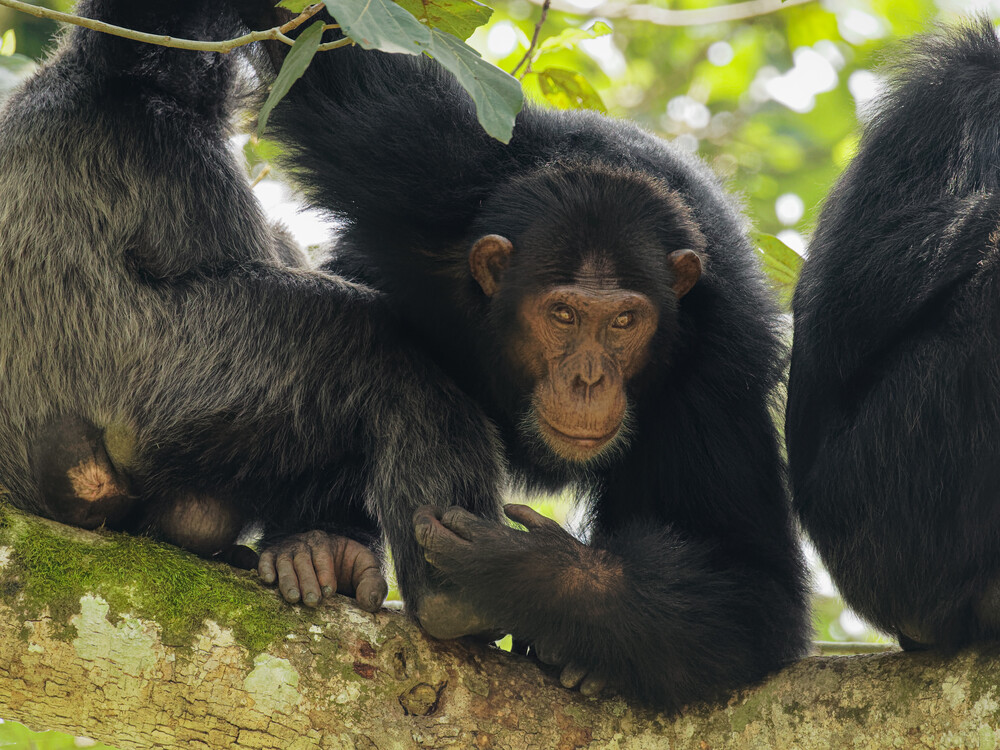
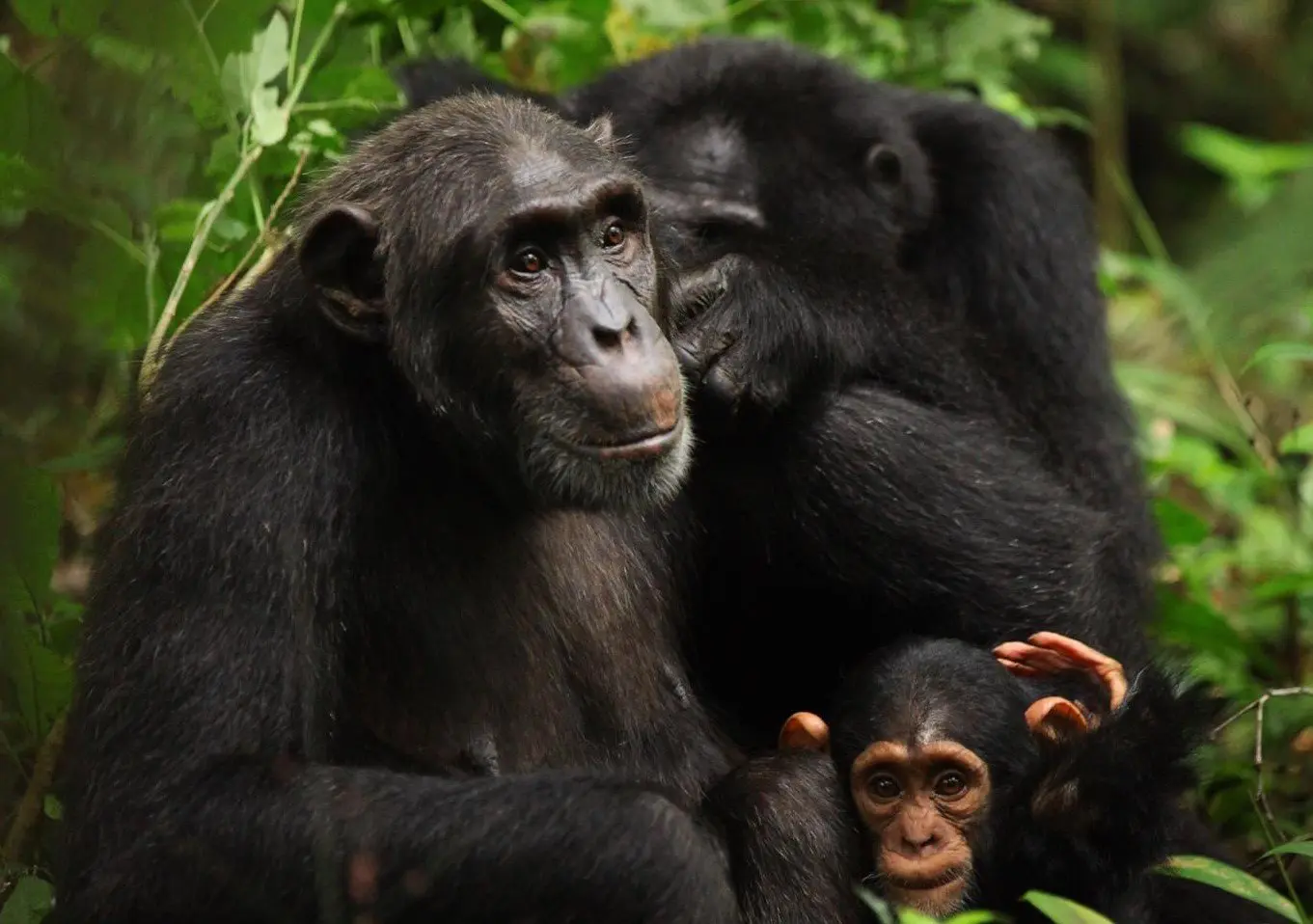

Rwanda is widely recognized for its mountain gorillas, but the country is also home to one of Africa’s most rewarding primate experiences: chimpanzee trekking. This comprehensive Chimpanzee Trekking Guide explores everything travelers need to know about tracking wild chimpanzees in Rwanda, including where to go, permit costs, what to expect during the trek, the best time to visit, accommodation options, conservation efforts, and practical travel tips.
Chimpanzees are humanity’s closest living relatives, sharing approximately 98% of our DNA. Observing these intelligent primates in their natural habitat offers a fascinating glimpse into complex social structures, communication methods, and behaviors that closely resemble our own. Rwanda provides an exceptional opportunity to witness these remarkable animals within the ancient rainforests of Nyungwe National Park.
This detailed Chimpanzee Trekking Guide is designed to help travelers plan a successful and unforgettable chimpanzee trekking safari in Rwanda while maximizing opportunities for meaningful wildlife encounters.
Why Choose Rwanda for Chimpanzee Trekking?
Rwanda has established itself as one of Africa’s leading wildlife destinations, offering exceptional opportunities for primate tracking in protected natural environments. While the country is globally famous for mountain gorilla trekking, chimpanzee trekking provides a completely different perspective on primate behavior and rainforest ecology. For travelers seeking a diverse primate safari, offers one of the most comprehensive wildlife experiences on the continent.

One of the main reasons this Chimpanzee Trekking Guide recommends Rwanda is the quality of its conservation programs and tourism infrastructure. The country’s protected forests are carefully managed, visitor numbers are controlled, and professional ranger teams monitor chimpanzee groups daily. This level of management significantly increases the chances of successful chimpanzee encounters while ensuring that tourism activities contribute directly to conservation efforts and local community development.
Chimpanzees are highly energetic, social, and unpredictable animals. Unlike gorillas, which often spend long periods feeding or resting, chimpanzees move rapidly through the forest canopy, interact constantly with other group members, and communicate through loud vocalizations that echo across the rainforest. Their dynamic behavior creates an exciting and immersive wildlife experience that differs greatly from traditional game drives or other safari activities.
Another advantage highlighted in this Chimpanzee Trekking Guide is Rwanda’s compact size. Visitors can easily combine chimpanzee trekking in Nyungwe National Park with gorilla trekking in Volcanoes National Park, golden monkey tracking, cultural experiences in Kigali, and wildlife viewing in Akagera National Park. This allows travelers to enjoy multiple iconic experiences within a relatively short itinerary.
Rwanda is also considered one of the safest and cleanest countries in Africa, making it particularly attractive to first-time safari travelers, families, photographers, and luxury tourists. Excellent roads, modern accommodations, professional guiding services, and efficient tourism operations further enhance the overall travel experience.
For travelers interested in wildlife conservation, biodiversity, photography, and authentic primate encounters, Rwanda remains one of the finest destinations featured in any comprehensive Chimpanzee Trekking Guide.
Where Does Chimpanzee Trekking Take Place in Rwanda?
Nyungwe National Park
The centerpiece of every Rwanda Chimpanzee Trekking Guide is Nyungwe National Park, one of Africa’s oldest and most biologically diverse rainforests. Located in southwestern Rwanda near the border with Burundi, this extraordinary protected area covers more than 1,000 square kilometers of montane rainforest, bamboo zones, wetlands, and grasslands.
Nyungwe National Park represents one of the largest remaining tracts of tropical rainforest in East and Central Africa. The forest has existed for thousands of years and supports an astonishing variety of wildlife species, making it one of Rwanda’s most important conservation areas. The park forms part of the Albertine Rift ecosystem, a region recognized globally for its exceptional biodiversity and high levels of endemic species.
This remarkable forest is home to more than 500 chimpanzees and thirteen recorded primate species, including:
- L’Hoest’s monkeys
- Black-and-white colobus monkeys
- Owl-faced monkeys
- Grey-cheeked mangabeys
- Blue monkeys
- Vervet monkeys
- Red-tailed monkeys
In addition to primates, Nyungwe supports over 300 bird species, dozens of mammal species, hundreds of butterfly species, and an impressive variety of orchids and indigenous plants. The sheer diversity of life found within the forest makes chimpanzee trekking only one component of a broader rainforest experience.
Most chimpanzee trekking activities occur in two primary sectors of the park:
Cyamudongo Forest
Cyamudongo is a smaller isolated forest patch connected to the greater Nyungwe ecosystem. This area is often considered one of the best locations for chimpanzee trekking because sightings are relatively consistent and the chimpanzee communities are well monitored. The forest’s manageable size often improves tracking success rates and can result in shorter search times compared to other sections of the park.
Uwinka Sector
The Uwinka region lies within the central part of Nyungwe National Park and serves as one of the park’s main visitor centers. Chimpanzee trekking from this area provides visitors with opportunities to explore deeper sections of the rainforest while experiencing spectacular scenery, waterfalls, and diverse wildlife.
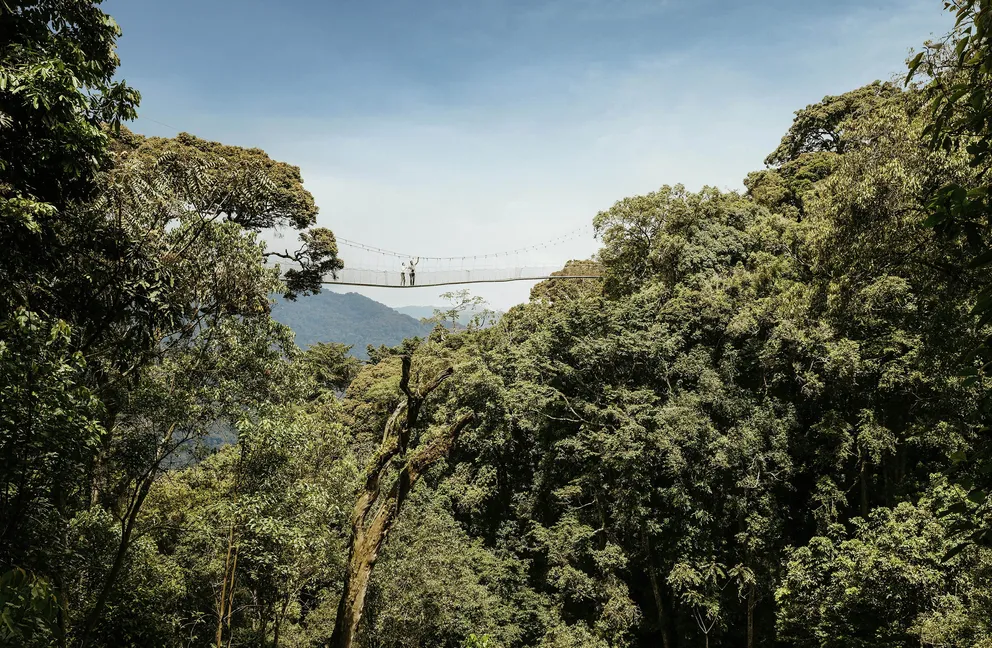
The dramatic landscape of Nyungwe features steep valleys, mountain ridges, dense forest canopies, rivers, waterfalls, and mist-covered hills. These breathtaking surroundings significantly enhance the trekking experience and create countless opportunities for photography and wildlife observation.
Any serious Chimpanzee Trekking Guide must emphasize that Nyungwe National Park is not simply a chimpanzee destination—it is one of Africa’s most important rainforest ecosystems and a destination worthy of exploration in its own right.
Understanding Chimpanzee Behavior
One of the most valuable aspects of any Chimpanzee Trekking Guide is helping visitors understand the fascinating behavior of chimpanzees before entering the forest. Learning about chimpanzee social structures and habits greatly enhances appreciation of the trekking experience and allows visitors to better interpret what they observe in the wild.
Chimpanzees are among the most intelligent animals on Earth and are our closest living relatives genetically. They share approximately 98 percent of human DNA and display remarkably human-like emotions, communication methods, problem-solving abilities, and social relationships.
Chimpanzees live in large communities that may contain anywhere from 20 to more than 100 individuals. Unlike gorillas, which usually remain together in relatively stable family groups, chimpanzees live in what scientists describe as a “fission-fusion” society. This means the larger community frequently divides into smaller groups that separate and reunite throughout the day depending on food availability, social interactions, and other factors.
Communication among chimpanzees is highly sophisticated. They use:
- Loud vocal calls known as pant-hoots
- Facial expressions
- Physical gestures
- Grooming behavior
- Touch and body posture
- Branch shaking displays
Visitors following this Chimpanzee Trekking Guide may witness a wide variety of behaviors during their trek. Chimpanzees spend much of their day searching for food, feeding on fruits, leaves, flowers, seeds, insects, and occasionally small mammals. They are known to use tools to obtain food, demonstrating advanced cognitive abilities rarely observed in the animal kingdom.
Social grooming is another common behavior. Chimpanzees groom one another to strengthen social bonds, reduce tension, and maintain group cohesion. Observing grooming sessions often provides excellent opportunities for close-up photography and behavioral observation.
Young chimpanzees are particularly entertaining to watch. Juveniles frequently engage in chasing games, climbing contests, wrestling matches, and playful interactions that reveal the strong family bonds within chimpanzee communities.
Dominant adult males often maintain their status through vocal displays, physical posturing, and social alliances. Witnessing these interactions offers valuable insights into the complex social structures that govern chimpanzee society.
Understanding these behaviors before your trek transforms the experience from a simple wildlife sighting into a deeper appreciation of one of nature’s most intelligent and fascinating species.
What Happens During a Chimpanzee Trek?


A detailed Chimpanzee Trekking Guide should prepare visitors for every stage of the trekking experience, from the early morning departure to the unforgettable moment of encountering wild chimpanzees in their natural habitat.
Chimpanzee trekking typically begins before sunrise because chimpanzees are most active during the early morning hours. Visitors usually arrive at the park headquarters while it is still dark to complete registration and attend a mandatory briefing conducted by experienced park rangers.
During the briefing, visitors receive detailed information about:
- Trekking procedures
- Park regulations
- Safety guidelines
- Chimpanzee behavior
- Environmental conservation practices
- Photography recommendations
- Visitor responsibilities
Following the briefing, ranger guides and trackers coordinate efforts to locate chimpanzee groups. Experienced trackers often enter the forest ahead of tourists, using previous nesting locations, vocalizations, feeding sites, and fresh signs to determine the current location of the chimpanzees.
The search phase is one of the most exciting aspects of the trek. Visitors move through dense rainforest while listening for distant calls and observing signs of chimpanzee activity. The anticipation builds as trackers communicate with guides and gradually narrow the search area.
Once the chimpanzees are located, visitors are permitted to spend approximately one hour observing them. This is often the highlight of the entire safari experience.
Unlike gorillas, chimpanzees rarely remain stationary for extended periods. Visitors may observe them:
- Feeding in fruiting trees
- Swinging through branches
- Grooming each other
- Caring for infants
- Displaying dominance behaviors
- Resting briefly between movements
- Communicating through vocalizations
The forest often comes alive with sounds as chimpanzees call to one another from different parts of the canopy. Their energy and movement create a thrilling and highly dynamic wildlife encounter.
Photography during the observation period can be challenging due to dense vegetation, varying light conditions, and the chimpanzees’ constant movement. However, successful photographs are often among the most rewarding wildlife images travelers capture in Africa.
After the observation period concludes, visitors return to the park headquarters, often reflecting on one of the most intimate and memorable wildlife experiences available anywhere in the world.
Chimpanzee Trekking Permits in Rwanda
A chimpanzee trekking permit is a mandatory requirement for anyone wishing to participate in chimpanzee tracking activities in Rwanda. The permit grants visitors legal access to protected chimpanzee habitats within Nyungwe National Park and helps regulate tourism activities to ensure that chimpanzee populations are not disturbed by excessive human presence.
Permit fees contribute directly to conservation initiatives, park management, ranger operations, scientific research, and community development projects surrounding the national park. By purchasing a permit, travelers play an important role in supporting the long-term protection of Rwanda’s forests and wildlife while helping local communities benefit from sustainable tourism.
Current chimpanzee trekking permit fees in Rwanda are approximately USD 150 per person for international visitors, although rates may occasionally change. Special rates are often available for East African citizens and Rwanda residents. Because permit policies can be updated periodically, travelers should always verify the latest pricing before making travel arrangements.
A standard chimpanzee trekking permit generally includes park entry, professional ranger-guided trekking services, conservation contributions, and access to designated chimpanzee tracking areas. The permit allows visitors to spend a regulated amount of time observing habituated chimpanzee communities while minimizing disturbance to the animals.
Chimpanzee permits are particularly important during peak tourism seasons when demand increases significantly. Travelers planning to visit between June and September or during the December to February travel period are strongly encouraged to secure permits several months in advance. Early reservations help guarantee availability and allow safari operators to coordinate accommodations, transportation, and additional activities efficiently.
A comprehensive Chimpanzee Trekking Guide always emphasizes early permit booking because availability can become limited, especially when travelers wish to combine chimpanzee trekking with gorilla trekking or other popular Rwanda safari experiences.
Best Time for Chimpanzee Trekking in Rwanda

One of the most important factors discussed in any Chimpanzee Trekking Guide is selecting the best time to visit Rwanda for chimpanzee trekking. Although chimpanzees can be tracked throughout the year, weather conditions, trail accessibility, photography opportunities, and visitor numbers vary across different seasons.
Rwanda’s tropical climate is influenced by altitude, resulting in relatively moderate temperatures throughout the year. Nyungwe National Park experiences frequent rainfall due to its rainforest ecosystem, but each season offers unique advantages for travelers.
Dry Season: June to September
The June to September period is widely considered the best time for chimpanzee trekking in Rwanda. During these months, rainfall is generally lower, resulting in drier forest trails and more comfortable trekking conditions. Visitors often find it easier to navigate steep slopes and dense forest paths during this period.
The dry season is particularly attractive for photographers because visibility within the forest is often improved. Roads leading to Nyungwe National Park are also easier to access, and wildlife viewing opportunities remain excellent throughout the region.
Due to favorable conditions, this is Rwanda’s busiest tourism season. Travelers planning chimpanzee trekking during these months should reserve permits and accommodations well in advance.
Dry Season: December to February
The shorter dry season between December and February is another excellent period for chimpanzee trekking. The forest remains lush and vibrant while offering relatively stable weather patterns and manageable trekking conditions.
This season is particularly popular among travelers seeking holiday vacations and wildlife adventures during the northern hemisphere winter months. Clearer skies and reduced rainfall often improve photography opportunities and overall trekking comfort.
Wet Season: March to May
The long rainy season transforms Nyungwe National Park into an exceptionally green and beautiful rainforest. Waterfalls become more dramatic, vegetation flourishes, and the forest landscape appears especially vibrant.
While trails may become muddy and challenging, this season offers several advantages. Visitor numbers are significantly lower, creating a more exclusive trekking experience. Photographers often appreciate the rich colors and dramatic rainforest atmosphere that characterize this period.
Travelers visiting during the rainy season should prepare for occasional heavy rainfall and potentially longer trekking times due to trail conditions.
Wet Season: October to November
The short rainy season offers another unique perspective on Rwanda’s rainforest ecosystem. The forest becomes incredibly lush, bird activity increases, and the scenery reaches peak beauty.
Despite occasional rain showers, chimpanzee trekking remains highly rewarding. Visitor numbers are generally lower than during the peak dry seasons, allowing for quieter and more intimate wildlife experiences.
Ultimately, a well-informed Chimpanzee Trekking Guide recognizes that chimpanzees can be tracked successfully throughout the year. The best travel period depends on individual preferences regarding weather, photography, crowd levels, and overall trekking conditions.
What to Pack for Chimpanzee Trekking
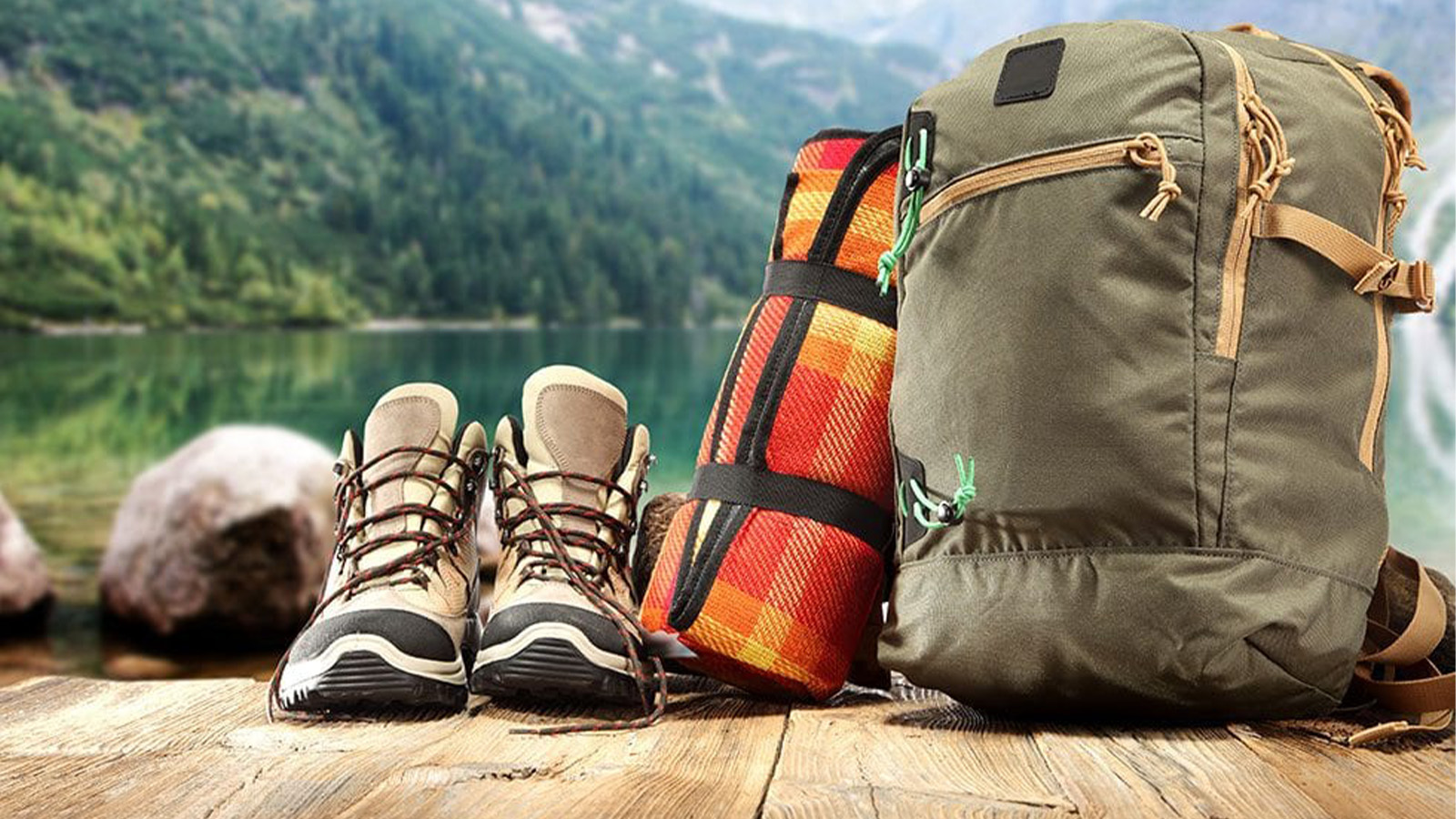
Proper preparation plays a major role in ensuring a comfortable and enjoyable trekking experience. Because chimpanzee trekking takes place within dense tropical rainforest environments, visitors should be prepared for changing weather conditions, muddy trails, and varying temperatures throughout the day.
One of the most important items recommended in every Chimpanzee Trekking Guide is a pair of sturdy waterproof hiking boots. Forest trails often become slippery due to rainfall, and proper footwear provides stability and protection when navigating uneven terrain.
Long-sleeved shirts and long trekking trousers are strongly recommended. These garments help protect against insects, thorny vegetation, and occasional stinging plants encountered along forest trails. Lightweight, moisture-wicking fabrics are ideal because they remain comfortable during physically demanding hikes.
Rainfall can occur at any time in Nyungwe National Park, making a lightweight waterproof rain jacket essential. Even during the dry season, unexpected showers are common in rainforest environments.
Gardening gloves or lightweight trekking gloves are useful when climbing steep sections or holding onto branches and vegetation for balance. Many experienced trekkers consider gloves one of the most underrated items in a chimpanzee trekking packing list.
Additional essentials include insect repellent, sunscreen, reusable water bottles, energy snacks, personal medications, and a small daypack for carrying supplies during the trek. Staying hydrated is particularly important because trekking conditions can be physically demanding.
Photography enthusiasts should also bring cameras, spare batteries, memory cards, binoculars, lens cleaning cloths, and protective waterproof covers for equipment. A detailed Chimpanzee Trekking Guide always emphasizes preparation because rainforest conditions can be unpredictable and challenging.
Accommodation for Chimpanzee Trekking in Rwanda
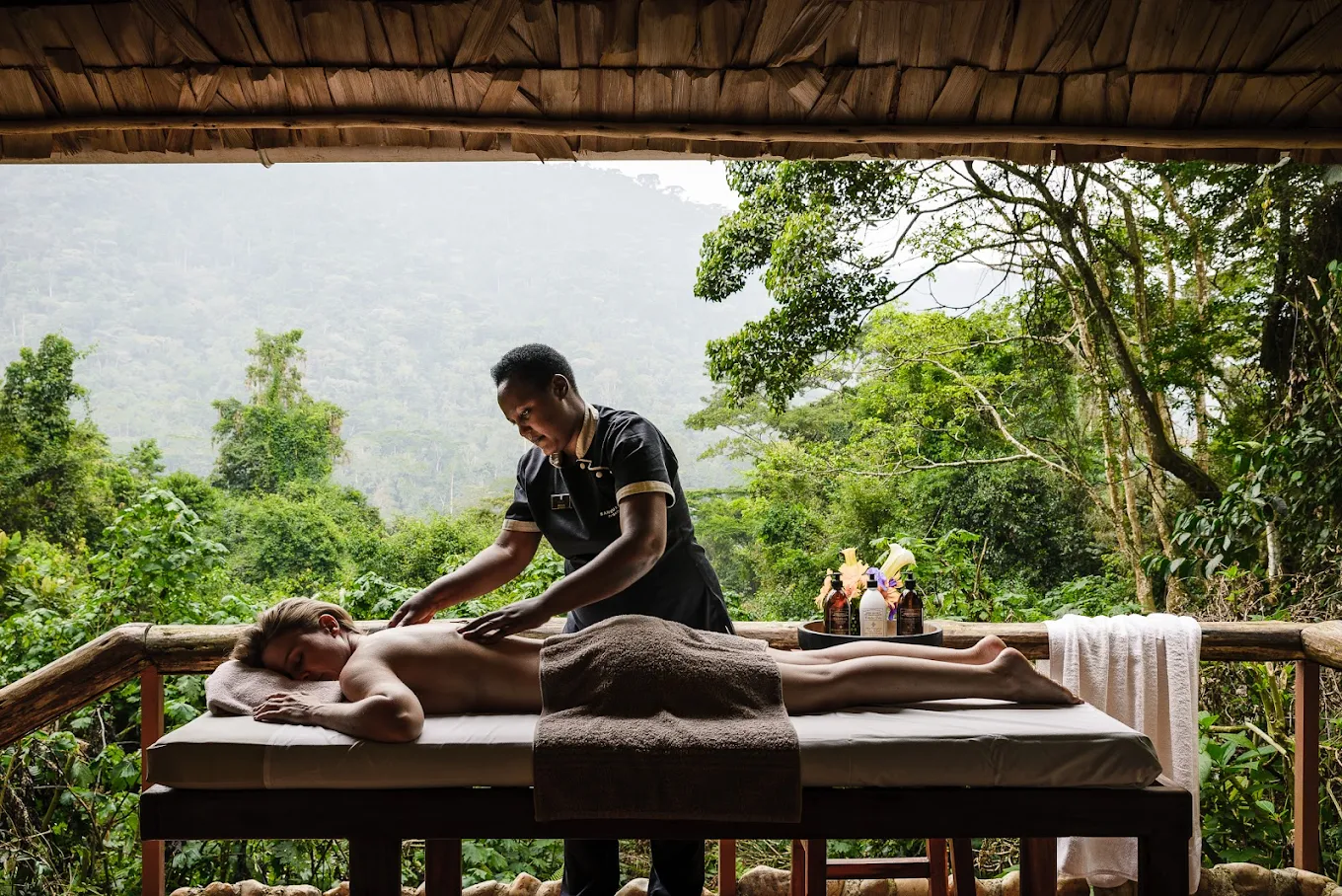

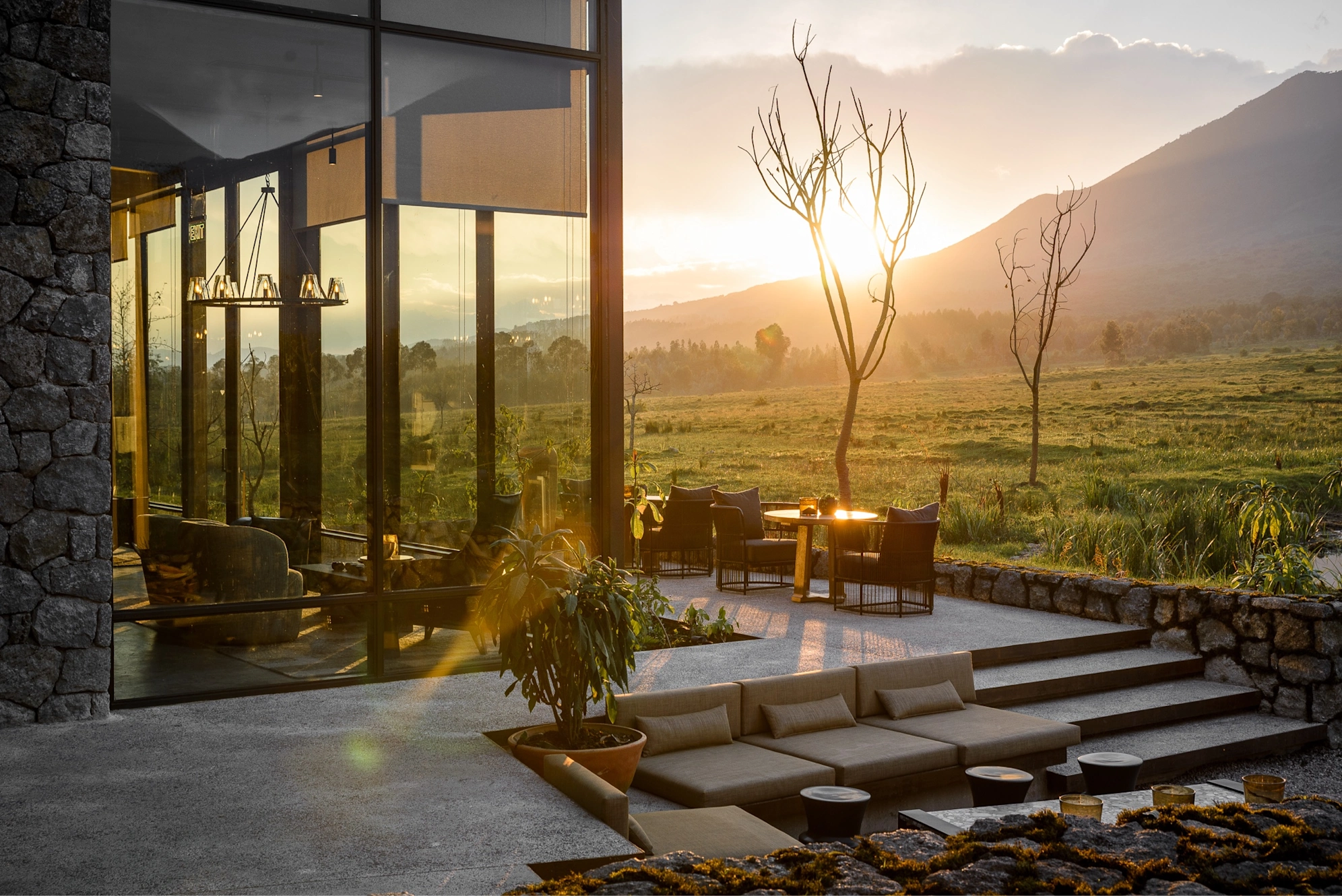
Rwanda offers accommodation options suitable for every travel style and budget, ranging from world-class luxury lodges to comfortable midrange properties and affordable guesthouses. Selecting the right accommodation can significantly enhance the overall chimpanzee trekking experience.
Luxury Lodges
Travelers seeking premium comfort and exceptional service will find several outstanding luxury properties near Nyungwe National Park. These lodges offer elegant accommodations, personalized services, gourmet dining, spa facilities, and guided nature experiences.
The most renowned luxury property is One&Only Nyungwe House, widely considered one of Africa’s finest rainforest lodges. Surrounded by tea plantations and forest landscapes, the lodge provides luxurious suites, exceptional hospitality, wellness experiences, and exclusive access to Nyungwe’s natural attractions.
Another excellent option is Nyungwe Top View Hill Hotel, which offers panoramic views of the surrounding mountains and forests while providing comfortable accommodations close to chimpanzee trekking departure points.
Midrange Accommodation
Midrange lodges provide an excellent balance between comfort and affordability. These properties typically feature private rooms, quality dining services, beautiful forest settings, and convenient access to park activities.
Many midrange accommodations cater specifically to primate safari travelers and offer tailored services such as packed breakfasts, transportation arrangements, and assistance with permit coordination.
Budget Accommodation
Budget-conscious travelers can choose from guesthouses, small lodges, and community-based accommodations near Nyungwe National Park. While amenities may be simpler, these properties provide clean and comfortable lodging options that allow visitors to experience chimpanzee trekking without significantly increasing overall travel costs.
Regardless of accommodation category, a well-organized Chimpanzee Trekking Guide recommends booking lodging together with permits to ensure smooth travel logistics and maximize availability during peak seasons.
Combining Chimpanzee Trekking with Other Rwanda Safaris

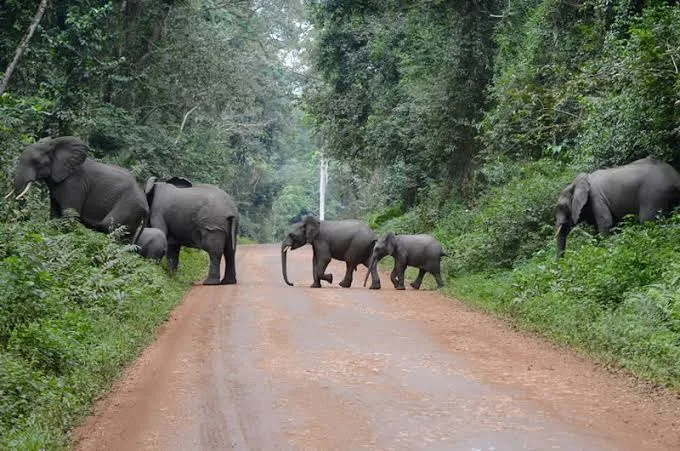

One of Rwanda’s greatest strengths as a safari destination is the ability to combine multiple wildlife and cultural experiences within a relatively compact geographic area. Many travelers use a Chimpanzee Trekking Guide as the foundation for creating broader Rwanda safari itineraries.
The most popular combination is chimpanzee trekking in Nyungwe National Park and gorilla trekking in Volcanoes National Park. This itinerary allows visitors to encounter Africa’s two most iconic primate species within a single journey, creating one of the continent’s most rewarding wildlife experiences.
Golden monkey tracking in Volcanoes National Park is another excellent addition. These colorful and energetic primates provide a completely different tracking experience and complement chimpanzee and gorilla encounters exceptionally well.
Many visitors also include a safari in Akagera National Park, Rwanda’s premier Big Five destination. Combining rainforest primates with traditional savannah wildlife creates a diverse and comprehensive safari adventure.
Cultural experiences in Kigali offer valuable insights into Rwanda’s history, culture, and remarkable transformation. Visitors can explore museums, local markets, memorial sites, and community tourism initiatives before or after their wildlife experiences.
Nyungwe’s famous canopy walk is another highly recommended activity. Suspended high above the rainforest floor, the canopy walkway offers spectacular views and unique perspectives of the forest ecosystem.
Combining these experiences allows travelers to discover the full diversity of Rwanda’s landscapes, wildlife, and cultural heritage while creating a truly unforgettable safari journey.
Book Your Rwanda Chimpanzee Trekking Adventure
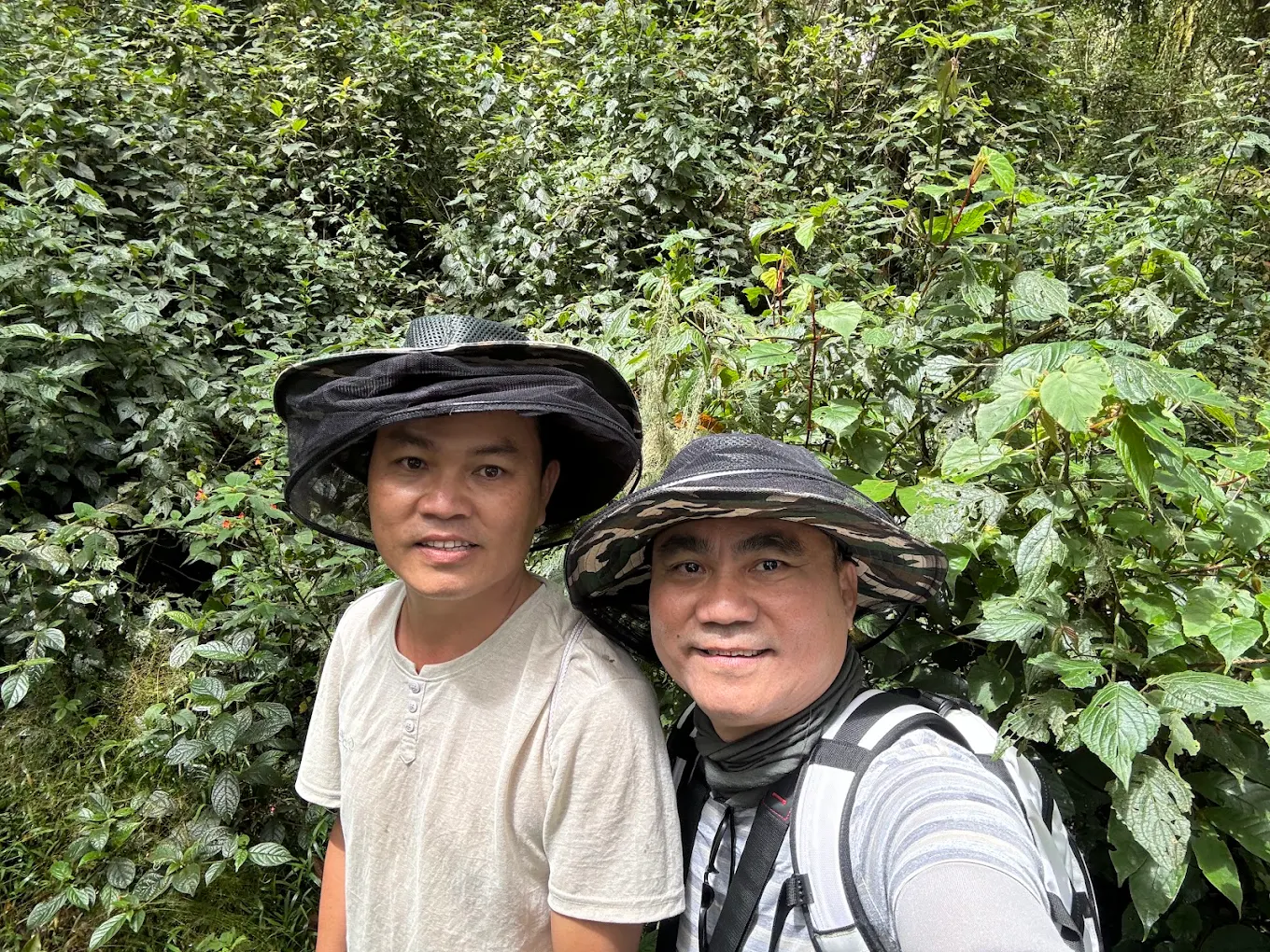


Booking your chimpanzee trekking safari in Rwanda in advance is the best way to secure permits, preferred accommodations, and a well-planned itinerary. Since chimpanzee trekking permits are limited and demand can be high during peak travel seasons, early reservations help ensure availability and allow travelers to customize their safari experience according to their interests, budget, and travel schedule.
Whether you are planning a dedicated chimpanzee trekking safari, a combined gorilla and chimpanzee adventure, a luxury Rwanda wildlife holiday, or a comprehensive primate-focused itinerary, professional safari planning can make the entire process seamless. From arranging permits and transportation to selecting the most suitable lodges and experienced guides, every detail can be coordinated to provide a smooth and memorable journey through Rwanda’s spectacular landscapes.
Our Rwanda safari specialists can help you design a personalized itinerary that includes chimpanzee trekking in Nyungwe National Park, gorilla trekking in Volcanoes National Park, golden monkey tracking, Akagera National Park game drives, Kigali city tours, and cultural experiences. Each safari is tailored to match your travel goals while maximizing wildlife viewing opportunities and overall comfort.
Booking early is especially important for travelers visiting during the peak seasons of June to September and December to February, when both permits and accommodations can sell out months in advance. Early planning also provides greater flexibility when choosing travel dates, lodge categories, and additional safari activities.