
Ultimate Guide to the Primates of Nyungwe Forest National Park
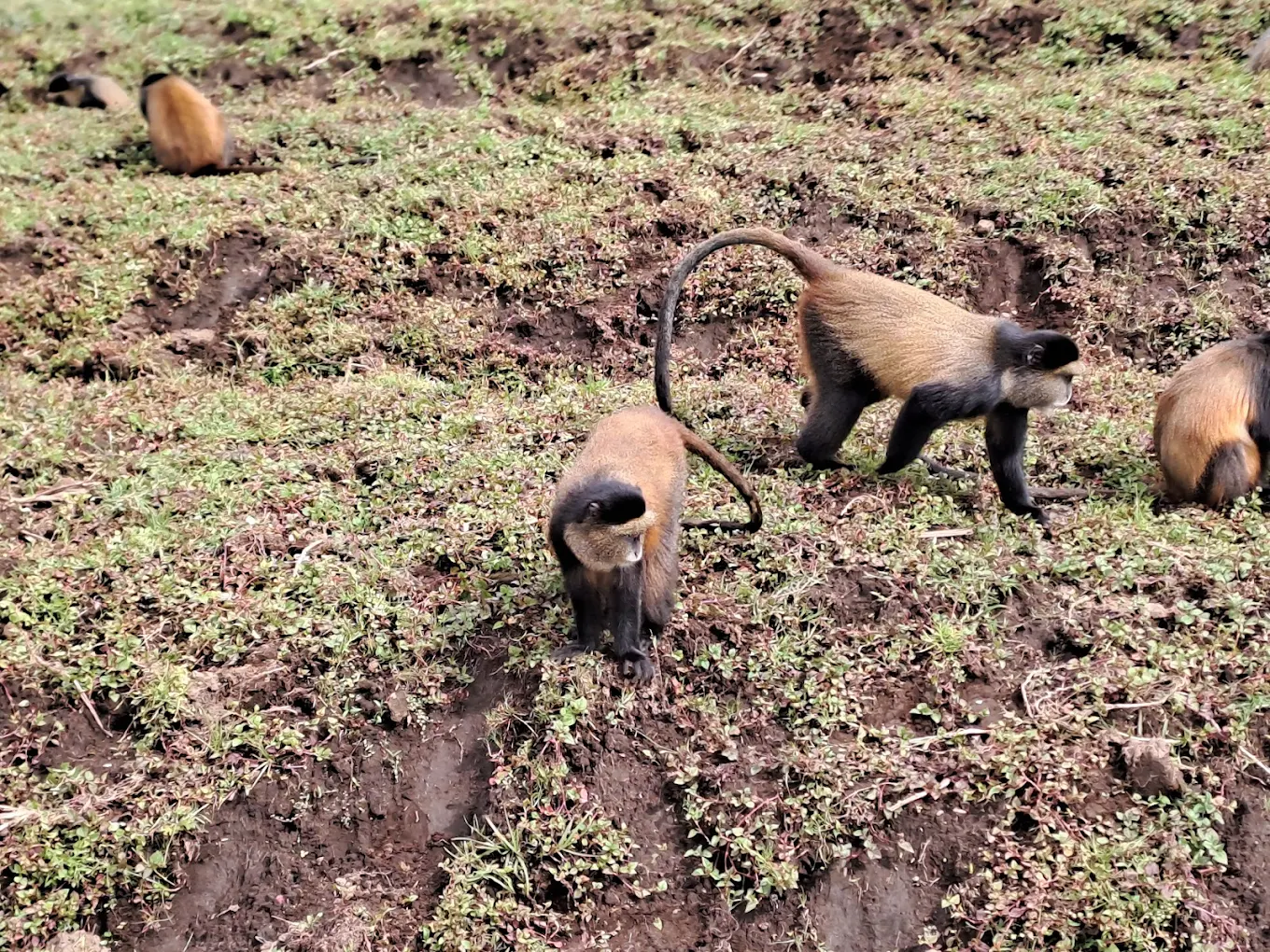
The Primates of Nyungwe are among the most remarkable wildlife populations found anywhere in Africa. Their significance extends far beyond simple species diversity, making Nyungwe Forest one of the continent’s most important centers for primate conservation, scientific research, wildlife tourism, and ecological preservation.
One of the factors that makes the Primates of Nyungwe so extraordinary is the sheer number of species that coexist within a relatively compact area of rainforest. With thirteen recorded primate species, Nyungwe Forest possesses one of the highest concentrations of primates on the African continent. Few protected areas offer visitors the opportunity to observe such a wide variety of monkeys and apes within a single ecosystem.
The ancient rainforest environment provides ideal habitat conditions for these species. Millions of years of ecological stability have allowed primates to evolve and adapt to different parts of the forest. Some species occupy the upper canopy, others thrive in the middle forest layers, while certain primates spend significant amounts of time closer to the forest floor. This separation of habitats allows multiple species to coexist without intense competition for resources.
The Primates of Nyungwe are also ecologically important because they play critical roles in maintaining rainforest health. Many species consume fruits and disperse seeds throughout the forest, contributing to natural regeneration and helping preserve biodiversity. Others influence vegetation dynamics and contribute to complex ecological interactions that support the entire rainforest ecosystem.
The forest supports:
- Thirteen primate species
- More than 500 chimpanzees
- Some of Africa’s largest colobus monkey troops
- Rare Albertine Rift endemic primates
- Several species of conservation concern
- Healthy populations of forest-dependent monkeys
For wildlife enthusiasts, the Primates of Nyungwe provide extraordinary opportunities to observe behaviors rarely seen elsewhere. Visitors can witness grooming rituals that strengthen social bonds, communication through vocal calls and body language, mothers caring for infants, playful interactions among juveniles, and dominance displays that shape social hierarchies.
Many travelers are particularly fascinated by the similarities between primate and human behavior. Watching chimpanzees communicate, solve problems, care for their young, or interact socially often provides powerful insights into our own evolutionary history.
Another aspect that makes the Primates of Nyungwe special is their accessibility. Rwanda’s well-developed tourism infrastructure and professional guiding services make it possible for visitors to experience these remarkable animals in a safe and sustainable manner. Carefully managed tourism ensures that wildlife encounters remain authentic while minimizing disturbance to the animals.
The combination of diversity, ecological significance, conservation value, and unforgettable wildlife encounters makes the Primates of Nyungwe one of Rwanda’s greatest natural treasures and one of Africa’s premier primate attractions.
Nyungwe Forest National Park: A Primate Paradise


The extraordinary diversity of the Primates of Nyungwe would not be possible without the unique ecological characteristics of Nyungwe National Park. This vast rainforest ecosystem provides one of the most important primate habitats remaining anywhere in Africa.
Covering more than 1,000 square kilometers, Nyungwe Forest represents one of the continent’s largest and oldest montane rainforests. Scientists believe portions of the forest have existed for millions of years, surviving major climatic changes that transformed other regions of Africa. This long period of ecological stability has allowed countless species to evolve and flourish within the forest.
The park’s remarkable habitat diversity is one of the primary reasons why the Primates of Nyungwe thrive here. Rather than consisting of a single forest type, Nyungwe contains a complex mosaic of ecosystems that support different species and ecological communities.
These habitats include:
Dense Montane Rainforest
The dominant habitat within Nyungwe, characterized by towering trees, thick vegetation, and abundant food resources. Many primate species spend much of their lives within these dense forest environments.
Bamboo Zones
Specialized areas that support unique plant communities and provide important feeding and shelter opportunities for certain wildlife species.
Swamps and Wetlands
Moist habitats that contribute to the forest’s ecological diversity and support numerous plant and animal species.
River Valleys
Watercourses running through the forest create fertile environments rich in vegetation and wildlife activity.
High-Altitude Ridges
Elevated sections of the park provide cooler conditions and support species adapted to montane environments.
Forest Clearings
Natural openings within the forest create opportunities for sunlight-loving plants and attract various wildlife species.
This variety of habitats allows the Primates of Nyungwe to occupy different ecological niches, reducing competition and supporting exceptional species diversity.
The forest also serves as one of East Africa’s most important water catchment areas. Rivers originating within Nyungwe contribute to both the Nile and Congo River systems, highlighting the park’s broader environmental importance.
Beyond primates, Nyungwe supports:
- More than 320 bird species
- Hundreds of butterfly species
- Numerous reptiles and amphibians
- Rare orchids and flowering plants
- Forest mammals and small carnivores
This extraordinary biodiversity creates a rich and dynamic environment where the Primates of Nyungwe flourish alongside countless other species.
For visitors, Nyungwe Forest provides an immersive wilderness experience unlike any other in Rwanda. The combination of ancient rainforest, dramatic mountain scenery, and exceptional wildlife makes it one of Africa’s most rewarding natural destinations.
Chimpanzees: The Most Famous of the Primates of Nyungwe

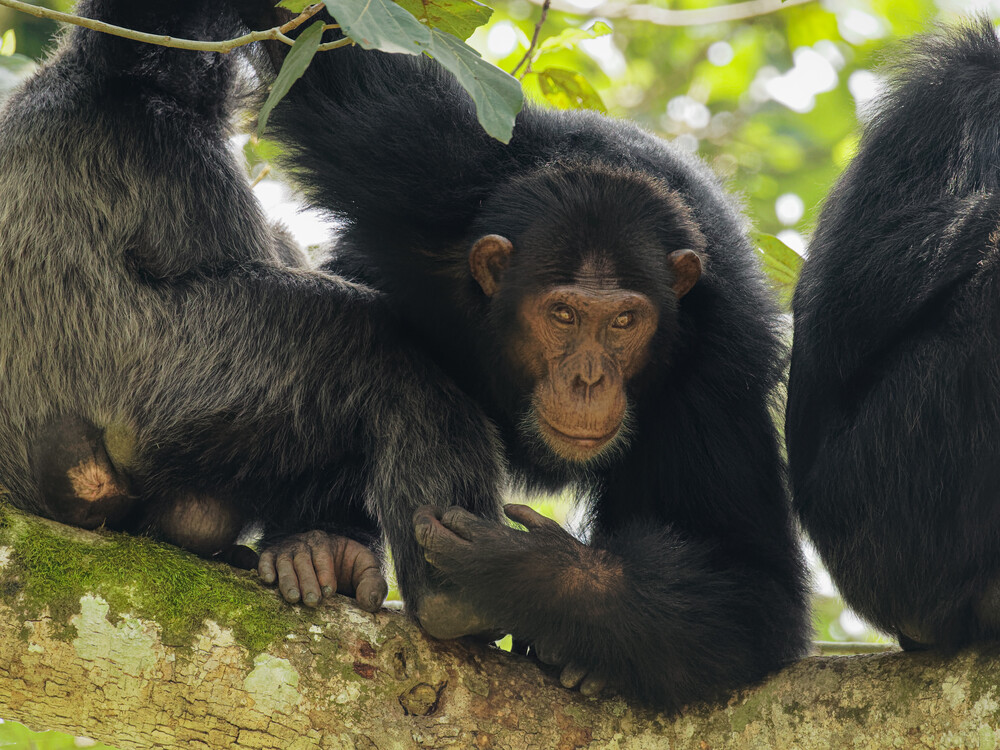
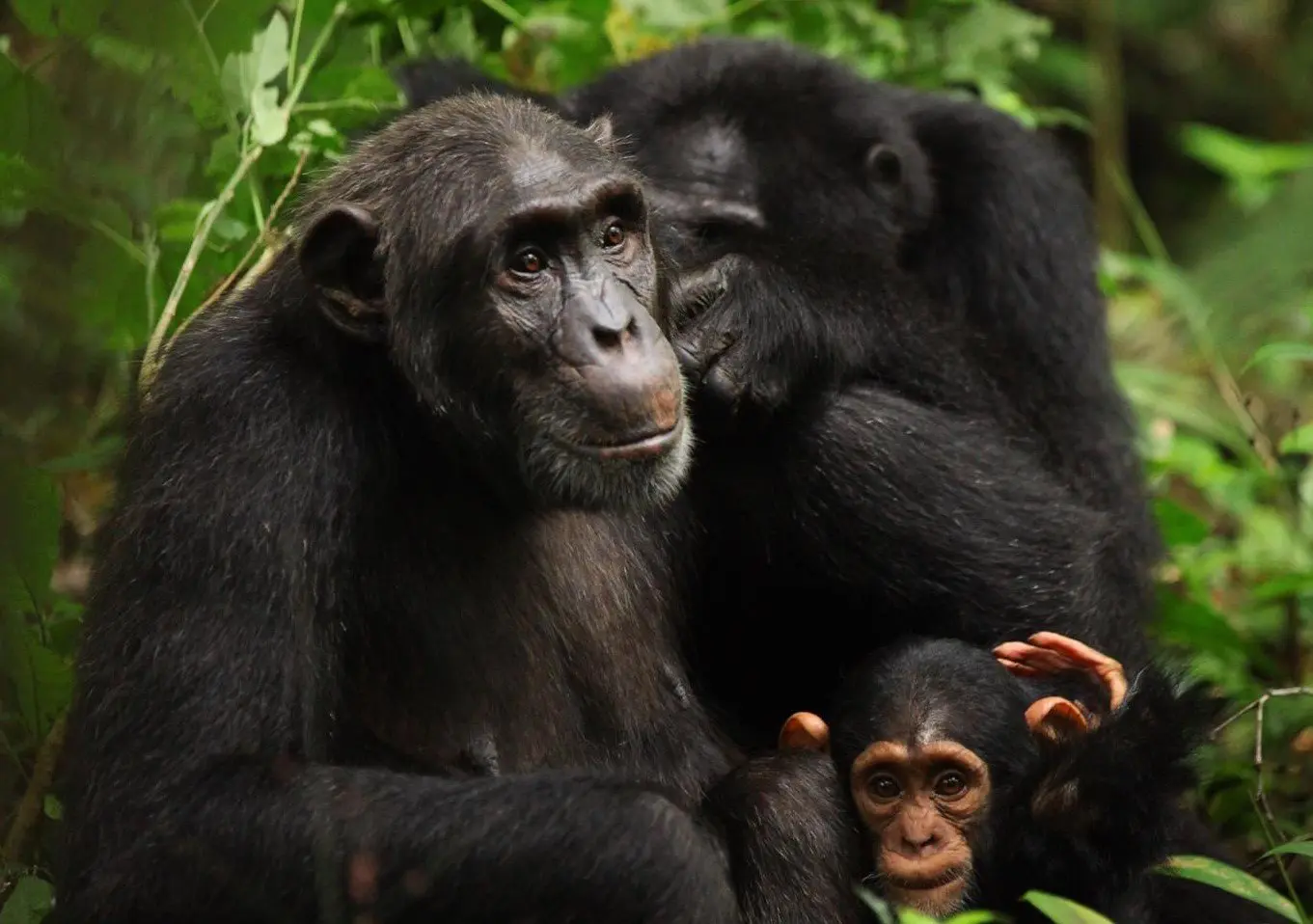
Chimpanzees are undoubtedly the stars of the Primates of Nyungwe and represent one of Rwanda’s most sought-after wildlife experiences. Their intelligence, social complexity, and close evolutionary relationship with humans make them among the most fascinating animals on Earth.
Nyungwe Forest supports more than 500 chimpanzees, making it one of East Africa’s most significant chimpanzee conservation areas. Several communities have been habituated to human presence, allowing visitors to observe them safely while preserving their natural behaviors.
Chimpanzees belong to the Eastern Chimpanzee subspecies and share approximately 98 percent of human DNA. This genetic similarity is reflected in many aspects of their behavior, which often appear strikingly familiar to human observers.
Chimpanzees live in highly organized social communities that may contain dozens of individuals. These communities are dynamic and constantly changing, with smaller groups frequently splitting apart and reuniting throughout the day.
Visitors participating in chimpanzee trekking may observe a wide variety of fascinating behaviors.
Tool Use
Chimpanzees are among the few animals known to use tools in the wild. They may use sticks to extract insects, leaves as sponges, or other objects to assist with feeding and problem-solving tasks.
Social Grooming
Grooming is one of the most important social activities within chimpanzee communities. Individuals spend considerable time cleaning one another’s fur, strengthening social bonds and reinforcing group relationships.
Vocal Communication
Chimpanzees communicate using an impressive range of sounds, including pant-hoots, screams, grunts, and calls that can travel long distances through the rainforest.
Nest Building
Each evening, chimpanzees construct sleeping nests in trees using branches and leaves. These nests are typically used for a single night before new ones are built the following day.
Hunting Behavior
Although primarily omnivorous, chimpanzees occasionally hunt smaller animals. These behaviors provide valuable insights into the complexity of their social and cooperative interactions.
Maternal Care
Female chimpanzees display remarkable devotion to their offspring. Mothers care for their young for many years, teaching them survival skills and social behaviors essential for life within the community.
Juvenile Play
Young chimpanzees frequently engage in playful activities that closely resemble human childhood behavior. They chase, wrestle, climb, and interact socially while learning important life skills.
Dominance Displays
Adult males often participate in dramatic displays involving loud vocalizations, branch shaking, charging, and physical posturing to establish and maintain social status within the group.
Chimpanzee trekking offers one of the most exciting ways to experience the Primates of Nyungwe. Treks begin early in the morning when experienced trackers search the forest for chimpanzee communities using vocalizations, nesting sites, feeding signs, and previous movement patterns.
Once located, visitors spend approximately one hour observing the chimpanzees in their natural environment. Because chimpanzees are highly active and constantly moving through the forest, each encounter is unique and unpredictable.
For many travelers, witnessing these intelligent animals in the wild becomes the highlight of their Rwanda safari. The experience not only provides unforgettable wildlife encounters but also fosters a deeper appreciation for conservation and our shared evolutionary heritage with the remarkable Primates of Nyungwe.
For your SEO page, these sections should be expanded into detailed, authoritative content with the focus keyword Primates of Nyungwe used naturally throughout.
Black-and-White Colobus Monkeys
Among the most visually spectacular Primates of Nyungwe, the black-and-white colobus monkeys are often considered one of the highlights of any visit to Nyungwe Forest National Park. Their striking appearance, social behavior, and enormous troop sizes make them one of the most fascinating species in Rwanda’s rainforest ecosystem.
These elegant monkeys are easily recognized by their glossy black coats, long flowing white mantles, and distinctive white tails that can extend well beyond the length of their bodies. As they leap gracefully between trees, their white fur creates dramatic flashes of color against the deep green rainforest canopy.
Nyungwe Forest supports some of the largest populations of black-and-white colobus monkeys in Africa. Certain troops contain several hundred individuals, making them among the largest monkey groups found anywhere on the continent. Witnessing such a large troop moving together through the forest canopy is an unforgettable wildlife experience and one of the most impressive spectacles among the Primates of Nyungwe.
Colobus monkeys are highly social and spend much of their time feeding, grooming, resting, and interacting with other troop members. Their social structures are complex and involve strong family bonds, cooperative behavior, and group protection against potential threats.
Unlike many other monkey species, black-and-white colobus monkeys possess specialized stomachs that allow them to digest leaves efficiently. Their diet consists primarily of young leaves, shoots, fruits, flowers, and seeds. Through their feeding activities, they play an important role in maintaining forest health and promoting plant regeneration.
Tracking these magnificent monkeys provides visitors with opportunities to observe their behavior up close while gaining a deeper appreciation for the diversity of the Primates of Nyungwe.
Grey-Cheeked Mangabeys
Grey-cheeked mangabeys are among the most energetic and charismatic Primates of Nyungwe, known for their lively personalities, constant movement, and loud vocalizations that frequently echo throughout the forest.
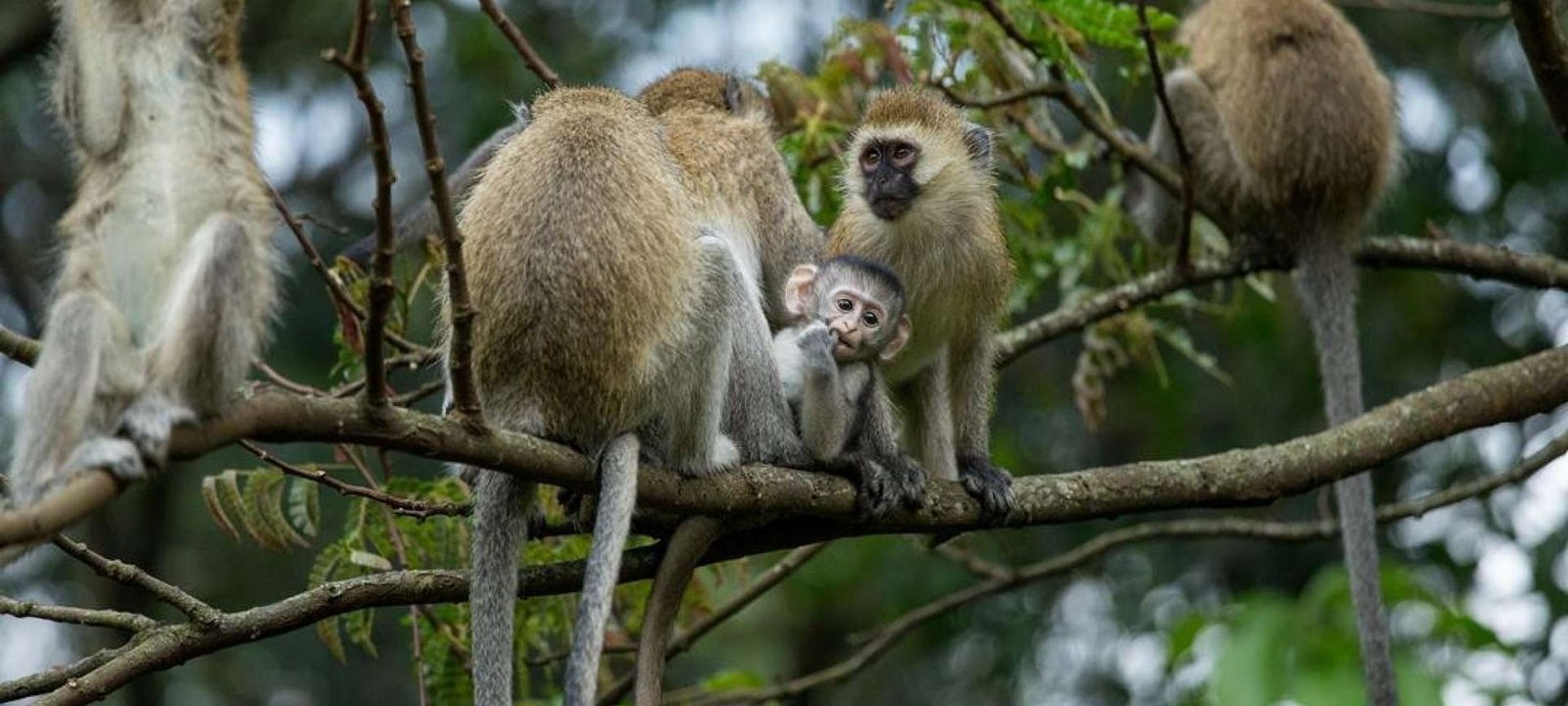
These medium-sized monkeys are distinguished by their gray cheeks, expressive eyes, and agile bodies. They spend much of their lives moving rapidly through the canopy while searching for food and interacting with other members of their groups.
One of the most fascinating aspects of grey-cheeked mangabeys is their social nature. They often travel in large groups consisting of multiple family units and maintain strong social bonds through grooming, vocal communication, and cooperative behaviors.
Their diet is highly varied and includes fruits, seeds, leaves, flowers, insects, and occasionally small animals. This dietary flexibility allows them to adapt to changing food availability within the rainforest ecosystem.
During primate walks, visitors often hear mangabeys before they see them. Their loud calls and active movement through branches frequently announce their presence long before the troop becomes visible. This anticipation adds excitement to wildlife encounters and makes sightings particularly rewarding.
Because of their playful behavior and photogenic appearance, grey-cheeked mangabeys are among the favorite subjects for wildlife photographers exploring the Primates of Nyungwe.
L’Hoest’s Monkeys
L’Hoest’s monkeys are among the most distinctive and intriguing Primates of Nyungwe. Their secretive nature and unique appearance make them one of the rainforest’s most sought-after wildlife sightings.
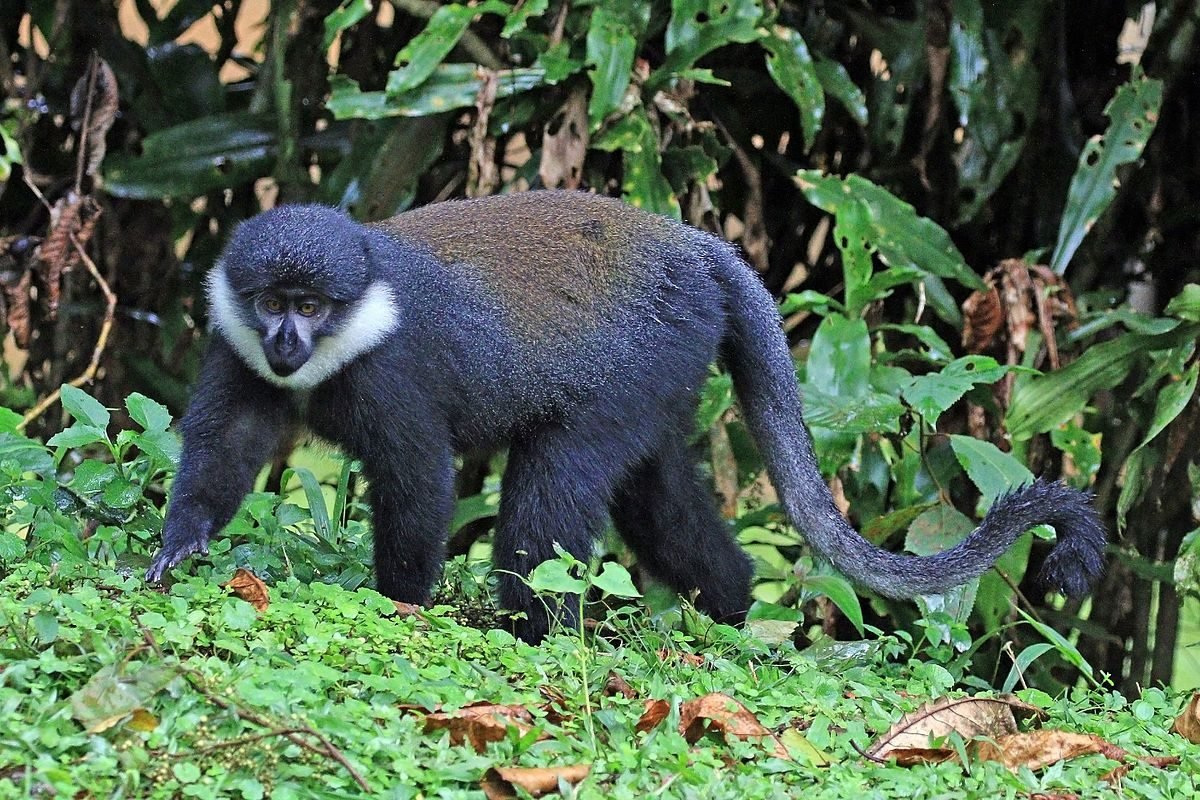
These monkeys are characterized by dark fur, bright white facial markings, and a noticeable white beard that gives them a distinguished appearance. Unlike many monkey species that spend most of their time high in the canopy, L’Hoest’s monkeys frequently move through lower forest levels and are often observed foraging closer to the ground.
Their cautious and shy behavior makes them more challenging to locate than some of Nyungwe’s other primates. However, experienced guides understand their preferred habitats and greatly increase the chances of successful sightings.
L’Hoest’s monkeys live in small social groups led by dominant females. They communicate through a variety of vocal calls, facial expressions, and body postures that help maintain group cohesion within dense forest environments.
As an Albertine Rift endemic species, L’Hoest’s monkeys have a relatively restricted distribution, making Nyungwe Forest one of the most important conservation areas for their long-term survival.
For primate enthusiasts, encountering L’Hoest’s monkeys provides an opportunity to observe one of the more elusive members of the Primates of Nyungwe community.
Blue Monkeys
Blue monkeys are among the most frequently encountered Primates of Nyungwe, offering visitors excellent opportunities for observation during chimpanzee trekking, canopy walks, and general forest excursions.
Despite their name, blue monkeys are not truly blue. Their coats appear grayish-blue under certain lighting conditions, particularly when sunlight filters through the rainforest canopy. This subtle coloration inspired their common name.
Blue monkeys are highly adaptable and occupy a variety of habitats throughout Nyungwe Forest. They typically live in groups dominated by a single adult male and multiple females with offspring.
Their diet consists primarily of fruits, leaves, flowers, seeds, and insects. As important seed dispersers, they contribute significantly to maintaining the ecological balance of the rainforest.
One of the reasons blue monkeys are so popular with visitors is their curious and inquisitive nature. Unlike some of the more secretive Primates of Nyungwe, blue monkeys often allow prolonged observation and frequently remain visible while feeding or interacting with group members.
Their playful behavior, expressive faces, and social interactions provide endless opportunities for photography and wildlife observation.
Red-Tailed Monkeys
Red-tailed monkeys add even greater diversity to the incredible Primates of Nyungwe. These attractive monkeys are known for their reddish tails, colorful facial markings, and exceptional agility within the forest canopy.

They spend most of their lives moving through the middle and upper levels of the rainforest, where they forage for fruits, leaves, flowers, and insects. Their athletic climbing abilities allow them to navigate complex forest environments with remarkable ease.
Red-tailed monkeys are highly social and frequently associate with other primate species. These mixed-species groups provide additional protection against predators and improve foraging efficiency.
Their interactions with blue monkeys, mangabeys, and other species create fascinating opportunities for visitors to observe interspecies relationships among the Primates of Nyungwe.
Because they are relatively common and often active during daylight hours, red-tailed monkeys are regularly encountered during guided forest walks and primate tracking excursions.
Owl-Faced Monkeys
Among the rarest and most mysterious Primates of Nyungwe are the owl-faced monkeys. Their elusive behavior and limited visibility make them one of the most prized sightings for experienced wildlife enthusiasts and researchers.
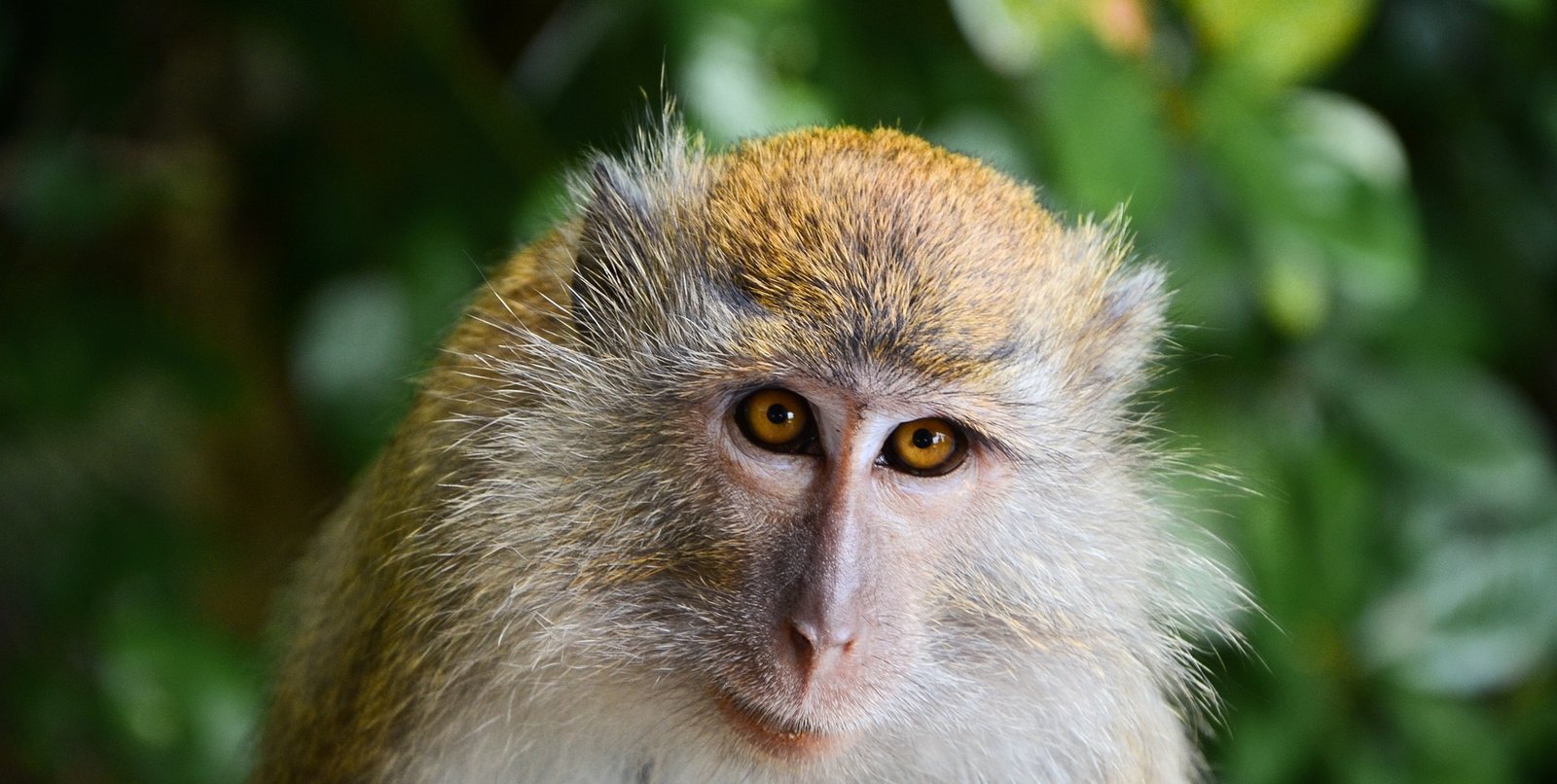
These monkeys derive their name from their distinctive facial features, which resemble those of an owl. Large eyes and unique facial coloration give them an unmistakable appearance compared to other primates found within Nyungwe Forest.
Owl-faced monkeys prefer remote sections of the rainforest and are often found in dense vegetation far from commonly used trails. Their shy behavior and low population density contribute to the difficulty of locating them.
For wildlife photographers and serious primate enthusiasts, a sighting of an owl-faced monkey represents a significant achievement and highlights the extraordinary biodiversity of the Primates of Nyungwe.
Their presence within the forest underscores the importance of continued conservation efforts aimed at protecting one of Africa’s richest rainforest ecosystems.
Vervet Monkeys and Other Primate Species
The diversity of the Primates of Nyungwe extends far beyond the most commonly observed species. Several additional primates contribute to the richness of the rainforest ecosystem and enhance the wildlife viewing experience for visitors.
Among these are vervet monkeys, known for their adaptability, intelligence, and social behavior. These monkeys occupy a variety of habitats and often live in complex social groups with clearly defined hierarchies.
Olive baboons occasionally occur within the broader ecosystem and contribute to the diversity of primate life in the region. Their intelligence and adaptability have enabled them to thrive in a wide range of environments.
Dent’s Mona monkeys are another fascinating species found within Nyungwe. Their colorful appearance and agile behavior make them exciting sightings during primate tracking excursions.
Angola colobus monkeys add further diversity to the forest’s primate community. Closely related to the black-and-white colobus monkeys, they contribute to the extraordinary variety that defines the Primates of Nyungwe.
Together, these species create one of Africa’s most remarkable primate assemblages and reinforce Nyungwe Forest’s reputation as a world-class destination for primate conservation and wildlife tourism.
Primate Tracking Experiences in Nyungwe Forest
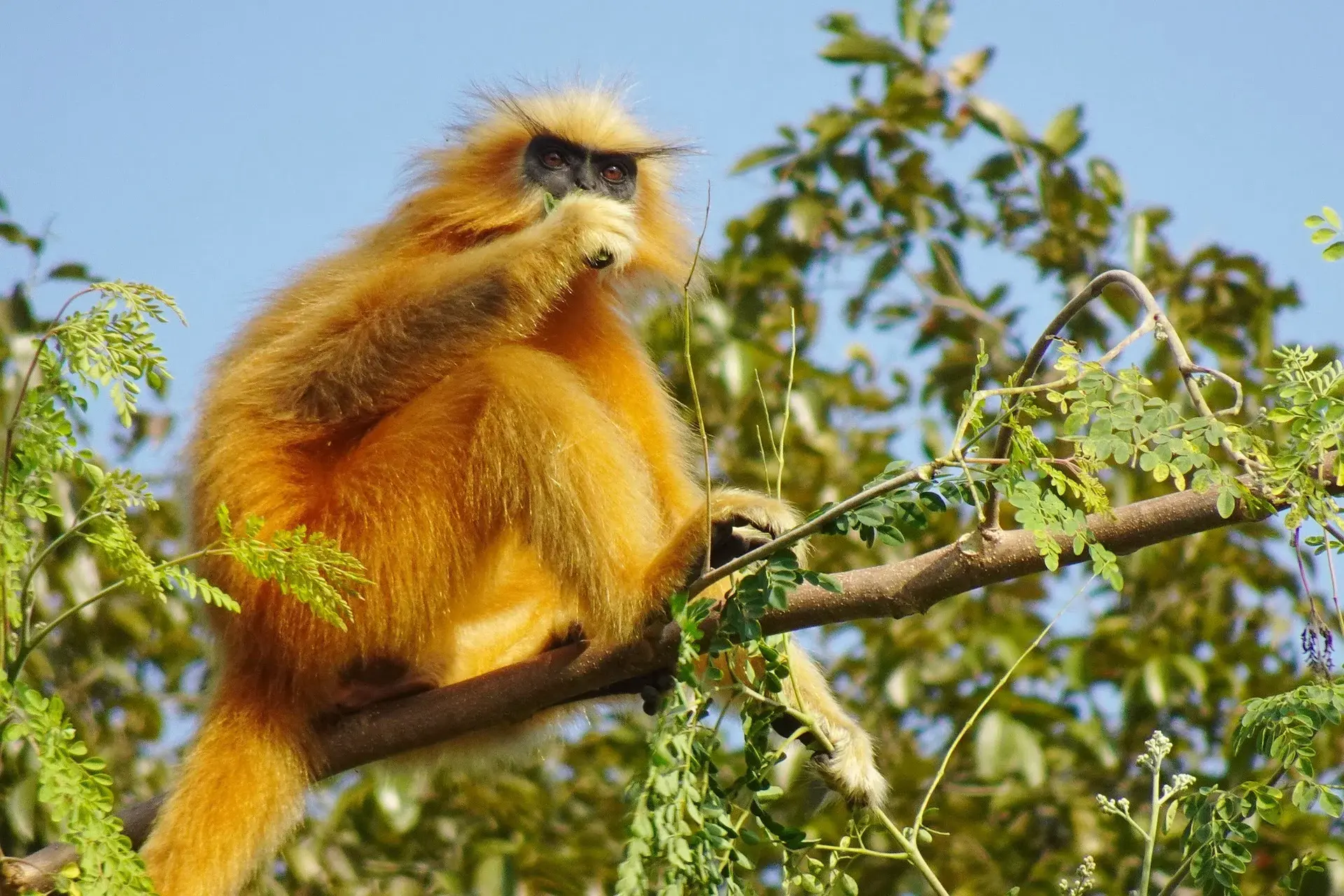
Tracking the Primates of Nyungwe is one of the most rewarding wildlife experiences available in Rwanda and attracts visitors from around the world seeking close encounters with some of Africa’s most fascinating animals.
Guided tracking excursions are led by highly trained park rangers and naturalists who possess extensive knowledge of the forest, wildlife behavior, and primate ecology. These experts help visitors locate species while providing valuable insights into their lives and conservation.
Chimpanzee Trekking
Chimpanzee trekking remains the most popular primate activity in Nyungwe Forest. Visitors follow experienced trackers through the rainforest in search of habituated chimpanzee communities before spending an unforgettable hour observing them in their natural environment.
Colobus Monkey Tracking
Colobus monkey tracking provides opportunities to observe some of Africa’s largest monkey troops. Watching hundreds of monkeys move together through the canopy is one of the most dramatic wildlife spectacles among the Primates of Nyungwe.
General Primate Walks
General primate walks focus on locating multiple species throughout the forest. These excursions often provide opportunities to observe blue monkeys, mangabeys, red-tailed monkeys, L’Hoest’s monkeys, and other species during a single outing.
Primate tracking experiences combine adventure, education, photography, and conservation, making them one of the most rewarding ways to explore Nyungwe Forest National Park and discover the incredible Primates of Nyungwe.
Book Your Primates of Nyungwe Safari
A safari focused on the Primates of Nyungwe offers one of the most extraordinary wildlife experiences available anywhere in Africa. Home to thirteen primate species, including chimpanzees, black-and-white colobus monkeys, grey-cheeked mangabeys, L’Hoest’s monkeys, blue monkeys, red-tailed monkeys, and several other fascinating species, Nyungwe Forest National Park provides unmatched opportunities for primate viewing, rainforest exploration, photography, and conservation-focused travel.
Whether you are a wildlife enthusiast seeking close encounters with chimpanzees, a photographer hoping to capture rare rainforest species, a birder exploring one of Africa’s richest ecosystems, or simply a traveler looking for a unique safari experience, the Primates of Nyungwe offer unforgettable adventures throughout the year.
Our expertly designed Nyungwe safaris can be customized to match your travel style, interests, budget, and schedule. We arrange every aspect of your journey to ensure a seamless and rewarding experience while maximizing your opportunities to observe the incredible diversity of the Primates of Nyungwe.
Our safari services include:
- Chimpanzee trekking permits
- Colobus monkey tracking experiences
- Guided primate walks
- Canopy walk excursions
- Birdwatching tours
- Luxury, midrange, and budget accommodations
- Private transportation
- Professional English-speaking safari guides
- Airport transfers
- Photography-focused itineraries
- Family-friendly safari programs
- Conservation and research-focused experiences
Our team works closely with Rwanda’s tourism authorities, lodges, guides, and conservation partners to ensure every itinerary delivers exceptional value, authentic wildlife encounters, and unforgettable experiences.
Contact us today to begin planning your Primates of Nyungwe safari and discover why Nyungwe Forest National Park remains one of Africa’s most important primate conservation areas and one of the continent’s most rewarding rainforest destinations. From chimpanzee trekking and monkey tracking to birdwatching and canopy walks, the incredible Primates of Nyungwe promise a safari experience unlike any other.