Permits for Disabled Travelers | Wheelchair Gorilla Trekking Options
Can Disabled Travelers Get Gorilla Trekking Permits?
One of the most common and emotionally loaded questions asked by travelers with disabilities is simple: can disabled people legally trek gorillas?
The clear and honest answer is yes, disabled travelers can obtain gorilla trekking permits, provided the experience is planned correctly and safety requirements are met.

Gorilla trekking permits are issued under national conservation frameworks that focus on wildlife protection, visitor safety, and ethical tourism. Disability, in itself, does not invalidate a permit, nor does it automatically exclude someone from participating in a gorilla trek.
Importantly, wheelchair use does not automatically disqualify a traveler. What matters most is not a diagnosis or mobility aid, but whether the trek can be carried out safely, respectfully, and without stress to the gorillas or the traveler. This is why planning is more important than physical condition.
Permits in Uganda and Rwanda are issued by national authorities, Uganda Wildlife Authority and Rwanda Development Board under the same conservation rules for all trekkers. There is no separate or reduced-standard permit category for disabled travelers. The permit itself remains exactly the same.
What changes is how the trek is planned around the permit. Accessibility considerations such as additional ranger coordination, porter support, or adaptive equipment are handled after a permit is secured and around the permit, not instead of it. This distinction is critical. It preserves conservation integrity while allowing inclusive access when conditions permit.
From a regulatory perspective, the system is intentionally neutral. It does not ask whether a traveler is disabled; it asks whether the trek can be conducted safely and ethically. When the answer is yes, the permit is valid, just like any other.
This clarity matters because it replaces uncertainty with confidence. Disabled travelers are not asking for exceptions to conservation rules. They are asking whether those rules allow space for thoughtful, human-centered planning. In many cases, they do.
Gorilla Trekking Accessibility | Reality vs Myths
Accessibility in gorilla trekking is often misunderstood, either exaggerated with false promises or dismissed outright. Both extremes are unhelpful. The truth lies in understanding what gorilla trekking is and what it is not.

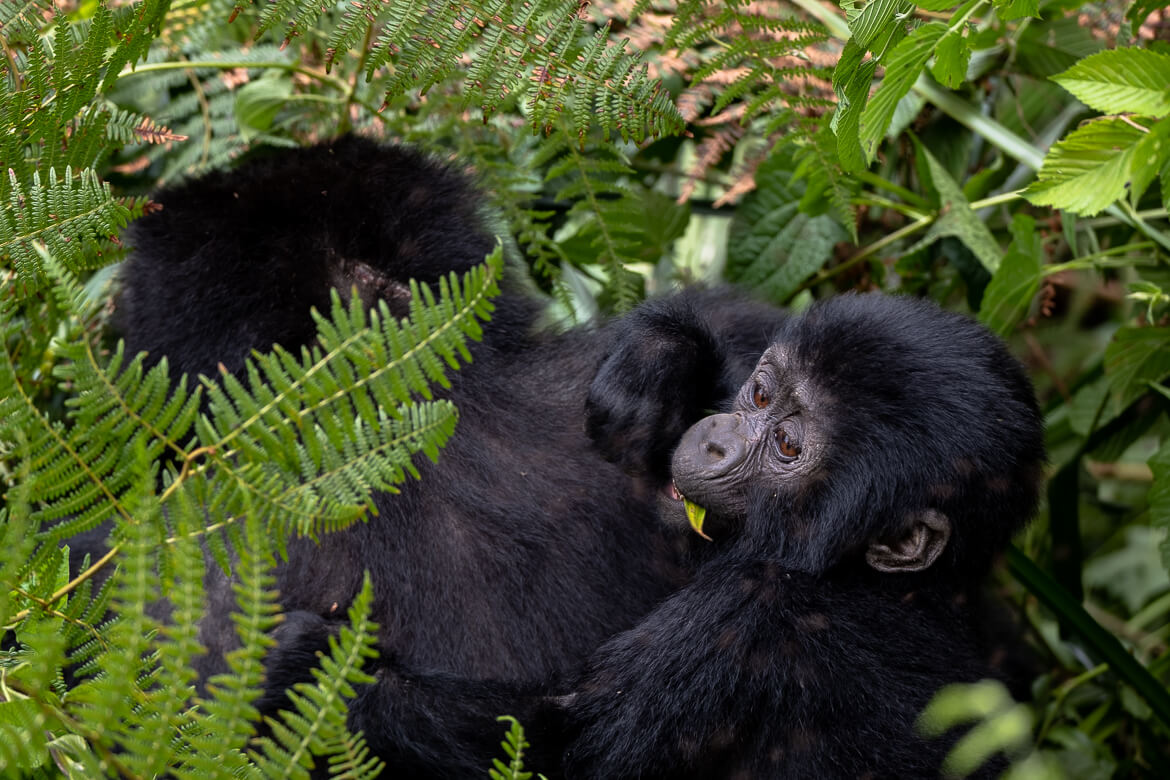

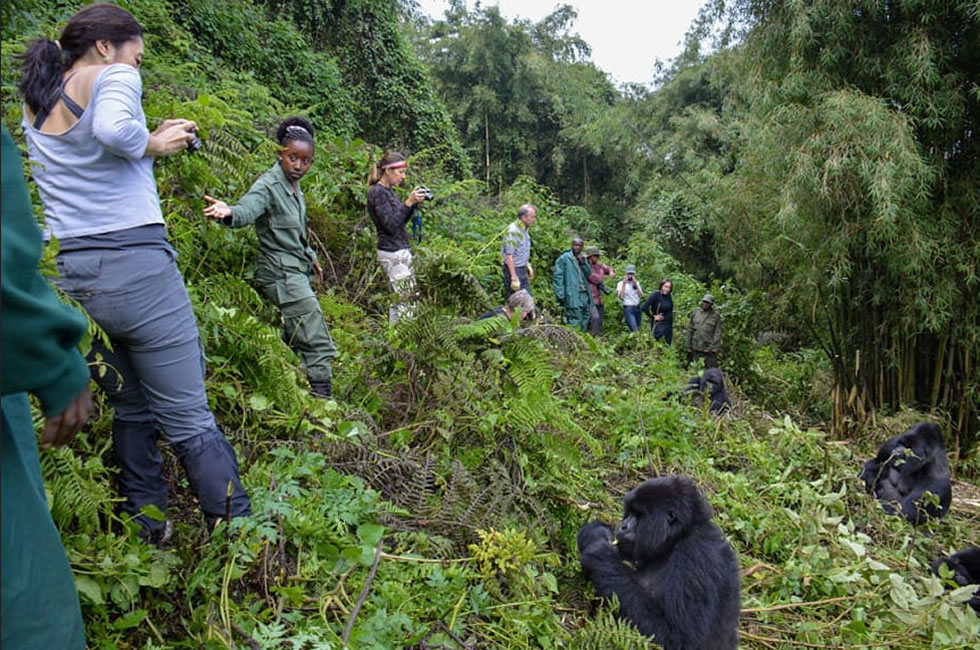
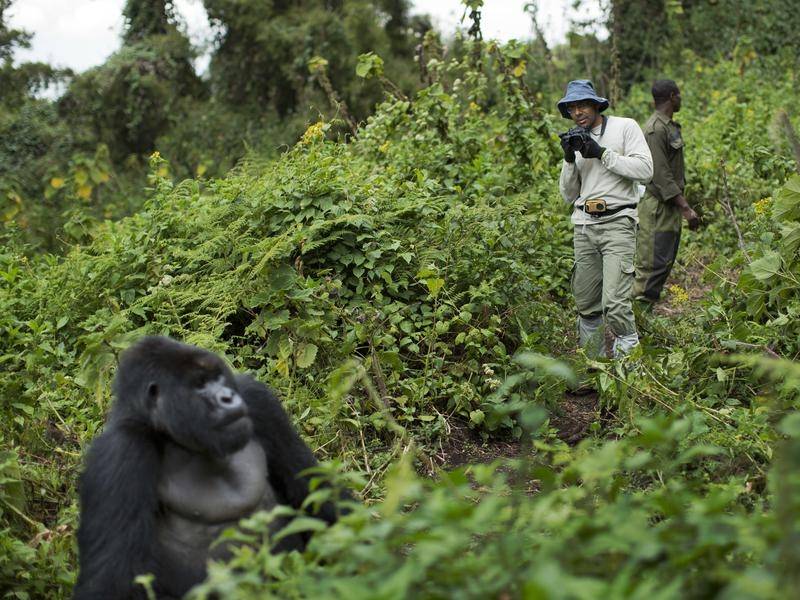
First, the reality. Gorilla trekking is not wheelchair-accessible by default. There are no paved paths, ramps, boardwalks, or mechanized access routes inside gorilla habitats. Trekking takes place in natural rainforest environments where the ground is uneven, vegetation is dense, and conditions change daily. Mud, roots, slopes, and narrow forest passages are part of the experience.
These facts are not limitations created by tourism infrastructure; they are deliberate conservation choices. Gorilla habitats remain wild because altering them for construction would damage ecosystems and stress the animals. Any discussion of accessibility must begin with this reality.
However, acknowledging this truth does not mean accessibility is impossible.
What makes gorilla trekking accessible for some disabled travelers is not infrastructure, but people. Accessibility is achieved through human support systems, not built environments. Trained rangers manage pacing and safety. Porters provide physical assistance. Adaptive solutions such as sedan chairs or supported carrying systems allow mobility-limited travelers to be transported carefully through forest terrain when conditions allow.
This distinction is essential for trust. Gorilla trekking is not marketed as “wheelchair-friendly” in the conventional sense, because that would be misleading. Instead, it is conditionally accessible, depending on planning, terrain, weather, group composition, and available support teams.
When done correctly, this human-centered approach preserves dignity and safety. It does not rush the experience, force participation, or compromise conservation standards. It relies on cooperation between rangers, porters, medical considerations, and realistic expectations.
For search engines and for travelers, this balance matters. Pages that promise effortless access lose credibility. Pages that dismiss accessibility entirely fail people who could, with the right planning, have a life-changing experience. By clearly separating myth from reality, this approach earns trust and trust is what converts.
Disabled travelers can obtain gorilla trekking permits, and in some cases, can participate in gorilla trekking experiences. The permit itself is never the barrier. The determining factor is whether accessibility can be responsibly planned around conservation rules, not in opposition to them.
This foundation prepares the ground for the next section, where we explain how wheelchair and sedan-chair gorilla trekking actually works in practice, without exaggeration or false hope.
Wheelchair & Sedan Chair Gorilla Trekking Explained
Wheelchair access in gorilla trekking is one of the most misunderstood topics in African tourism. To understand how accessibility actually works, it is essential to distinguish between wheelchairs and sedan chair trekking, and to explain how mobility-limited travelers are supported without altering gorilla habitats.

What a Sedan Chair Is in Gorilla Trekking
A sedan chair is a specially adapted carrying chair designed to transport a mobility-limited traveler through natural forest terrain. Unlike wheelchairs, which rely on flat surfaces and firm ground, a sedan chair is carried by trained porters, allowing the traveler to move safely through uneven rainforest environments.
In gorilla trekking, the sedan chair is not a luxury add-on or experimental solution. It is a functional mobility system that has been used for years under ranger supervision, particularly in Bwindi Impenetrable National Park and, in carefully planned cases Volcanoes National Park.
The chair is fitted with secure seating, support straps, and balanced carrying points. Its design prioritizes stability, safety, and dignity, rather than speed or convenience.
How a Sedan Chair Differs from a Wheelchair
A wheelchair is designed for paved or semi-paved environments. Gorilla trekking environments have none of these features. There are no ramps, boardwalks, or level trails inside gorilla habitats, and introducing such infrastructure would damage fragile ecosystems.
Because of this, wheelchairs are used only up to the trailhead. From that point onward, mobility is achieved through human-assisted transport, not wheeled movement.
The sedan chair replaces the function of a wheelchair in the forest, allowing access without forcing the environment to change. This distinction is critical for both safety and conservation compliance.
How Many Porters Are Involved
Sedan chair gorilla trekking typically involves between 6 and 12 trained porters, depending on:
- The traveler’s weight
- Terrain steepness
- Distance to the gorilla family
- Weather and ground conditions
Porters rotate positions to manage fatigue and maintain steady movement. They are coordinated by rangers and move at a controlled pace. This is not improvised labor; it is an organized support system with defined roles and safety protocols.
How Forest Terrain Is Navigated
Forest terrain is navigated slowly and deliberately. Porters communicate continuously, adjusting grip and pace as terrain changes. Slopes, roots, and narrow passages are approached with caution, and rest stops are frequent.
Rangers scout ahead and guide the team through the safest routes available on that day. If conditions change or a section becomes unsafe, the trek can be slowed, rerouted, or paused entirely.
The objective is never to “complete” a route, but to reach the gorilla family safely and calmly, preserving the quality of the encounter for both the traveler and the gorillas.
How Dignity and Comfort Are Preserved
Dignity is central to accessible gorilla trekking. Travelers are not rushed, carried aggressively, or treated as logistical challenges. Seating is stable, stops are taken when needed, and privacy is respected throughout the experience.
Importantly, gorilla trekking for wheelchair users is not rushed, not forced, and not experimental. It is a practiced system led by trained rangers, refined over time through real experiences not trial and error.
This approach ensures that accessibility does not come at the expense of comfort, safety, or self-respect.
How Permits Are Handled for Disabled Travelers
One of the most critical aspects of accessible gorilla trekking is understanding how permits are handled. Confusion here often leads to misinformation, unnecessary fear, or false expectations.

Permits Are the Same as for Other Trekkers
There is no special permit category for disabled travelers. Gorilla trekking permits issued to disabled guests are exactly the same permits issued to all other trekkers.
They carry the same conservation rules, group limits, time restrictions, and ethical standards. Disability does not reduce permit requirements, nor does it create exceptions to conservation law.
This uniformity is intentional. It ensures fairness, protects gorillas, and maintains the integrity of the trekking system.
Accessibility Is Arranged After Permit Allocation
Accessibility planning happens after a permit is secured, not before. The permit grants access; the logistics determine how that access is made possible.
This means:
- The permit itself is never “modified”
- No priority or exemption is created
- Trekking logistics are adapted around the individual, not the rules
This process protects both travelers and wildlife by keeping conservation standards intact.
Rangers Are Informed in Advance
While permits are standard, rangers are informed in advance when a disabled traveler will be trekking. This allows them to:
- Assign appropriate routes
- Coordinate porter teams
- Prepare safety contingencies
- Match the group to suitable gorilla families
This coordination is essential and must be done ethically and transparently through experienced operators.
Conservation Ethics Remain Central
A key reassurance for both travelers and conservation advocates is this:
Permits for disabled travelers follow the same conservation rules, with trekking logistics adapted to the individual.
There is no compromise on gorilla welfare. If conditions are unsafe for the traveler or stressful for the gorillas, the trek is adjusted or postponed. Accessibility never overrides conservation responsibility.
Wheelchair gorilla trekking in Africa is possible in specific, carefully planned circumstances, using sedan chairs and trained human support not infrastructure changes. The permit itself is never the barrier. The determining factor is whether trekking logistics can be ethically adapted while preserving safety, dignity, and conservation integrity.
These sections establish the technical, ethical, and legal foundation needed to rank and to earn trust.
Uganda vs Rwanda | Accessibility & Permit Differences
When disabled travelers compare Uganda and Rwanda for gorilla trekking, the real question is not whether permits are legal in both countries, they are but which destination offers more practical flexibility for accessible trekking.
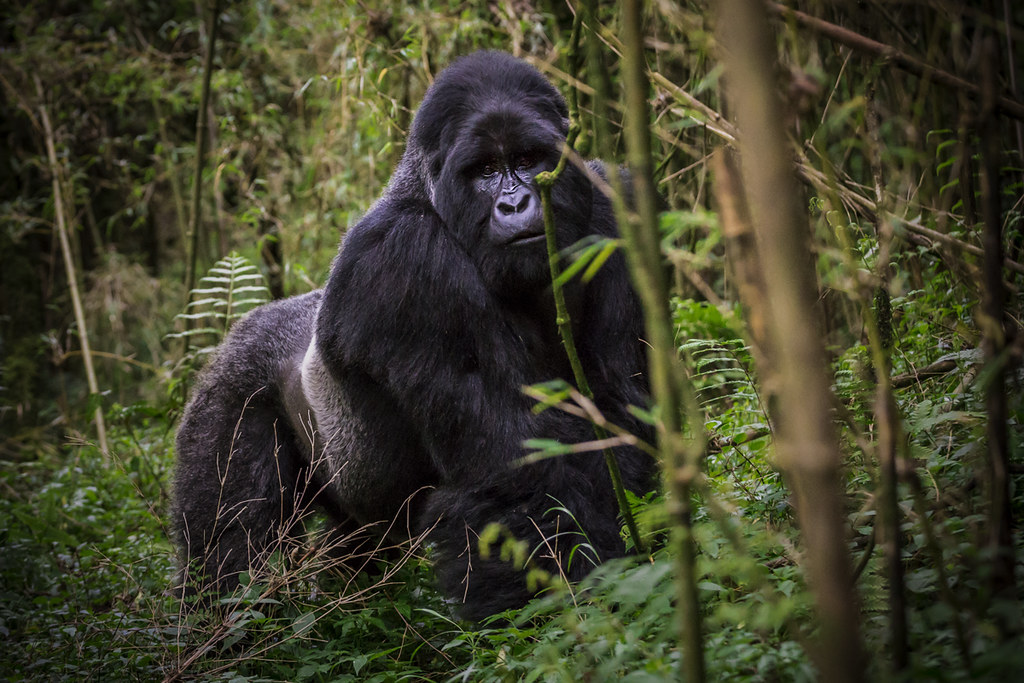
Both countries operate under strict conservation frameworks, yet their geography, park structure, and operational scale create meaningful differences for wheelchair and mobility-limited travelers.
Uganda: Greater Experience and Flexibility
Uganda has longer and more consistent experience supporting sedan chair gorilla trekking. The country’s flagship gorilla destination, Bwindi Impenetrable National Park, is divided into multiple trekking sectors, each with several habituated gorilla families at varying elevations and distances.
This structure gives rangers more daily options when matching accessible treks. If one sector becomes unsuitable due to rain, terrain conditions, or gorilla movement, alternatives often exist within the same park. That flexibility matters enormously when planning for mobility-limited travelers.
Terrain diversity in Uganda also works in favor of accessibility planning. While some areas are steep, others offer gentler gradients and more predictable routes, allowing rangers to adapt assignments without compromising conservation rules. This adaptability is one reason Uganda is frequently recommended for travelers who require careful logistical planning.
From a permit perspective, Uganda follows the same permit rules for all trekkers, but its operational flexibility makes logistics easier to adapt around the permit, a crucial distinction for disabled travelers.
Positioning: Uganda offers experience, adaptability, and choice, which translates into more practical accessibility options.
Rwanda: Efficiency, Control, and Shorter Treks
Rwanda’s gorilla trekking takes place exclusively within Volcanoes National Park, a compact, highly managed park with fewer trekking sectors and a smaller number of habituated gorilla families.
This centralized structure allows for highly controlled logistics and, in some cases, shorter trekking distances. For travelers who prioritize minimizing time on the trail, this can be appealing. However, fewer sectors also mean less flexibility if terrain conditions or group needs change.
Rwanda’s permit cost is higher, and accessibility logistics tend to be more tightly regulated. While sedan chair trekking is possible in specific circumstances, options are fewer and must be planned with exceptional precision. The park’s higher altitude can also increase fatigue, which is an important consideration for some travelers.
Positioning: Rwanda emphasizes efficiency and control, with potential for shorter treks but less room for adjustment.
Which Is Better for Accessible Gorilla Trekking?
For most disabled travelers, especially wheelchair users, Uganda offers broader accessibility potential due to its sector diversity and operational experience. Rwanda can work well for carefully selected cases but requires stricter planning and accepts less margin for change.
This is why searches such as accessible gorilla trekking Uganda vs Rwanda and wheelchair gorilla trekking Africa often conclude that Uganda is the more adaptable option, while Rwanda suits travelers whose needs align precisely with its controlled structure.
Fitness, Safety & Medical Considerations
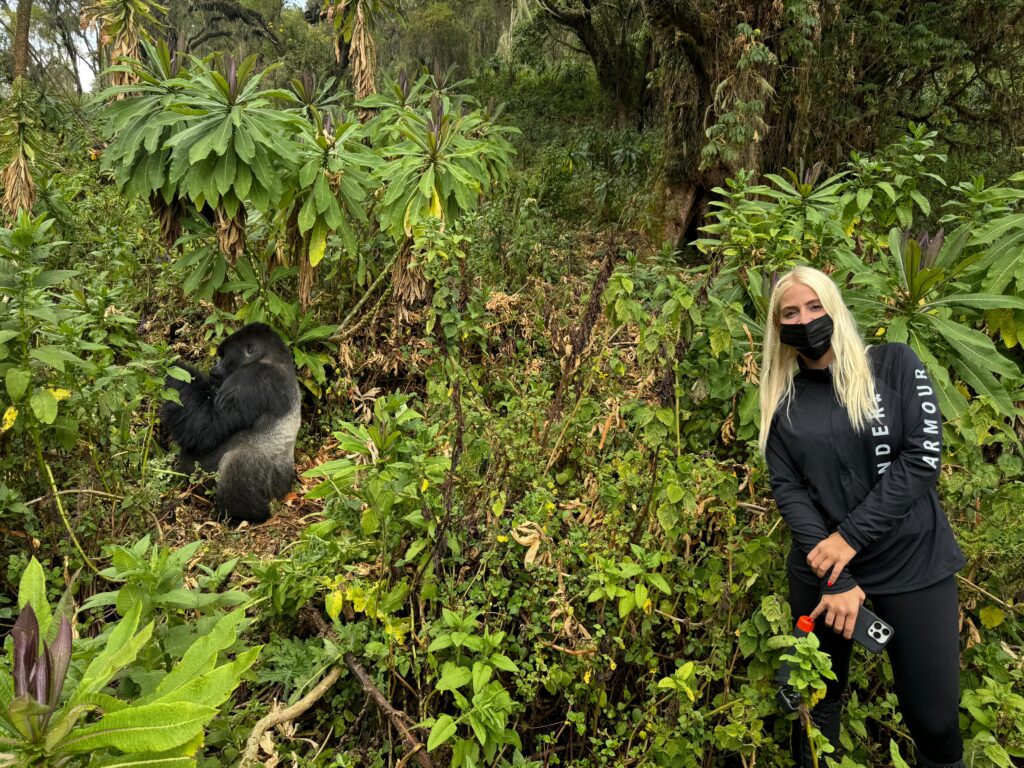
Accessibility in gorilla trekking is not defined by disability alone. It is shaped by individual capacity, safety planning, and environmental conditions. This section exists to inform, not discourage travelers, and to ensure experiences are planned responsibly.
Upper-Body Mobility vs Walking Ability
For mobility-limited travelers, upper-body stability and tolerance for seated transport are often more relevant than walking ability. Sedan chair trekking requires the ability to remain seated comfortably for extended periods and to tolerate gentle movement over uneven terrain.
Walking strength is not a prerequisite. What matters is comfort, balance while seated, and the ability to communicate needs clearly during the trek.
Medical Clearance and Honest Assessment
Formal medical clearance is not legally required, but professional medical advice is strongly recommended before planning an accessible gorilla trek. This is not about restriction, it is about preparedness.
Travelers should consider:
- Cardiovascular comfort at altitude
- Joint stability during prolonged seated movement
- Sensitivity to humidity and temperature changes
Sharing medical considerations early allows planners and rangers to design safer, more comfortable logistics.
Weather, Fatigue, and Pacing
Weather directly affects physical demand. Rain increases humidity and can slow movement, while heat accelerates fatigue even during short treks. For disabled travelers, pacing becomes especially important.
Accessible gorilla trekking is intentionally slow and flexible. Rest stops are frequent, hydration is prioritized, and the trek is never rushed. If fatigue increases or conditions worsen, rangers adjust pace or routes accordingly.
Listening to the body is encouraged, not judged.
Emergency Evacuation Preparedness
All gorilla trekking operations maintain emergency response protocols, including evacuation planning. For accessible treks, these plans are reviewed in advance with ranger teams.
This preparation does not indicate higher risk, it reflects professional responsibility. Knowing that contingencies exist provides reassurance for travelers and families alike.
Accessible gorilla trekking depends on destination choice, individual needs, and ethical planning, not on permit exceptions. Uganda generally offers more flexibility and experience, while Rwanda emphasizes control and efficiency. In both cases, fitness and safety are assessed holistically, with the goal of enabling not limiting participation.
These sections strengthen trust by showing that accessibility is approached thoughtfully, transparently and responsibly.
Step-by-Step – Planning a Disabled Gorilla Trek
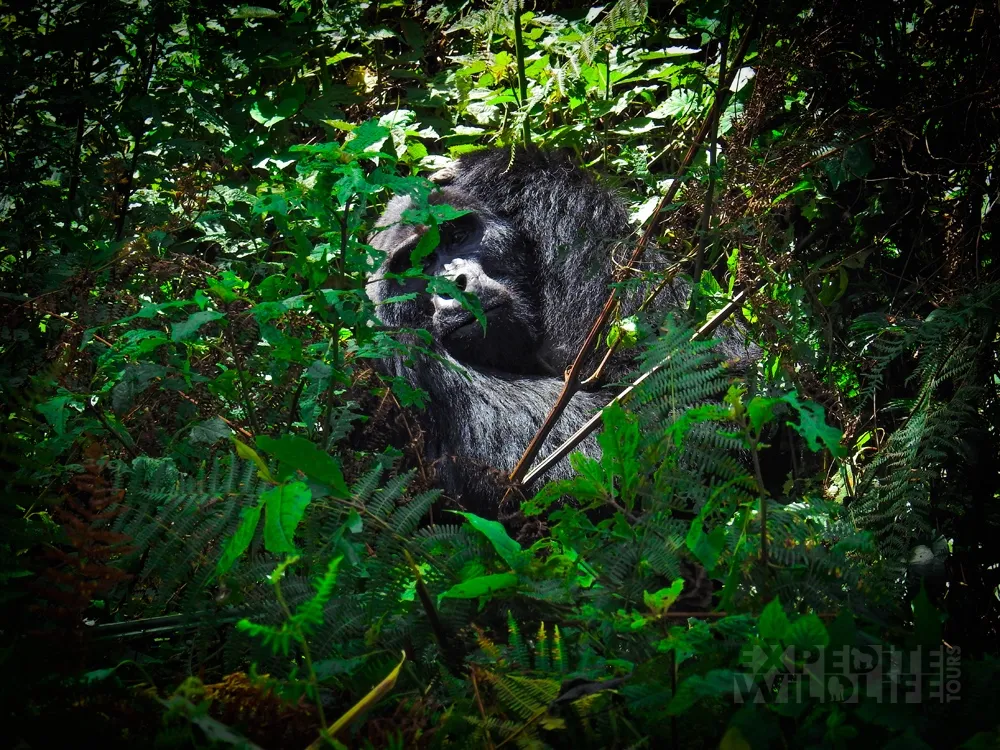
Accessible gorilla trekking is never improvised. When it works well, it is because every stage is planned deliberately, transparently, and in coordination with park authorities. The steps below explain how a disabled gorilla trek is responsibly organized from the first conversation to trekking day itself.
Initial Consultation
The process begins with a detailed consultation. This is not a sales discussion; it is a planning conversation. The goal is to understand the traveler’s mobility needs, comfort expectations, and personal goals.
Experienced operators such as Jovana Gorilla Safaris and Nextgen Safaris start by listening because accessible gorilla trekking cannot be designed using assumptions.
This stage establishes whether gorilla trekking is realistically achievable and, if so, under what conditions.
Medical & Mobility Discussion
The next step is an honest discussion about medical and mobility considerations. This does not mean sharing private medical records, but it does mean openly addressing factors such as balance, seating tolerance, fatigue sensitivity, and any conditions that may affect comfort or safety.
This step exists to enable success, not to exclude participation. When limitations are understood early, logistics can be adapted correctly and ethically.
Park & Sector Selection
Destination choice is critical. Some parks and sectors offer more flexibility for accessible trekking than others.
Based on the traveler’s needs, planners evaluate:
- Terrain predictability
- Distance variability
- Ranger experience with sedan chair trekking
- Weather patterns
Choosing the right park and sector dramatically improves the likelihood of a smooth experience and reduces physical strain on both traveler and support teams.
Permit Booking
Once feasibility is confirmed, the gorilla trekking permit is booked. This is a standard permit, identical to those issued to all other trekkers. There is no special category or exception for disability.
The permit secures legal access to trek. Accessibility planning happens around the permit, not instead of it. This ensures conservation rules remain intact.
Ranger Coordination
After the permit is secured, rangers are informed in advance that the trek will involve a disabled traveler. This allows park teams to:
- Prepare appropriate routes
- Assign experienced ranger guides
- Coordinate safety oversight
- Anticipate support requirements
This step is one of the most important and one that inexperienced planners often overlook.
Porter & Chair Logistics
Porter teams and sedan chair logistics are then arranged. The number of porters, chair configuration, and pacing strategy are determined based on terrain, distance, and individual comfort.
Porters are briefed in advance and work under ranger supervision. This is not ad hoc labor; it is structured teamwork with clear roles and safety protocols.
Trek Day Execution
On trekking day, everything moves at a deliberate, unhurried pace. Rangers lead the group, porters coordinate movement, and rest stops are taken as needed. If conditions change, the trek is slowed, adjusted, or paused.
There is no pressure to “push through.” Success is defined by safety, dignity, and meaningful encounter, not distance covered.
This step-by-step approach is why accessible gorilla trekking, when planned properly, is calm rather than stressful.
FAQs + Expert Accessibility
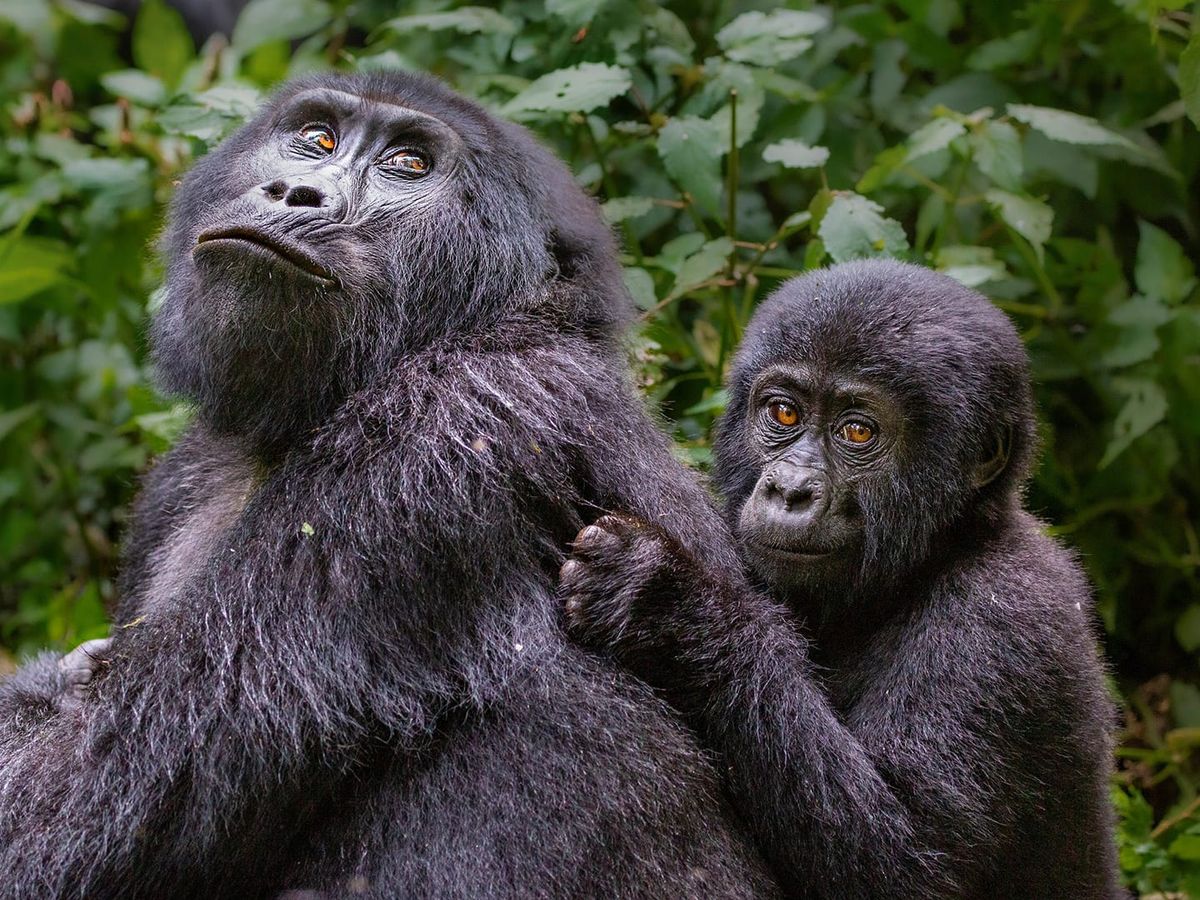
The questions below address the most common concerns raised by disabled travelers and their families when researching permits and accessibility.
Can Wheelchair Users Trek Gorillas?
Yes, in specific and carefully planned circumstances. While gorilla trekking is not wheelchair-accessible by default, wheelchair users may be able to trek using a sedan chair and trained porter support, provided conditions allow and planning is done responsibly.
Is the Experience Safe?
When properly planned, the experience is designed with safety as the top priority. Rangers lead the trek, porters are coordinated, and pacing is adjusted continuously. If conditions become unsafe, the trek is modified or stopped.
Safety always comes before completion.
How Many People Carry the Chair?
Typically, between six and twelve trained porters are involved, depending on terrain, distance, and individual needs. Porters rotate positions to manage fatigue and maintain stability throughout the trek.
Does Disability Affect Permit Availability?
No. Disability does not reduce, restrict, or alter permit availability. Permits are issued under the same conservation rules for all trekkers. What changes is how the trek is organized around the permit.
Is This Ethical for the Gorillas?
Yes, when done correctly. Ethical accessibility does not alter gorilla behavior, increase group size, or extend viewing time. Rangers ensure that gorilla welfare is never compromised. If accessibility logistics would cause stress to the animals, the trek is adjusted or postponed.
Ethics remain non-negotiable.
Expert Accessibility (Soft & Trust-Based)
Our local specialists coordinate directly with rangers and accessibility teams to ensure disabled travelers experience gorilla trekking safely, respectfully, and with dignity.
At Jovana Gorilla Safaris and Nextgen Safaris, accessibility planning is treated as a responsibility, not a promise. When conditions allow, we plan with care. When they do not, we advise honestly.
That balance between possibility and integrity is what makes inclusive gorilla trekking meaningful.