How to Book Gorilla Permits (Updated Guide – Uganda & Rwanda)
Gorilla trekking is not an ordinary wildlife activity. It is a highly regulated conservation experience that allows a limited number of visitors to spend time with one of the world’s most endangered primates in their natural habitat. At the center of this system is the gorilla trekking permit, a mandatory document without which gorilla trekking is not legally or ethically possible.
Understanding what a gorilla permit is, why it exists, and how it works is the first and most important step in planning a successful gorilla trekking safari in Uganda or Rwanda.

What Is a Gorilla Trekking Permit?
A gorilla trekking permit is an official authorization issued by national conservation authorities that allows one person to participate in a guided gorilla trekking experience on a specific date and within a specific national park. The permit is required by law and is checked before trekking begins.
In Uganda, gorilla permits are issued by Uganda Wildlife Authority, the government body responsible for managing national parks and wildlife conservation. In Rwanda, permits are issued by Rwanda Development Board, which oversees tourism and conservation activities in Volcanoes National Park.
A gorilla trekking permit is not a general park entry ticket. It is a tightly controlled access pass that guarantees participation in a specific gorilla trek, led by trained rangers and trackers, with strict rules governing visitor behavior and group size.
When you purchase a gorilla permit, you are securing far more than access. The permit covers park entry for the trekking day, the services of professional park rangers and trackers, security escorts where required, and one hour of regulated interaction with a fully habituated gorilla family. In Uganda, the permit also includes briefing sessions and ranger-led guidance throughout the trek.
Why Gorilla Trekking Permits Are Mandatory
Gorilla permits are mandatory because mountain gorillas are critically endangered and extremely vulnerable to human impact. Unlike many other wildlife species, gorillas share a high percentage of their DNA with humans, making them susceptible to human diseases, stress, and behavioral disruption.
Permits exist to control how many people are allowed to visit gorillas each day, to ensure that trekking activities do not interfere with feeding, breeding, or social structures, and to protect gorillas from overexposure to humans.
Without permits, uncontrolled tourism would quickly damage gorilla populations. By limiting access, conservation authorities can closely monitor gorilla health, track movements, and intervene when necessary. This permit-based system is widely regarded as one of the most successful wildlife conservation models in the world.

Conservation and Community Funding Through Gorilla Permits
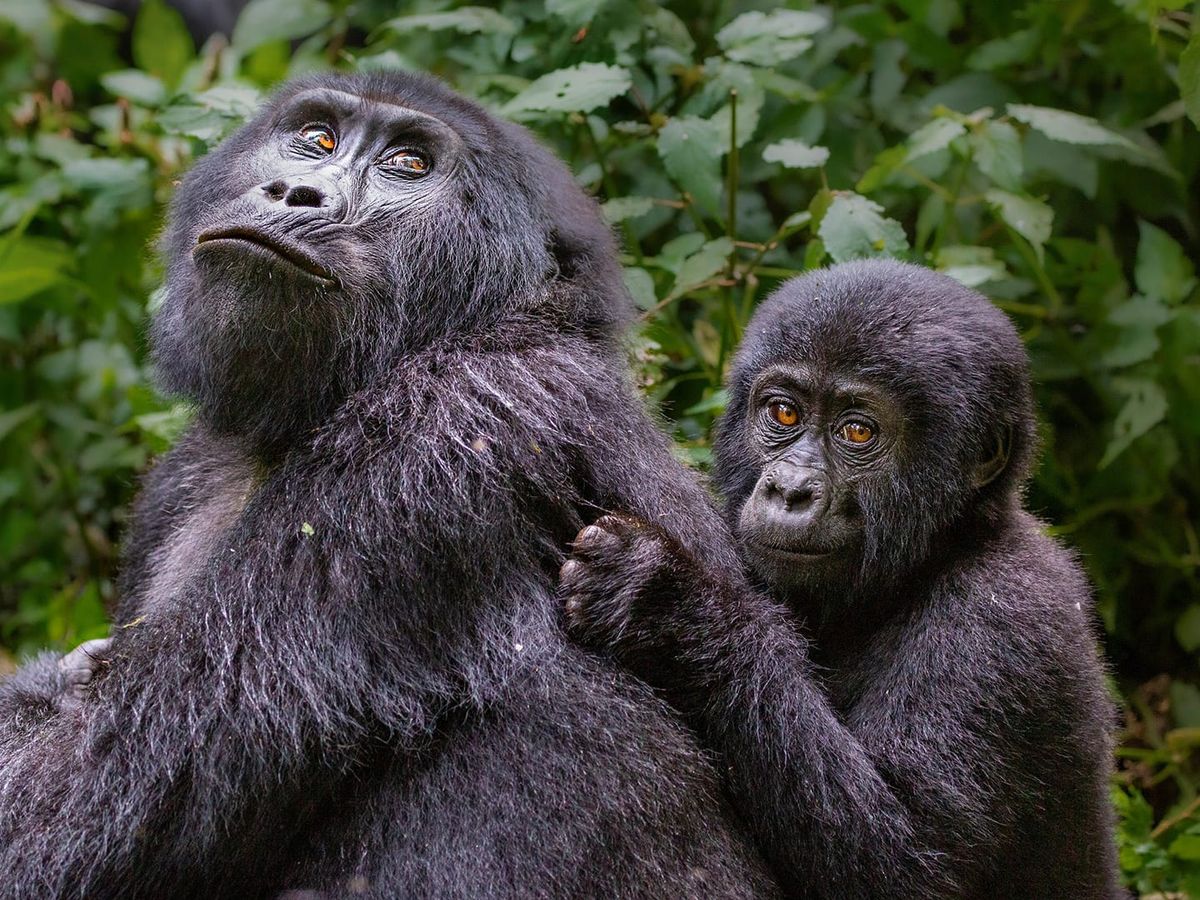
A significant portion of the cost of a gorilla permit goes directly into conservation and community development. Permit revenue funds anti-poaching patrols, veterinary interventions, ranger salaries, habitat protection, and scientific research that helps sustain gorilla populations.
In addition to conservation, gorilla permits support surrounding communities. Revenue-sharing programs fund schools, health centers, clean water projects, and community enterprises in villages bordering gorilla parks. This approach ensures that local communities benefit directly from protecting gorillas rather than seeing them as a threat.
This model has been instrumental in increasing mountain gorilla numbers over the past decades, turning gorilla trekking into a rare example of tourism that actively contributes to species recovery rather than decline.
Why Gorilla Permits Are Limited
Gorilla permits are deliberately limited, and this scarcity is one of the main reasons they sell out months in advance, especially during peak travel seasons.
The primary reason for limited permits is the structure of gorilla families. Each habituated gorilla family can only be visited by a small group of tourists per day, usually no more than eight people. This limit minimizes stress on the gorillas and prevents overcrowding during encounters.
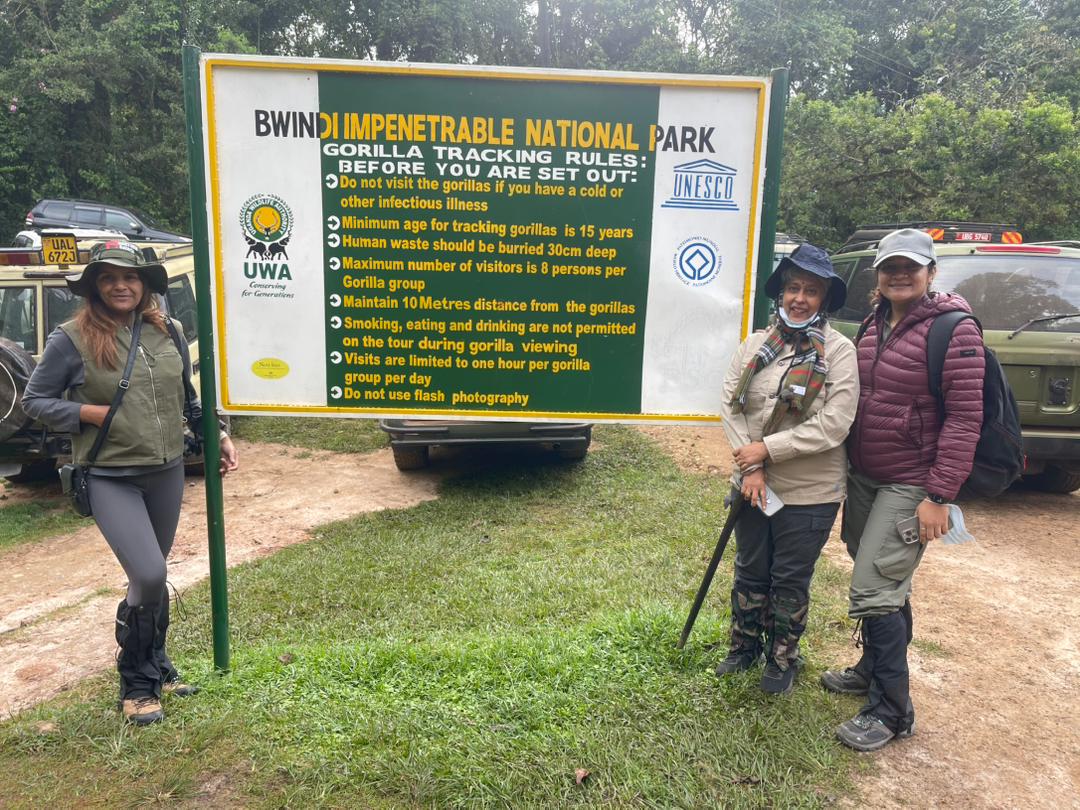
In addition to family size restrictions, daily trekking limits are imposed to control overall human presence in the forest. Even in large parks such as Bwindi Impenetrable National Park, which hosts many gorilla families across different sectors, the total number of permits per day is fixed and carefully managed.
Health protection rules further reduce availability. Visitors showing signs of illness are not allowed to trek, and strict hygiene protocols are enforced to prevent disease transmission. Gorillas are highly susceptible to respiratory infections, and even minor illnesses can be fatal to them.
Because permits are date-specific and non-transferable in most cases, missed or late bookings cannot be easily replaced. This scarcity drives high demand and explains why travelers are advised to book permits well in advance.
Why Gorilla Permits Sell Out Quickly
Gorilla permits sell out quickly because supply is fixed while demand continues to grow. Gorilla trekking has become one of Africa’s most sought-after wildlife experiences, attracting travelers from around the world.
Peak travel seasons, particularly during dry months, see intense competition for permits. Rwanda, with its smaller park and limited number of gorilla families in Volcanoes National Park, experiences especially high demand, often selling out months ahead.
In Uganda, availability is broader due to more trekking sectors, but popular dates still fill up fast. Once permits for a specific date are sold, no additional permits are released, regardless of demand.
This fixed supply model is intentional. It prioritizes gorilla welfare over tourism volume, ensuring that conservation goals always come first.
Types of Gorilla Permits Available
There are two main types of gorilla permits available in East Africa, each offering a different experience.
The standard gorilla trekking permit allows visitors to spend one hour with a fully habituated gorilla family. This is the most common permit type and is available in both Uganda and Rwanda. It offers a carefully managed introduction to gorilla trekking and is suitable for most travelers, including first-time visitors.
Uganda also offers a second option known as the gorilla habituation permit. This permit allows visitors to spend up to four hours with a gorilla family that is still undergoing the habituation process. The experience is longer, more immersive, and more demanding, as it involves tracking gorillas that are not yet fully accustomed to human presence.
Gorilla habituation permits are only available in Bwindi Impenetrable National Park and are issued in very limited numbers. They are ideal for travelers seeking a deeper understanding of gorilla behavior and conservation work, but they require higher fitness levels and tolerance for longer trekking times.
Where Gorilla Permits Are Used
Mgahinga Gorilla National Park
Gorilla permits are valid only for specific parks and cannot be transferred between countries or locations. Uganda’s permits apply to Bwindi Impenetrable National Park and Mgahinga Gorilla National Park, while Rwanda’s permits apply exclusively to Volcanoes National Park.
Each permit is tied to a specific date and park, and in some cases, a specific trekking sector. This ensures controlled visitor distribution and efficient ranger deployment.
A gorilla trekking permit is not simply a ticket; it is a conservation tool that protects one of the world’s most endangered species while supporting local communities. Its limited availability, strict rules, and structured system are what make gorilla trekking both exclusive and sustainable.
Understanding what a gorilla permit is, why it is required, and how it works sets the foundation for successful planning and helps travelers avoid costly mistakes later in the process.
How to Book Gorilla Permits (Step-by-Step Guide)
Booking a gorilla trekking permit is the most critical step in planning a gorilla safari. Permits determine whether your trek happens at all, which park you visit, and how your entire itinerary is structured. Because permits are limited, date-specific, and highly regulated, the booking process must be handled carefully and accurately.
This section explains exactly how to book gorilla permits in Uganda and Rwanda, outlines the official procedures, and clarifies why booking through an experienced local operator such as Jovana Gorilla Safaris or Nextgen Safaris significantly reduces risk.
How to Book Gorilla Permits in Uganda
In Uganda, gorilla permits are managed and issued exclusively by the Uganda Wildlife Authority. There are two legitimate ways to secure a permit: booking directly with the authority or booking through a licensed tour operator.
Both methods are legal, but they do not offer the same level of protection or convenience.
Booking Gorilla Permits Directly Through Uganda Wildlife Authority
Uganda Wildlife Authority allows individuals and agents to request gorilla permits directly. This process typically involves submitting a written request specifying preferred trekking dates, park choice, and permit type. Availability is checked manually, and once dates are confirmed, payment instructions are issued.
Payment is made via bank transfer in US dollars to Uganda Wildlife Authority accounts. Only after full payment is received is a permit confirmed and allocated. Confirmation can take several working days, depending on communication speed and banking timelines.
While this method is possible, it requires precision. Dates must be exact, payments must match invoice instructions perfectly, and follow-up is often necessary to confirm receipt. Any error in dates, names, or payment reference can delay or invalidate the booking. Refunds and changes are extremely limited once payment is processed.
For first-time travelers, this process can feel complex and risky, particularly when coordinating international payments and aligning permits with accommodation and transport.
Booking Gorilla Permits Through Licensed Tour Operators
The most common and reliable way to book gorilla permits in Uganda is through a licensed local tour operator. Licensed operators work directly with Uganda Wildlife Authority on a daily basis and have established systems for checking availability, reserving permits, and confirming allocations efficiently.
When booking through an operator, the permit becomes part of a complete safari arrangement rather than a standalone purchase. Dates, park sectors, lodge availability, and transport logistics are aligned from the start.
This approach minimizes the risk of mismatched dates, unavailable accommodation, or impossible transfer times. It also ensures that if availability shifts, alternatives can be secured quickly before permits sell out.
Payment Process for Uganda Gorilla Permits
Whether booked directly or through an operator, gorilla permits in Uganda require full advance payment. Permits are not held without payment, and provisional reservations expire quickly.
When booking through a tour operator, clients typically pay the operator, who then settles the permit payment with Uganda Wildlife Authority on the client’s behalf. This consolidates payments and avoids international banking complications.
Permit confirmations are issued only after payment is received and processed. Once confirmed, permits are tied to specific names and dates and cannot be freely transferred.
Confirmation Timelines in Uganda
Permit confirmation timelines vary depending on season and booking method. During low seasons, confirmation may be received within a few days. During peak seasons, especially from June to September and December to February, confirmation can take longer due to high demand.
Tour operators often receive faster confirmations because of direct communication channels and familiarity with the system. This can be crucial when permits are selling out quickly.
Why Booking Gorilla Permits Through a Local Operator Is Safer
Although direct booking is possible, many travelers underestimate the complexity of aligning permits with real-world logistics. Gorilla trekking requires precise coordination. If permit dates do not match arrival dates, lodge availability, or travel routes, the entire safari can collapse.
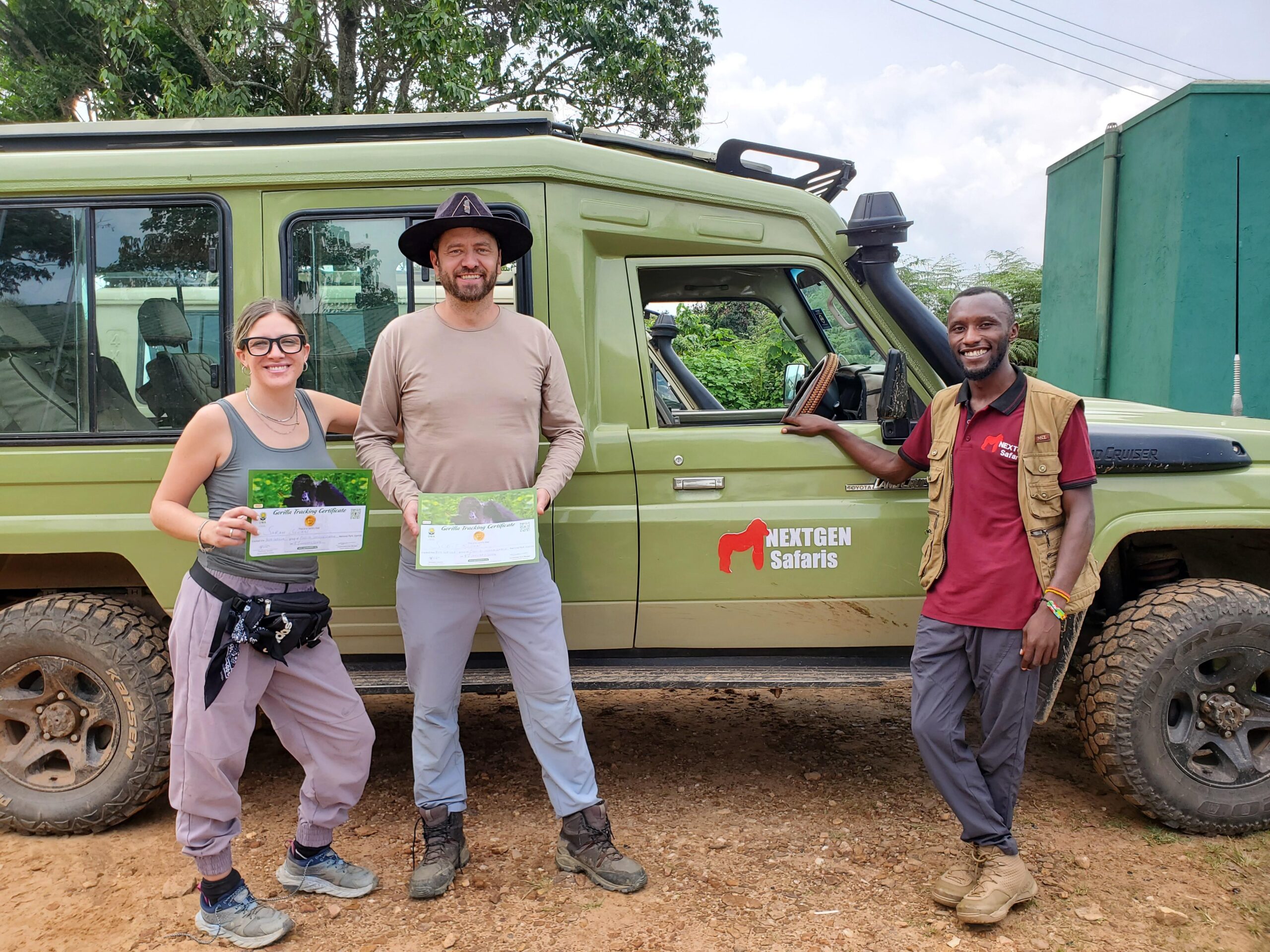
Local operators eliminate these risks by managing the process holistically.
Why Booking with Jovana Gorilla Safaris or Nextgen Safaris Is Safer
Jovana Gorilla Safaris and Nextgen Safaris operate on the ground in Uganda and Rwanda and handle gorilla permit bookings as part of integrated safari planning.
Instead of simply purchasing a permit, clients benefit from real-time availability checks, sector selection based on fitness and travel plans, and immediate alternatives if preferred dates are unavailable.
Because these companies work daily with conservation authorities, they understand permit release patterns, peak demand windows, and practical cutoff times for transfers. This local insight prevents common mistakes such as booking permits too far from arrival points or selecting sectors that require unrealistic travel times.
Payment security is another major advantage. Clients make a single payment covering permits and safari services, reducing exposure to international banking delays or currency mismatches. Once payment is made, permits are secured and confirmed on behalf of the client.
In the rare event of disruptions, such as travel delays or force majeure issues, local operators are better positioned to negotiate date changes or secure alternatives than individual travelers dealing directly with authorities.
How to Book Gorilla Permits in Rwanda
In Rwanda, gorilla permits are issued by the Rwanda Development Board and apply exclusively to Volcanoes National Park.
The booking process in Rwanda is more centralized and more rigid than in Uganda. Permits are limited, demand is consistently high, and prices are fixed.
Travelers or agents submit permit requests specifying dates and group details. Once availability is confirmed, payment is required in full before permits are issued. Because Rwanda permits sell out far in advance, especially during dry seasons, flexibility is limited.
Booking through a local operator is strongly recommended, as operators can align permits with border crossings, transfers from Kigali, and accommodation availability. This is particularly important for travelers combining Rwanda with Uganda or arriving on tight schedules.
Can You Book Gorilla Permits Online?
Many travelers search for ways to book gorilla permits online. While email-based systems exist, there is no fully automated online checkout system equivalent to booking a flight or hotel.
Permit booking involves manual verification, payment processing, and confirmation by authorities. This is why misleading “instant booking” claims should be treated with caution.
Licensed operators bridge this gap by handling the process efficiently while keeping clients informed at every step.
Booking a gorilla permit is not just a transaction; it is a coordination process that determines the success of the entire safari. While direct booking is possible, it carries risks that many travelers only discover too late.
Booking through experienced local operators such as Jovana Gorilla Safaris or Nextgen Safaris provides security, efficiency, and expert alignment of permits with real travel conditions. This approach minimizes stress, protects your investment, and ensures that your gorilla trekking experience unfolds exactly as planned.
Gorilla Permit Costs & Availability (Updated Guide)
Understanding the cost and availability of gorilla permits is essential before committing to dates, accommodation, or flights. Permit pricing differs significantly between Uganda and Rwanda, and availability varies sharply by season. This section explains current permit costs, what is included in each permit, and the best timing strategies to secure permits without stress or disappointment.
| Country / Park | Permit Type | FNR (USD) | ROA (USD) | FR (USD) | EAC |
|---|---|---|---|---|---|
| Uganda (BINP & MGNP) | Gorilla Trekking Permit | 800 | 500 | 700 | 300,000 UGX |
| Uganda (BINP & MGNP) | Gorilla Habituation Experience | 1,500 | 1,000 | 1,000 | 750,000 UGX |
| Rwanda (Volcanoes NP) | Gorilla Trekking Permit | 1,500 USD (Flat Rate – All Visitors) | |||
Rwanda operates a flat-rate gorilla trekking permit system for all visitors. The permit includes park entry for the trekking day, professional ranger and tracker services, security, conservation fees, and one hour with a habituated gorilla family in Volcanoes National Park.
Gorilla Permit Cost in Uganda (Updated)
Uganda offers the most flexible pricing structure for gorilla permits, with different rates depending on residency status. Permits are issued by Uganda Wildlife Authority and are valid for trekking in Bwindi Impenetrable National Park and Mgahinga Gorilla National Park.
For foreign non-residents, the standard gorilla trekking permit is priced at USD 800 per person. This is the most common rate and applies to the majority of international visitors. The permit allows one hour with a fully habituated gorilla family on the allocated trekking day.
Foreign residents of Uganda benefit from a reduced rate, which is lower than the non-resident price and requires proof of legal residency. East African residents and citizens pay a significantly subsidized rate, reflecting regional conservation access policies. These resident permits are limited and subject to strict verification requirements.
What the Uganda gorilla permit includes is often misunderstood. The permit covers park entry fees for the trekking day, ranger and tracker services, security escorts where required, conservation fees, and the regulated one-hour gorilla encounter. It does not include accommodation, transport, meals, porter services, or tips. These elements must be arranged separately as part of a safari package or independent itinerary.
Uganda also offers a separate gorilla habituation permit, which allows up to four hours with a gorilla family undergoing the habituation process. This permit is more expensive than the standard trekking permit and is issued in very limited numbers. It is available only in Bwindi and is best suited to travelers seeking an extended, research-style experience.
Gorilla Permit Cost in Rwanda (Updated)
Rwanda operates a single, flat-rate pricing model for gorilla permits. All visitors pay USD 1,500 per person, regardless of residency status. Permits are issued by Rwanda Development Board and apply exclusively to Volcanoes National Park.
Rwanda’s higher permit cost reflects a deliberate high-value, low-volume tourism strategy. By charging a premium price, Rwanda limits visitor numbers, concentrates tourism revenue, and invests heavily in conservation, community development, and park infrastructure.
The Rwanda gorilla permit includes park entry for the trekking day, professional ranger and tracker services, security, conservation fees, and the standard one-hour gorilla encounter. As with Uganda, accommodation, transport, and porter services are not included in the permit price.
While Rwanda’s permit cost is significantly higher than Uganda’s, many travelers choose Rwanda for its shorter trekking distances, easier access from Kigali, and streamlined logistics. The decision often comes down to comfort and convenience versus value and flexibility.
Why Rwanda Gorilla Permits Are More Expensive
Rwanda’s pricing strategy is intentional rather than incidental. Volcanoes National Park has fewer habituated gorilla families than Bwindi, which naturally limits permit supply. Combined with Rwanda’s strong international branding and accessibility, demand remains high year-round.
The higher permit price supports enhanced park management, higher ranger wages, strong veterinary response capacity, and substantial community revenue-sharing programs. Rwanda positions gorilla trekking as a premium conservation experience rather than a mass tourism product.
For travelers, this means higher upfront costs but often smoother logistics and shorter travel times.
Gorilla Permit Availability: What Travelers Need to Know
Gorilla permit availability is fixed and strictly controlled. Once permits for a specific date are sold, no additional permits are released. This applies equally in Uganda and Rwanda, regardless of demand.
Availability is influenced by seasonality, travel patterns, and the number of active gorilla families. Uganda’s larger number of trekking sectors gives it an advantage in availability, particularly for travelers booking closer to departure dates. Rwanda’s smaller permit pool means availability tightens much earlier, especially during popular months.
Permit availability should always be confirmed before booking flights or accommodation. This is one of the most common mistakes made by independent travelers.
Best Time to Book Gorilla Permits
The best time to book gorilla permits depends on travel season and destination choice. This is closely linked to the guidance provided in the Best Time of Year for Gorilla Trekking page, which should be consulted when planning permit timelines.
During peak seasons, particularly June to September and December to February, permits should ideally be booked three to six months in advance, especially for Rwanda. Uganda may offer slightly more flexibility, but popular dates still sell out quickly.
Last-minute permit availability is occasionally possible in Uganda during low seasons, especially in March, April, May, October, and November. However, relying on last-minute availability carries risk and limits accommodation choices. Rwanda rarely offers true last-minute availability due to consistently high demand.
Low-season periods provide the greatest flexibility. Travelers with flexible dates can often secure permits with shorter lead times and may benefit from better lodge availability. This is particularly advantageous for budget-focused travelers or those planning longer stays.
Gorilla permit costs and availability vary significantly between Uganda and Rwanda, and understanding these differences is essential for informed planning. Uganda offers greater value and flexibility through tiered pricing and wider availability, while Rwanda delivers a premium, tightly controlled experience at a higher cost.
Regardless of destination, permits are limited, date-specific, and central to the success of a gorilla trekking safari. Booking permits early, aligning them with seasonal conditions, and working with experienced local operators greatly reduces risk and ensures a smooth, well-planned experience.
Uganda vs Rwanda Gorilla Permits – In-Depth Comparison
Choosing between Uganda and Rwanda for gorilla trekking often comes down to permit considerations. While both countries offer exceptional encounters with mountain gorillas, the permit systems differ significantly in cost, flexibility, and booking dynamics. Understanding these differences helps travelers make confident, well-informed decisions rather than relying on marketing headlines.
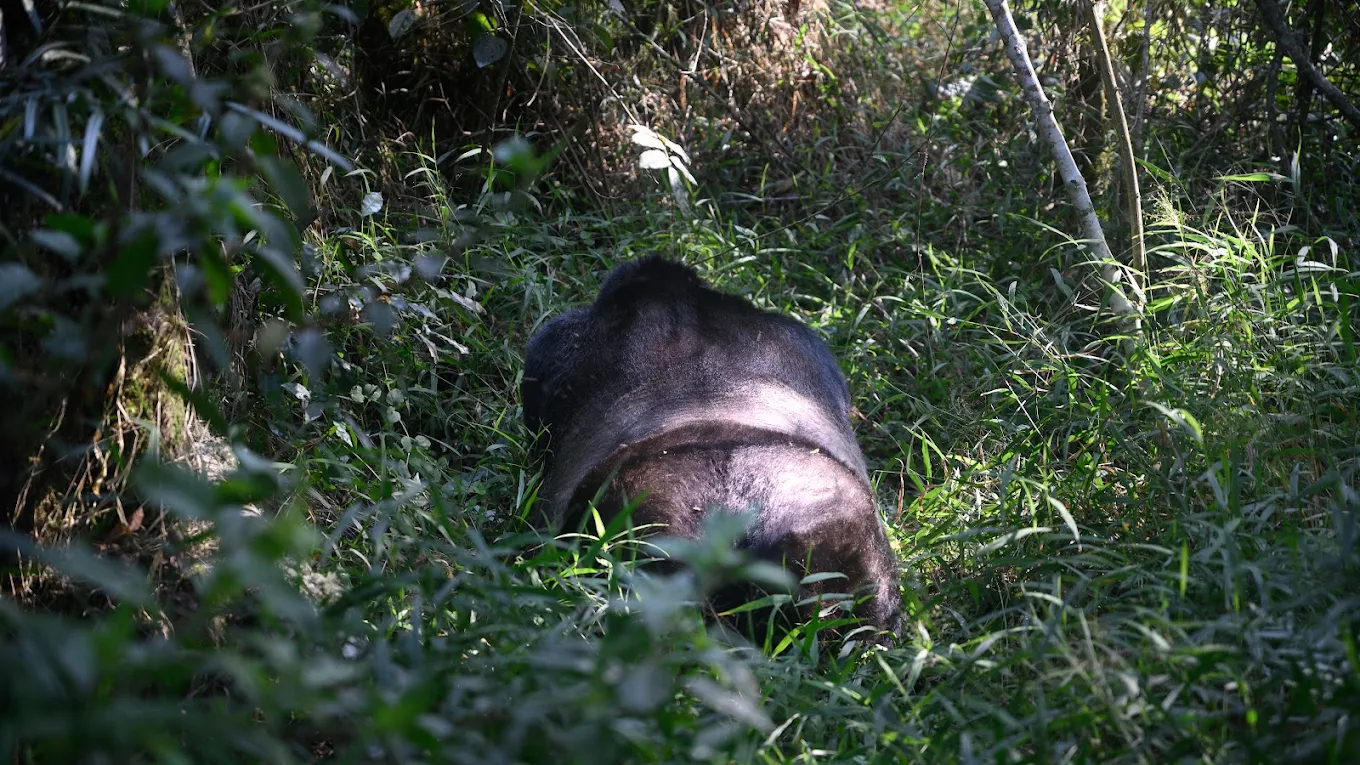
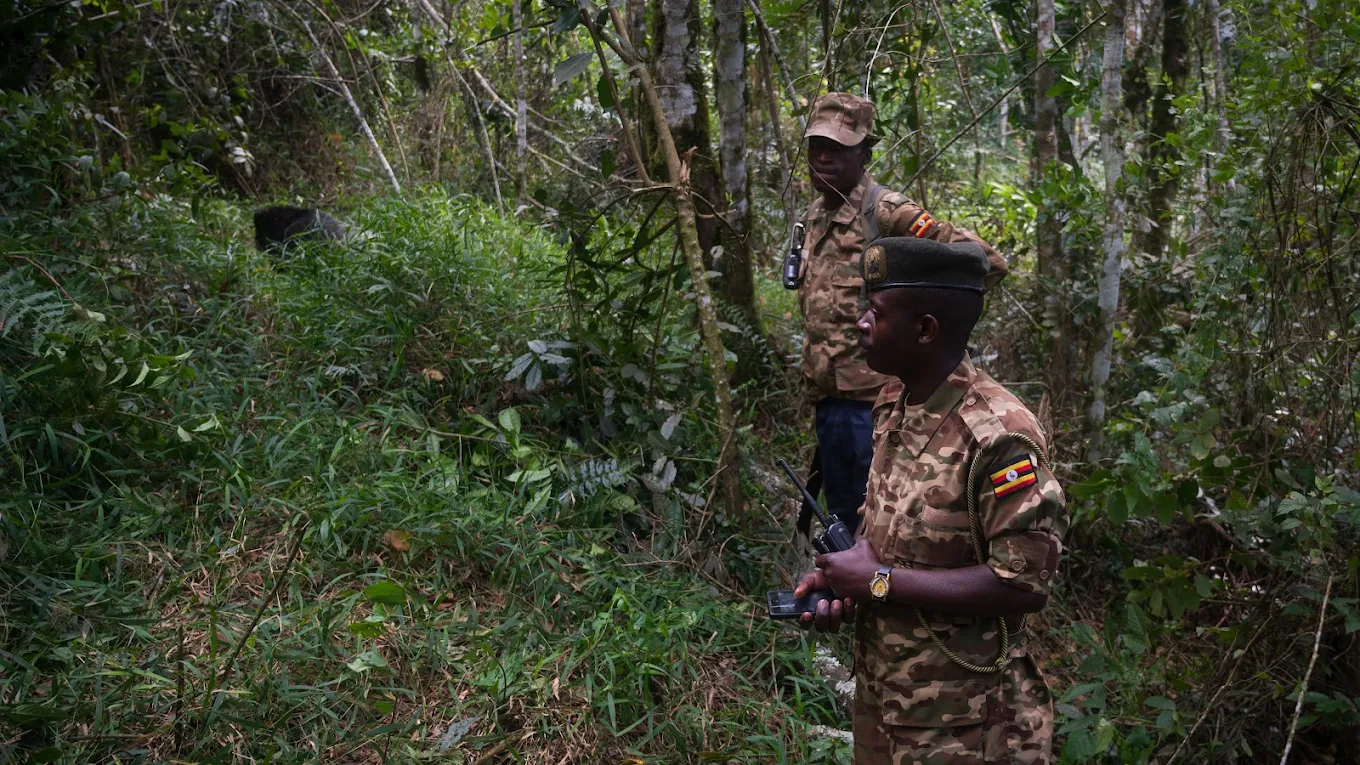
Uganda vs Rwanda Gorilla Permits – Key Differences
The most immediate difference between Uganda and Rwanda gorilla permits is cost. Uganda’s standard gorilla trekking permit is substantially more affordable than Rwanda’s flat-rate pricing. This difference alone often influences travelers who are comparing value, especially those planning longer safaris or traveling as couples or families. Rwanda positions its permits at a premium level, while Uganda offers tiered pricing that reflects different residency categories and a broader accessibility model.
Availability is another critical distinction. Uganda manages a larger number of habituated gorilla families across multiple trekking sectors, primarily within Bwindi Impenetrable National Park and Mgahinga. This results in a higher daily permit inventory and greater flexibility for travelers booking closer to their travel dates. Rwanda, operating exclusively within Volcanoes National Park, has a smaller permit pool, which means permits sell out much earlier, particularly during peak travel months.
Trekking flexibility also differs between the two destinations. Uganda’s multiple sectors allow trekking difficulty to be matched to a traveler’s fitness level and travel route. Some treks are longer and more challenging, while others are shorter and more gradual. Rwanda’s treks are generally shorter due to terrain and park layout, which appeals to travelers prioritizing ease and time efficiency but offers less variation in trekking style.
A major advantage unique to Uganda is the availability of the gorilla habituation experience. This option allows visitors to spend up to four hours with a gorilla family undergoing habituation, compared to the standard one-hour trek. Rwanda does not offer a habituation option, making Uganda the only choice for travelers seeking extended, immersive gorilla encounters.
Which Country Is Easier for Gorilla Permit Booking?
From a booking perspective, Uganda is generally easier and more forgiving. The country’s larger permit inventory means that availability exists across more dates, even outside peak seasons. This flexibility benefits travelers with limited planning time, those adjusting itineraries, or visitors combining gorilla trekking with other destinations.
Uganda’s permit system, managed by Uganda Wildlife Authority, allows licensed operators to hold, secure, and reallocate permits more efficiently when changes are required. This reduces the risk of losing permits due to minor itinerary adjustments.
Rwanda’s system, administered by Rwanda Development Board, is more rigid. Permits are limited, demand is consistently high, and changes are difficult once dates are confirmed. While Rwanda’s proximity to Kigali simplifies logistics for short trips, its permit system leaves little room for error or last-minute changes.
Border crossing logistics also influence booking ease. Travelers combining Rwanda and Uganda must align permits precisely with border transfers. Uganda’s flexibility makes it easier to accommodate such cross-border itineraries, whereas Rwanda’s strict availability requires firm commitments well in advance.
In practical terms, Uganda is easier for most travelers to book, adjust, and manage, while Rwanda rewards early planners with fixed schedules and higher budgets.
Common Gorilla Permit Booking Mistakes
Despite the structured nature of gorilla permit systems, many travelers make avoidable mistakes that lead to stress, delays, or unexpected costs.
One of the most common errors is booking too late. Gorilla permits are limited and date-specific, and waiting until flights or accommodation are booked can result in unavailable permits, forcing itinerary changes or postponements. This is especially common in Rwanda during peak seasons.
Another frequent mistake is booking permits without proper itinerary planning. Gorilla trekking requires early morning starts, realistic driving times, and overnight stays near the trekking park. Booking a permit without considering arrival times or travel distances often results in rushed or impractical schedules.
Using unlicensed agents is a serious risk. Unofficial intermediaries may promise availability or discounts that do not exist, leading to lost payments or invalid permits. Only licensed operators working directly with conservation authorities should be trusted with permit bookings.
Finally, many travelers assume that gorilla permits include transport, accommodation, or meals. Permits cover park entry, ranger services, and the gorilla encounter only. All other logistics must be arranged separately, and misunderstanding this can lead to budget shortfalls.
Gorilla Permit Booking FAQs
Gorilla permit refund policies are strict. In most cases, permits are non-refundable once issued, although limited exceptions may apply under specific circumstances. Changes to permit dates are also restricted and depend on availability and authority discretion.
If a traveler becomes ill on the trekking day, they are not permitted to trek for the safety of the gorillas. In some cases, authorities may allow rescheduling, but this is not guaranteed and depends on availability.
Children must meet minimum age requirements to participate in gorilla trekking, and each participant requires their own permit. Permits are issued per person and cannot be shared.
Gorilla permits are generally non-transferable. They are issued in specific names and for specific dates, making accuracy during booking essential.
These policies highlight why professional handling of permit bookings is critical.
How Jovana Gorilla Safaris Secures Your Gorilla Permits
Securing gorilla permits is not simply about purchasing access; it is about aligning permits with a complete, realistic safari plan. Jovana Gorilla Safaris, working closely with Nextgen Safaris and Elevana Luxury Gorilla Holidays, approaches permit booking as an integrated process rather than a standalone transaction.
Before any payment is made, permit availability is checked against travel dates, trekking sectors, and physical ability. This pre-check ensures that permits align with accommodation availability and travel routes. Once confirmed, permits are secured immediately to avoid sell-outs.
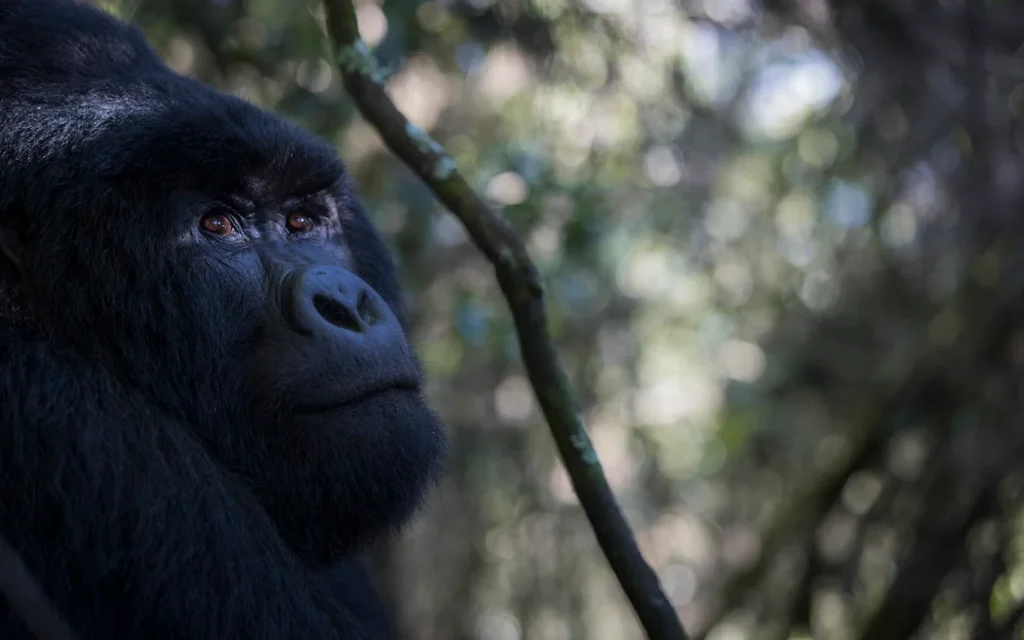
Guaranteed confirmations are provided only after permits are officially issued by conservation authorities. Clients receive clear documentation and timelines, removing uncertainty from the process.
Full safari coordination is another key advantage. Permits, lodges, transport, border crossings, and guides are planned together, reducing the risk of logistical conflicts. Should changes be required, local expertise allows rapid response and alternative solutions.
Most importantly, Jovana Gorilla Safaris operates on the ground, with real-time insight into permit availability patterns, seasonal demand, and operational realities. This local knowledge protects clients from common mistakes and ensures that gorilla trekking plans are both legally secure and practically sound.
Uganda and Rwanda both offer world-class gorilla trekking experiences, but their permit systems serve different traveler needs. Uganda stands out for value, flexibility, and extended experiences, while Rwanda delivers a premium, tightly controlled model best suited to early planners.
Understanding permit differences, avoiding common mistakes, and working with experienced local operators transforms gorilla trekking from a risky booking exercise into a smooth, rewarding journey. When permits are handled correctly, the focus shifts from logistics to what truly matters: an unforgettable encounter with mountain gorillas in the wild.
Secure Your Gorilla Permits with Local Experts
Gorilla permits are limited, date-specific, and central to the success of your safari. Whether you are choosing Uganda for value and flexibility or Rwanda for a premium, time-efficient experience, our local specialists secure the right permits first and build your entire safari around them safely and professionally.
Uganda Gorilla Trekking (Best Value & Flexibility)
Ideal for travelers seeking lower permit costs, more availability, flexible trekking sectors, and the exclusive gorilla habituation experience. Perfect for longer safaris and budget-conscious planning without compromising the experience.
Check Uganda Gorilla Permit AvailabilityRwanda Gorilla Trekking (Premium & Convenient)
Best for travelers prioritizing shorter treks, quick access from Kigali, and a high-end conservation experience. Early booking is essential due to strict permit availability and high demand.
Start Planning Your Rwanda Gorilla Trek