
Nest Building: How Gorillas Build New Nests Every Night
Mountain gorillas live in some of the most spectacular landscapes in the world, the dense rainforests of Bwindi Impenetrable National Park, the volcanic bamboo zones of Mgahinga Gorilla National Park, and the sweeping, high-altitude slopes of Volcanoes National Park in Rwanda.
Even with their strength, intelligence, emotional depth, and complex societies, gorillas rely on something surprisingly simple and deeply instinctive every night: a nest.
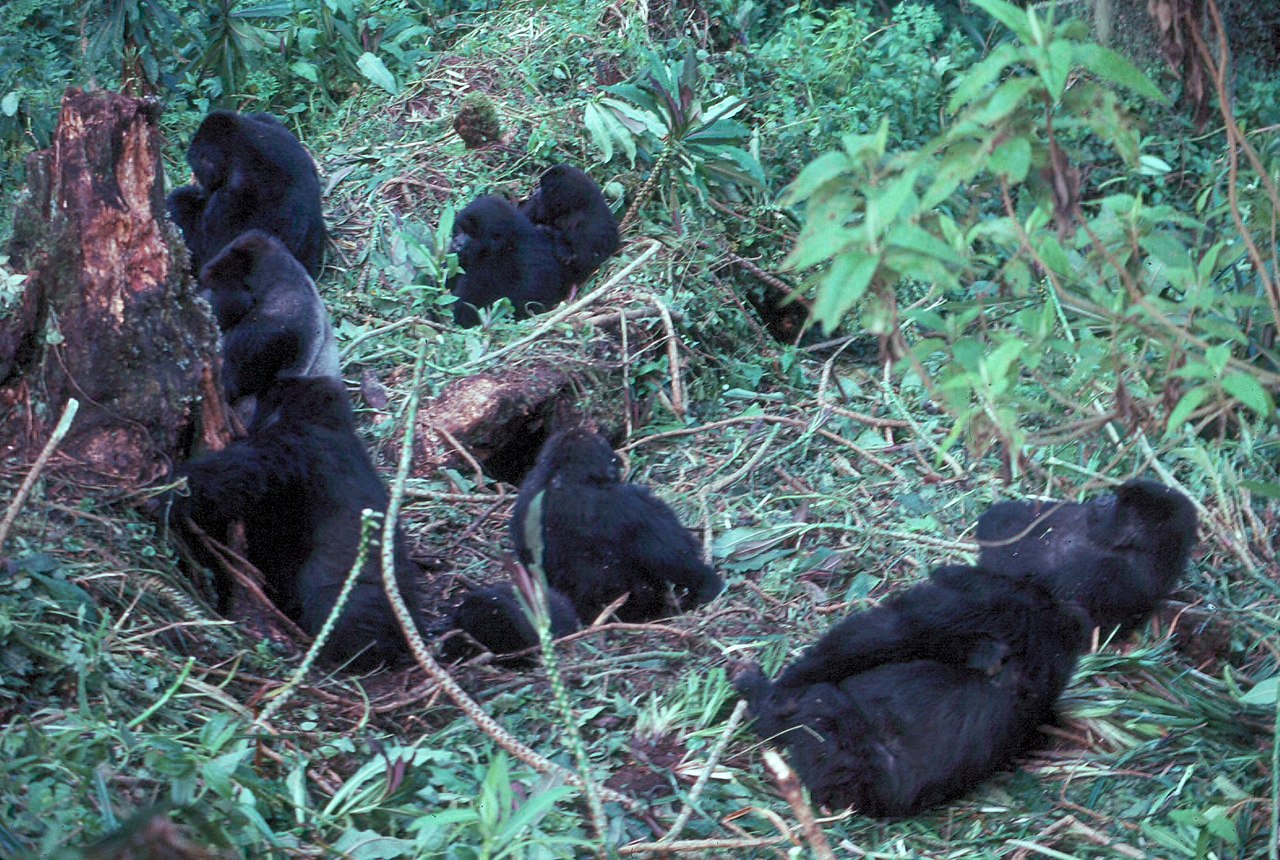
Nest building is one of the most remarkable yet least understood parts of gorilla behaviour. Every evening, without exception, gorillas construct a fresh, comfortable, insulated bed from leaves, vines, and branches. They never sleep in the same nest twice. Instead, they weave entirely new nests daily, a behaviour that blends engineering, instinct, survival, hygiene, and social culture.
Understanding how gorillas build nests reveals an unseen side of their lives: their intelligence, creativity, attention to comfort, and the subtle emotional rhythms that govern the end of each day in the forest.
This in-depth guide explains why mountain gorillas build new nests every night, how they build them, where they choose to build them, and what nest-building reveals about gorilla social structure, ecology, and conservation.
Why Mountain Gorillas Build New Nests Every Night
The decision to construct a new nest every night is driven by both biological instinct and environmental necessity. Nest building ensures safety, cleanliness, warmth, and the survival of newborns.
The forest floor and canopy are full of insects, parasites, moisture, and decay. Sleeping in the same nest repeatedly would expose gorillas to increasing parasite loads. Building a fresh nest daily ensures a clean sleeping environment.
A newly built nest creates a thick, comfortable cushion, offering stability and warmth in cold mountain environments where nightly temperatures drop significantly, especially in high-altitude zones of Volcanoes National Park.
Additionally, sleeping in old nests would make gorillas predictable to predators. While adult mountain gorillas have few natural predators, infants are more vulnerable. New nests reduce the risk of predation and allow gorillas to adjust sleeping sites based on safety and resource availability.
The nightly ritual of nest building is therefore essential for hygiene, comfort, protection, and survival.
Where Gorillas Build Their Nests
Mountain gorillas build nests in either trees or on the ground, depending on age, physical strength, weather, family dynamics, and habitat.
Infants and juveniles often make tree nests, especially in areas with strong trees and branches capable of holding their lighter bodies. These elevated nests keep them off the damp forest floor and provide a sense of security.
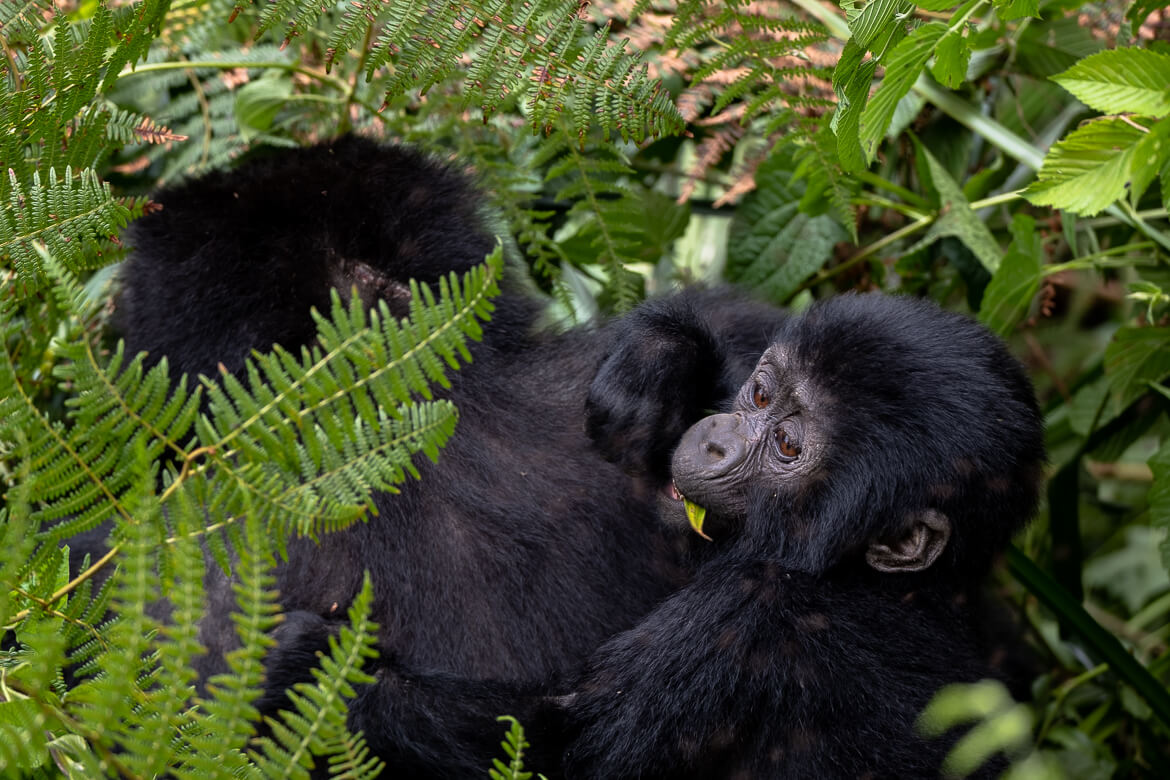
Adults especially silverbacks weighing up to 220 kg — usually build ground nests. Ground nests are more stable, more spacious, and safer for their heavier weight. They also allow the silverback to remain close to his family, ensuring protection throughout the night.
In Bwindi’s dense, uneven terrain, ground nests are most common, while in Rwanda’s bamboo forests, tree nests are slightly more frequent among lighter individuals.
Nest placement is strategic. Gorillas choose flat ground, sheltered spots, thick canopy cover, or elevated branches depending on weather, predators, wind, and proximity to food.
When Gorillas Build Nests | The Evening Ritual
Nest building is one of the most predictable routines in gorilla life. As late afternoon approaches, the family begins searching for a suitable nesting area. The silverback typically chooses the general location.
By sunset, every gorilla begins constructing their individual nest. The forest becomes a scene of quiet activity, rustling vegetation, snapping branches, and the gentle rhythm of gorillas settling in for the night.
Adult females guide their infants in shaping their first simple nests. Juveniles copy what they see, weaving small nests that gradually improve with age.
Once finished, gorillas settle into their nests, often grooming one another, suckling infants, or cuddling for warmth.
How Gorillas Build Their Nests | Step by Step
Nest building is a skilled, deliberate process involving engineering and instinct. Although each nest is used only once, gorillas construct them with remarkable care and detail.
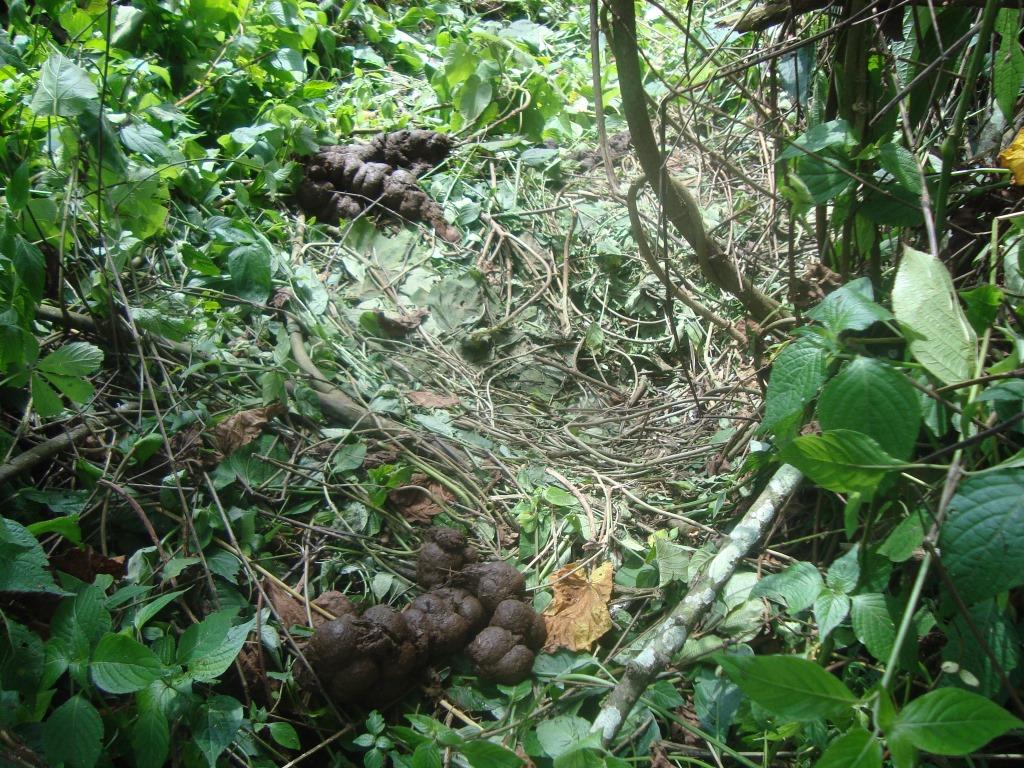
The process usually takes between five and fifteen minutes.
Step 1: Selecting the Site
Gorillas choose a stable, safe location protected from wind, water, and predators. The silverback often picks the central area where the group will nest.
Step 2: Gathering Materials
Gorillas use branches, vines, leaves, stems, twigs, and large plant fronds. Bamboo is preferred in Rwanda; large leaves and flexible branches dominate in Bwindi.
Step 3: Creating a Framework
Gorillas fold, bend, and interlock branches to form a strong circular foundation. This framework supports their weight and maintains shape throughout the night.
Step 4: Weaving and Tightening
They weave leaves and vines between branches, tightening them with both hands and sometimes feet. The weaving technique resembles human basket-making.
Step 5: Padding the Base
Fresh leaves create a soft mattress-like base. This layer provides insulation and comfort.
Step 6: Adjusting for Comfort
Gorillas adjust their nests to personal preference, adding layers, reinforcing edges, or reshaping as needed.
Step 7: Testing the Nest
Before settling in, gorillas shift their weight and press down on the nest to ensure stability. Once secure, they enter sleep posture.
Nest building shows intelligence, precision, comfort-seeking behaviour, and generational learning.
Ground Nests vs. Tree Nests | Why the Difference?
The choice between ground nests and tree nests reflects ecological adaptation and physical capability.
Ground nests are preferred by adult males and females because they offer stability and space. Larger bodies require grounded support. Silverbacks choose ground nests to protect their families, making themselves accessible in emergencies.
Tree nests are more common among juveniles and younger females. They offer safety from damp terrain and provide shelter in trees with thick branches.
Environmental factors also influence the choice. In rainy seasons or high-altitude nights, ground nests may be warmer. In drier seasons, tree nests may provide more ventilation.
Both nest types demonstrate the gorillas’ remarkable ability to adapt their sleeping strategy to the conditions around them.
Nest Architecture | Gorilla Engineering Skills
Gorilla nests are functional, comfortable, and surprisingly sophisticated. They include:
- a strong circular frame
- an inner soft layer for cushioning
- elevated sidewalls for comfort
- reinforced edges to hold body weight
- layered insulation from cold ground or wind
Tree nests require careful balancing of branches, while ground nests rely heavily on layering and weaving.
The nests reflect individual creativity. Some gorillas build spacious, open nests; others create deep, bowl-shaped sleeping structures. Each nest is a signature of the gorilla who built it, shaped by experience, personality, and physical technique.
What Nest Building Reveals About Gorilla Intelligence

Nest building demonstrates advanced cognitive abilities:
Gorillas learn nest construction from a young age. Infant gorillas watch adults, imitate techniques, and slowly develop the skills to weave stable nests. By adolescence, their nest-building ability matches adult standards.
Nest building requires planning, selecting materials, reinforcing weak points, and adjusting for stability. This process shows forward-thinking behaviour and understanding of physical principles.
The ability to construct nested structures nightly demonstrates motor control, muscle coordination, and spatial awareness comparable to human craft skills.
Nest variation shows problem-solving. Gorillas experiment with different shapes, positions, and materials to achieve comfort and safety.
These abilities reveal that gorilla intelligence extends beyond communication and emotion into practical, creative engineering.
Silverbacks and Nest Building | Leadership Even in Sleep
Silverbacks rarely sleep in tree nests due to their weight. They build large ground nests that give them the central position in the family’s nightly arrangement.
Their nests often indicate leadership. Females typically nest near the silverback for protection, forming a circular sleeping cluster. Infants sleep with their mothers, and juveniles form small nearby nests.
Silverbacks monitor the family’s safety even at night. Their nest is positioned so they can quickly intervene if danger arises. Some silverbacks build slightly elevated nests on thick branch piles to enhance visibility around the group.
Their presence brings emotional security to the entire family, reducing anxiety and helping young gorillas sleep peacefully.
Infant and Juvenile Gorilla Nests | Learning Through Play
Young gorillas begin experimenting with nest building during the day. They construct playful, temporary nests used for resting or fun. These practice nests help juveniles build coordination, creativity, and the strength needed for adult nest weaving.
By age four or five, juveniles start sleeping in their own nests, though they remain close to their mothers. Their nests vary in size, structure, and placement depending on age and confidence.
This progression mirrors human childhood learning, a gradual increase in independence supported by observation and practice.
Day Nests | Resting Nests Built During the Day
Gorillas also build day nests for resting during mid-day feeding breaks. These nests are smaller, simpler, and temporary, lasting only a few minutes to an hour. Day nests offer comfort, stability, and a chance for grooming or bonding.
Day nests help reduce fatigue and regulate body temperature, especially after long feeding sessions or migrations across steep terrain.
They also reveal gorilla awareness of comfort and the importance of rest in maintaining overall health and social stability.
Nest Building as a Cultural Behaviour

Mountain gorilla families develop variations in nest-building techniques. These differences are not genetic but cultural, passed from generation to generation within a family group.
Some families prefer thicker nests, while others prefer elevated nests. Some families use specific plant species more frequently, suggesting learned habits influenced by local ecology.
This cultural variation highlights the complexity of gorilla society. Nest building is not just instinctive; it is taught, learned, and refined over time.
Ecological Role | Nests as Part of Forest Health
Gorilla nests play an important ecological role. Old nests decompose and enrich the forest floor, contributing to soil health and plant regeneration. When gorillas break branches or bend vegetation to form nests, they influence forest structure and create light gaps that support new plant growth.
Researchers also use abandoned nests to monitor:
- gorilla population size
- group movement patterns
- health indicators
- diet
- parasite loads through fecal sampling
Every nest becomes a fingerprint of gorilla ecology and conservation.
How Nest Building Helps Rangers Track Gorillas
Rangers and trackers rely heavily on nests to locate gorilla groups. Fresh morning dung near night nests gives an exact indication of family location. The type of nest, the number of nests, and nest placement help trackers determine:
- the family’s size
- whether a new baby has been born
- if a group has split
- the direction the group travelled
- the health of individuals
Nest sites are therefore essential tools for monitoring gorillas, protecting them from poaching and supporting tourism.
Nest Building and Gorilla Conservation

Understanding nest building helps conservation efforts by showing how gorillas adapt to habitat changes. In areas with reduced tree density, gorillas favor ground nests. In areas with human disturbance, nest sites indicate stress or displacement.
Preserving gorilla habitat ensures that this nightly behaviour can continue without pressure or risk.
Nest building is therefore a powerful indicator of gorilla well-being and ecosystem health.
Frequently Asked Questions About Gorilla Nests
Do gorillas sleep in the same nest twice?
No. They build fresh nests every night.
How long does nest building take?
Usually between five and fifteen minutes.
Do silverbacks help others build nests?
Silverbacks rarely assist but ensure choosing safe nesting zones.
Do gorillas use nests during the day?
Yes, they build day nests for resting.
Why don’t gorillas sleep in caves or shelters?
Their bodies and instincts evolved for leafy nests that offer comfort, hygiene, and environmental flexibility.
Final Thoughts | The Art, Science, and Emotion of Gorilla Nest Building
The nightly ritual of gorilla nest building is an intimate window into their intelligence, behaviour, and emotional world. Each nest is a temporary home, a sanctuary crafted with care, instinct, and creativity. Through their nests, gorillas show adaptability, engineering skill, cultural learning, and a deep sense of family stability.
When trekkers in Uganda or Rwanda see gorillas asleep in freshly woven nests, they witness one of the most beautiful and natural expressions of great ape life, a behaviour that has sustained mountain gorillas for millions of years.
Nest building is more than survival.
It is comfort, culture, intelligence, and the quiet artistry of life in the African rainforest.