
How Gorilla Treks Are Assigned (Ranger Process Explained)
Understanding how gorilla treks are assigned removes one of the biggest uncertainties travelers have before trekking day. The assignment process is structured, professional, and conservation-led and it exists to protect both people and gorillas.

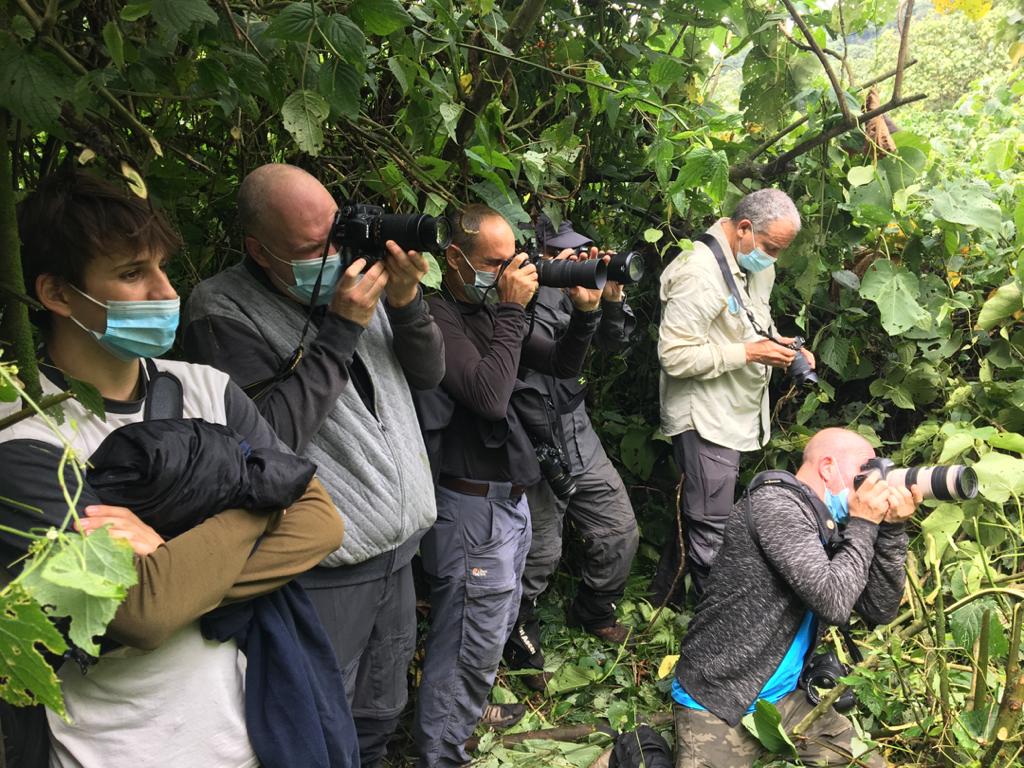

What “How Gorilla Treks Are Assigned” Really Means
When people ask how gorilla treks are assigned, they’re really asking how rangers decide which group of trekkers visits which gorilla family on a specific day. To understand this, it’s essential to separate three terms that are often confused.
A permit grants access to enter the park and participate in a gorilla trek on a specific date. A trek is the guided walk on that date. A gorilla family is the specific group of gorillas you will visit. These are related, but they are not the same thing.
Assignment does not happen when you buy a permit. It happens on the morning of the trek, after rangers receive real-time information about gorilla locations and assess the trekking groups present that day. This timing is critical because gorillas move daily, terrain conditions change, and group composition varies from one morning to the next.
Most importantly, assignment is not about selling experiences or rewarding bookings. It is about matching people to gorillas responsibly—balancing conservation needs, safety considerations, and guest wellbeing. That is why the process is centralized with rangers and not left to tour companies or lodges.
Who Assigns Gorilla Treks (Authority & Trust)
Gorilla treks are assigned by park rangers, not by tour operators, lodges, or agents. This distinction is crucial for trust and fairness.
Rangers operate under national conservation authorities:
- Uganda Wildlife Authority
- Rwanda Development Board
These authorities manage gorilla conservation programs and oversee all trekking operations in parks such as Bwindi Impenetrable National Park and Volcanoes National Park.
Rangers are trained professionals whose primary responsibilities are:
- Protecting gorillas from stress, disease, and overexposure
- Ensuring guest safety on variable terrain
- Managing daily logistics based on real-time conditions
Because of this mandate, rangers prioritize safety, conservation, and guest welfare in that order. Tour operators facilitate permits, logistics, and preparation, but they cannot override ranger decisions. No operator can guarantee a specific gorilla family or difficulty level, and any claim to the contrary is misleading.
This separation of roles is what keeps the system fair, ethical, and conservation-driven.
Step-by-Step – How Gorilla Treks Are Assigned
This is the exact process rangers follow on trekking mornings. Understanding these steps explains how gorilla treks are assigned in practice.
Early Ranger Briefing
Assignment begins early in the morning at the park headquarters. Rangers and wardens gather to review the day’s trekking logistics, weather conditions, and group numbers. This briefing sets the framework for safe operations.
Tracker Reports on Gorilla Locations
Before trekkers arrive, trackers who followed gorilla movements the previous day and early that morning report on the last known locations of each gorilla family. These reports include distance from trailheads, elevation changes, terrain type, and any notable conditions.
This real-time information is critical. A gorilla family that was easy to reach yesterday may be more challenging today, and vice versa.
Group Sizes Are Confirmed
As trekkers assemble, rangers confirm group sizes and permit counts. Each gorilla family is visited by a limited number of people per day to minimize disturbance. Group composition must match conservation rules exactly.
Fitness, Age, and Experience Are Checked
Rangers then assess the groups themselves. They ask simple but important questions about fitness, mobility, age range, and any concerns. This is not a test, it is a safety check designed to ensure appropriate matching.
Honest answers here directly influence assignment quality. This is why preparation and transparency matter.
Gorilla Families Are Matched to Groups
Using tracker data and group assessments, rangers match trekking groups to gorilla families. Easier terrain and shorter distances are paired with groups needing gentler treks, while more demanding routes are assigned to groups comfortable with longer or steeper walks.
This is the heart of the assignment process and the reason it happens on the day, not in advance.
Rangers and Armed Escorts Are Assigned
Finally, each group is assigned a lead ranger, assistant rangers, and an armed escort where required. These professionals guide the trek, manage pacing, and ensure safety throughout the experience.
Only after this step does trekking begin.
How gorilla treks are assigned is a structured, conservation-led process that happens on the morning of the trek. Permits do not determine which gorilla family you see. Rangers do using real-time gorilla data and an assessment of the people trekking that day.
This system exists to protect gorillas, support guests, and ensure that trekking remains safe, fair, and achievable for a wide range of travelers.
Factors Rangers Consider When Assigning Gorilla Treks
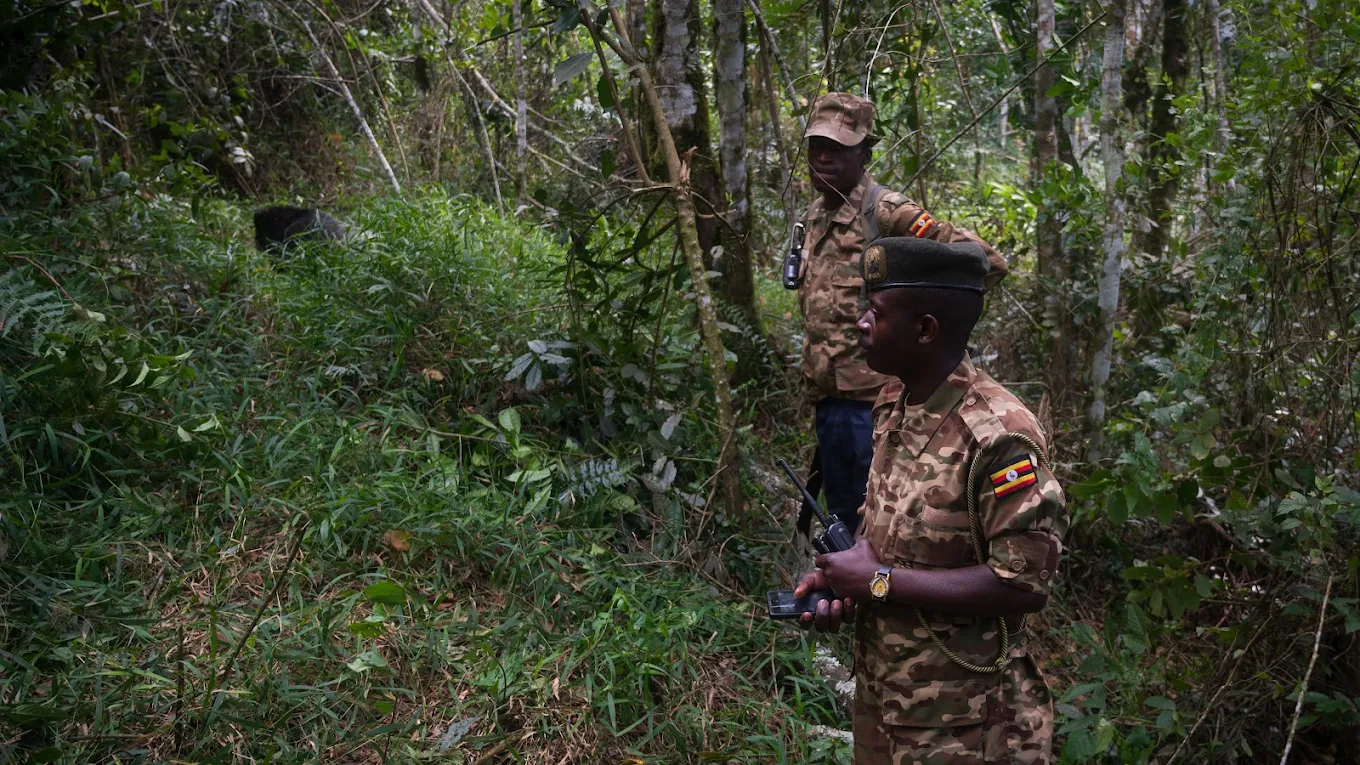
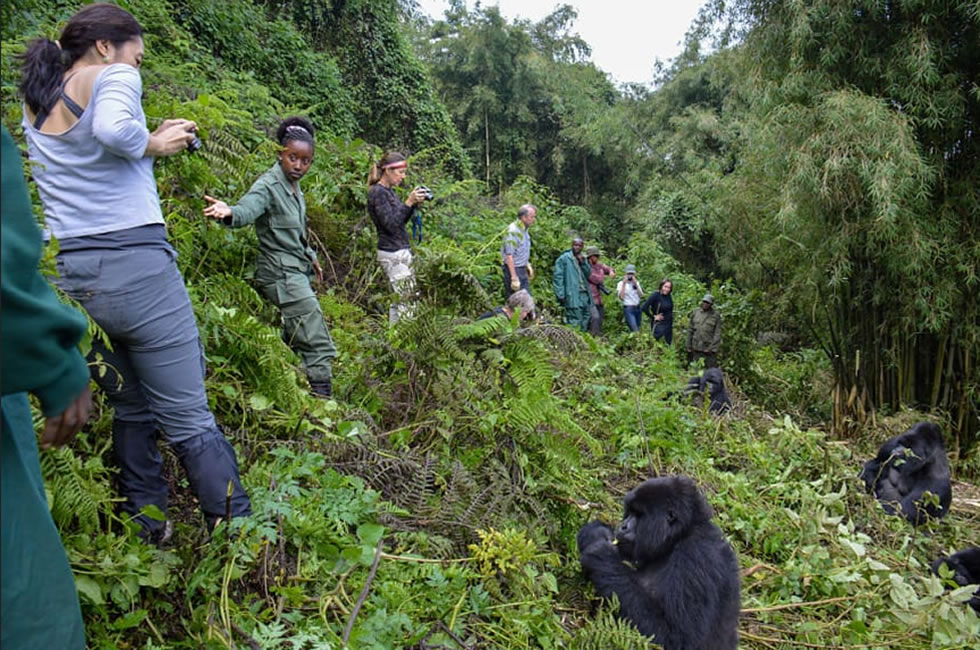

Ranger assignment is not guesswork. It is a professional assessment made each morning using real-time information about gorilla movements, environmental conditions, and the people trekking that day. The goal is always the same: protect gorillas, protect guests, and deliver a safe, manageable experience.
Fitness & Mobility
Fitness and mobility are the primary practical factors rangers consider. This does not mean athletic ability; it means how comfortably a person can walk on uneven ground, manage slopes, and keep a steady pace with breaks.
Rangers pay attention to mobility cues such as balance, joint comfort, and confidence on natural terrain. Groups that indicate limited mobility or lower endurance are matched with gorilla families closer to trailheads or in gentler terrain. This is why honest communication at the morning briefing directly improves assignment quality.
Age (Not a Barrier, but a Factor)
Age alone never disqualifies anyone from gorilla trekking, but it does inform assignment decisions. Rangers routinely guide trekkers in their 60s, 70s, and older.
What matters is how age interacts with mobility and stamina. Older travelers who move comfortably are often assigned moderate treks, while those who prefer a gentler pace are matched accordingly. Age helps rangers fine-tune assignments—it is never used as a blunt restriction.
Group Size
Group size affects both safety and conservation. Each gorilla family can be visited by a limited number of trekkers per day, and rangers must distribute groups carefully.
Smaller groups are often easier to manage on narrower or steeper routes, while larger groups are matched to terrain that allows more space and flexibility. Group size also influences pacing, rest frequency, and route choice.
Terrain Difficulty
Terrain is assessed daily using tracker reports. Rangers consider slope steepness, ground condition, vegetation density, and natural obstacles such as roots or muddy sections.
A trek classified as “moderate” one day can become “challenging” after rain, while a route that was demanding the previous day may become easier if gorillas move closer to accessible areas. Terrain assessment is dynamic, not fixed—and it plays a central role in assignment decisions.
Weather Conditions
Weather has a direct impact on trekking difficulty. Rain increases mud, reduces traction, and slows movement. Heat and humidity increase fatigue, even on shorter treks.
On wet or humid mornings, rangers often assign closer or less demanding routes to groups that may be affected by conditions. Weather awareness is one reason assignments happen on the day rather than in advance.
Distance from Trailhead
Distance matters, but not in isolation. Rangers consider how far a gorilla family is from the starting point in combination with terrain and elevation.
A longer distance on gentle ground may be easier than a short distance involving steep climbs. Rangers weigh distance alongside slope, footing, and rest opportunities to determine overall effort.
Conservation Needs of the Gorilla Family
The final and most important factor is conservation. Some gorilla families may need reduced human exposure on a given day due to health, behavior, or recent movements.
Rangers may assign only certain groups to these families or adjust visitation patterns to minimize stress. Conservation needs always override convenience, and this is a core reason assignments remain under ranger control rather than commercial influence.
Can You Influence Which Gorilla Trek You Get?
This is one of the most important questions travelers ask and it deserves an honest answer.
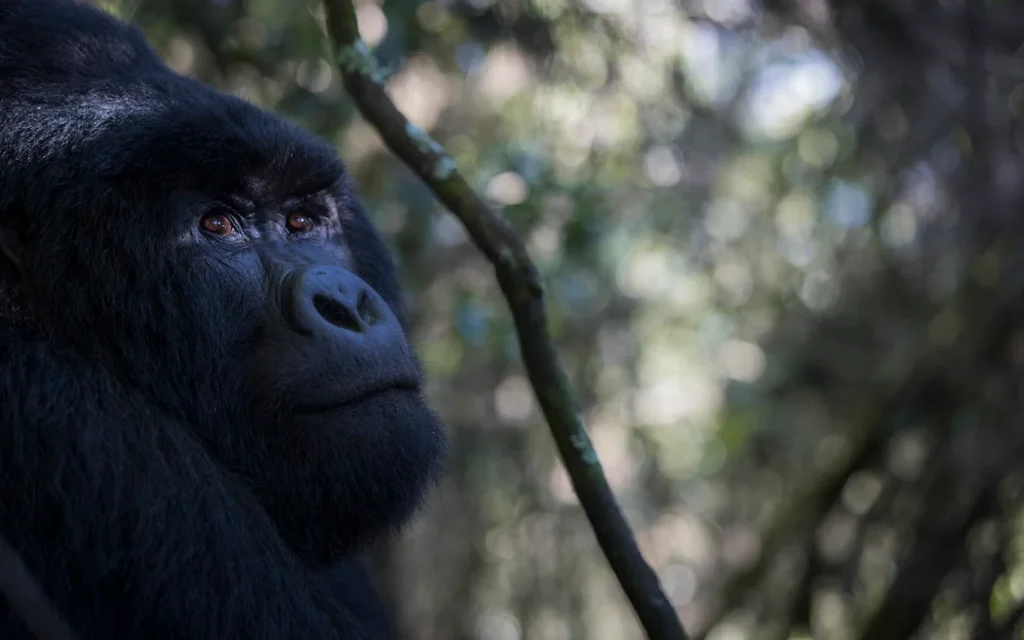
You Cannot “Choose” a Gorilla Family
No traveler can pre-select a specific gorilla family. Assignments are made on trekking morning using real-time data. Any claim that a specific family can be guaranteed in advance is inaccurate.
That said, lack of choice does not mean lack of influence.
How You Can Influence Assignment (In the Right Way)
While you cannot choose a gorilla family, you can meaningfully influence how rangers assign your trek by preparing and communicating correctly.
Communicating Fitness Honestly
Clear, honest communication about fitness and mobility both in advance and during the morning briefing allows rangers to match you to the most suitable trek. Overstating ability can lead to unnecessary strain, while honest disclosure leads to better outcomes.
Booking Through Experienced Operators
Experienced local operators understand how the ranger system works and communicate guest profiles accurately ahead of time. They cannot control assignments, but they support better matching by ensuring rangers have the right information.
This behind-the-scenes coordination often makes the difference between a stressful trek and a comfortable one.
Choosing the Right Park & Sector
Different parks and sectors offer different levels of flexibility. Areas with multiple gorilla families allow rangers more options when matching groups to terrain and distance.
Understanding seasonality and sector characteristics—covered in your Best Time to Trek Gorillas content—also influences how predictable and manageable treks are likely to be.
Hiring a Porter
Hiring a porter is one of the most effective ways to improve trekking comfort. Porters reduce physical strain by carrying bags and providing balance assistance on difficult sections.
Rangers know which groups are supported by porters, and this can broaden assignment options without compromising safety.
Ranger assignment is thoughtful, structured, and conservation-driven. While travelers cannot choose a specific gorilla family, they are far from powerless. Honest communication, informed planning, and proper support significantly influence how gorilla treks are assigned.
Understanding this process replaces uncertainty with confidence and allows travelers to approach trekking day prepared rather than anxious.
Uganda vs Rwanda – Trek Assignment Differences
When travelers compare Uganda and Rwanda for gorilla trekking, they are often really asking a deeper question: which destination offers easier, more flexible trek assignments?
Understanding how trek assignment works in each country helps set realistic expectations and guides smarter planning.

Uganda: More Sectors, More Flexibility in Assignment
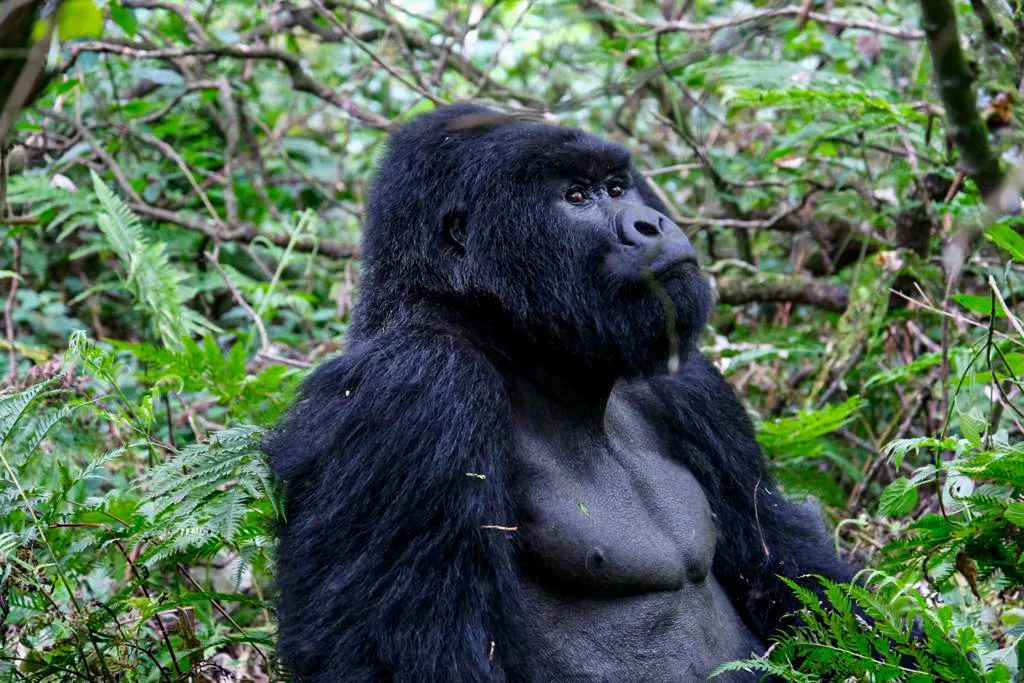
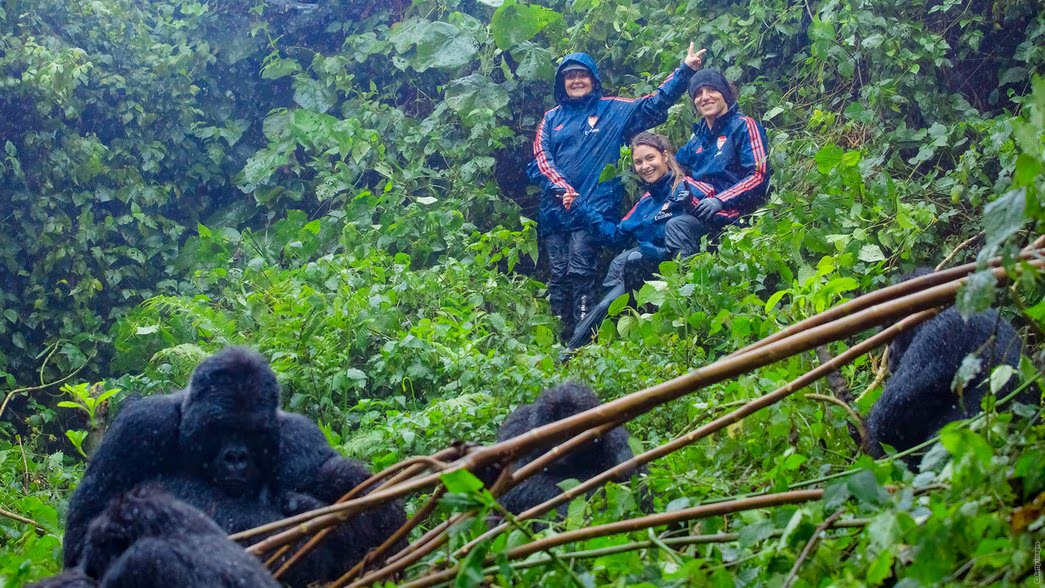
Uganda’s biggest advantage lies in scale and diversity. In Bwindi Impenetrable National Park, gorilla trekking is spread across multiple sectors, each with several habituated gorilla families. This gives rangers more options every single morning.
Because there are many families in different locations and elevations, rangers can:
- Match groups more precisely to fitness and mobility levels
- Adjust assignments when weather changes overnight
- Offer gentler options when needed without compromising conservation rules
This flexibility is why Uganda often works well for:
- Seniors and first-time trekkers
- Mixed-ability groups
- Travelers who want reassurance that trek difficulty can be adapted
In practice, Uganda’s system allows rangers to fine-tune assignments rather than forcing one-size-fits-all solutions.
Positioning: Uganda = flexibility, adaptability, and choice.
Rwanda: Fewer Sectors, Tighter Control
Rwanda’s gorilla trekking takes place solely within Volcanoes National Park. The park is compact, efficient, and highly organized, but it has fewer trekking zones and fewer gorilla families overall.
This means:
- Assignments are still professional and fair
- Rangers still assess fitness and group needs
- But there are fewer alternative routes or family options
Treks in Rwanda are often shorter in distance, which appeals to travelers with limited time. However, the park sits at a higher altitude, and the reduced number of sectors means less room to maneuver if conditions or group needs change.
Rwanda’s system emphasizes efficiency and control rather than flexibility.
Positioning: Rwanda = convenience and efficiency, with tighter assignment parameters.
Which Is Easier: Uganda or Rwanda?
From a purely physical and assignment-flexibility perspective:
- Uganda is often easier for travelers who want reassurance, adaptability, and the ability to request gentler treks.
- Rwanda can feel easier for travelers prioritizing shorter trekking days and quick access, but it offers fewer assignment adjustments.
This distinction is why searches like “Uganda vs Rwanda gorilla trekking difficulty” and “Which is easier gorilla trekking Uganda or Rwanda” often lead to Uganda being recommended for flexibility and Rwanda for convenience.
Common Myths About Gorilla Trek Assignment (Myth-Busting for Trust)
Misunderstandings about trek assignment cause unnecessary anxiety. Clearing these myths not only builds trust but helps travelers approach trekking day with confidence.
Myth 1: “Gorilla Treks Are Assigned Randomly”
This is one of the most common misconceptions and it’s completely false.
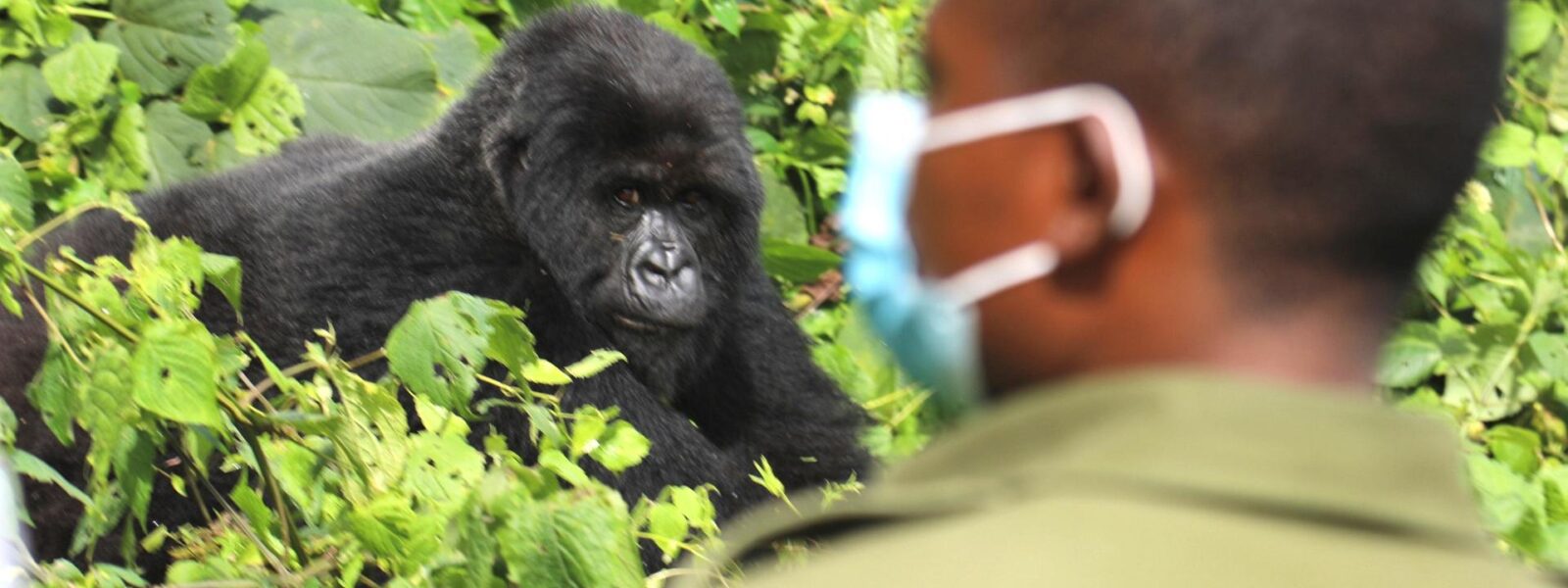
Gorilla treks are assigned through a structured, professional process involving tracker reports, group assessment, terrain analysis, and conservation priorities. Random assignment would undermine both safety and conservation, which is why it does not happen.
Myth 2: “Luxury Lodges Get Easier Treks”
Accommodation level has no influence on trek assignment. Rangers do not know or consider where guests are staying when assigning gorilla families.
Assignments are based on people, conditions, and gorilla locations, not on price points or lodge categories. This separation ensures fairness and protects the integrity of the trekking system.
Myth 3: “Paying More Guarantees an Easier Trek”
Higher cost does not guarantee a shorter or easier trek. Permit prices are fixed by national authorities, and ranger decisions are independent of how much a traveler pays.
What does make a difference is preparation: honest communication about fitness, appropriate support such as hiring a porter, and choosing the right destination and season.
Myth 4: “You’re Stuck With Whatever You Get”
While you cannot choose a specific gorilla family, you are not powerless. Rangers actively work to match groups to suitable treks, and adjustments are made daily based on conditions.
The idea that trekkers are “stuck” with a random or unsuitable assignment ignores the very system designed to prevent that outcome.
Uganda and Rwanda both follow professional, ranger-led assignment systems, but they differ in flexibility. Uganda’s multiple sectors allow more tailored matching, while Rwanda emphasizes efficiency within a smaller area. Across both destinations, trek assignment is never random, never influenced by luxury, and never left to chance.
Understanding these differences and dispelling common myths replaces fear with clarity—and helps travelers plan with confidence rather than assumptions.
Gorilla Trek Assignment FAQs
These are the questions travelers ask most often when trying to understand how gorilla treks are assigned. The answers below are based on the real ranger process used in Bwindi Impenetrable National Park and Volcanoes National Park, not marketing assumptions.
Is Gorilla Trekking Assignment Fair?
Yes. Gorilla trekking assignment is designed to be fair, consistent, and conservation-led.
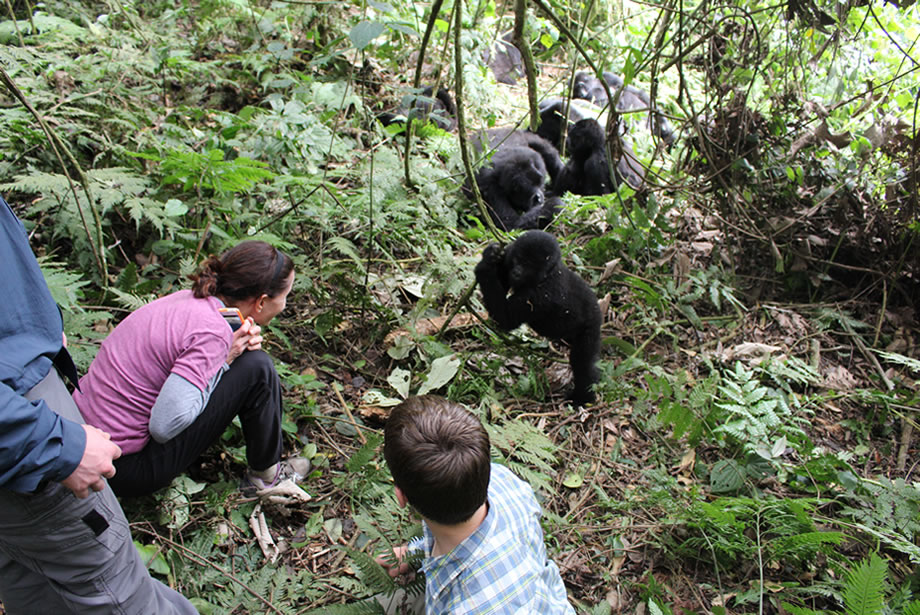
Assignments are handled by park rangers using the same criteria for every group: real-time gorilla locations, terrain conditions, group size, and guest fitness. Lodges, tour prices, and booking channels do not influence which gorilla family a group is assigned.
This centralized ranger system exists specifically to avoid favoritism and ensure that both guests and gorillas are protected. Fairness is built into the process by design.
Can Seniors Request Easier Gorilla Treks?
Yes—and they often do.
While no one can pre-select a specific gorilla family, seniors can request gentler trek assignments by communicating mobility, comfort level, and any concerns in advance and again during the morning briefing.
Rangers regularly guide trekkers in their 60s, 70s, and beyond. Age itself is not a limitation. What matters is matching pace, terrain, and distance appropriately. In parks with multiple sectors and families, this matching is done successfully every day.
What If I’m Not Fit Enough?
This is one of the most common worries and one of the most misunderstood.
If you’re concerned about fitness, the solution is honest communication, not avoidance. Rangers assess each group and assign treks accordingly. Support options such as porters reduce physical strain, and pacing is adjusted throughout the walk.
Many travelers who consider themselves “not fit” complete gorilla treks comfortably because the system is designed to adapt to people not test them. Feeling unsure does not disqualify you; staying silent about concerns is what creates problems.
Can Gorilla Trek Assignments Change at the Last Minute?
Yes, and this is a sign that the system is working properly.
Gorillas are wild animals. They move overnight, weather changes, and terrain conditions can shift. If trackers report that a route has become unsafe or significantly more demanding, rangers may adjust assignments on the morning of the trek.
These changes are made to protect guests and reduce stress on gorilla families. Flexibility is built into the process for exactly this reason.
What This Means for You as a Traveler


Understanding how gorilla treks are assigned replaces uncertainty with clarity. You don’t need to worry about random outcomes, hidden rules, or being “stuck” with an unsuitable trek. The ranger-led system exists to ensure that assignments are safe, fair, and appropriate.
Preparation, honesty, and local expertise make a real difference in how smoothly this process works for you.
Plan with Confidence
Our local specialists work with rangers to communicate your fitness level and preferences before trekking day ensuring the most suitable trek possible.
We don’t promise specific gorilla families, because no one ethically can. What we do ensure is that the right information reaches the right people at the right time so ranger assignments reflect your comfort level, not assumptions.
If you want a gorilla trekking experience that feels manageable, respectful, and unforgettable, expert preparation is the smartest first step.