How Altitude Affects Gorilla Trekking in Rwanda (2026 & 2027 Complete Guide)
Gorilla trekking in Rwanda is one of Africa’s most iconic wildlife experiences, and one of the factors that makes it so unique, and at times more challenging is altitude. Volcanoes National Park, home to Rwanda’s mountain gorillas, sits high in the Virunga Mountains, a chain of ancient volcanoes that rise dramatically from the Rift Valley floor. This means that all gorilla treks in Rwanda, whether easy or difficult, take place at elevations significantly higher than most safari destinations.
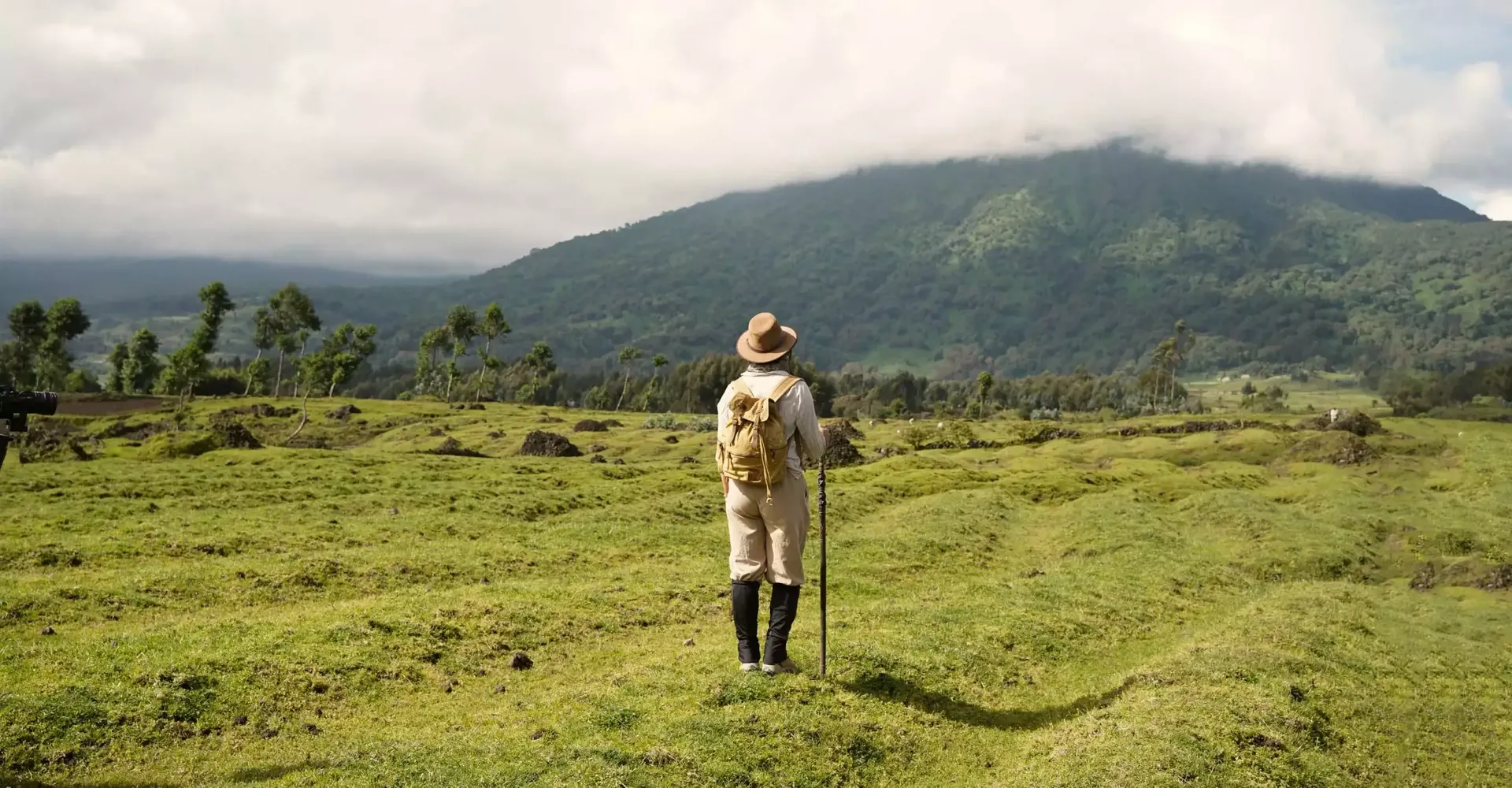
Understanding how altitude affects gorilla trekking in Rwanda is essential for travelers planning their trips in 2026 and 2027. Altitude influences physical performance, breathing, stamina, temperature, vegetation, gorilla behaviour, and even photography conditions. For some travelers, altitude creates mild exertion; for others, it heightens the adventure. Knowledge of these effects helps trekkers prepare physically and mentally for one of the world’s most profound wildlife encounters.
This long-form How Altitude Affects Gorilla Trekking in Rwanda guide explores every dimension of how altitude shapes the trekking experience, from terrain and breathing to gorilla distribution, weather, health tips and trekking preparation.
Why Altitude Matters in Rwanda’s Gorilla Trekking Experience
Altitude is a defining characteristic of Volcanoes National Park. Unlike other gorilla habitats in Uganda or DR Congo where altitudes vary widely across sectors, Rwanda’s gorilla trekking happens almost entirely on the slopes of the Virunga volcanoes.
The park ranges from approximately 2,400 meters (7,874 ft) at its lower boundaries to around 3,700 meters (12,139 ft) on the upper slopes where some gorilla families roam. These high elevations influence oxygen levels, air pressure, temperature, humidity, and vegetation.
For trekkers, altitude affects:
- breathing and stamina
- acclimatization
- pace of trekking
- hydration needs
- heart rate
- body temperature regulation
Altitude is not a danger for most people, but it changes the way the body performs. Visitors who understand these effects often have a smoother, more enjoyable trekking experience.
The Virunga Mountains: Rwanda’s High-Altitude Gorilla Habitat
Volcanoes National Park is located within the Virunga Massif, a chain of dormant volcanoes that span Rwanda, Uganda and DR Congo. Each volcano has its own ecosystem zones, rising progressively from farmland to bamboo forest to Hagenia forests and eventually to Afro-alpine vegetation.
Gorillas live primarily in the bamboo and Hagenia zones, though some families travel higher during certain feeding seasons. These elevation zones create visually dramatic landscapes and exert different physical demands on trekkers.
The most commonly trekked volcano slopes include:
- Mount Sabyinyo
- Mount Bisoke
- Mount Gahinga
- Mount Karisimbi
- Mount Muhabura
The highest treks, particularly those involving the Karisimbi family, are among the loftiest gorilla trekking routes in the world.
Altitude shapes everything: the terrain, the vegetation you walk through, the air you breathe, the temperature you feel and the type of gorilla encounter you experience.
How Altitude Affects Breathing and Physical Performance
At higher altitudes, oxygen levels decrease, making the air thinner. The human body reacts by increasing breathing rate and heart rate to compensate for reduced oxygen intake. This can make the trek more physically demanding, even for people who are normally fit at lower altitudes.

Trekkers often notice:
- heavier breathing during climbs
- a quicker rise in heart rate
- slight fatigue earlier in the trek
- the need for more frequent breaks
This does not mean the trek is overwhelming. Most travelers adjust quickly, and the relatively slow trekking pace helps. Ranger guides tailor the pace to the group, ensuring that all trekkers, including older travelers can comfortably reach their assigned gorilla families.
In Rwanda, altitude is not extreme enough to cause severe altitude sickness for most trekkers. However, it does influence stamina, and understanding this helps trekkers approach the experience with appropriate expectations.
How Altitude Shapes the Terrain and Trekking Difficulty
Altitude directly affects the type of terrain found in Volcanoes National Park. The higher you trek, the steeper and more volcanic the slopes become. Lava stones, dense bamboo thickets, moss-lined branches, and uneven ground define these elevated slopes.
Trekkers on mid-altitude routes encounter:
- gentler slopes
- open forest zones
- bamboo environments with clear visibility
Trekkers on higher routes, including the dramatic upper slopes of Karisimbi, encounter:
- steep gradients
- rocky volcanic terrain
- cold mist at high elevations
- thick Hagenia forest and towering vegetation
The shape of the land becomes more angular and rugged with altitude, creating intense but rewarding trekking conditions for fitness seekers.
For some travelers, the altitude-enhanced terrain is the highlight of Rwanda’s gorilla trekking experience; it creates dramatic backdrops and the cinematic feeling of climbing into a high mountain sanctuary.
How Altitude Influences Gorilla Distribution and Behaviour
Altitude plays a crucial role in where gorilla families choose to settle. Mountain gorillas move according to food availability, temperature, and safety. The vegetation zones at different altitudes offer different food plants, leading gorillas to shift their ranges seasonally.
At lower altitudes (2,400–2,700 meters), gorillas often feed in bamboo forests rich in shoots, especially during the bamboo shoot season. These low- to mid-altitude ranges make trekking easier and more accessible.
At mid-altitude (2,700–3,100 meters), gorillas move into Hagenia-Hypericum forests, where they feed on leaves, roots, and bark. Many gorilla families spend most of their time in these zones.
At higher altitudes (above 3,100 meters), some families forage in Afro-alpine vegetation or move across misty ridges, especially in cooler months. These high-elevation gorillas are more challenging to reach, requiring longer treks and more ascents.
Because Volcanoes National Park is a high-altitude ecosystem, gorilla behaviour is shaped by a constant search for food across these different zones. This movement affects how long the trek lasts and how physically demanding it becomes.
How Altitude Affects Weather, Temperature, and Visibility
Altitude shapes the microclimates of Volcanoes National Park. Higher elevations mean cooler temperatures, more frequent mist, and unpredictable weather shifts. These changes are part of what makes gorilla trekking in Rwanda so atmospheric.
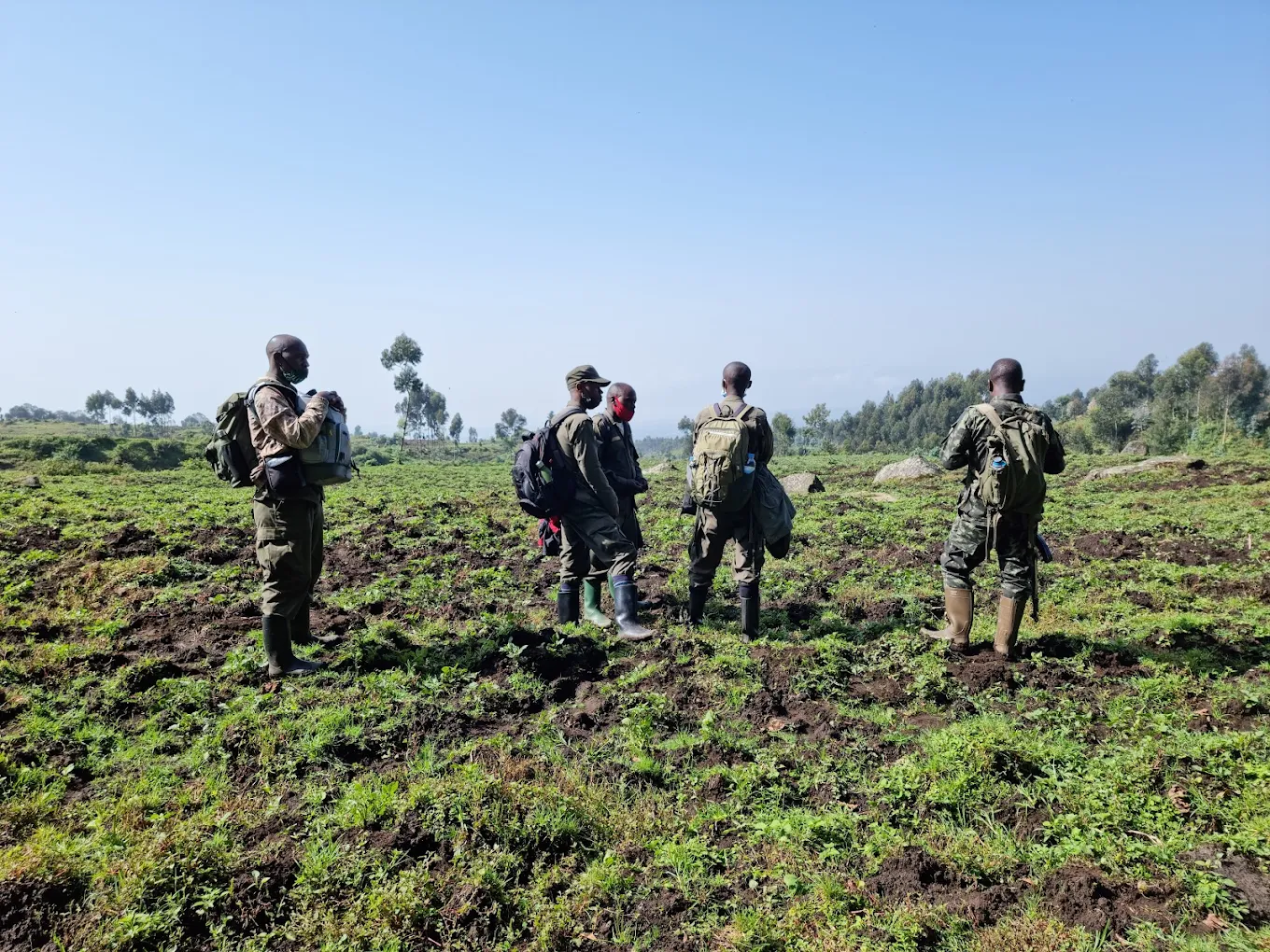
At altitude, mornings can be cold, afternoons can warm up quickly, and sudden mist can roll in without warning. Visibility changes dramatically with elevation, sometimes producing crystal-clear mountain views, other times creating thick mist that feels mystical and cinematic.
Trekkers commonly experience:
- cool morning temperatures
- misty forest paths
- sunlight filtering through thin air
- occasional rain showers
- refreshing high-altitude breezes
These conditions add mood and depth to gorilla photography but also require proper clothing. Altitude rarely creates harsh weather, but the shifting environment adds adventure and unpredictability to the trek.
How Altitude Affects Photography in Volcanoes National Park
Altitude impacts the lighting, angle, and atmospheric quality of photographs taken during gorilla trekking in Rwanda. The thinner air at elevation produces light that can be crisp and clean, especially on clear days. Bamboo zones and Hagenia forests provide open visibility, ideal for wide shots, multi-gorilla compositions and scenes with clear separation between subjects and background.
High-altitude mist adds a dramatic cinematic quality to images. Silhouettes, soft light diffusion, and vapor layers create a storytelling mood rarely found in lower-altitude forests. Photographers often find high-altitude gorilla trekking in Rwanda to be some of the most visually striking wildlife experiences in the world.
Altitude also affects the perspective from which photos can be taken. On the volcanic slopes, photographers can shoot upward into the canopy or downward toward gorilla families resting on lower ground. This elevation-based flexibility allows unique compositions.
How Altitude Affects Trekking Duration
Not all gorilla treks in Rwanda take place at the same altitude. Some gorilla families live on lower volcanic slopes, while others inhabit higher regions. The higher the gorilla family, the longer and more physically demanding the trek becomes.
For example:
- Lower-altitude families can be reached in 1–2 hours of gentle trekking.
- Mid-altitude families may require 2–4 hours depending on movement.
- High-altitude families like the Karisimbi group can require 5–7 hours of trekking on steep slopes.
Altitude increases trekking duration not only because of distance but because the terrain becomes steeper and oxygen slightly thinner. Trekkers cover shorter horizontal distances but spend more time climbing, which raises exertion levels.
Ranger guides always determine trekking assignments based on fitness, age, and preference. Travelers who specifically want high-altitude treks can request them, while those wanting easier treks can be assigned lower-altitude families.
Health Considerations: How Altitude Affects Trekker Well-Being
Altitude affects each person differently. Some travelers feel mild shortness of breath, while others simply notice that the trek feels more strenuous than similar hikes at sea level.

Most travelers do not experience altitude sickness in Volcanoes National Park because the elevations, while high, are still moderate compared to extreme climbing destinations.
The most common altitude effects include:
- mild headaches
- quicker fatigue
- increased breathing
- a need for more frequent hydration
- heightened heart rate
These symptoms are temporary and ease with rest. Rangers maintain a steady pace, take regular breaks, and ensure trekkers do not feel rushed.
Travelers with respiratory or cardiovascular conditions should inform their tour operator in advance, though most people with mild conditions trek safely with guidance.
Altitude and Fitness: Who Handles High-Altitude Trekking Best?
High-altitude trekking favours travelers who maintain moderate to good fitness. You do not need to be athletic, but aerobic conditioning helps the body manage reduced oxygen.
Groups that benefit from altitude awareness include:
- seniors planning high-altitude treks
- fitness seekers looking for challenging routes
- travelers with respiratory sensitivities
- inexperienced hikers
- photographers carrying heavy gear
Altitude does not prevent anyone from enjoying gorilla trekking, but preparation enhances comfort and performance.
Preparing for High-Altitude Gorilla Trekking in 2026 & 2027
The best preparation for altitude-based trekking involves:
- regular walking or hiking
- stair climbing
- cardiovascular exercise
- hydration
- gradual acclimatization by spending time in high-altitude cities like Kigali
Travelers often find that after 12–24 hours in Kigali (already at ~1,650m), the body begins adjusting.
On the day of the trek, eating a good breakfast, staying hydrated, and moving at a moderate pace maximizes endurance. Porters can carry backpacks to reduce exertion.
Which Gorilla Families Are at Higher Altitudes?
Not all families require steep climbs. Some families like the Sabyinyo, Amahoro, or Kwitonda groups reside at mid-altitudes, while others like the Karisimbi group roam high slopes.
Trekkers seeking an easier experience request mid-altitude families. Fitness enthusiasts intentionally request higher-altitude treks for added challenge.
Gorilla movement changes seasonally, but rangers always know the altitude at which each family resides each morning.
What Makes High-Altitude Gorilla Trekking Worth It?
Many travelers describe high-altitude gorilla trekking in Rwanda as spiritual, cinematic, and emotionally overwhelming. The dramatic mountain environment adds atmosphere and gravitas to the encounter.
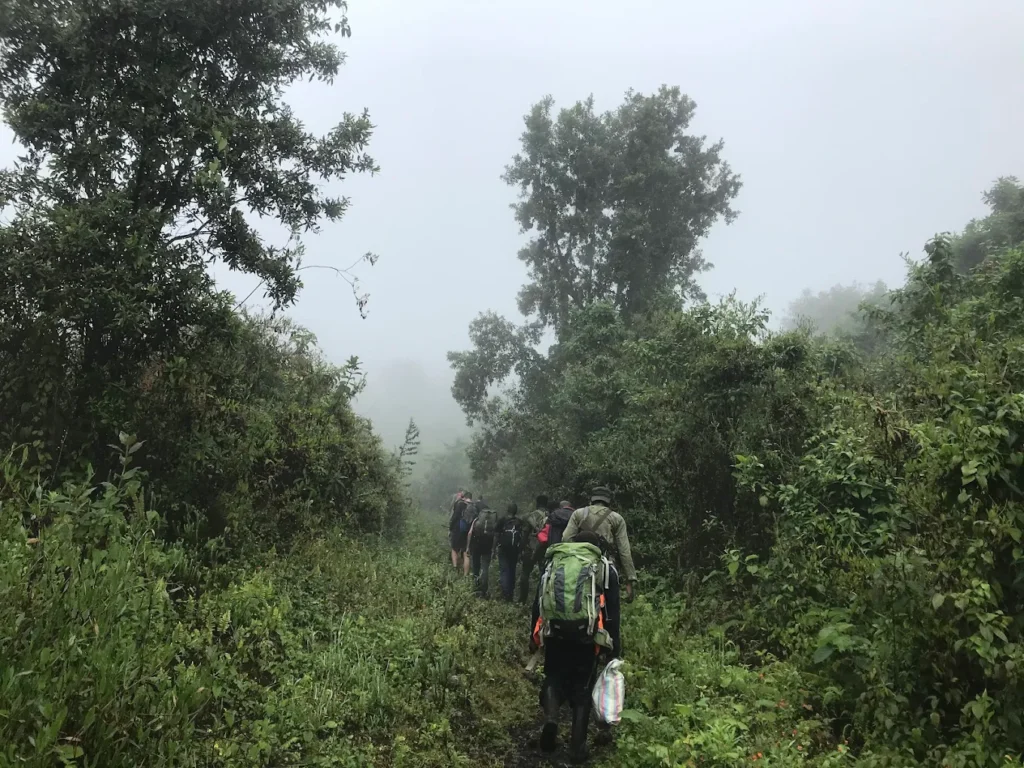
The mist, the volcanic rock, the towering vegetation, and the sweeping slopes create a sense of remoteness that amplifies the emotional impact of seeing a gorilla family emerge from the forest. High-altitude treks often feel like a pilgrimage, a journey into the heart of Africa’s mountains.
The challenge heightens reward, especially when trekkers push through steep climbs and are rewarded with silverbacks resting among bamboo shoots, mothers carrying babies, or juveniles playing on mossy logs.
Best Time to Trek at High Altitude in Rwanda (2026 & 2027)
The effects of altitude are fairly consistent year-round, but the trekking experience differs by season.
Dry seasons (June–September and December–February) offer clear visibility, easier paths, stable footing, and mild temperatures at altitude.
Rain seasons (March–May and October–November) produce mist, dramatic atmosphere, occasional cold spells at higher elevations, and slippery volcanic slopes.
Photographers and adventure seekers often prefer wet months for the cinematic emotional effect, while other travelers prefer dry months for comfort.
Final Verdict: How Altitude Shapes Rwanda’s Gorilla Trekking Experience in 2026 & 2027
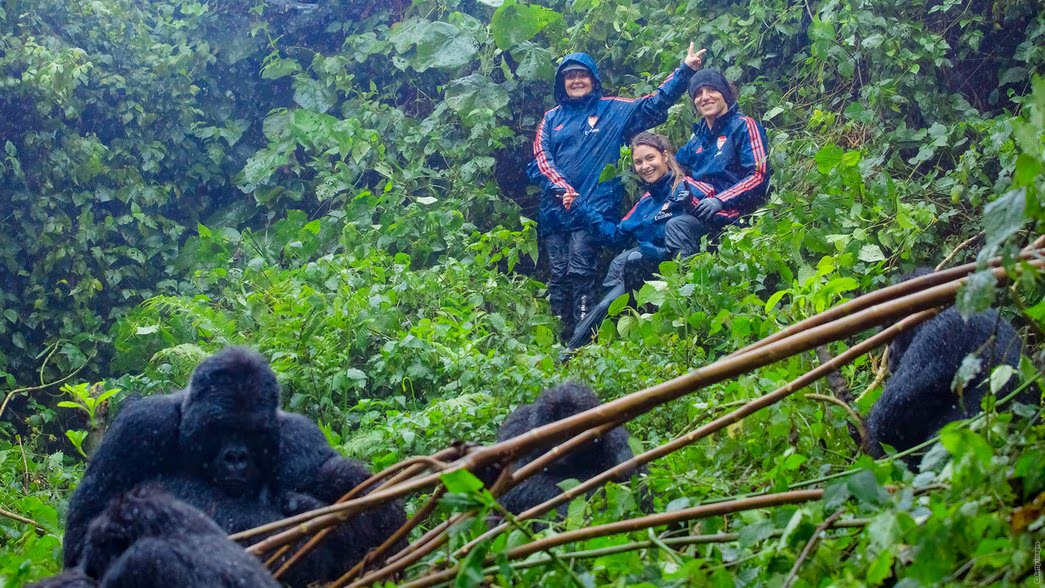
Altitude is not an obstacle, it is one of the reasons gorilla trekking in Rwanda is so remarkable. The high-elevation landscapes of the Virunga Mountains create a powerful combination of crisp air, dramatic terrain, misty forest atmosphere, volcanic texture, and deep scenic beauty. Altitude shapes the physical challenge, the emotional intensity, the photography, and the overall character of the trek.
Travelers seeking gentler treks will find comfortable altitude zones with shorter walking distances. Fitness seekers can request high-altitude families near Karisimbi or Bisoke for a demanding, rewarding climb. Seniors, photographers, adventurers and first-time trekkers all adapt well to Rwanda’s elevation with proper pace and guidance.
The altitude of Volcanoes National Park makes the gorilla trekking experience unique, atmospheric, cinematic, and unforgettable one of the most spectacular wildlife encounters on the planet.
Whether you are trekking in 2026 or 2027, altitude will shape your experience in ways that make your gorilla encounter more powerful, more meaningful and more memorable.