Rwanda Gorilla Trekking Rules and Guidelines
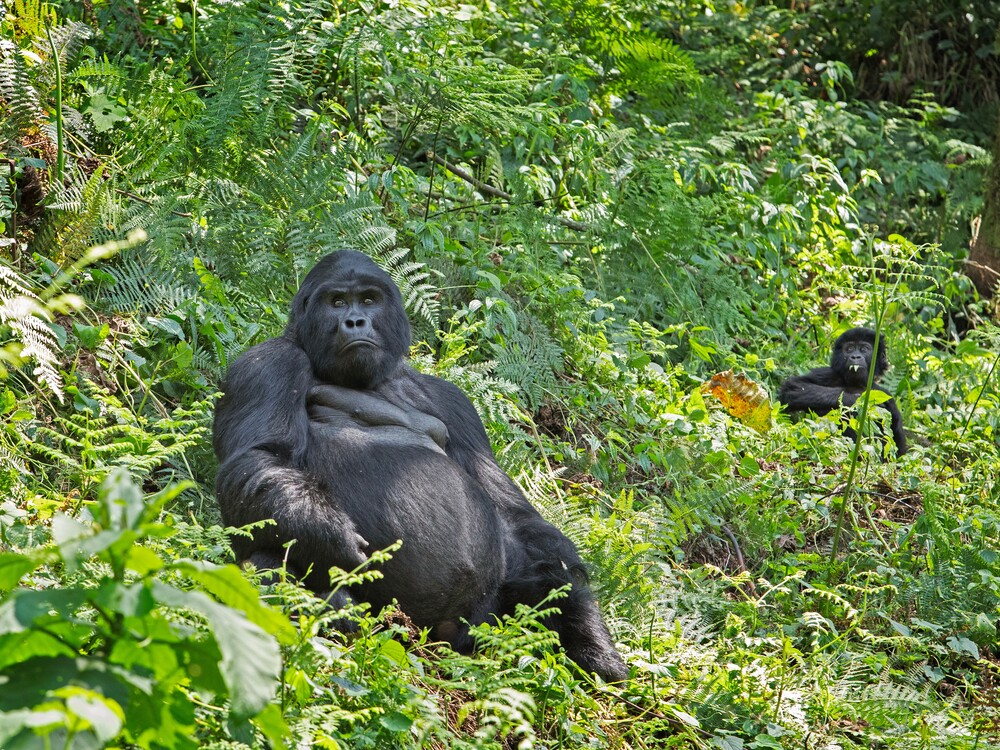
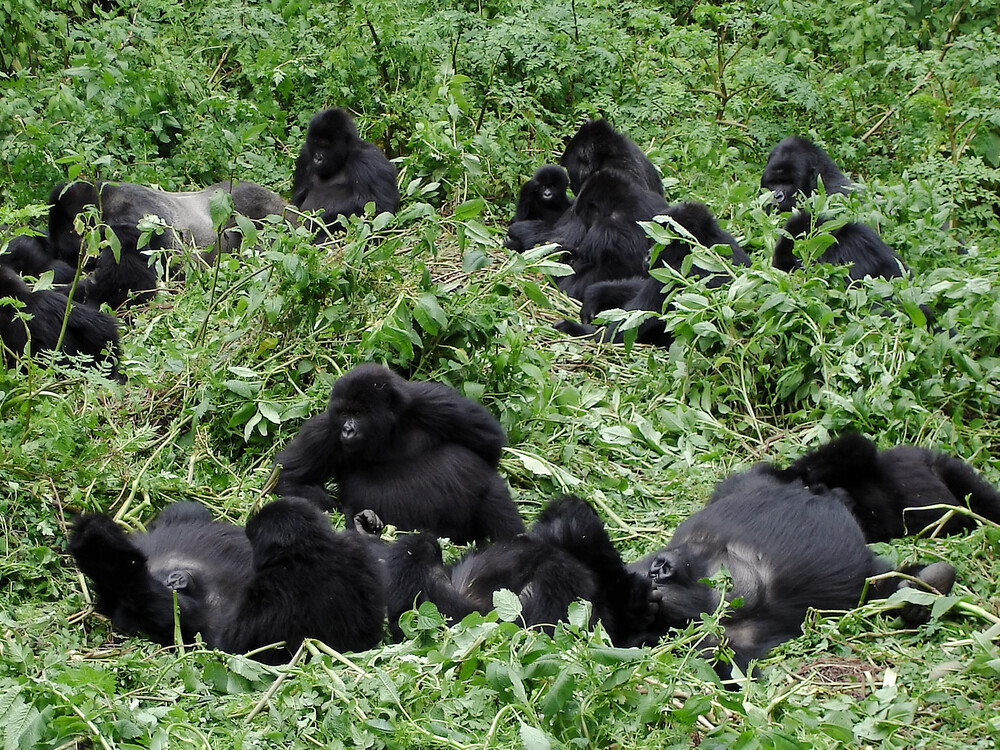
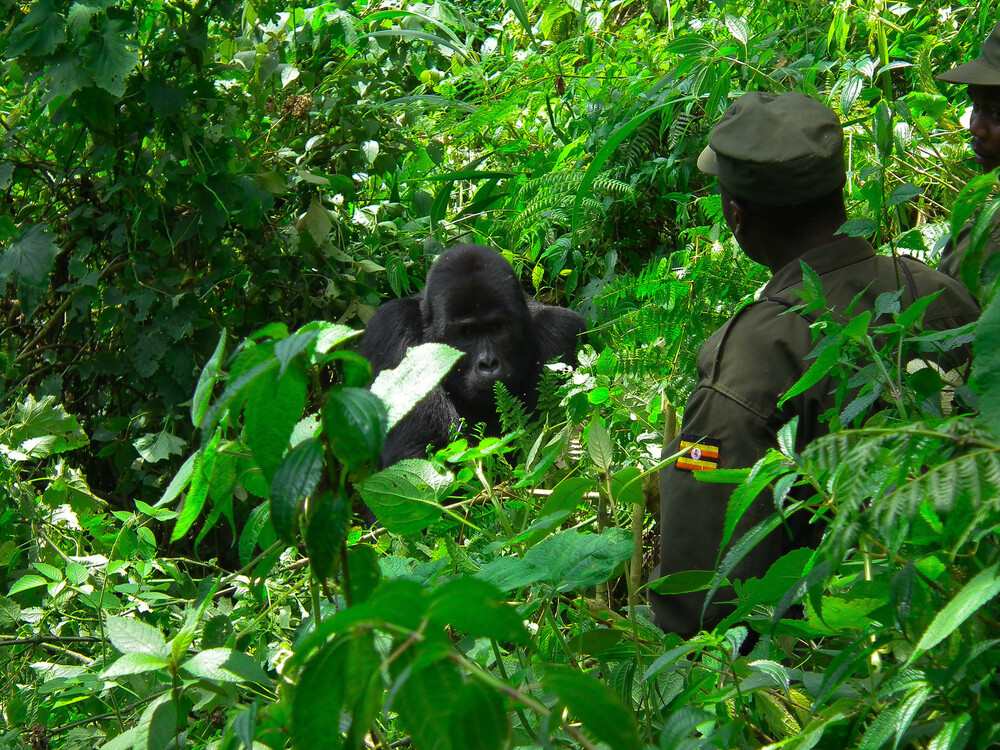
Gorilla trekking in Rwanda is one of the most extraordinary wildlife experiences in the world. To protect the endangered mountain gorillas and ensure safe, responsible tourism, visitors must strictly adhere to Gorilla Trekking Rules and Guidelines. These rules are carefully designed to safeguard trekkers, protect gorillas, and maximize both the ethical and enjoyable aspects of every safari.
Whether you are a first-time gorilla trekker, a wildlife enthusiast, or a professional wildlife photographer, understanding and following these Gorilla Trekking Rules and Guidelines is essential for a safe, responsible, and memorable experience in Volcanoes National Park.
Why Gorilla Trekking Rules and Guidelines Are Important
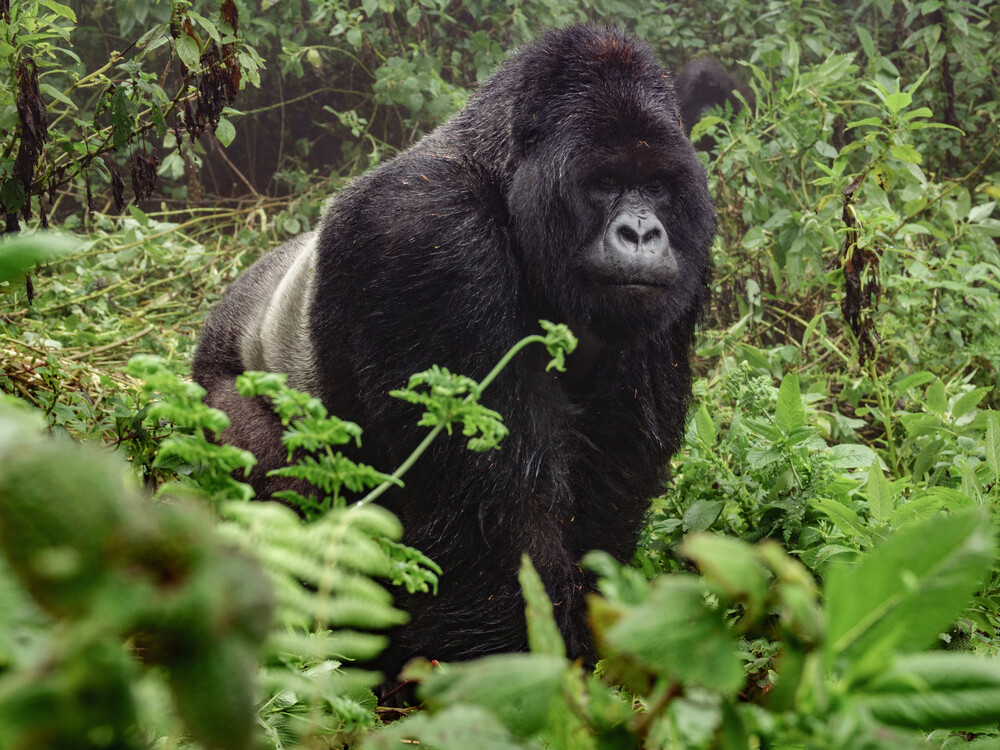
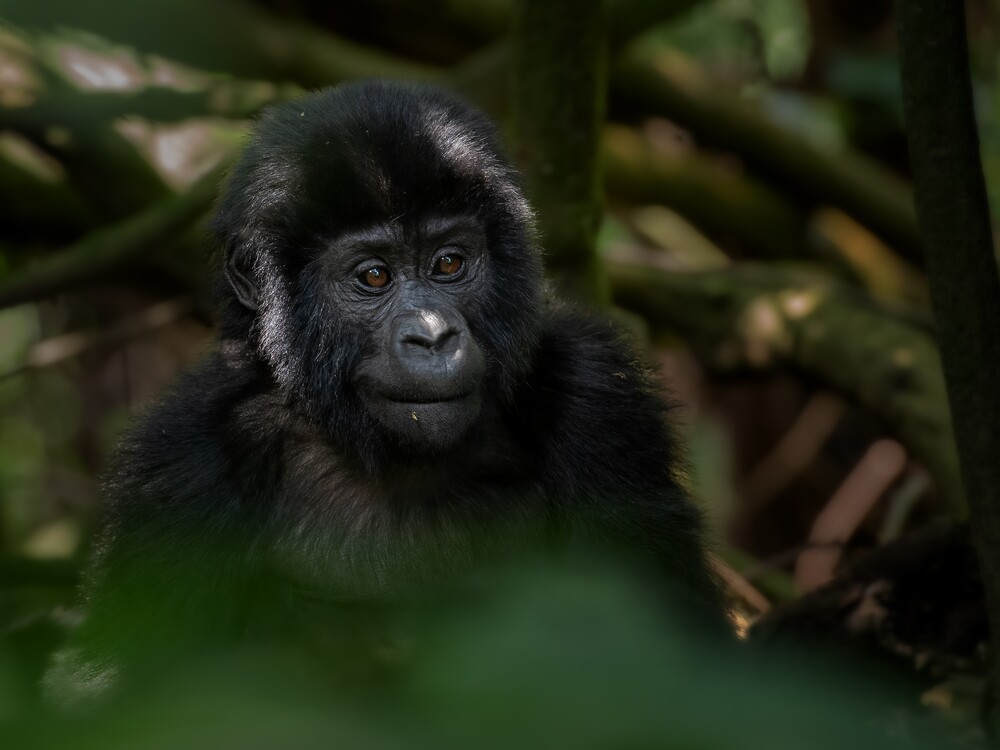
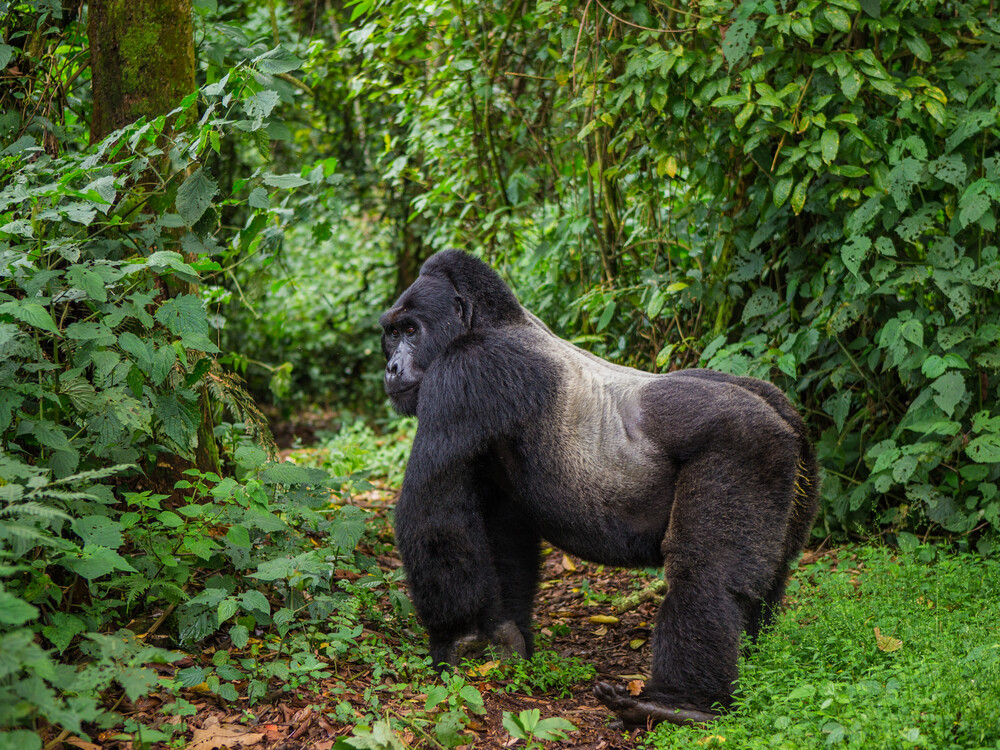
Mountain gorillas are critically endangered, with fewer than 1,100 individuals remaining worldwide. Strict compliance with Gorilla Trekking Rules and Guidelines is essential because it:
- Protects gorilla health: Humans can transmit respiratory illnesses and other pathogens to gorillas. Keeping a safe distance and following hygiene protocols minimizes this risk.
- Preserves natural behavior: By following the rules, gorillas continue to live and interact naturally, maintaining their feeding routines, social structures, and group dynamics.
- Ensures visitor safety: Rainforest terrain can be challenging. Rangers and guides enforce rules to prevent injuries and maintain safe trekking conditions.
- Supports conservation and local communities: Tourism revenue and responsible trekking practices fund ranger programs, habitat preservation, and community development.
- Maintains Rwanda’s global reputation: Compliance ensures that the country continues to be recognized as a model for ethical wildlife tourism.
Visitors who follow Gorilla Trekking Rules and Guidelines actively contribute to the long-term survival of mountain gorillas while experiencing a safe and rewarding safari.
Key Gorilla Trekking Rules and Guidelines in Rwanda
Rwanda’s mountain gorillas are critically endangered, and visiting them requires strict adherence to ethical practices. Following Gorilla Trekking Rules and Guidelines ensures both the safety of visitors and the protection of gorilla families. Below is a comprehensive explanation of each rule to help you understand their purpose and importance.
1. Maintain a Safe Distance
Visitors must maintain a minimum distance of seven meters from the gorillas at all times.
- Sudden movements, loud noises, or prolonged eye contact can stress or startle the gorillas.
- Respecting this distance safeguards gorilla welfare while allowing trekkers to observe natural behaviors.
- Proper distancing also facilitates safer photography during Gorilla Trekking Photography Safaris, ensuring that close-up shots do not compromise animal safety.
- Maintaining distance is a fundamental component of Rwanda’s Gorilla Trekking Rules and Guidelines, supporting both ethical tourism and wildlife conservation.
2. Limit Trekking Group Size
- Only eight visitors per gorilla family per day are allowed to minimize disturbance.
- Smaller groups allow guides to manage safety, logistics, and photographic opportunities more effectively.
- Most groups are accompanied by multiple trackers and rangers to ensure maximum safety, guided movement, and high-quality observation.
- This limit is a key element of Rwanda’s Gorilla Trekking Rules and Guidelines, promoting responsible and sustainable tourism.
3. Time Restrictions With Gorillas
- Each visitor may spend only one hour with a habituated gorilla family.
- Rangers strictly monitor this duration to prevent stress to the animals while allowing high-quality observation and photography.
- This rule balances visitor experience with gorilla welfare and is essential under Rwanda’s Gorilla Trekking Rules and Guidelines.
- The one-hour interaction remains the highlight of any trek, offering sufficient time for observation, photography, and personal connection without compromising conservation principles.
4. Health Precautions
- Trekkers must be free from contagious illnesses; anyone with flu, colds, or other infections should reschedule.
- Face masks may be required to prevent human-to-gorilla disease transmission.
- Hand sanitization before the trek is mandatory and forms part of Rwanda’s Gorilla Trekking Rules and Guidelines.
- These measures protect both visitors and gorillas and are strictly enforced to ensure long-term conservation success.
- Health precautions are particularly critical because mountain gorillas are highly susceptible to respiratory infections.
5. No Flash Photography
- Flash photography is strictly prohibited as it can disturb gorillas and alter their natural behavior.
- Photographers should use natural light or adjust ISO, aperture, and shutter speed for low-light rainforest conditions.
- Following this guideline ensures ethical photography and compliance with Gorilla Trekking Rules and Guidelines.
- Using natural light also preserves the authenticity of photographs and minimizes stress to the animals, making images more natural and expressive.
6. Avoid Feeding or Touching Gorillas
- Feeding gorillas is completely forbidden. Human food can harm gorillas or disrupt their natural feeding patterns.
- Touching gorillas is strictly prohibited to prevent disease transmission and maintain safety for both visitors and animals.
- Adhering to this rule is a key component of Rwanda’s Gorilla Trekking Rules and Guidelines.
- Respecting this ensures ethical tourism, preserves natural behaviors, and protects the health of gorillas.
7. Follow Ranger Instructions
- Guides and rangers are highly trained to maintain ethical and safe trekking practices.
- Visitors must follow all instructions, remain silent when required, and observe gorilla behavior carefully.
- Ranger guidance is central to Rwanda’s Gorilla Trekking Rules and Guidelines, ensuring that every trek is safe, ethical, and effective.
- Rangers also assist photographers with positioning to capture the best images without disturbing the gorillas.
8. Minimum Age Requirement
- Participants must be at least 15 years old to trek gorillas.
- This ensures that visitors can safely navigate uneven and steep rainforest terrain.
- Compliance with this rule is essential under Gorilla Trekking Rules and Guidelines to protect both the safety of trekkers and the welfare of gorillas.
- Younger children are not permitted to minimize risk and prevent disturbances to gorilla families.
9. Responsible Photography
- Avoid intrusive, aggressive, or overly close photography.
- Use zoom or telephoto lenses to capture close-up behaviors without approaching gorillas.
- Ethical photography practices are part of Rwanda’s Gorilla Trekking Rules and Guidelines.
- Following these practices ensures both the safety of gorillas and the quality of your images, making your trek professionally and ethically responsible.
10. Environmental Respect
- Do not litter or disturb the natural vegetation within Volcanoes National Park.
- Stick to established trekking paths to prevent damage to gorilla habitats.
- Responsible behavior aligns with Rwanda’s Gorilla Trekking Rules and Guidelines for sustainable tourism.
- Following these rules helps maintain the rainforest ecosystem, preserves the natural beauty of Volcanoes National Park, and ensures the survival of gorillas for future generations.
Additional Tips for Following Gorilla Trekking Rules and Guidelines
- Wear neutral-colored clothing to avoid alarming gorillas.
- Carry only essential gear to maintain mobility and comfort.
- Use trekking poles carefully, ensuring they do not swing near gorillas.
- Move slowly and quietly to observe and capture natural behaviors.
- Plan your trek according to seasonal conditions for optimal observation, safety, and photography.
Adhering to these practices ensures your Gorilla Trekking Rules and Guidelines experience is ethical, safe, and unforgettable.
Additional Tips for Following Gorilla Trekking Rules and Guidelines
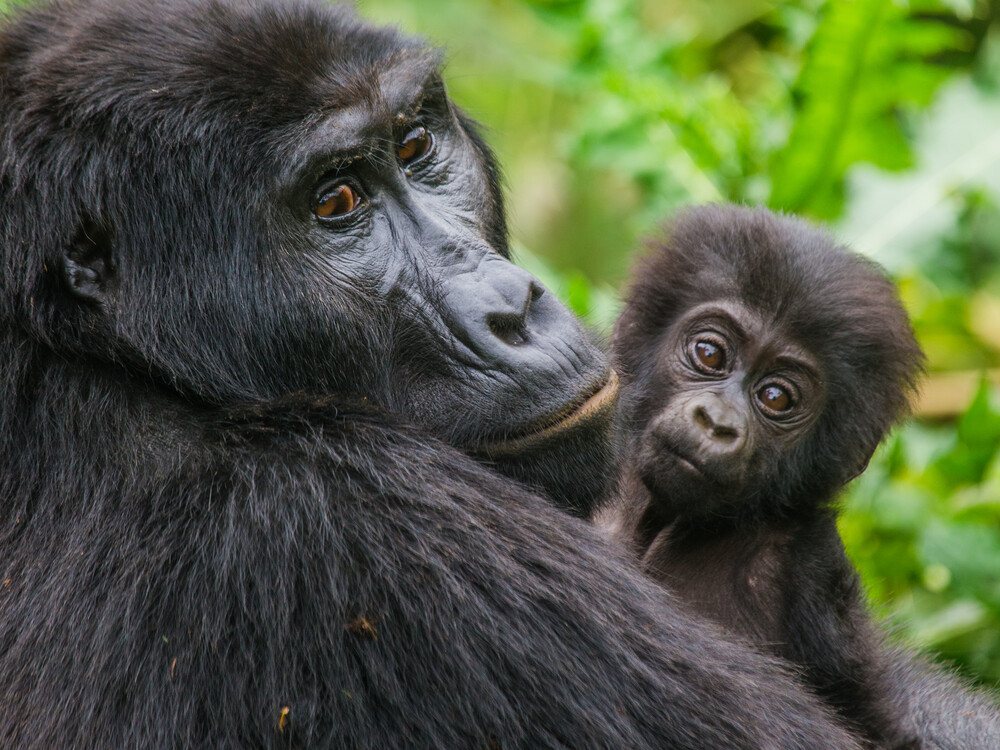
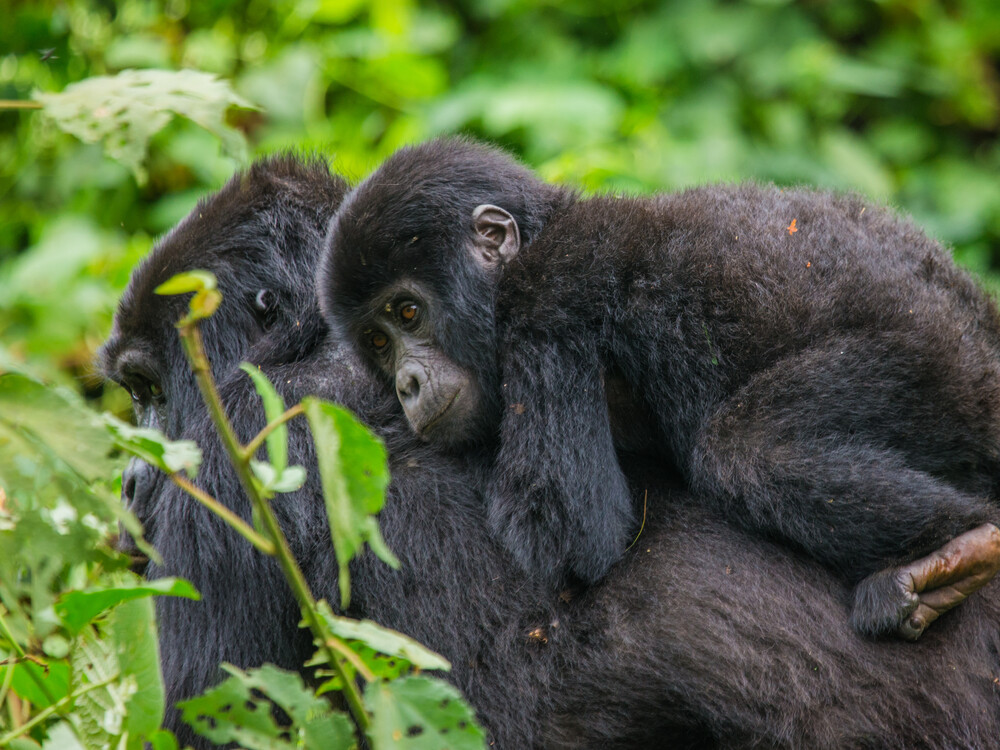
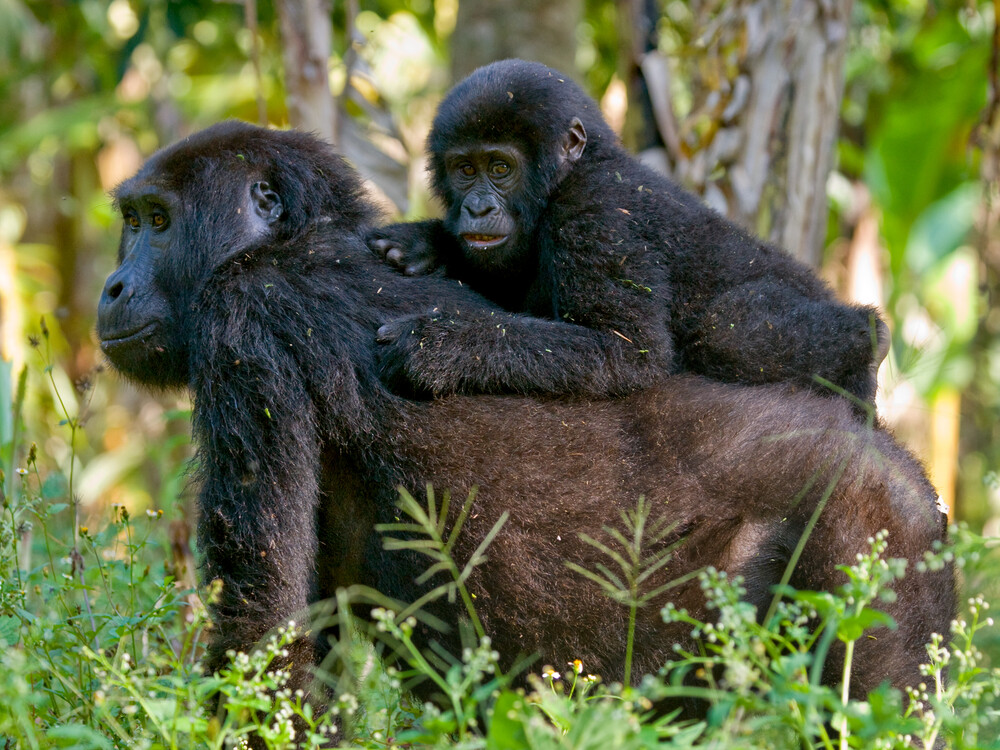
Even when you understand the formal rules, following best practices enhances safety, comfort, and your overall Gorilla Trekking Rules and Guidelines experience.
- Dress Appropriately: Wear neutral-colored clothing to avoid alarming gorillas or drawing unnecessary attention. Bright colors may stress the animals and reduce photographic opportunities.
- Carry Minimal Gear: Pack only essential items such as water, a light backpack, and camera equipment. Minimal gear ensures mobility on uneven rainforest trails and helps maintain safety.
- Use Trekking Poles Carefully: Poles can aid in steep or slippery terrain, but avoid swinging them near gorillas to prevent accidents or disturbance.
- Move Slowly and Quietly: Patience and gentle movement allow you to observe spontaneous gorilla behaviors and capture high-quality photographs. Sudden movements may startle gorillas and break the natural flow of interactions.
- Plan for Seasonal Conditions: Check weather forecasts and trail conditions. Dry seasons provide easier trekking paths, while green seasons offer lush scenery but may require more careful navigation. Planning enhances safety, photographic opportunities, and compliance with Gorilla Trekking Rules and Guidelines.
Following these tips ensures that your Gorilla Trekking Rules and Guidelines safari is not only safe and ethical but also maximizes your engagement with these incredible primates.
Benefits of Following Gorilla Trekking Rules and Guidelines
Adhering strictly to Gorilla Trekking Rules and Guidelines elevates your safari experience while promoting conservation. Key benefits include:
- Observe Gorillas Safely: You can watch mountain gorillas in their natural habitat without causing stress or risk to yourself or the animals.
- Optimize Photography Opportunities: By maintaining safe distances and following guidelines, you can capture authentic, high-quality images without disturbing the gorillas.
- Support Conservation Efforts: Responsible trekking ensures that park revenue, permit fees, and ethical tourism practices directly benefit gorilla conservation initiatives and local communities.
- Reduce Environmental Impact: Sticking to trails and avoiding litter preserves the delicate rainforest ecosystem and protects gorilla habitats.
- Promote Responsible Tourism: By following these rules, you contribute to Rwanda’s global reputation as a model for ethical and sustainable wildlife tourism, ensuring future generations can enjoy gorilla trekking experiences.
Book Your Rwanda Gorilla Trekking Rules and Guidelines Safari
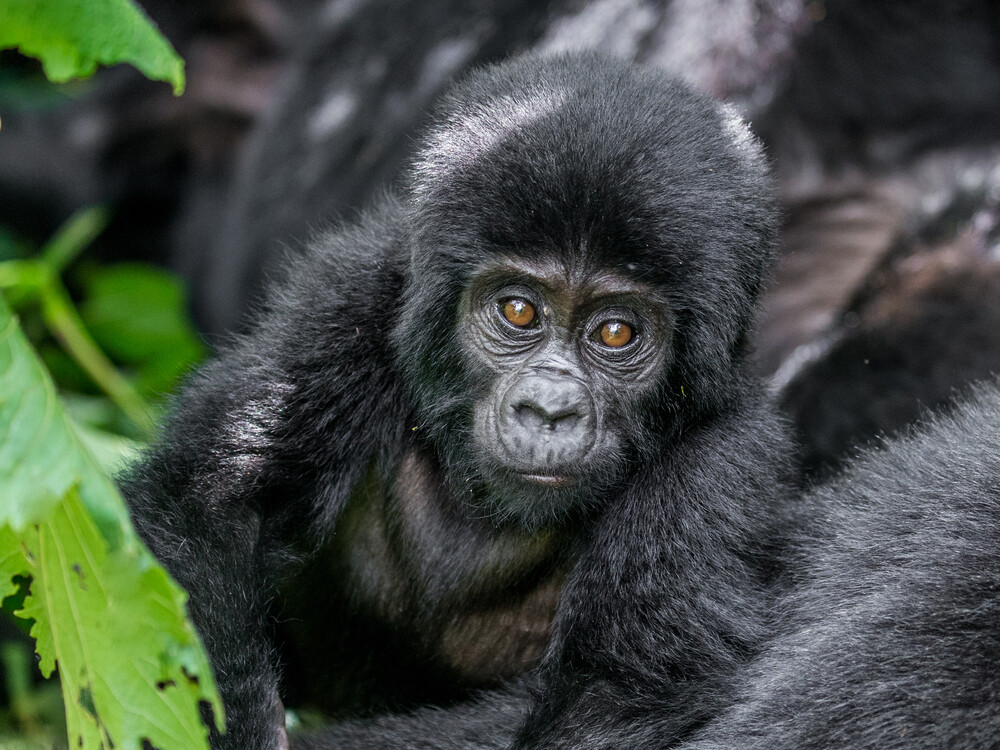
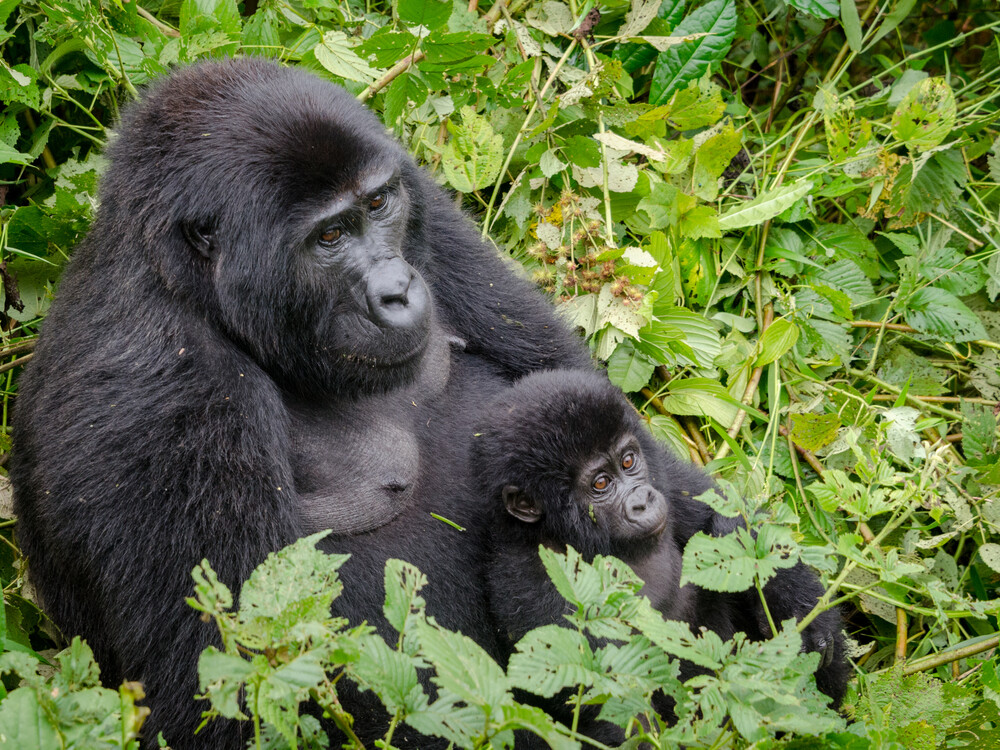
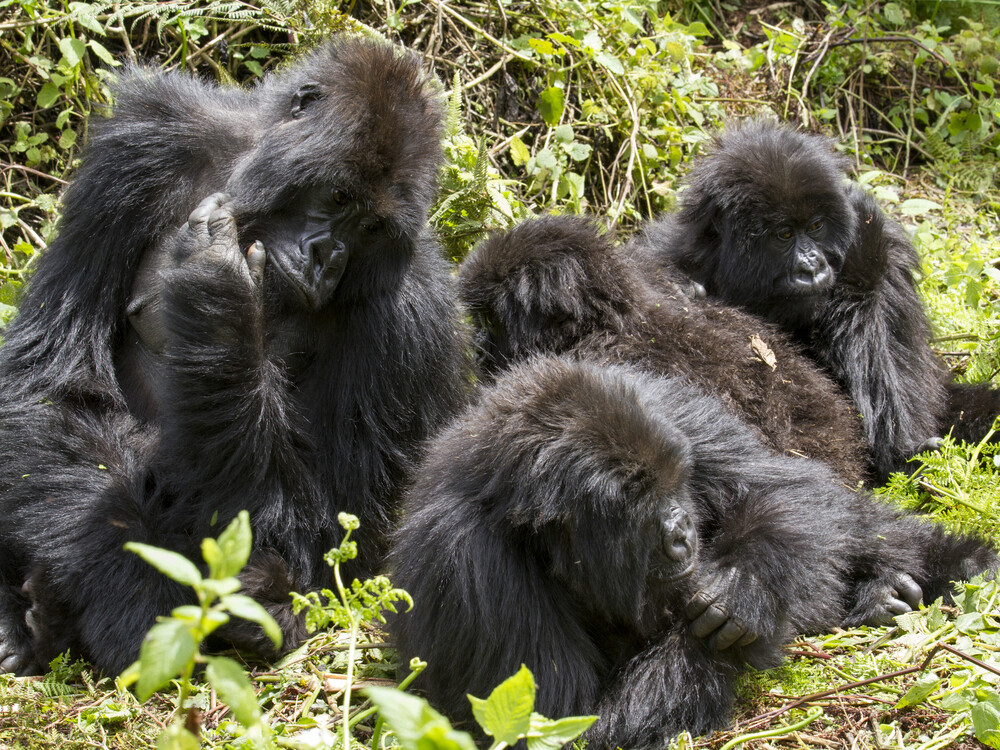
Observing Gorilla Trekking Rules and Guidelines guarantees that every trek is safe, ethical, and profoundly rewarding. At Jovana Gorilla Safaris, we specialize in creating trips that strictly follow all Gorilla Trekking Rules and Guidelines, giving visitors the best possible experience in Volcanoes National Park.
What Our Expert Guides Offer
- Education on Gorilla Behavior: Learn about gorilla social dynamics, communication, and habitat while respecting conservation principles.
- Assistance for Photographers: Guides help position trekkers safely to capture optimal wildlife images without disturbing the gorillas.
- Ethical Oversight: Ensures all visitors comply with Gorilla Trekking Rules and Guidelines while enjoying the trek.
Whether you are a first-time visitor, a wildlife enthusiast, or a professional photographer, our tailored safaris combine ethical practices with unforgettable encounters.
Contact Jovana Gorilla Safaris today to plan your Rwanda Gorilla trekking adventure. By booking with us, you are guaranteed a Gorilla Trekking Rules and Guidelines-compliant safari that is safe, conservation-focused, and designed to deliver once-in-a-lifetime experiences with Rwanda’s mountain gorillas.