
Gorilla Grooming Rituals Explained (Complete Guide — Uganda & Rwanda)
Gorilla grooming is one of the most intimate and revealing aspects of gorilla society. Observed primarily in the forests of Bwindi Impenetrable National Park, Mgahinga Gorilla National Park, and Volcanoes National Park in Rwanda, grooming is far more than a hygienic act, it is a complex social ritual that strengthens relationships, reinforces hierarchy, reduces stress, expresses affection, and maintains harmony within the family.
To watch a gorilla gently pick debris from another’s fur, lean close for comfort, or offer their back in trust is to witness one of the oldest social behaviours in the primate world. Grooming rituals are a living language through which gorillas communicate loyalty, friendship, trust, and peace.
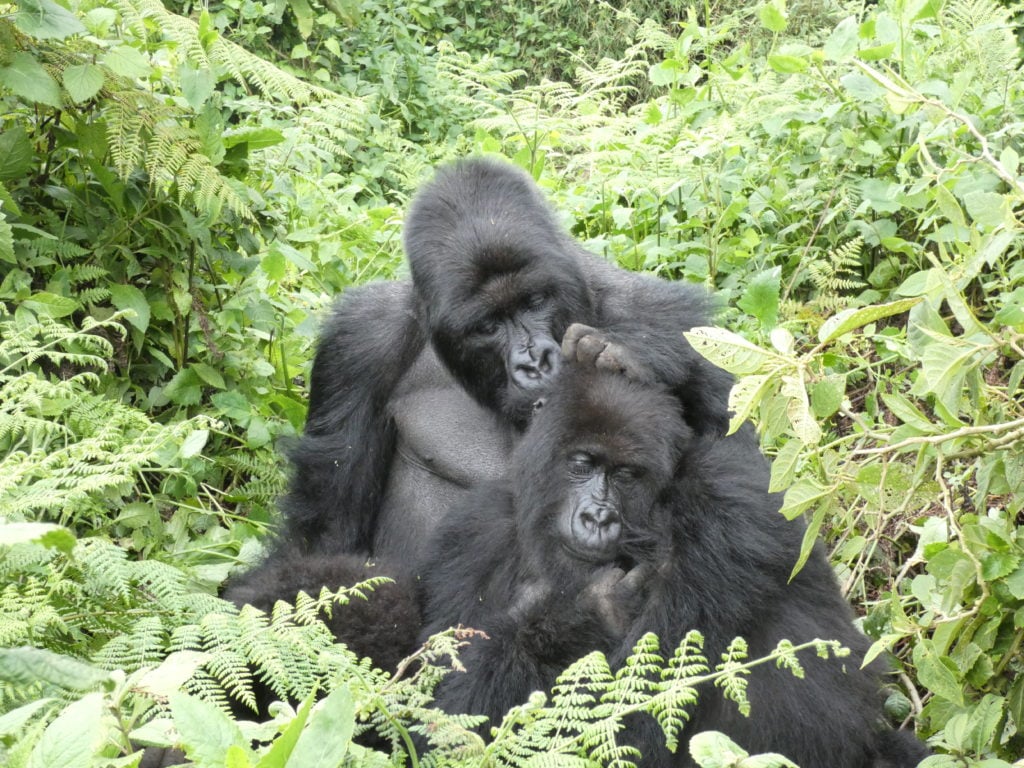
This comprehensive Gorilla Grooming Rituals guide explains why gorillas groom, how they groom, who grooms whom, the emotional meaning behind grooming, and how grooming rituals influence gorilla society and conservation.
What Is Gorilla Grooming?
Gorilla grooming is a social behaviour in which one gorilla uses fingers, lips, or hands to clean and inspect another gorilla’s fur. Grooming removes:
- dirt
- parasites
- loose hair
- plant debris
- insects
But hygiene is only one small part of grooming’s purpose. The ritual also:
- builds trust
- strengthens family bonds
- eases tension
- shows affection
- reinforces social hierarchies
- creates emotional stability
- calms distressed individuals
Grooming is so essential that gorillas spend a significant portion of their resting time engaged in it, especially between mid-morning and afternoon when feeding activity slows.
Grooming as the Heart of Gorilla Social Life
Grooming is the glue that holds gorilla families together. In species that rely heavily on cooperation, emotional bonding is vital. Grooming provides a quiet, peaceful setting where individuals reaffirm their place in the group.
The forest often becomes silent during grooming sessions. Family members cluster around one another, touching, inspecting, and leaning into shared comfort. These moments reveal the emotional intelligence and empathy of gorillas, traits they share with humans and other great apes.
The importance of grooming is so profound that families with strong grooming networks show:
- decreased aggression
- greater harmony
- stronger cooperation
- better infant development
- improved stress regulation
Grooming is the social heartbeat of gorilla life.
Why Gorillas Groom: The Biological & Social Functions
Grooming serves several essential functions that blend hygiene, psychology, and social structure.
Hygiene
Removing parasites and dirt prevents skin infections, improves fur condition, and contributes to overall health. Grooming is especially important in humid mountain environments where moisture can accumulate in thick fur.
Social bonding
Grooming releases oxytocin, the bonding hormone creating emotional closeness between individuals. It solidifies alliances and reduces social tension.
Stress relief
Physical touch is calming. Gorillas groom during peaceful moments, after feeding, or following stressful encounters. Grooming helps lower cortisol levels.
Conflict resolution
After disputes, grooming is used as a reconciliation gesture. Two gorillas may groom each other to restore peace and avoid escalating tension.
Parental care
Mothers groom infants to comfort them, clean them, and teach them grooming techniques by example.
Communicating respect
Grooming reflects trust. Lower-ranking individuals sometimes groom higher-ranking ones as a sign of respect.
Grooming therefore functions as both a biological necessity and a social ritual.
How Gorillas Groom: Techniques & Behaviour
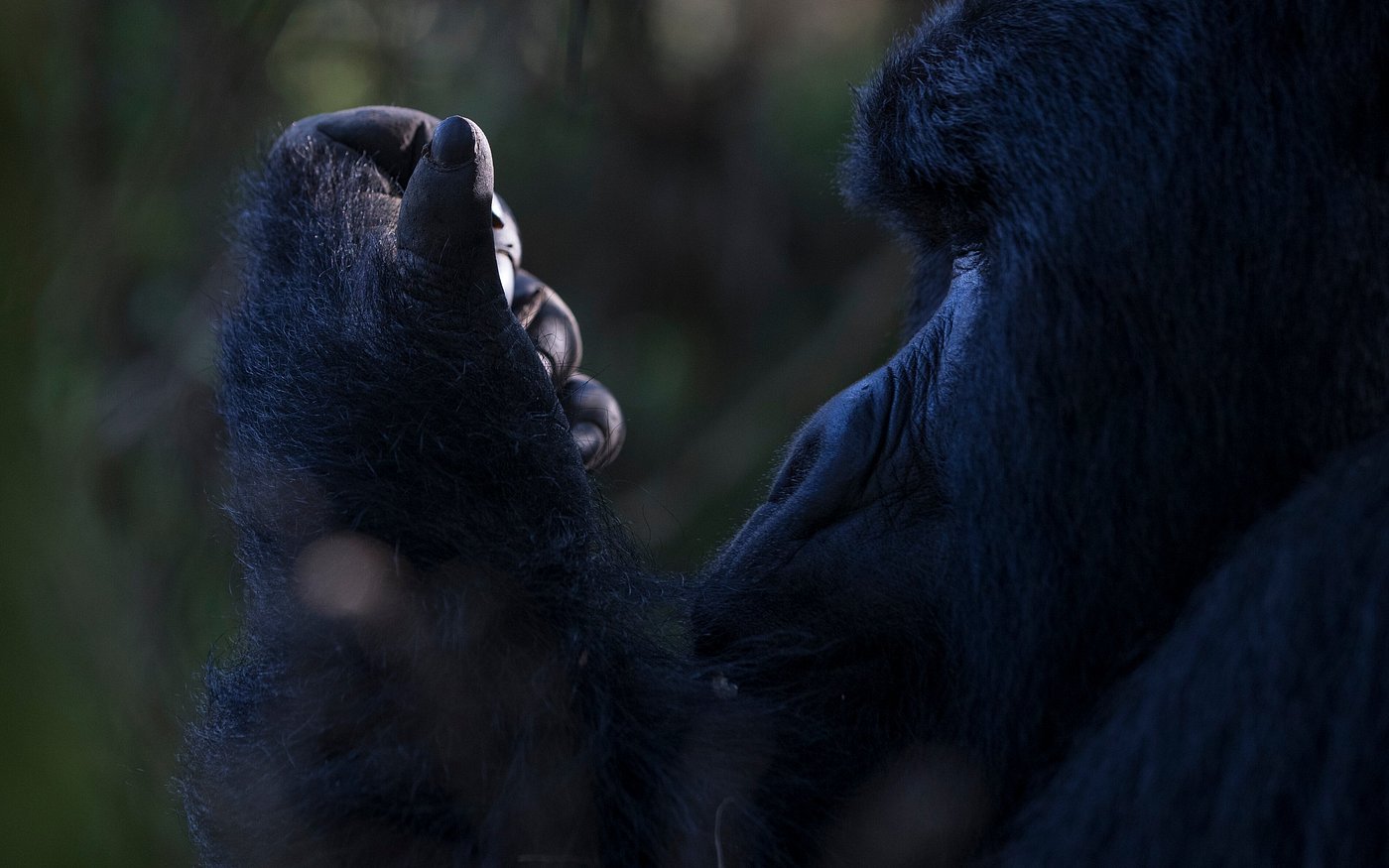
Gorillas groom using a combination of finger movements, hand motions, and mouth actions. They are surprisingly gentle yet precise.
Finger-Comb Grooming
Gorillas run their fingers through fur, separating strands and checking for debris. They use a careful pinching motion to remove particles.
Hand-Picking Technique
They lift sections of fur and examine the skin beneath. They pick parasites or dirt using thumb–finger coordination, similar to human fine motor skills.
Lip Grooming
Gorillas sometimes use lips to pull small particles from fur. This intimate method is usually reserved for mothers grooming infants or close adult relationships.
Back & Shoulder Grooming
Gorillas sit side-by-side or behind one another to reach harder areas.
Grooming Posture
The grooming recipient often sits relaxed, leaning into the groomer in a position of safety and trust.
Grooming is slow, careful, and rhythmic almost meditative.
Who Grooms Whom? The Social Rules of Grooming
Gorilla grooming is not random. It follows patterns shaped by emotional bonds, kinship, and hierarchy.
Mother–Infant Grooming
This is the most common grooming relationship. Mothers groom their infants daily, ensuring cleanliness, comfort, and bonding. Infants also practice grooming on their mothers, learning through imitation.
Siblings & Peers
Juveniles groom one another frequently, deepening friendships and learning social habits. Grooming is a central activity in their play and bonding.
Females Grooming the Silverback
Adult females often groom the dominant silverback as a gesture of trust, loyalty and emotional connection. This also reinforces his role as protector.
Silverbacks Grooming Others
While less common, gentle silverbacks occasionally groom females, infants, or juveniles. Such moments are rare but deeply meaningful, a sign of emotional intelligence and reassurance.
Cross-Family Grooming
During interactions between neighbouring groups (rare in habituated families), grooming may occur between females or juveniles, though this is less frequent.
These grooming relationships form the map of social life.
Grooming as a Sign of Peace & Emotional Stability
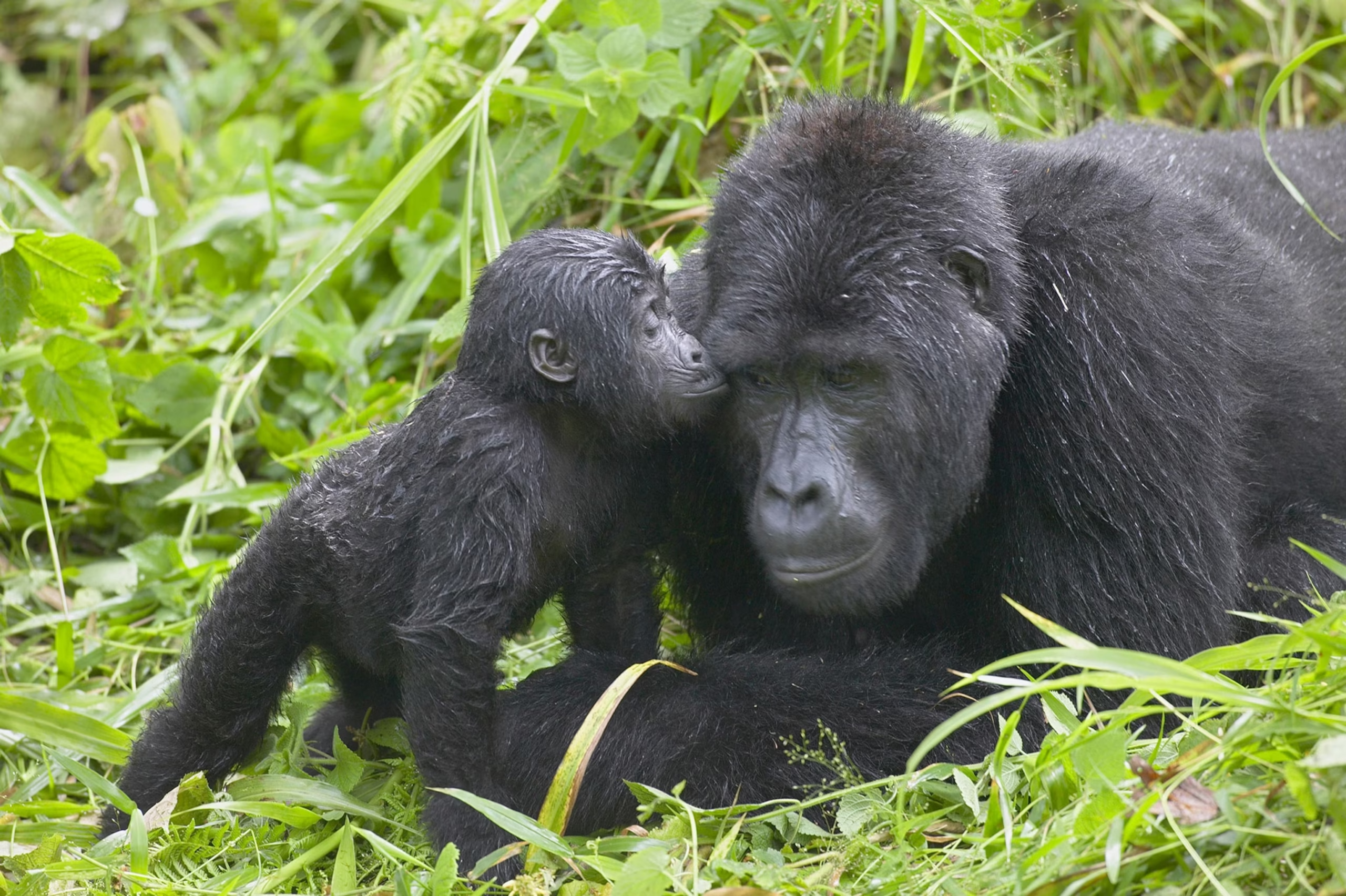
A family that grooms together stays stable together. Grooming rituals signal harmony within the group.
After feeding sessions, when gorillas settle down for rest, grooming often begins. Family members sit close, exchanging gentle touches. Infants climb across adults while adults groom each other calmly.
Grooming is particularly common after stressful events:
- loud noises
- inter-group encounters
- dominance displays
- unpredictable disturbances
The silverback’s calm presence often initiates a grooming wave, spreading out through the family like emotional reassurance.
Grooming as Conflict Resolution
Gorillas are generally peaceful, but disputes do occur. Grooming plays a major role in reconciliation.
If two juveniles fight over food or play too roughly, a period of grooming usually follows. The groomer may approach first in a submissive posture, offering peace. The grooming recipient accepts by leaning forward.
This silent communication resolves tension without aggression. It strengthens cooperation and prevents long-term conflict.
Even adult females use grooming to mend relationships, especially when competition over silverback attention arises. Learn about Infant Gorilla Development Stages
Grooming and Hierarchy: Respect in Action
Grooming reinforces social hierarchy. Lower-ranking gorillas often groom higher-ranking ones. This behaviour:
- acknowledges status
- avoids conflict
- maintains order
- builds alliances
- strengthens trust
However, reciprocal grooming also occurs. Higher-ranking individuals sometimes groom others they respect or want to support. This reciprocity helps stabilize the group.
In gentle silverback-led families, grooming is more evenly distributed. In aggressive-led families, grooming tends to reflect clearer hierarchical patterns.
Grooming and Infant Development
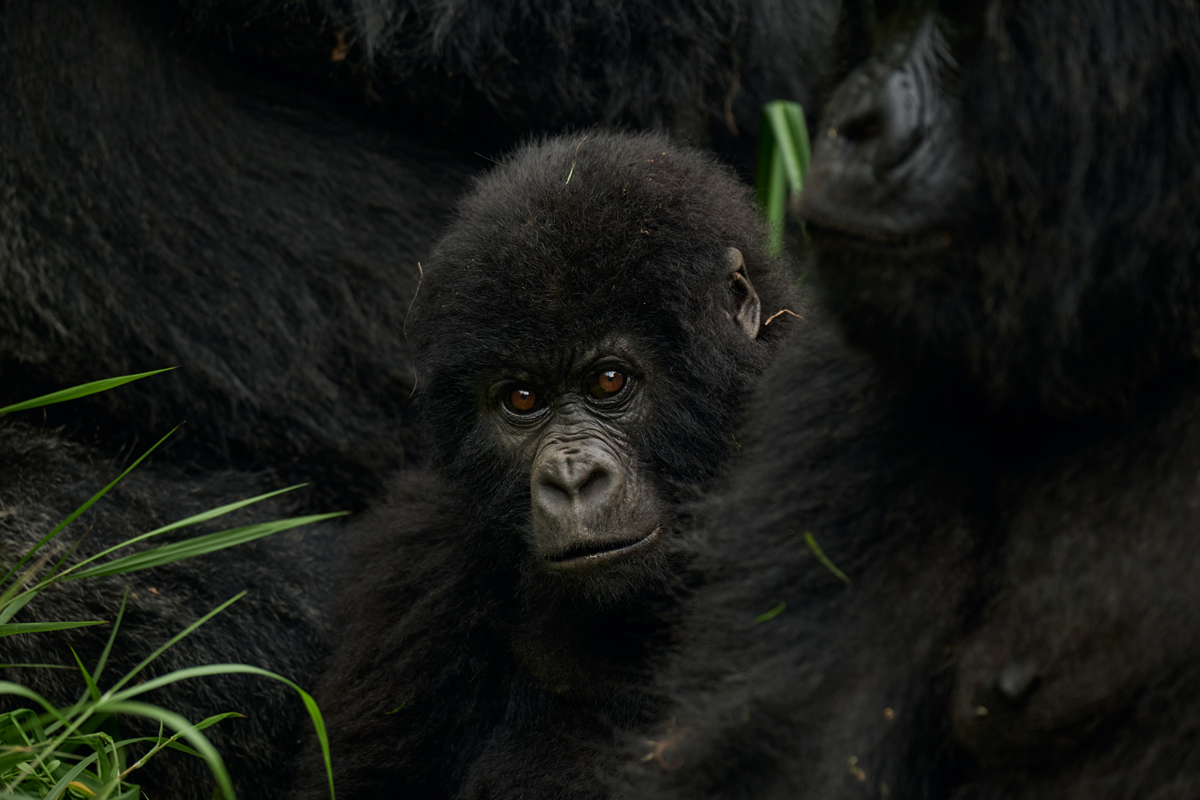
For infants, grooming is essential for emotional, social, and physical development. Mothers groom infants constantly to keep them clean, remove debris, and comfort them.
Infants learn:
- touch communication
- grooming gestures
- social etiquette
- patience
- trust
- attention to detail
As infants grow into juveniles, they begin to groom their mothers, siblings, and even the silverback. Their grooming attempts are clumsy at first but improve with practice.
This process shapes their social intelligence, preparing them for adulthood.
Grooming and Female Relationships
Female–female grooming is common and plays a major role in strengthening alliances between females in a group. Adult females groom each other to:
- build trust
- reduce tension
- support each other in motherhood
- strengthen cooperation
- form social bonds that last years
These alliances influence feeding positions, nesting proximity, and child-rearing cooperation. Grooming is essential for maintaining peaceful female dynamics.
Grooming and Silverbacks: Leadership Through Calm Touch
Silverbacks rarely initiate grooming, but when they do, it is an important social signal. A silverback grooming a juvenile or a female demonstrates emotional intelligence and leadership that prioritizes peace.
Even without grooming often, silverbacks indirectly encourage grooming by creating an atmosphere of safety. His calm posture, protective presence, and confidence allow females and juveniles to relax and engage in grooming freely.
A silverback that tolerates grooming from infants or juveniles is highly respected.
Grooming & Communication: What Gorillas “Say” Through Touch
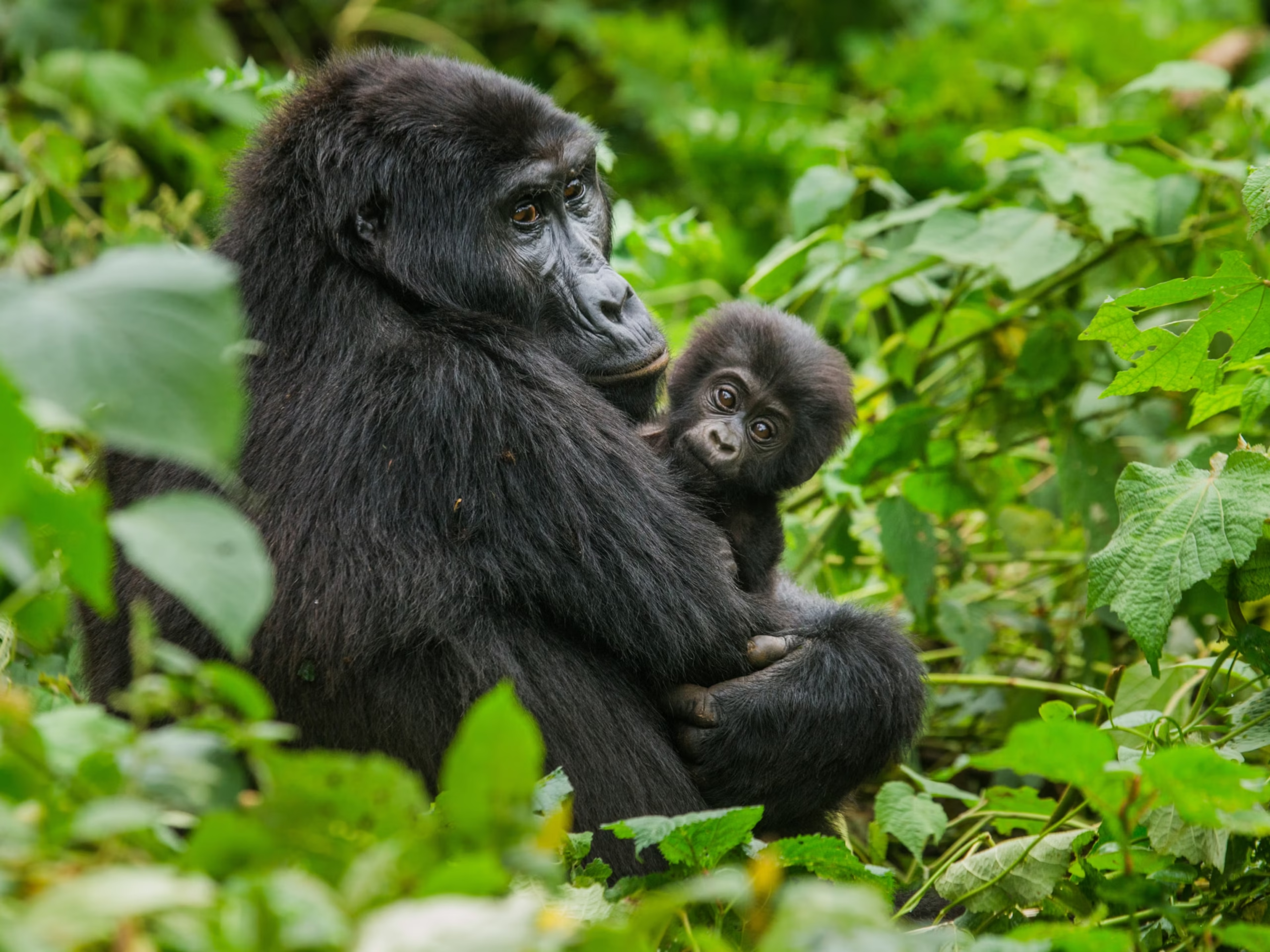
Grooming is a form of communication in gorilla society. Through subtle touch, individuals communicate:
- reassurance
- affection
- solidarity
- apology
- respect
- protection
- comfort
- calmness
Grooming replaces aggression. It strengthens emotional bonds. It reduces stress. It maintains group unity in a challenging environment.
Grooming is one of the clearest examples of gorilla emotional intelligence. Learn more about How Mountain Gorillas Communicate to each other.
Grooming Techniques in Different Gorilla Populations
Although grooming rituals are universal among mountain gorillas, subtle differences exist between regions.
Bwindi Forest Gorilla Grooming
Bwindi Forest gorillas, living in dense mixed forests, groom frequently during rest periods. Their grooming sessions are long, relaxed and often involve multiple family members in clusters.
Volcanoes NP Gorilla Grooming
Rwandan gorillas groom in more open bamboo and hagenia zones, making grooming easier to observe. Grooming tends to involve more mother–infant and female–female interactions.
Mgahinga Gorilla Grooming
Mgahinga’s small families show tight-knit grooming networks due to limited group sizes. Grooming often includes frequent reassurance gestures.
These regional adaptations reflect vegetation, visibility, and social dynamics.
Grooming and Environmental Factors
Seasonal changes influence grooming behaviour. During rainy seasons, grooming removes excess moisture, mud, and insects from fur. During dry seasons, grooming helps reduce dust and pollen accumulation.
High-altitude areas, with cold temperatures, encourage closer resting positions and more grooming for warmth and comfort.
Environmental factors therefore shape the frequency and intensity of grooming rituals.
Grooming as Cultural Behaviour
Grooming traditions can vary slightly between gorilla families, suggesting cultural transmission. Young gorillas learn grooming techniques by observing specific styles in their families. Some families groom in specific postures. Others groom more vigorously or more frequently.
These differences show that grooming is not only instinctive — it is learned, refined, and passed down generations.
This type of behavioural culture is one of the defining features of great ape societies.
Grooming and Conservation – Why It Matters
Grooming is so fundamental to gorilla well-being that conservation practices consider its importance. Families experiencing stress from habitat disturbance groom less. High-stress groups show reduced grooming and weaker social bonds.
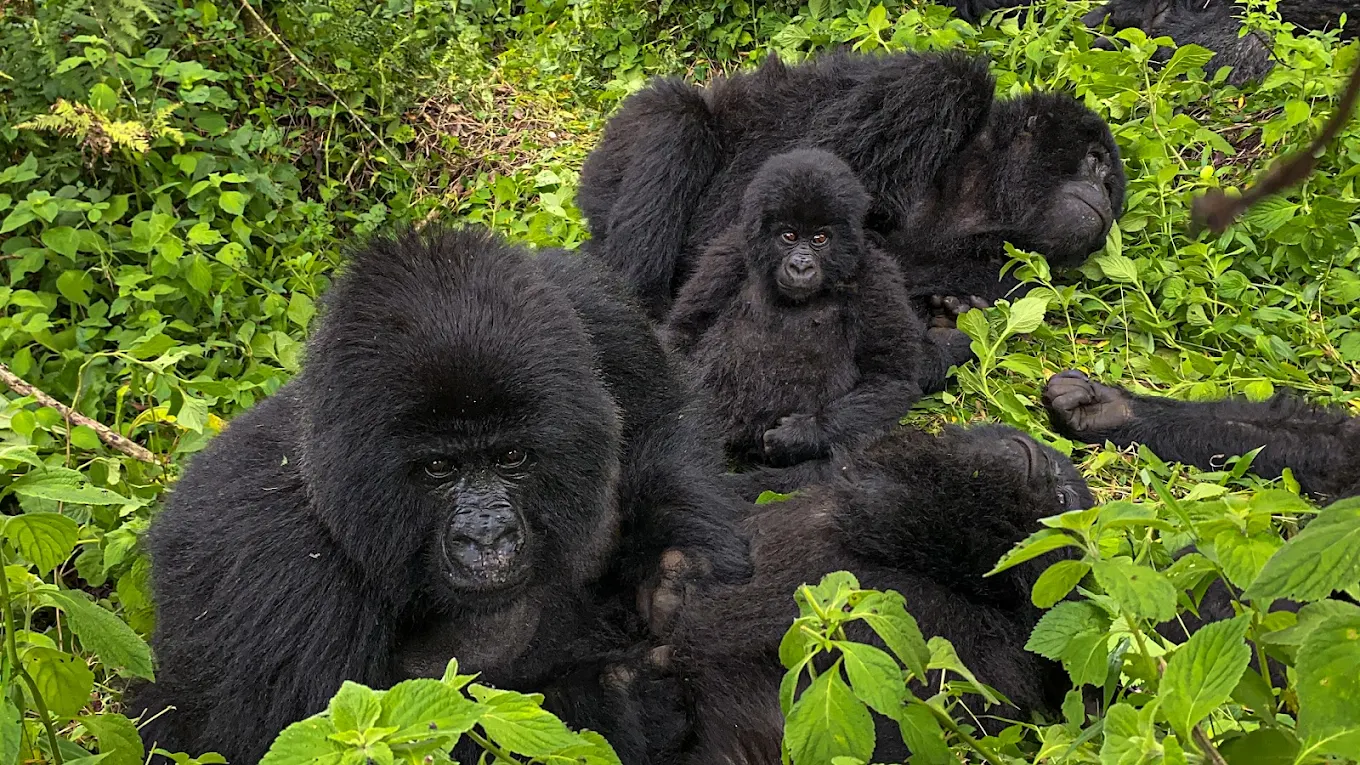
Protecting habitats ensures peaceful grooming environments free from noise, human disturbance, and competition with livestock.
Veterinarians also check for grooming patterns when assessing health. A gorilla with neglected fur may be ill, stressed, or socially isolated.
Understanding grooming rituals helps conservationists protect gorilla mental and physical health.
Can Grooming Improve Gorilla Survival?
Yes. Grooming strengthens cooperation, which improves family stability. Stable families mean:
- reduced infant mortality
- lower risk of silverback takeovers
- better foraging efficiency
- stronger protection against threats
- emotional security for infants
- improved reproduction success
In gorilla societies, grooming is one of the most powerful tools for ensuring long-term survival.
Gorilla Grooming vs Chimpanzee Grooming
Chimpanzees groom extensively and use grooming to form political alliances. Gorillas groom more peacefully, focusing on emotional bonding rather than political gain.
Chimpanzee grooming is strategic.
Gorilla grooming is relational.
This difference reflects gorilla society’s more peaceful and cooperative nature.
Frequently Asked Questions About Gorilla Grooming
Do gorillas groom humans?
No. Even habituated gorillas do not groom people; human contact is avoided for health and safety.
Do gorillas groom every day?
Yes, grooming is a daily activity.
Do gorillas enjoy grooming?
Yes. Grooming is calming and triggers positive emotional responses.
Is grooming only for hygiene?
No. It is primarily a social and emotional behaviour.
Do silverbacks groom?
Rarely, but when they do, it is significant and meaningful.
Final Thoughts – Grooming as the Language of Peace
Gorilla grooming rituals reveal the gentle heart of gorilla society. Beyond hygiene, grooming is a sophisticated emotional language, a ritual of peace, affection, trust, and unity. It shapes family bonds, encourages cooperation, and supports emotional well-being.
To observe a gorilla family grooming is to witness the calmest moments of the forest, the soft rustle of leaves, the gentle hum of contentment, and the profound connection between individuals.
Grooming shows us that gorillas, like humans, depend on touch, tenderness and companionship. It is a reminder that emotional closeness and social harmony are not human inventions, they are ancient, shared, and beautifully expressed in the lives of mountain gorillas.
Book a Gorilla Adventure with Us | Visit Our Luxury Gorilla Trekking Website | All-inclusive Gorilla Trekking Deals