
Gorilla Families in Rwanda
The Gorilla Families in Rwanda are among the country’s greatest wildlife treasures and form the foundation of Rwanda’s world-renowned gorilla trekking industry. Located within Volcanoes National Park, these remarkable groups of mountain gorillas attract thousands of visitors every year who travel from around the world to witness one of nature’s most extraordinary wildlife encounters.
When people think about Rwanda Gorilla Trekking, they often focus on the mountain gorillas themselves. However, the true stars of the experience are the individual Gorilla Families in Rwanda, each with its own history, social structure, personalities, leadership dynamics, and fascinating conservation story. Every gorilla family offers a unique trekking experience, making no two gorilla encounters exactly alike.
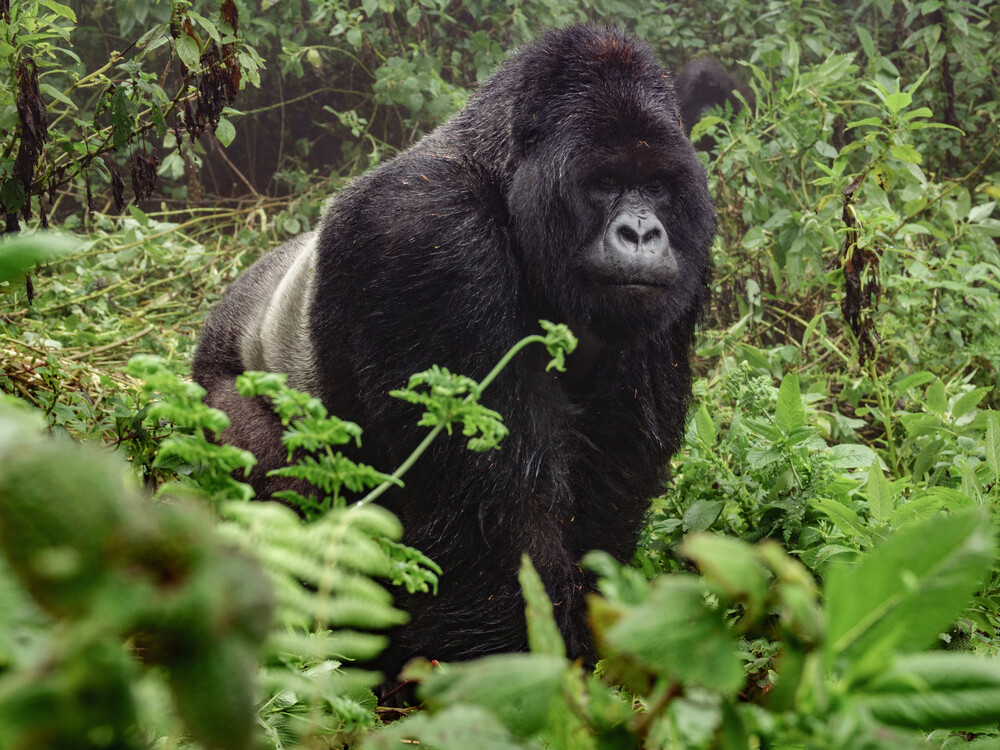
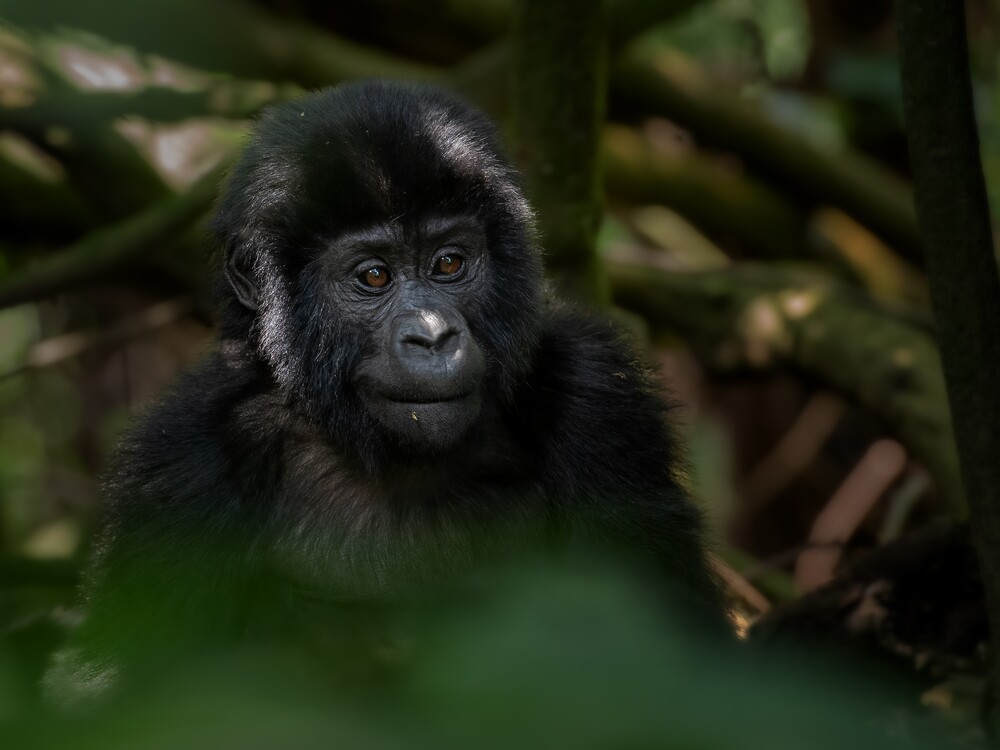
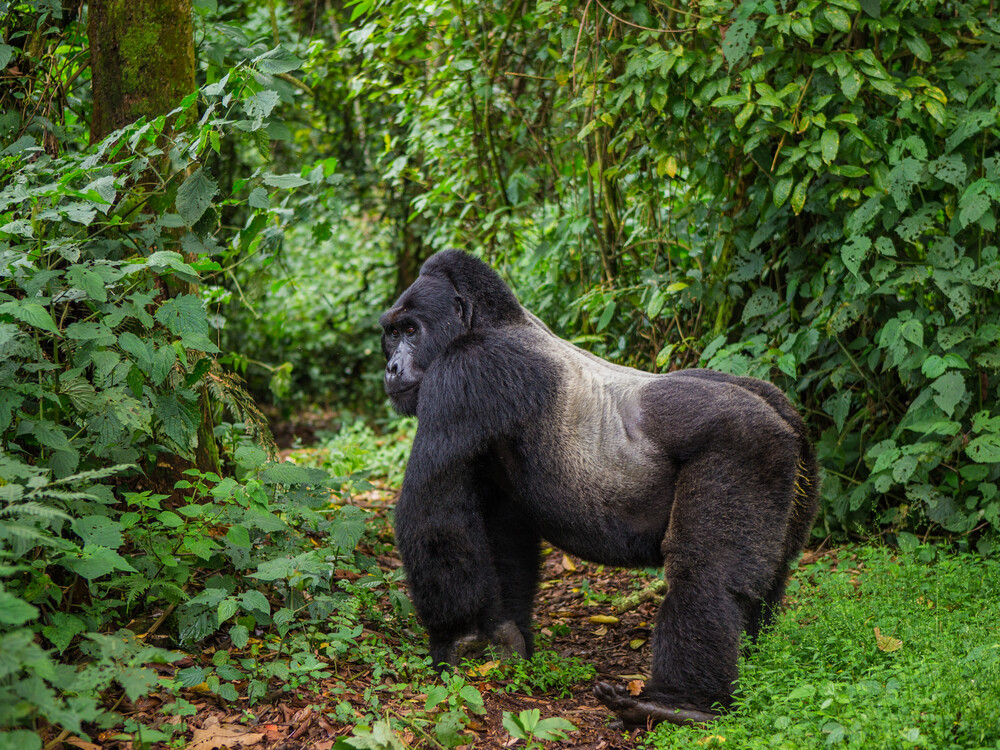
The Gorilla Families in Rwanda play a critical role in conservation. Through carefully managed tourism, these habituated groups help generate significant revenue that supports conservation efforts, anti-poaching patrols, veterinary care, scientific research, habitat protection, and community development projects. The success of Rwanda’s conservation model is closely linked to the protection and monitoring of these gorilla families.
All Gorilla Families in Rwanda are found within Volcanoes National Park, one of Africa’s most iconic protected areas. Situated in northwestern Rwanda, the park forms part of the larger
shared with Uganda and the Democratic Republic of Congo. The park’s volcanic mountains, bamboo forests, montane forests, and rich biodiversity create the ideal habitat for mountain gorillas.
Mountain gorillas are among the world’s most endangered great apes. Unlike lowland gorillas found elsewhere in Africa, mountain gorillas inhabit high-altitude forests characterized by cool temperatures, dense vegetation, and rugged terrain. Rwanda protects a significant portion of the global mountain gorilla population, making Volcanoes National Park one of the most important conservation areas on Earth.
Before a gorilla family can be visited by tourists, it undergoes a process known as habituation. This lengthy process gradually familiarizes gorillas with the presence of humans while maintaining their natural behavior. Habituation can take several years and involves daily monitoring by experienced researchers, trackers, and conservation teams.
Tourists visit different Gorilla Families in Rwanda for various reasons. Some travelers seek large groups with many members, while others prefer families known for silverback sightings, infant gorillas, photography opportunities, or easier trekking conditions. The diversity of gorilla families allows visitors to choose experiences that best match their interests and physical abilities.
Continuous monitoring of Gorilla Families in Rwanda is essential for conservation success. Rangers and researchers track gorilla health, movements, births, deaths, social changes, and interactions with neighboring groups. This information helps conservationists understand gorilla behavior while ensuring the long-term survival of these endangered primates.
The role of gorilla tourism in conservation cannot be overstated. Revenue generated through gorilla permits directly supports wildlife protection while creating economic opportunities for surrounding communities. As a result, Gorilla Families in Rwanda have become one of Africa’s greatest conservation success stories and a powerful example of how responsible tourism can help protect endangered species.
Understanding Gorilla Families in Rwanda
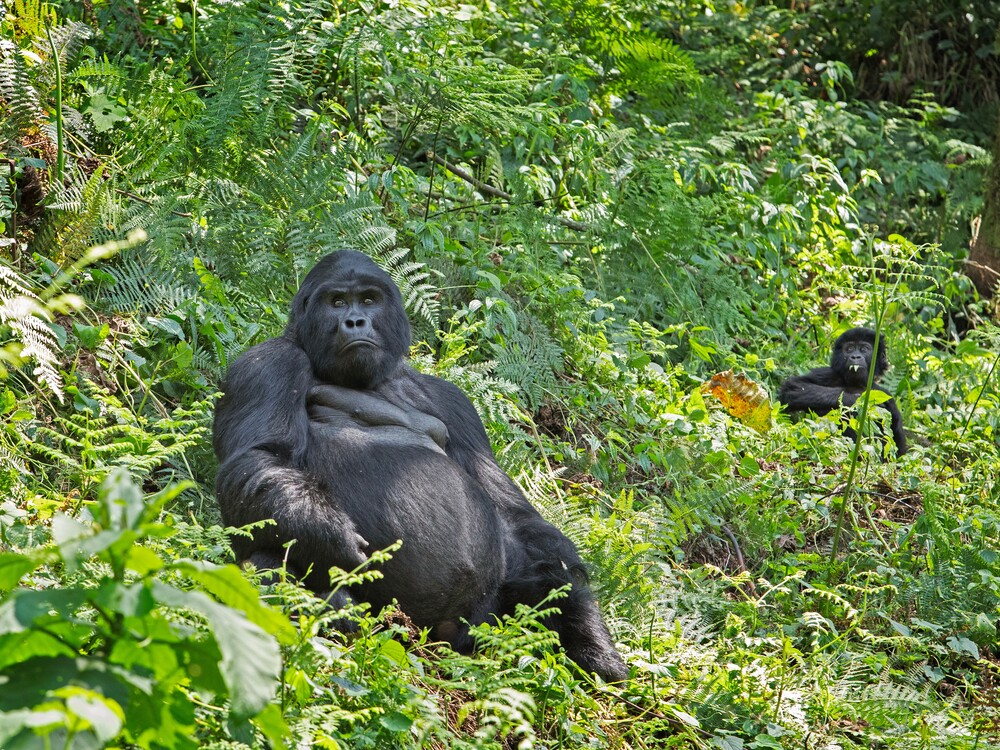
What is a Gorilla Family?
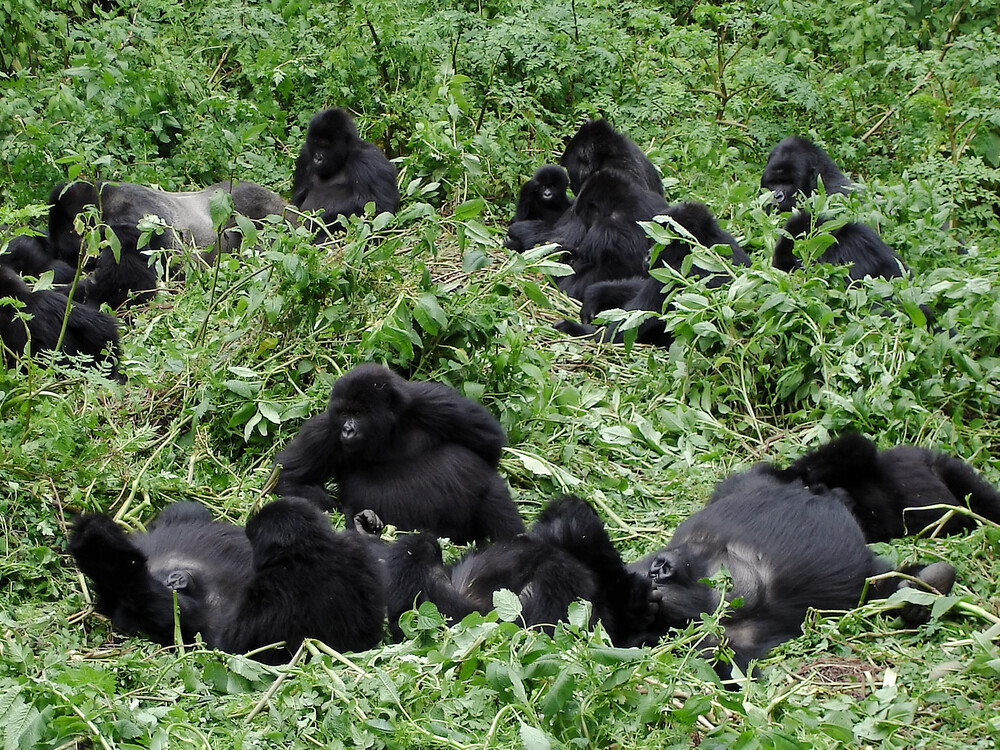
A gorilla family, also known as a gorilla group, is a social unit consisting of multiple mountain gorillas living together under the leadership of a dominant silverback.
Each family functions as a close-knit social group where members cooperate, communicate, feed, travel, and protect one another.
Gorilla Social Structure
The social structure of Gorilla Families in Rwanda is highly organized and centered around family relationships and hierarchical leadership.
Silverbacks
Silverbacks are mature adult male gorillas distinguished by the silver-colored hair that develops across their backs as they age.
The silverback serves as:
- Leader of the family
- Protector of group members
- Decision-maker during movements
- Mediator of conflicts
- Defender against threats
A strong silverback is essential for maintaining stability within the family.
Adult Females
Adult females are responsible for nurturing young gorillas and maintaining social bonds within the group.
They:
- Care for infants
- Build nesting sites
- Assist with social cohesion
- Play an important role in family dynamics
Juveniles
Juvenile gorillas are highly energetic and playful.
They spend much of their time:
- Wrestling
- Climbing vegetation
- Exploring the environment
- Learning social behaviors
Their playful activities are often highlights for visitors.
Infants
Infant gorillas remain close to their mothers during the early years of life.
These young gorillas are among the most photographed members of Gorilla Families in Rwanda due to their curiosity and playful nature.
How Gorilla Families are Formed
Gorilla families form through natural social processes.
A silverback may establish a new family by attracting females from other groups or by leading younger members that remain after a family split.
Over time, births increase the size of the group.
Family Leadership
Leadership within Gorilla Families in Rwanda is almost always held by a dominant silverback.
The silverback determines:
- Daily movements
- Feeding locations
- Resting sites
- Responses to threats
The stability of a gorilla family often depends on the strength and experience of its silverback.
Family Dynamics
Family dynamics vary between different gorilla groups.
Some families are calm and stable, while others experience occasional leadership challenges, migrations, and social changes.
These differences contribute to the unique identities of each gorilla family.
Daily Life Within Gorilla Families
Daily life revolves around:
- Feeding
- Resting
- Grooming
- Social interaction
- Nest building
Mountain gorillas spend much of the day consuming vegetation and moving through their forest habitat.
Volcanoes National Park: Home of Gorilla Families in Rwanda
Location
Volcanoes National Park is located in northwestern Rwanda near the border with Uganda and the Democratic Republic of Congo.
Geography
The park covers a dramatic volcanic landscape dominated by the Virunga Mountains.
Several extinct volcanoes form part of the park’s terrain.
Habitat
The park contains:
- Bamboo forests
- Montane forests
- Alpine vegetation zones
- Volcanic slopes
These habitats provide ideal conditions for mountain gorillas.
Conservation Importance
Volcanoes National Park is one of the most important mountain gorilla conservation areas in the world.
It protects a significant portion of the global mountain gorilla population.
Mountain Gorilla Population
The park supports numerous habituated and non-habituated gorilla groups.
Continuous conservation efforts have contributed to increasing gorilla numbers.
Gorilla Trekking Experience
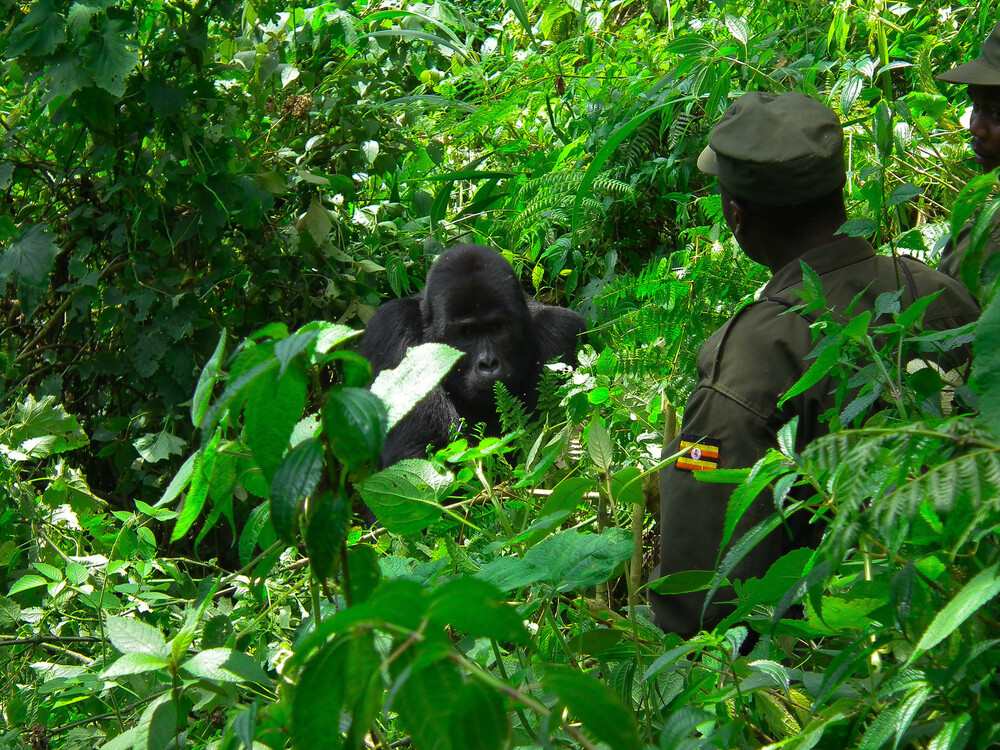
Visitors enter the park with trained rangers and trackers to locate habituated Gorilla Families in Rwanda and spend one hour observing them.
How Gorilla Families in Rwanda are Assigned to Visitors
Trekking Briefing
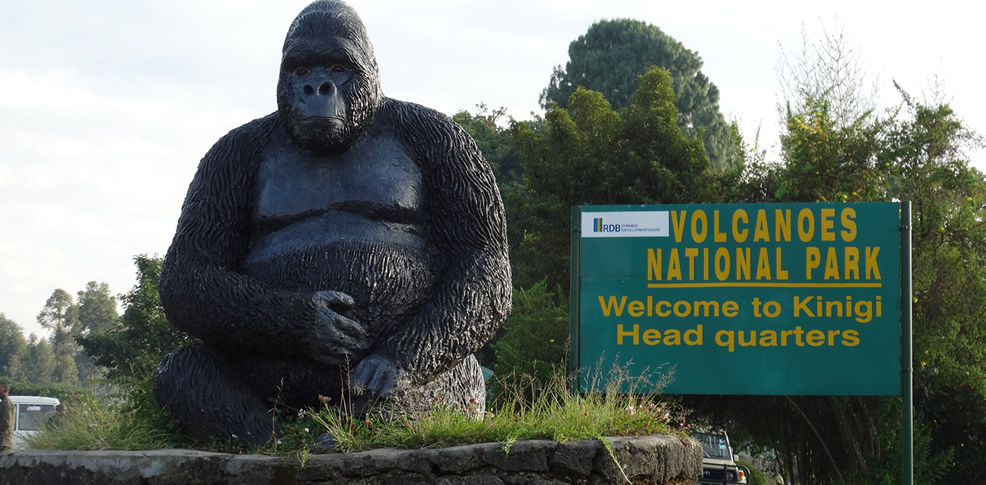
Every trekking day begins with a briefing at the Volcanoes National Park headquarters.
Visitors receive information about:
- Gorilla behavior
- Safety guidelines
- Trekking procedures
- Conservation regulations
Group Allocation Process
Park authorities assign visitors to specific gorilla families based on multiple factors.
Fitness Considerations
Some gorilla families require longer and more difficult hikes.
Visitors with limited mobility may be assigned to more accessible groups.
Visitor Preferences
Whenever possible, guides consider visitor interests, including:
- Photography opportunities
- Family size
- Trekking difficulty
Ranger Decisions
Final assignments are made by experienced park rangers who understand gorilla locations and visitor capabilities.
Complete List of Gorilla Families in Rwanda
Susa Gorilla Family
History
The Susa Gorilla Family is one of the most famous Gorilla Families in Rwanda and was extensively studied by renowned primatologist Dian Fossey.
Group Size
Historically one of the largest groups in Rwanda.
Famous Members
The family became famous for twins known as Byishimo and Impano.
Trekking Difficulty
Among the most challenging groups to reach due to its high-altitude habitat.
Interesting Facts
The Susa Family is often considered one of the most iconic mountain gorilla groups in Africa.
Amahoro Gorilla Family
History
The name Amahoro means “peace” in Kinyarwanda.
Group Characteristics
Known for its calm and peaceful nature.
Trekking Experience
Offers rewarding encounters but may require moderate hiking.
Personality of the Group
Visitors often describe this family as gentle and relaxed.
Agashya Gorilla Family
History
Originally known as Group 13 before being renamed after its dominant silverback Agashya.
Leadership Changes
Agashya successfully challenged the previous leader and transformed the group’s structure.
Trekking Difficulty
Generally considered moderate.
Behavior
The family is known for active movement and strong leadership dynamics.
Sabyinyo Gorilla Family
History
Named after Mount Sabyinyo.
Silverback Leadership
The group has historically been led by powerful silverbacks.
Accessibility
One of the easiest Gorilla Families in Rwanda to access.
Why Tourists Love It
Its accessibility and large silverback sightings make it highly popular.
Hirwa Gorilla Family
Formation History
Formed when members from other gorilla groups merged together.
Family Growth
The family has experienced significant growth through births.
Trekking Experience
Often offers rewarding sightings of young gorillas.
Kwitonda Gorilla Family
Origin
Originally migrated from the Democratic Republic of Congo.
Migration History
The group eventually settled permanently in Rwanda.
Group Dynamics
Known for strong family cohesion.
Visitor Experience
Offers excellent viewing opportunities and impressive silverback encounters.
Bwenge Gorilla Family
History
Founded by the silverback Bwenge.
Conservation Story
The family overcame numerous challenges and remains a conservation success story.
Family Structure
Includes multiple generations of gorillas.
Ugenda Gorilla Family
History
Known for its highly mobile behavior.
Habitat Range
Frequently moves through various sections of Volcanoes National Park.
Trekking Conditions
Trekking difficulty can vary significantly depending on the family’s location.
Muhoza Gorilla Family
History
One of the newer habituated Gorilla Families in Rwanda.
Group Composition
Contains a mix of adults, juveniles, and infants.
Trekking Experience
Generally offers moderate trekking conditions and rewarding wildlife encounters.
Karisimbi Gorilla Family
History
Named after Mount Karisimbi.
Habitat
Occupies higher-altitude sections of Volcanoes National Park.
Trekking Difficulty
Among the most challenging gorilla groups to visit due to its mountainous habitat and longer trekking distances.
Gorilla Family Behavior and Social Life
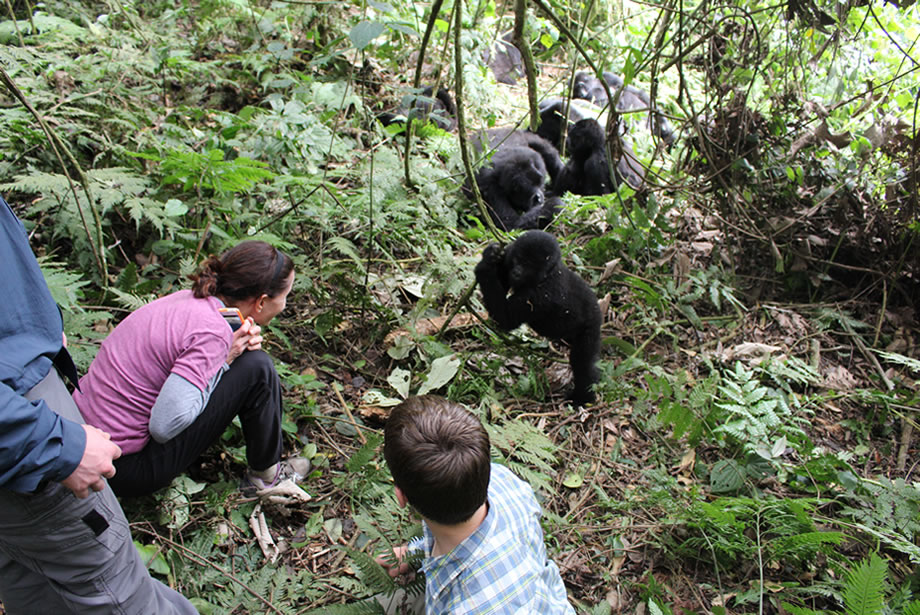
The Gorilla Families in Rwanda display complex social behaviors that closely resemble those found in human communities. Their social interactions, communication methods, leadership structures, parenting styles, and family relationships make them one of the most fascinating animal societies in the world.
Understanding gorilla behavior greatly enhances the Rwanda Gorilla Trekking experience because visitors gain a deeper appreciation of how these remarkable primates live, interact, and survive within Volcanoes National Park.
Communication
Communication is essential to the survival and stability of Gorilla Families in Rwanda.
Mountain gorillas communicate using:
- Vocalizations
- Body language
- Facial expressions
- Physical gestures
- Scent cues
Researchers have identified numerous gorilla sounds including grunts, barks, roars, screams, and contentment calls.
Soft grunts are often used during feeding, while louder calls may signal danger, excitement, or social interactions.
Silverbacks frequently use chest beating to communicate strength, authority, and confidence. Contrary to popular belief, chest beating is not always aggressive and is often a way of maintaining social order without physical confrontation.
Feeding Habits
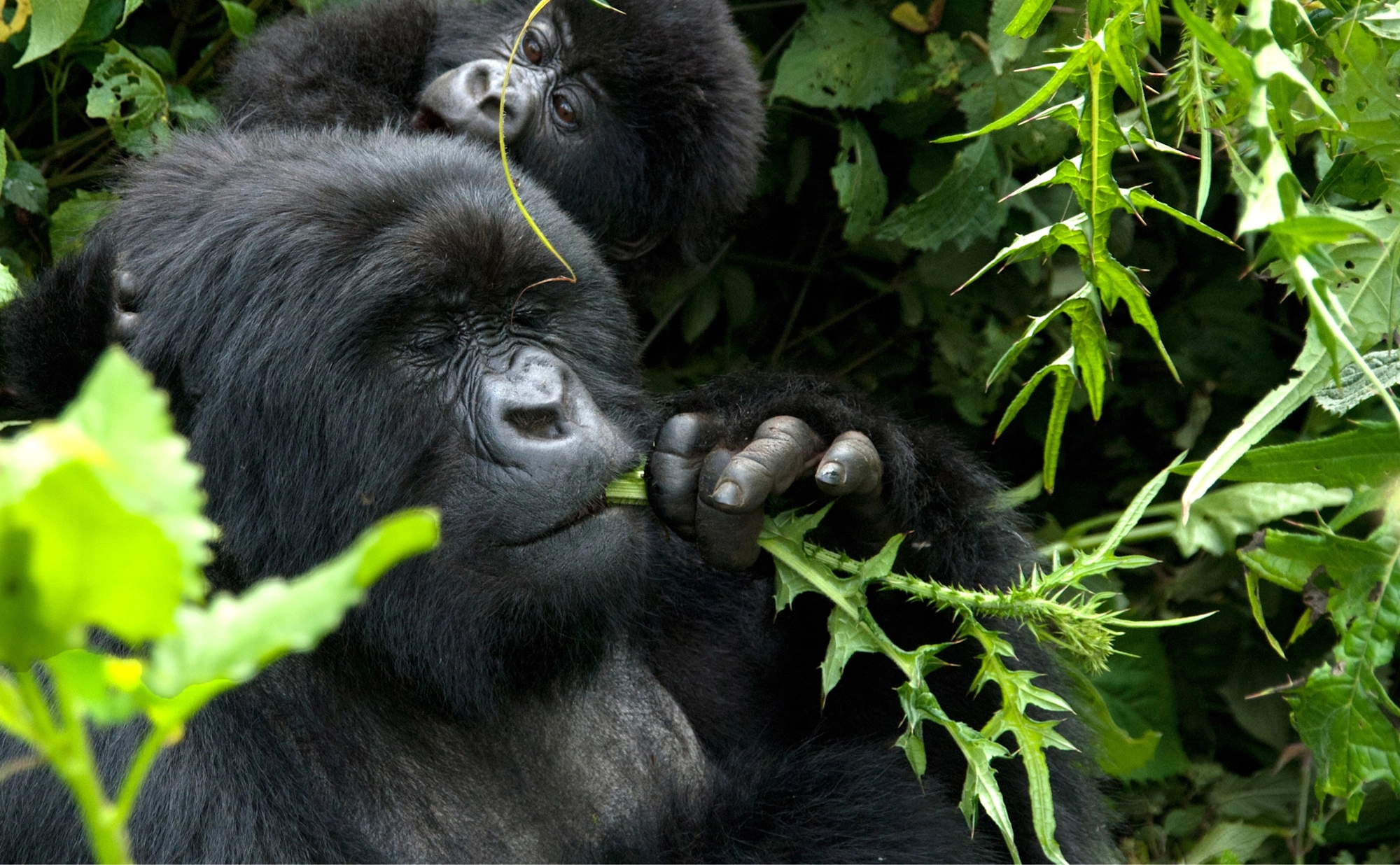
Mountain gorillas are primarily herbivorous and spend much of their day feeding.
Their diet includes:
- Bamboo shoots
- Leaves
- Stems
- Wild celery
- Roots
- Fruits
- Tree bark
Adult gorillas can consume large quantities of vegetation daily.
Feeding activities dominate much of their routine, with family groups moving through the forest in search of food sources.
The feeding behavior observed during Rwanda Gorilla Trekking often provides excellent opportunities for photography and wildlife observation.
Grooming
Grooming plays an important role in maintaining social bonds within Gorilla Families in Rwanda.
While gorillas groom less frequently than chimpanzees, grooming still serves several purposes:
- Strengthening relationships
- Removing parasites
- Reinforcing social bonds
- Reducing tension
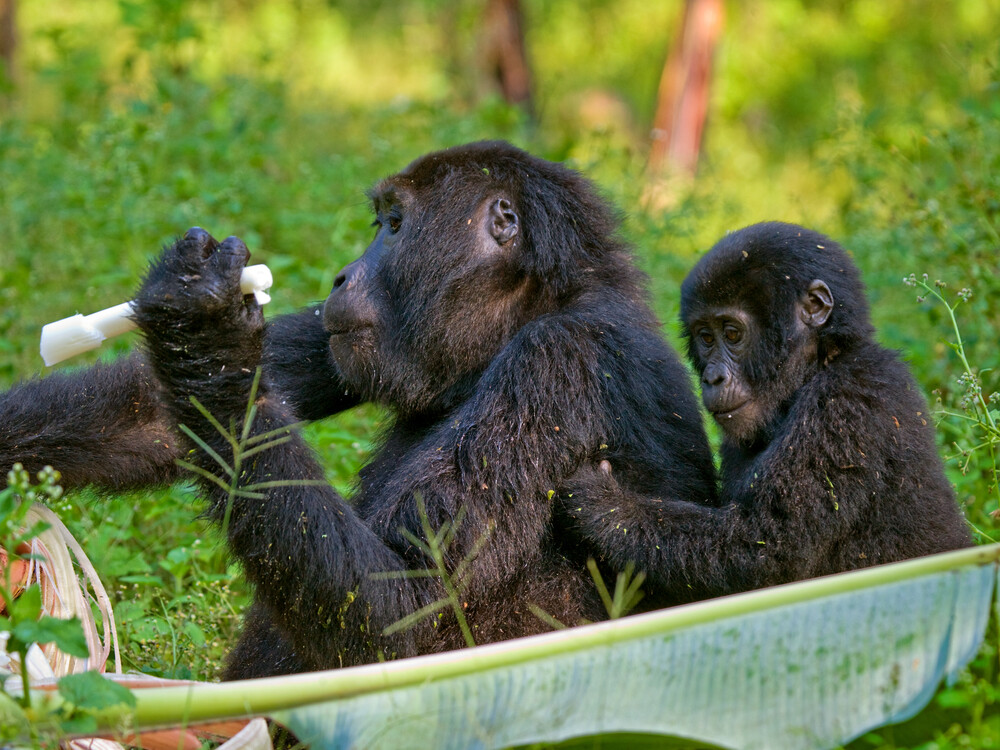
Mothers often groom infants, while adult gorillas occasionally groom one another during periods of rest.
Parenting
Mountain gorillas demonstrate remarkable parental care.
Mothers are responsible for:
- Nursing infants
- Protecting young gorillas
- Teaching survival skills
- Maintaining close contact during early development
Infants remain highly dependent on their mothers during the first years of life.
Silverbacks also play important protective roles. Although they are not directly involved in nursing, they protect the entire family and help ensure the safety of younger members.
Play Behavior
Young gorillas spend much of their time playing.
Common activities include:
- Wrestling
- Chasing one another
- Climbing vegetation
- Rolling on the ground
- Mock fighting
Play behavior helps juveniles develop:
- Physical strength
- Coordination
- Social skills
- Survival abilities
Visitors often find juvenile gorillas to be among the most entertaining members of Gorilla Families in Rwanda.
Territorial Behavior
Mountain gorillas generally avoid conflict whenever possible.
However, silverbacks actively defend their families and territories when necessary.
Territorial displays may include:
- Chest beating
- Vocalizations
- Charging displays
- Physical posturing
Actual physical confrontations between silverbacks are relatively rare because displays often resolve conflicts before they escalate.
Silverback Leadership
The silverback is the undisputed leader of a gorilla family.
His responsibilities include:
- Protecting family members
- Making movement decisions
- Resolving conflicts
- Defending the group
- Leading feeding activities
Strong silverback leadership is essential for maintaining family stability and cohesion.
The presence of a dominant silverback is one of the defining characteristics of Gorilla Families in Rwanda.
Best Time to Visit Gorilla Families in Rwanda
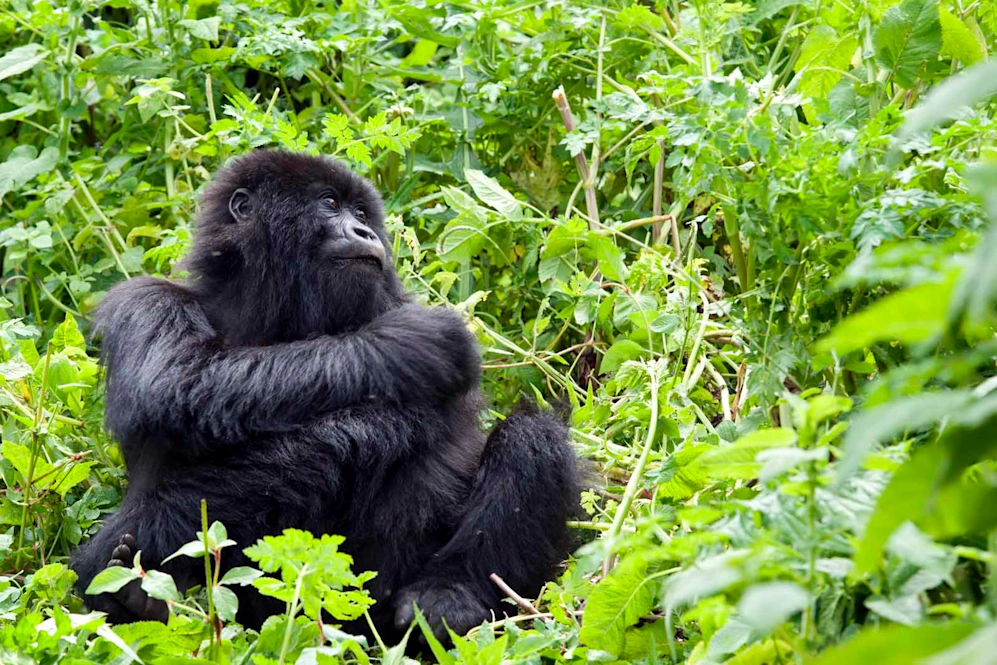
Gorilla trekking takes place throughout the year, but weather conditions influence the overall experience.
Dry Seasons
The dry seasons generally provide the most comfortable trekking conditions.
June to September
This period is widely regarded as one of the best times for visiting Gorilla Families in Rwanda.
Advantages include:
- Reduced rainfall
- Easier hiking conditions
- Better photography opportunities
- Improved trail accessibility
- Comfortable temperatures
This is also the busiest trekking season, so permits should be booked well in advance.
December to February
This shorter dry season offers another excellent opportunity for Rwanda Gorilla Trekking.
Benefits include:
- Pleasant weather
- Good visibility
- Relatively dry trails
- Excellent wildlife viewing conditions
Many visitors prefer this period due to favorable trekking conditions and holiday travel schedules.
Green Seasons
The rainy seasons offer a different but equally rewarding experience.
March to May
This is the long rainy season.
Advantages include:
- Lush green landscapes
- Fewer visitors
- Better lodge availability
- Excellent photography conditions
Trails may be muddy and trekking can be more challenging.
October to November
This shorter rainy season offers:
- Reduced tourist numbers
- Green scenery
- Lower accommodation rates
- Excellent wildlife experiences
Many experienced travelers enjoy visiting Gorilla Families in Rwanda during these quieter months.
Gorilla Trekking Rules When Visiting Gorilla Families in Rwanda
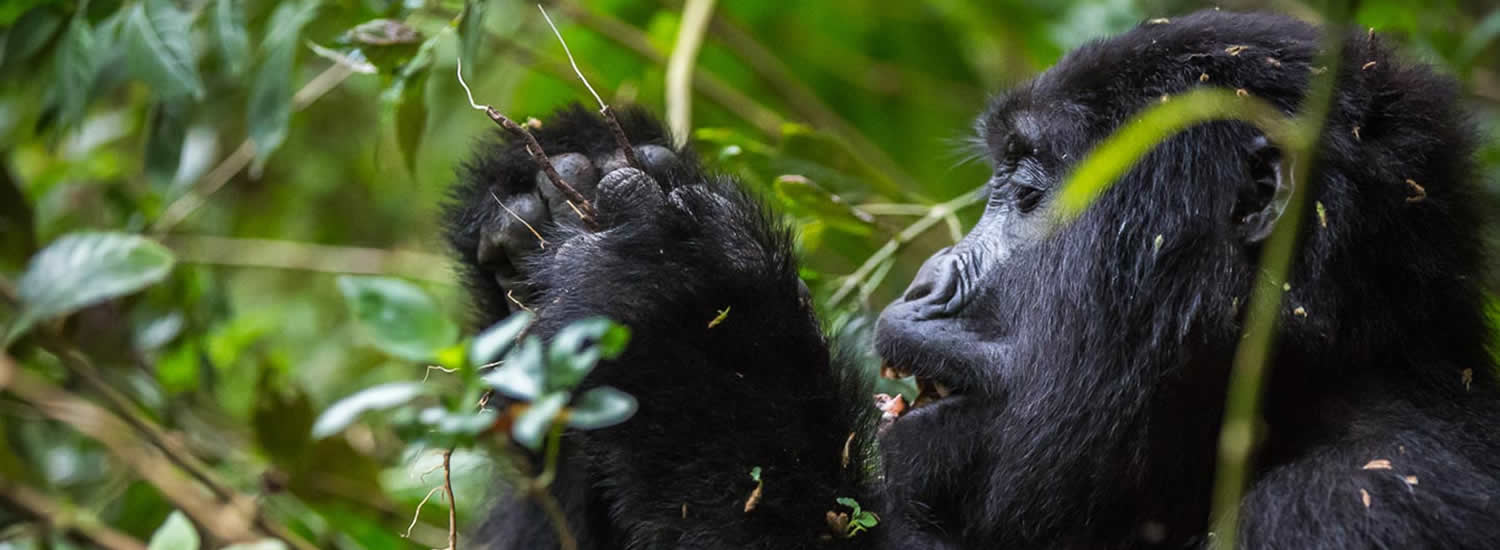
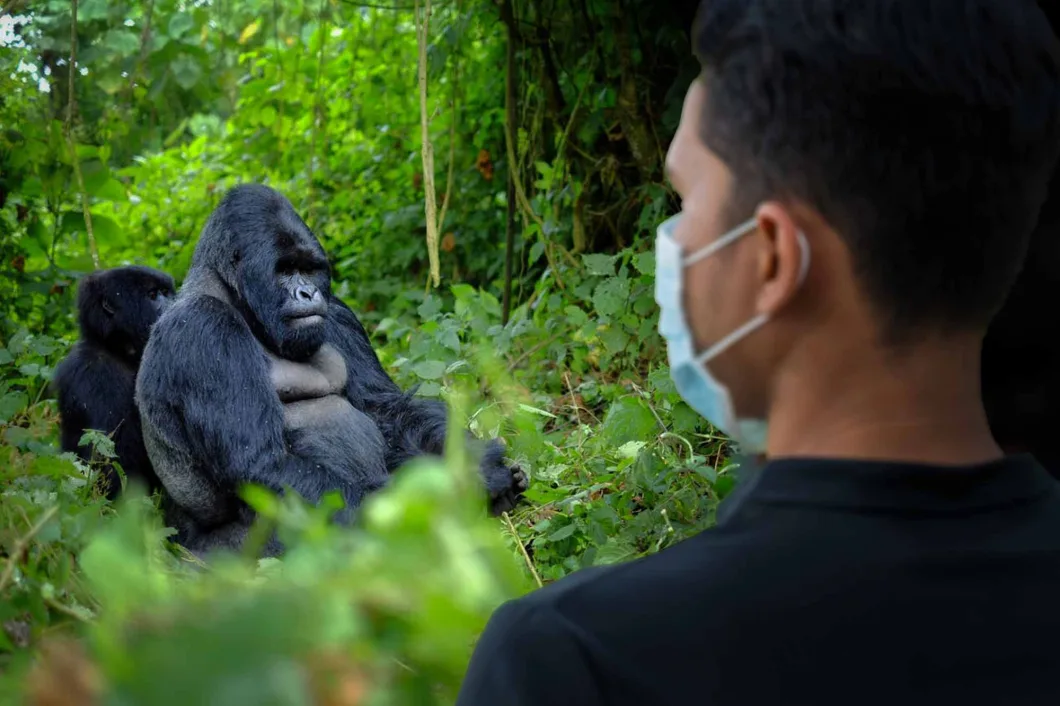
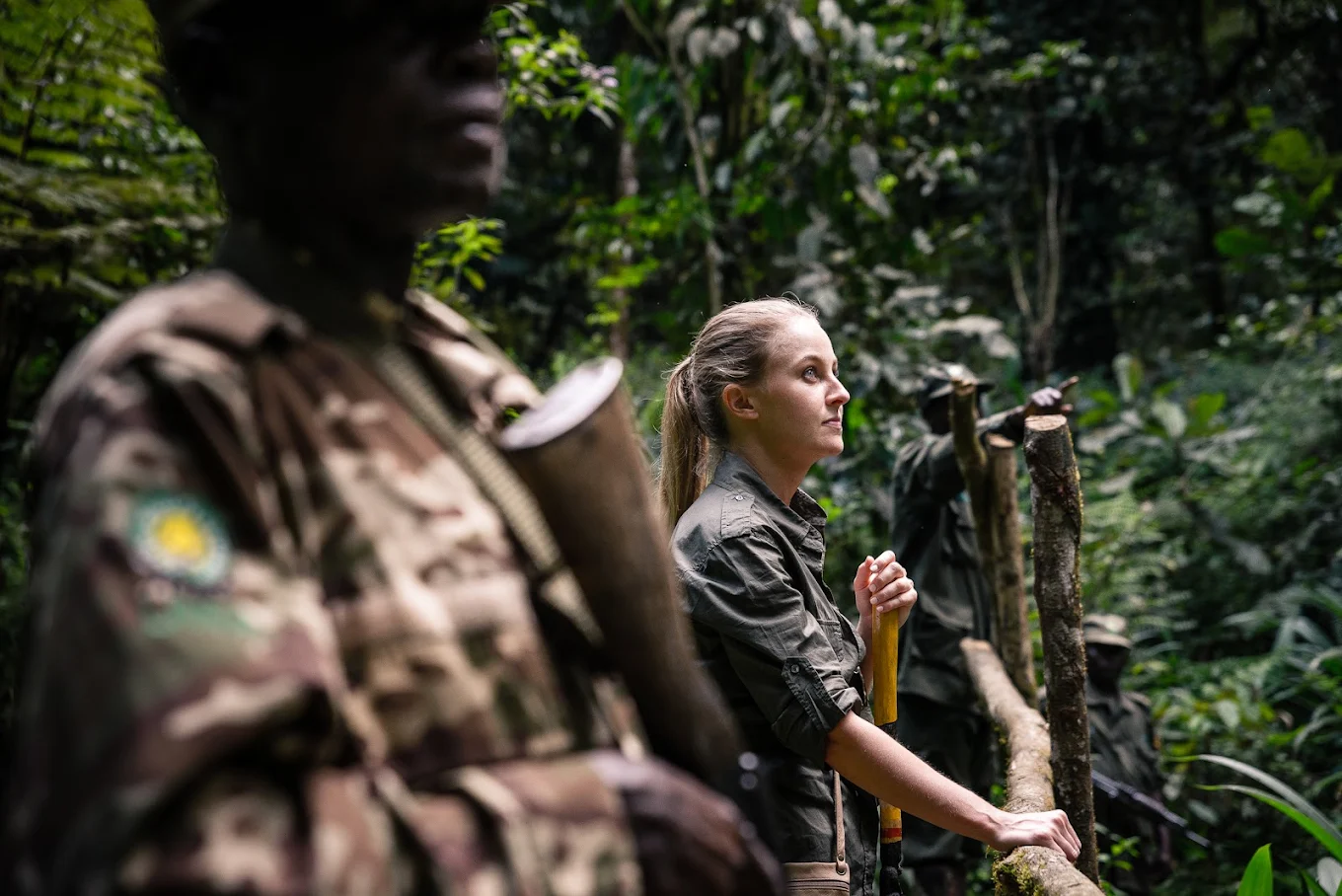
Strict regulations help protect both visitors and mountain gorillas.
Following these rules ensures the long-term success of gorilla conservation efforts.
Maintaining Distance
Visitors are required to maintain a minimum distance of approximately seven meters from the gorillas whenever possible.
This helps reduce:
- Disease transmission
- Stress on the animals
- Disturbance to natural behavior
In some cases, curious gorillas may approach visitors, but guests should remain calm and follow ranger instructions.
Photography Rules
Photography is allowed during Rwanda Gorilla Trekking.
However:
- Flash photography is prohibited
- Loud camera noises should be minimized
- Visitors should avoid sudden movements
Responsible photography ensures a positive experience for both gorillas and guests.
Health Precautions
Because mountain gorillas are highly susceptible to human illnesses, visitors showing signs of contagious diseases may not be permitted to trek.
Important precautions include:
- Washing hands before trekking
- Covering coughs and sneezes
- Following ranger instructions
- Maintaining appropriate distance
These measures help protect the Gorilla Families in Rwanda.
Group Size Restrictions
A maximum of eight visitors may visit a habituated gorilla family each day.
This limit helps:
- Minimize stress on gorillas
- Reduce environmental impact
- Improve visitor experiences
- Support sustainable tourism
Respecting Gorilla Behavior
Visitors should always respect natural gorilla behavior.
Important guidelines include:
- Remaining quiet
- Avoiding direct eye contact with silverbacks
- Not touching gorillas
- Following ranger instructions
- Staying with the group
Respectful behavior helps ensure safe and rewarding encounters.
Frequently Asked Questions About Gorilla Families in Rwanda
How many Gorilla Families in Rwanda are open for trekking?
Several habituated Gorilla Families in Rwanda are available for tourism within Volcanoes National Park, each offering unique trekking experiences.
Which gorilla family is easiest to visit?
The Sabyinyo Gorilla Family is often considered one of the easiest groups to access due to its location.
Which gorilla family is the largest?
The Susa Gorilla Family has historically been one of the largest Gorilla Families in Rwanda.
Can I choose my gorilla family?
Visitors may express preferences, but final assignments are made by park authorities.
What is the most famous gorilla family?
The Susa Gorilla Family is widely regarded as the most famous because of its connection to Dian Fossey.
How close can I get to the gorillas?
Visitors should maintain a minimum distance of approximately seven meters.
Which family is best for photography?
Many photographers favor Susa, Sabyinyo, and Kwitonda Gorilla Families due to their composition and behavior.
Are gorilla families safe to visit?
Yes. Habituated Gorilla Families in Rwanda are carefully monitored and visited under ranger supervision.
How much is a gorilla permit?
The current Rwanda gorilla trekking permit costs USD 1,500 per person.
What happens if a gorilla charges?
Visitors should remain calm and follow ranger instructions. Most charges are bluff displays rather than actual attacks.
Can children trek gorillas?
No. The minimum age for gorilla trekking is 15 years.
How long do I spend with the gorillas?
Visitors are allowed one hour with a habituated gorilla family.
Can I trek more than once?
Yes. Additional permits can be purchased for multiple treks.
Which gorilla family has the most infants?
This varies over time depending on births and family composition.
Do gorilla families move frequently?
Yes. Gorilla families move daily while feeding and exploring their habitat.
Are there twins among Rwanda’s gorillas?
Yes. Some gorilla families have produced twins, which are relatively rare and highly celebrated.
Which family is best for first-time trekkers?
The Sabyinyo Gorilla Family is often recommended for first-time visitors.
Can seniors visit Gorilla Families in Rwanda?
Yes. Porter assistance and sedan chair services are available.
How difficult is gorilla trekking?
Difficulty varies depending on the assigned gorilla family and terrain.
Do gorillas recognize individual rangers?
Long-term monitoring suggests gorillas become familiar with regular trackers and researchers.
Can I visit more than one gorilla family?
Yes. Visitors can purchase multiple permits and participate in multiple treks.
What is a silverback?
A silverback is an adult male gorilla that leads and protects the family group.
How many gorillas are usually in a family?
Group sizes vary from small families to large groups with dozens of members.
Do gorillas fight each other?
Occasionally, particularly during leadership challenges, although serious conflicts are uncommon.
What do gorillas eat?
Their diet mainly consists of leaves, stems, shoots, roots, and other vegetation.
Why are Gorilla Families in Rwanda important?
They are essential for conservation, tourism, research, and mountain gorilla protection.
How are gorilla families monitored?
Rangers, trackers, veterinarians, and researchers monitor them daily.
Can gorillas transmit diseases to humans?
The risk is very low but strict health protocols are maintained because gorillas and humans share similar susceptibility to illnesses.
What makes Volcanoes National Park special?
It protects mountain gorillas and forms one of the world’s most important conservation landscapes.
Why book with Jovana Gorilla Safaris?
Jovana Gorilla Safaris provides expert permit management, customized itineraries, professional guides, and unforgettable Rwanda Gorilla Trekking experiences.
Book Your Gorilla Family Trekking Adventure with Jovana Gorilla Safaris
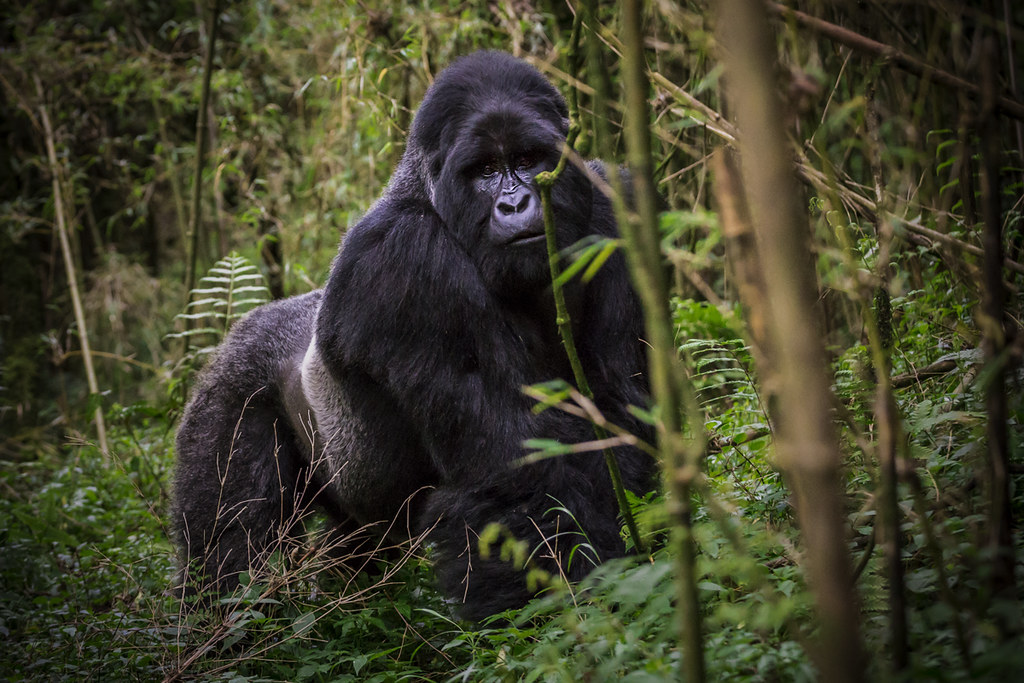
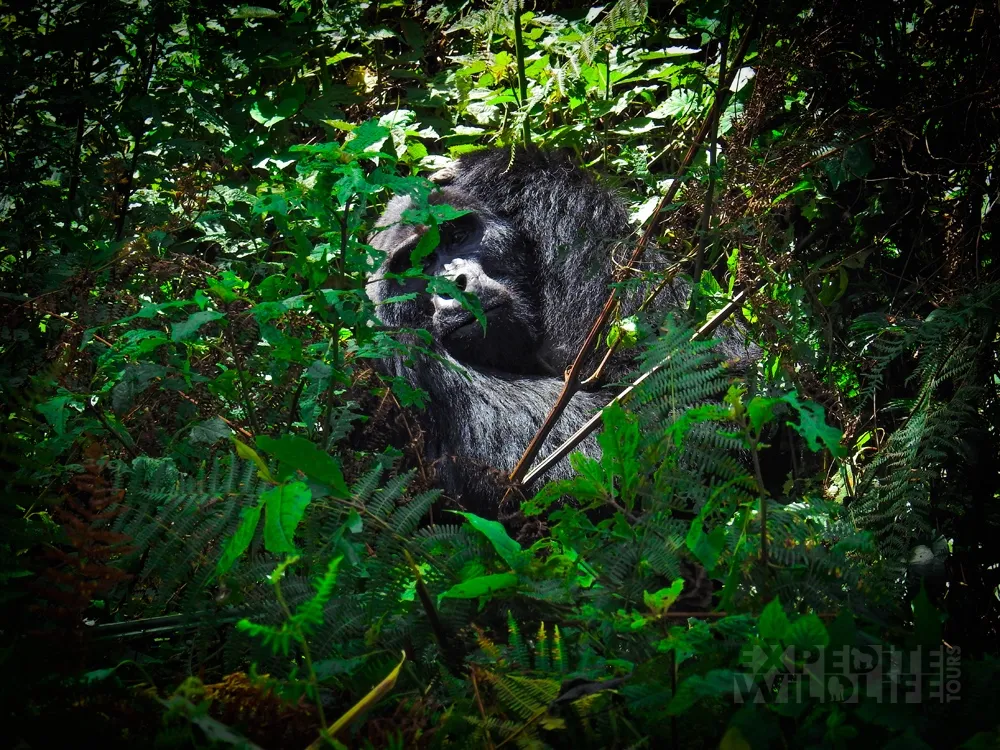
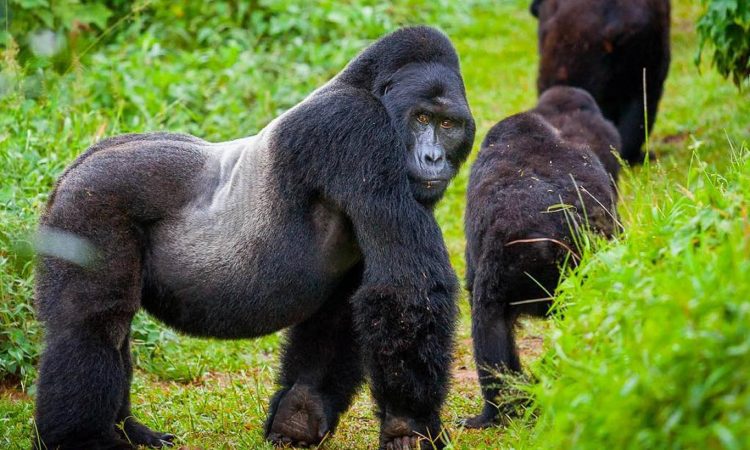
Discover the incredible Gorilla Families in Rwanda with Jovana Gorilla Safaris and experience one of the most remarkable wildlife encounters on Earth.
Whether you dream of visiting the famous Susa Gorilla Family, photographing the peaceful Amahoro Group, exploring the history of the Kwitonda Family, or trekking to the adventurous Karisimbi Group, our expert team will help you plan the perfect Rwanda Gorilla Trekking adventure.
Volcanoes National Park remains one of Africa’s most extraordinary wildlife destinations, offering visitors the opportunity to encounter endangered Mountain Gorillas in their natural habitat while contributing directly to conservation and community development.
At Jovana Gorilla Safaris, we specialize in personalized Gorilla Safaris designed around your interests, fitness level, travel style, and budget. From securing permits and selecting the best lodges to arranging transportation and expert guides, we manage every aspect of your journey.
Our Gorilla Families in Rwanda experiences can be combined with luxury safaris, cultural tours, golden monkey tracking, chimpanzee trekking, Akagera wildlife safaris, and other East African adventures.
Book your Gorilla Families in Rwanda safari today and discover why Rwanda Gorilla Trekking continues to be one of Africa’s most rewarding wildlife experiences. Let Jovana Gorilla Safaris help you create unforgettable memories with the magnificent Mountain Gorillas of Volcanoes National Park.