
Gorilla Diet Through the Seasons (Complete Guide – Uganda & Rwanda)
Mountain gorillas are iconic for their immense strength, muscular bodies, and calm, peaceful nature. But behind their physical power lies a diet that is surprisingly gentle, deeply seasonal and intricately connected to the forests of Bwindi Impenetrable National Park, Mgahinga Gorilla National Park, and Volcanoes National Park in Rwanda.
The diet of mountain gorillas changes throughout the year depending on the season, rainfall, plant cycles, altitude and habitat type. These dietary shifts shape everything about gorilla life, their daily movements, family structure, nest locations, migration routes and even the timing of social interactions.
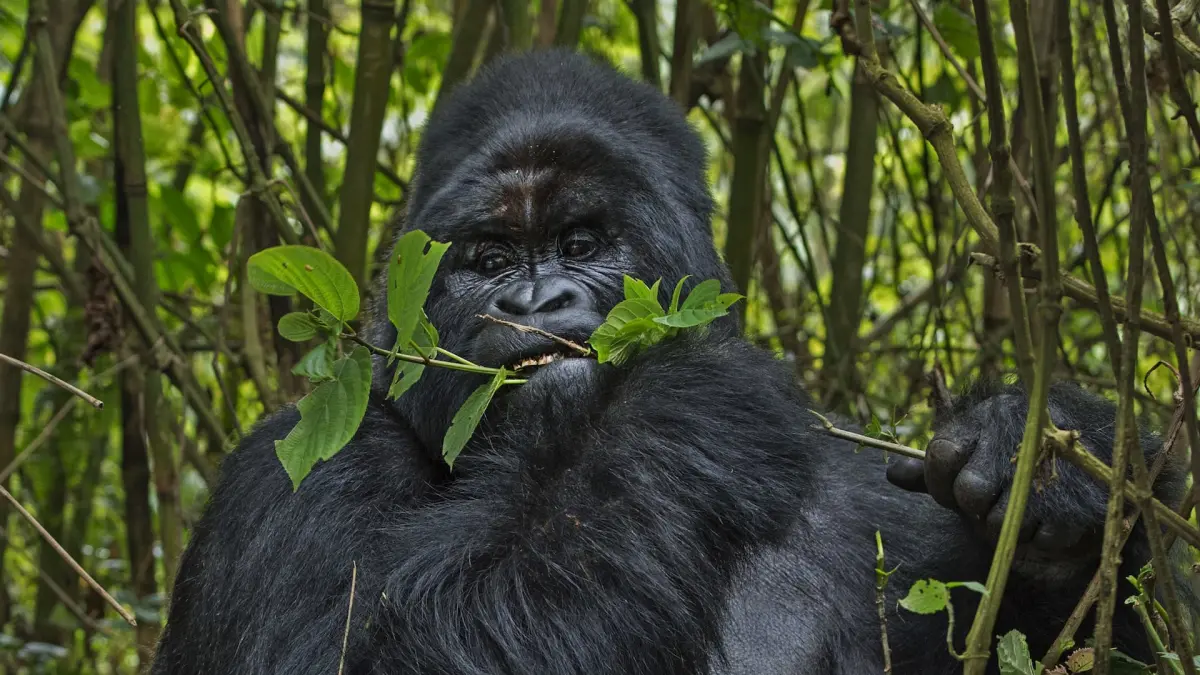
Understanding how gorillas eat through different seasons reveals far more than a menu. It unveils the deep relationship between gorillas and the forest, a relationship as old as the mountains themselves.
This guide explores what gorillas eat, how diet changes each season, how ecology and altitude shape food availability, and what this tells us about gorilla health, behavior and conservation.
Why Gorilla Diet Changes Throughout the Year
Mountain gorillas live in high-altitude tropical forests where plant cycles are influenced by:
- rainfall patterns
- sunshine intensity
- altitude differences
- seasonal plant reproduction
- fruiting cycles
- bamboo growth rhythms
- nutrient availability
Unlike lowland gorillas, mountain gorillas inhabit cooler climates with fewer fruiting trees. This forces them to adapt their diet constantly.
In some months, fresh young leaves are abundant. In others, bamboo shoots become temporarily available. During dry periods, woody stems and fibrous plants dominate their diet.
Because mountain gorillas cannot store fat efficiently and cannot hibernate, continual access to food is essential. Their seasonal diet ensures they maintain enough energy to sustain their enormous bodies, sometimes eating more than 18–34 kilograms of vegetation per day, depending on age and sex.
The Core Gorilla Diet – What They Eat Year-Round
Even before seasonal changes are considered, gorillas depend on a general diet consisting mainly of foliage. Their diet is overwhelmingly vegetarian, rich in fiber, water and plant nutrients.
Gorillas eat leaves, stems, roots, vines, pith, bark, fruits, herbs, bamboo, wild celery and occasionally insects. The exact diet composition depends on habitat.
Bwindi gorillas eat far more fruit than gorillas in Rwanda due to higher plant diversity and forest type differences.
Volcanoes National Park gorillas rely more on bamboo, thistles and herbaceous vegetation found at higher altitudes.
Although seasonal foods change, the foundation of their diet remains consistently plant-based.
Diet in the Rainy Season – Abundance, Tender Leaves & High Mobility
The rainy season brings life to the mountain forests of Uganda and Rwanda. Fresh leaves sprout, plants regenerate and herbaceous vegetation becomes more abundant.
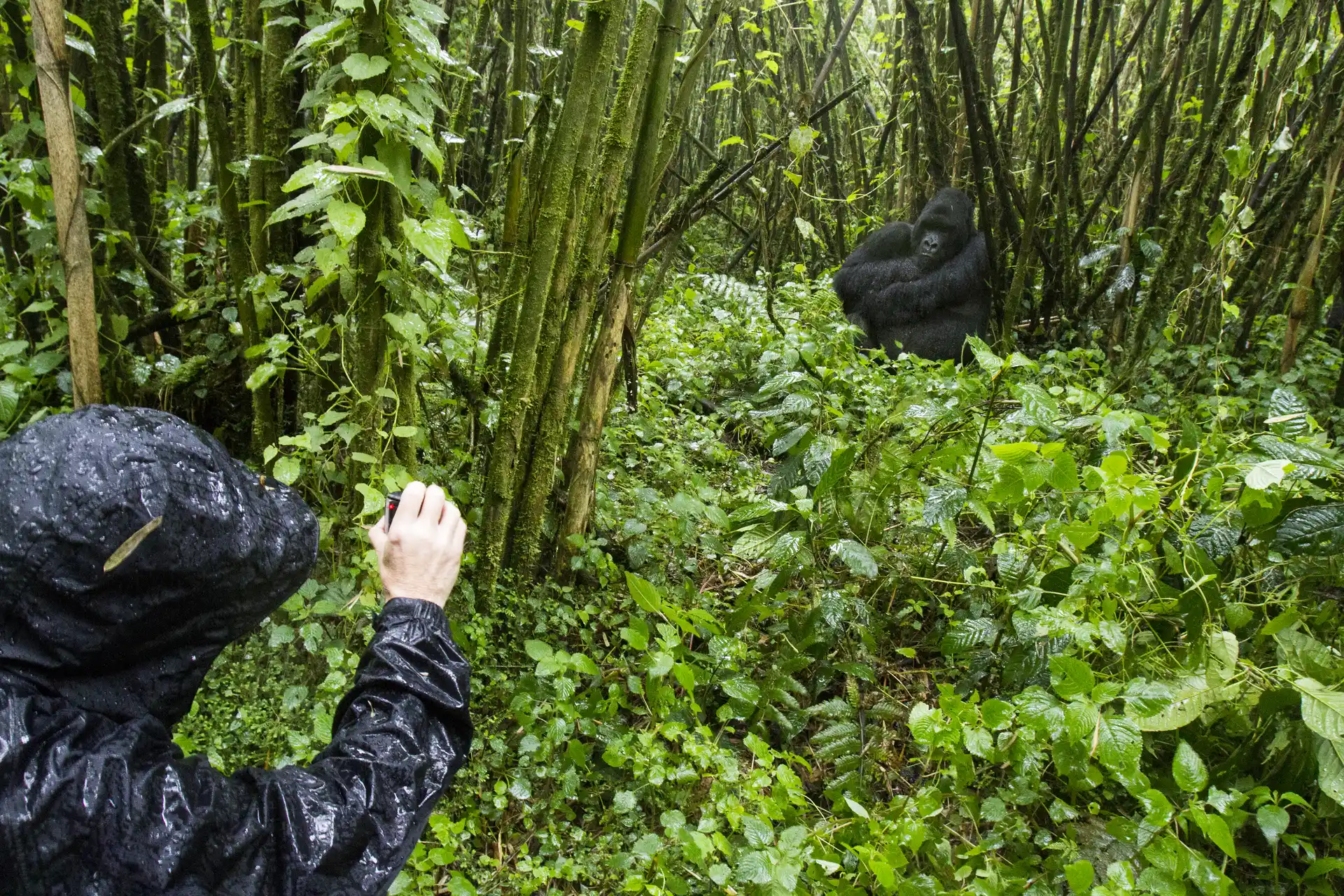
During the rains, gorillas shift their diet toward:
- young, tender leaves
- fresh pith
- rapidly growing herbaceous plants
- nutrient-rich shoots
- fruits in Bwindi’s mixed forests
Rain rejuvenates the forest, and gorillas respond by becoming more active and mobile. Food becomes easier to find at all altitudes, reducing the need for long migrations.
Gorilla families often tour new feeding zones, taking advantage of fresh vegetation. Mothers nurse more frequently because fresh foods improve milk quality. Juveniles play more, fueled by nutrient-rich herbs. Silverbacks maintain better weight and muscle mass due to plentiful resources.
The rainy season is therefore a period of growth, exploration and social vibrancy.
Diet in the Dry Season – Fiber, Bark, Stems & Deep Forest Movement
When the dry season approaches, rainfall decreases, leaf growth slows, and some plants become fibrous and tough. The forest canopy dries slightly, revealing more stems than leaves.

During this season, gorillas shift their diet toward:
- woody stems
- bark strips
- dried leaves
- roots
- vines
- antioxidant-rich herbs
- leftover plant material
- occasional fruits (if small patches survive drought)
Dry seasons require more energy to find food. Families move deeper into thick forest zones or higher-altitude areas where vegetation remains green.
The dry season is also when:
- infants nurse more frequently
- silverbacks lose slight weight from decreased calories
- gorillas rely heavily on high-fiber species
Their ability to digest tough vegetation through unique gut microbes allows them to thrive even when food is less abundant.
Seasonal Diet Differences Between Bwindi Impenetrable NP & Volcanoes NP
Bwindi gorillas live in a large, diverse forest containing fruit-bearing trees and different plant species.
Rwanda’s gorillas inhabit an alpine and bamboo-dominated ecosystem with predictable seasonal cycles.
Bwindi Seasonal Diet Patterns
Bwindi gorillas experience more fruiting seasons, especially during the rainy period. Their diet may include:
- wild fruits
- figs
- guavas
- berries
- drupes
- seasonally abundant leaves
During dry periods, they rely more on stems, bark, and vines.
Volcanoes National Park Seasonal Diet Patterns
Rwanda gorillas experience:
- bamboo shoot season
- thistle season
- limited fruit availability
- heavy dependence on herbs
Their diet is more predictable, and seasonal changes are dramatic, especially during bamboo shoot peaks.
The two populations show different dietary flexibility, but both adapt precisely to seasonal changes.
Bamboo Shoot Season – A Rare and Highly Anticipated Feast
One of the most famous seasonal foods in Rwanda’s Volcanoes National Park is bamboo shoots, which emerge for only a limited time each year, usually during the rainy season between March and May and sometimes again in October.
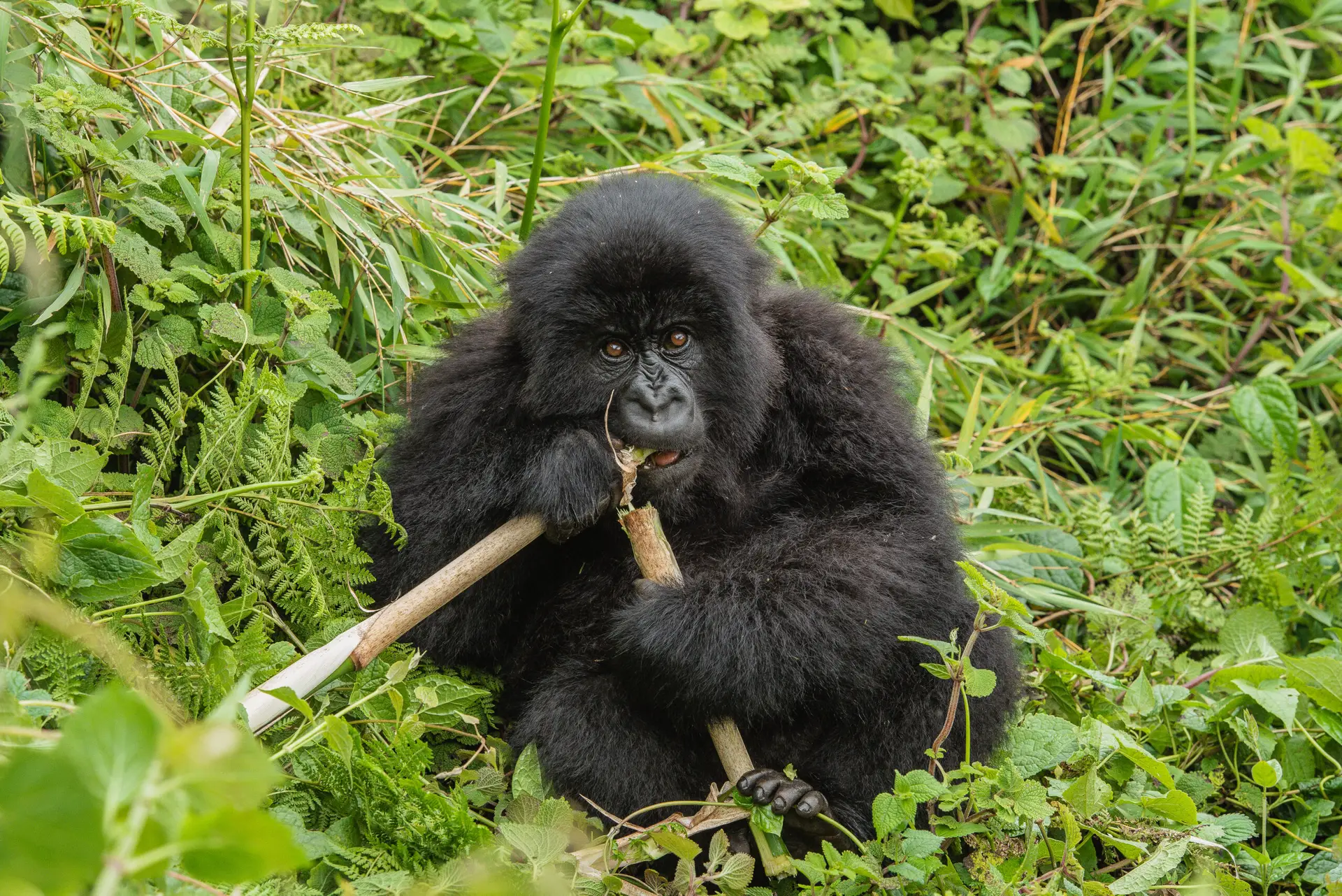
Bamboo shoots are high in:
- sugars
- water
- protein
- energy
- minerals
Gorillas adore bamboo shoots. Families travel long distances to find them, sometimes descending to lower slopes where bamboo forests are densest. During bamboo shoot season, the entire feeding behaviour of Rwanda’s gorillas changes. They spend more time in bamboo corridors, reduce their daily travel distance and show excitement while breaking ground shoots.
However, bamboo shoots also contain mild natural toxins when eaten in excess. Gorillas instinctively balance their diets by pairing shoots with neutralizing herbs.
In Uganda, bamboo shoot feeding is much rarer due to ecology, but Mgahinga’s gorillas occasionally enjoy similar behaviour.
Fruiting Season – The Sweet Period of Bwindi
Bwindi’s altitude range and forest type allow for more fruit availability than in Rwanda. Fruit seasons vary throughout the year, depending on local species.
When figs, berries, and other wild fruits ripen:
- gorillas travel further to find fruiting trees
- juveniles show excitement
- mothers allow infants to sample fruit pulp
- silverbacks increase feeding frequency for energy
Fruiting seasons encourage longer migrations, more play, more social gatherings, and shorter nest intervals. Fruit provides sugars that boost energy levels, making fruiting periods some of the most active and dynamic times for Bwindi gorillas.
These seasonal feeding shifts also influence trekking routes and ranger observations.
Herbaceous Vegetation Peaks – Abundance After Rain
Herbaceous vegetation, including wild celery, nettle species, thistles and succulent plants, thrives during rainy months. These plants are essential to gorilla diet, especially among silverbacks.
Herbs offer:
- water
- minerals
- iron
- protein
- easily digestible fiber
When herbaceous vegetation peaks, gorillas spend long periods in open glades, valleys and areas with new plant growth. Families often feed in clusters, sharing abundant food sources without competition.
Rain stimulates rapid sprouting, making herbs a central part of seasonal feeding. This plant category is the primary reason gorillas maintain muscular bodies despite not consuming meat.
Dry Season Adaptations – Tough Food for Tough Times
Dry seasons force gorillas to rely on tougher foods. Their strong jaws and powerful chewing muscles allow them to break stems, chew bark, and digest woody plant materials.
During dry months, they eat:
- bark from selected trees
- fibrous leaf sheaths
- pith from woody stems
- mature leaves
- dried herbs
- root-like structures
These foods are low in calories but rich in fiber. Their digestive system, powered by microbial fermentation, efficiently breaks down cellulose and extracts nutrients.
Gorillas may also increase their travel ranges to find green zones, including stream areas, wetland patches and shaded forest pockets that retain moisture longer.
Dry seasons demand endurance and adaptability, and gorillas meet these challenges with resilience.
How Seasonal Diet Influences Gorilla Movement
Diet and movement are deeply linked.
When food is abundant:
- movement is slow
- feeding zones are local
- family cohesion is high
When food is scarce:
- groups travel longer distances
- migrations shift in altitude
- nesting areas vary daily
Seasonal dietary changes largely explain why gorilla families may be easy to track one month and harder to locate the next. Rangers studying dung samples and nest sites often rely on diet clues to predict movement patterns.
How Seasonal Diet Affects Gorilla Behavior & Social Life
Diet affects gorilla personalities throughout the year.
In rainy seasons, the abundance of nutrients correlates with increased playful behaviour, particularly among juveniles. Mothers have more energy for nursing and grooming. Silverbacks appear more relaxed, often vocalizing with deep, satisfied rumbles.
During dry seasons, behaviour becomes slightly more conservative. Social play decreases but social bonding increases as families remain closer. Silverbacks display more vigilant behaviour due to increased travel and caloric demand.
Seasonal food availability shapes the emotional and social rhythm of gorilla life.
Maternal Diet and Infant Nutrition Through Seasons
Mother gorillas depend heavily on diet changes for milk production. Nutrient-rich leaves, herbs and fruits boost both quality and quantity of milk. Rainy seasons are particularly important for nursing mothers because the abundance of fresh vegetation enhances infant growth and development.
During dry seasons, infants rely more on nursing as mothers supplement their diet with woody and fibrous vegetation. This seasonal balance ensures consistent nutrition for growing infants, even when the forest becomes less generous.
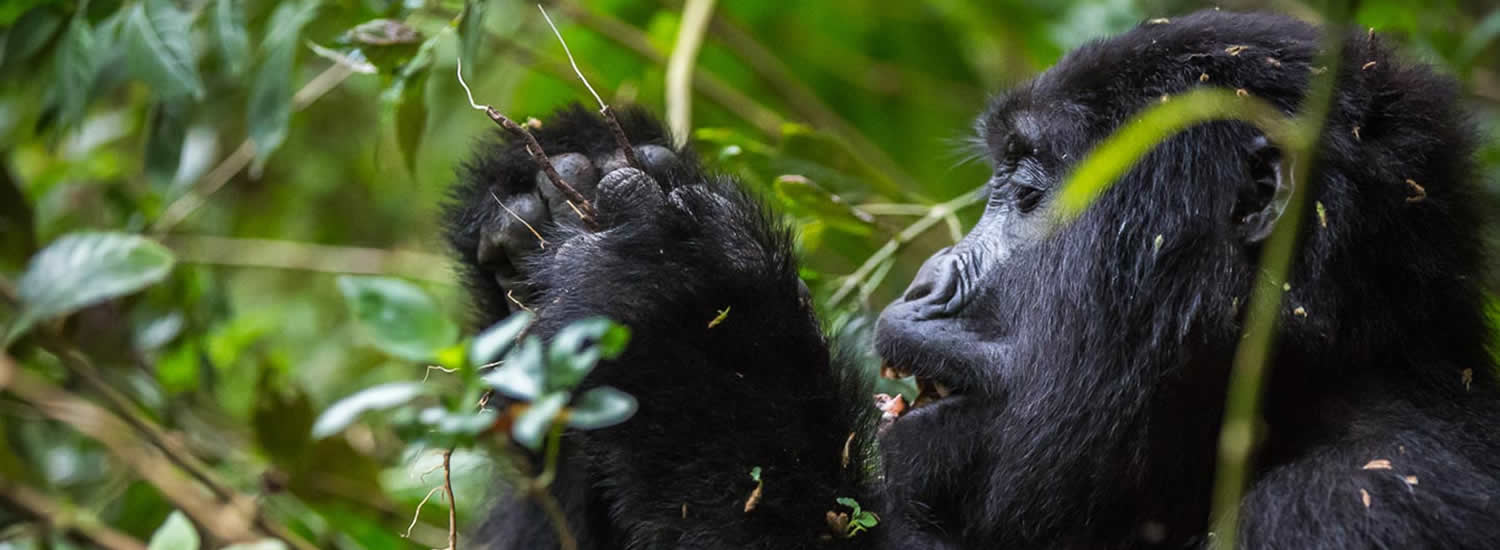
Silverback Diet – Strength Through Seasonal Adaptability
Silverbacks require enormous amounts of food to support their size, protect the family and lead migrations. Their diet changes seasonally, shifting from herbs and tender plants during rains to bark, stems and internal plant pith during dry periods.
The silverback’s diet is also a reflection of his leadership. He chooses feeding areas that meet the nutritional needs of the entire family. When seasonal foods shift, he guides the group accordingly demonstrating knowledge, memory and instinct.
Nesting Site Choices Based on Seasonal Diet
Feeding zones influence nightly nest locations. When food is abundant, gorillas build nests close to rich vegetation zones. During scarcity, nest locations shift to areas surrounded by multiple plant species or water patches.
In Rwanda, bamboo forest feeding often results in clusters of nests in bamboo stands. In Bwindi Impenetrable National Park, fruiting seasons may push families to build nests in rich mid-altitude zones where fruiting trees are common.
Seasonal feeding patterns guide every aspect of gorilla movement and nesting.
The Ecological Importance of Gorilla Seasonal Feeding
Gorilla diets shape forest health. As they break branches or open pathways while feeding, they create light gaps that stimulate plant regeneration. They spread seeds through their dung. They prune excess vegetation and influence plant competition.
Seasonal feeding behaviours therefore maintain ecological balance in mountain ecosystems. Gorillas are gardeners of the forest, their diets support entire ecosystems.
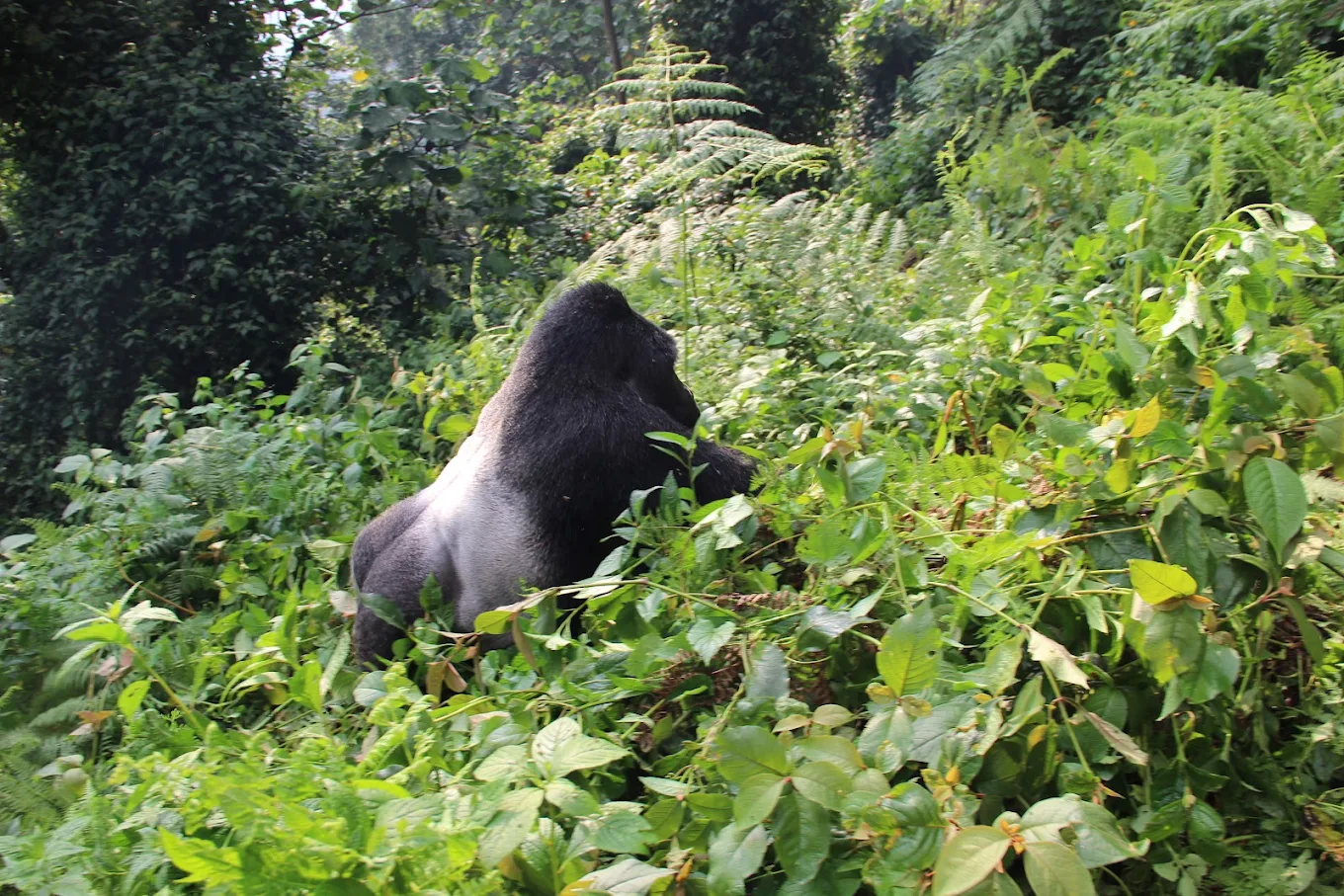
Seasonal Diet and Gorilla Conservation
Understanding seasonal diet is essential for conservation. It helps rangers identify high-risk areas during food scarcity, protects important feeding zones, and ensures trekking routes do not disrupt critical food patches.
Seasonal diet studies guide reforestation, anti-poaching patrols and community awareness programs. Food availability also influences gorilla stress levels and reproductive success.
A well-fed gorilla population is a healthy, stable and growing one.
Frequently Asked Questions About Gorilla Diet Through the Seasons
Do gorillas eat meat?
Mountain gorillas do not eat meat. Their diet is entirely plant-based with occasional insects consumed accidentally.
Why don’t gorillas eat more fruit?
High-altitude habitats have fewer fruiting trees compared to lowland rainforests.
How much does a gorilla eat per day?
Adults may consume 18–34 kilograms of vegetation daily depending on season and availability.
Do gorillas drink water?
Rarely. They obtain most water from vegetation.
Do bamboo shoots make gorillas intoxicated?
Certain compounds can stimulate excitement, but gorillas balance their intake naturally.
Final Thoughts – The Seasonal Rhythm of Gorilla Eating
Gorilla diet through the seasons is more than a list of foods. It is a map of life: migration routes, nesting sites, family dynamics, climate adaptation and ecological balance. Each season brings new challenges and new opportunities. Gorillas respond with intelligence, resilience and a deep connection to their environment.
When trekkers witness gorillas eating fresh bamboo shoots in Rwanda or feasting on ripe figs in Bwindi Impenetrable National Park, they are observing ancient survival strategies shaped by millions of years of adaptation.
Understanding what gorillas eat and how that diet transforms throughout the year reveals the intimate story of their relationship with the mountains. It is a story of strength, instinct, intelligence and the living pulse of the forest.