
Rare Gorilla Behaviours Only Seen in Bwindi Impenetrable National Park
Bwindi Impenetrable National Park in southwestern Uganda is one of the most extraordinary ecological sanctuaries on Earth. Home to nearly half of the world’s remaining mountain gorillas, this UNESCO World Heritage Site is not only biologically diverse, it is behaviourally unique.
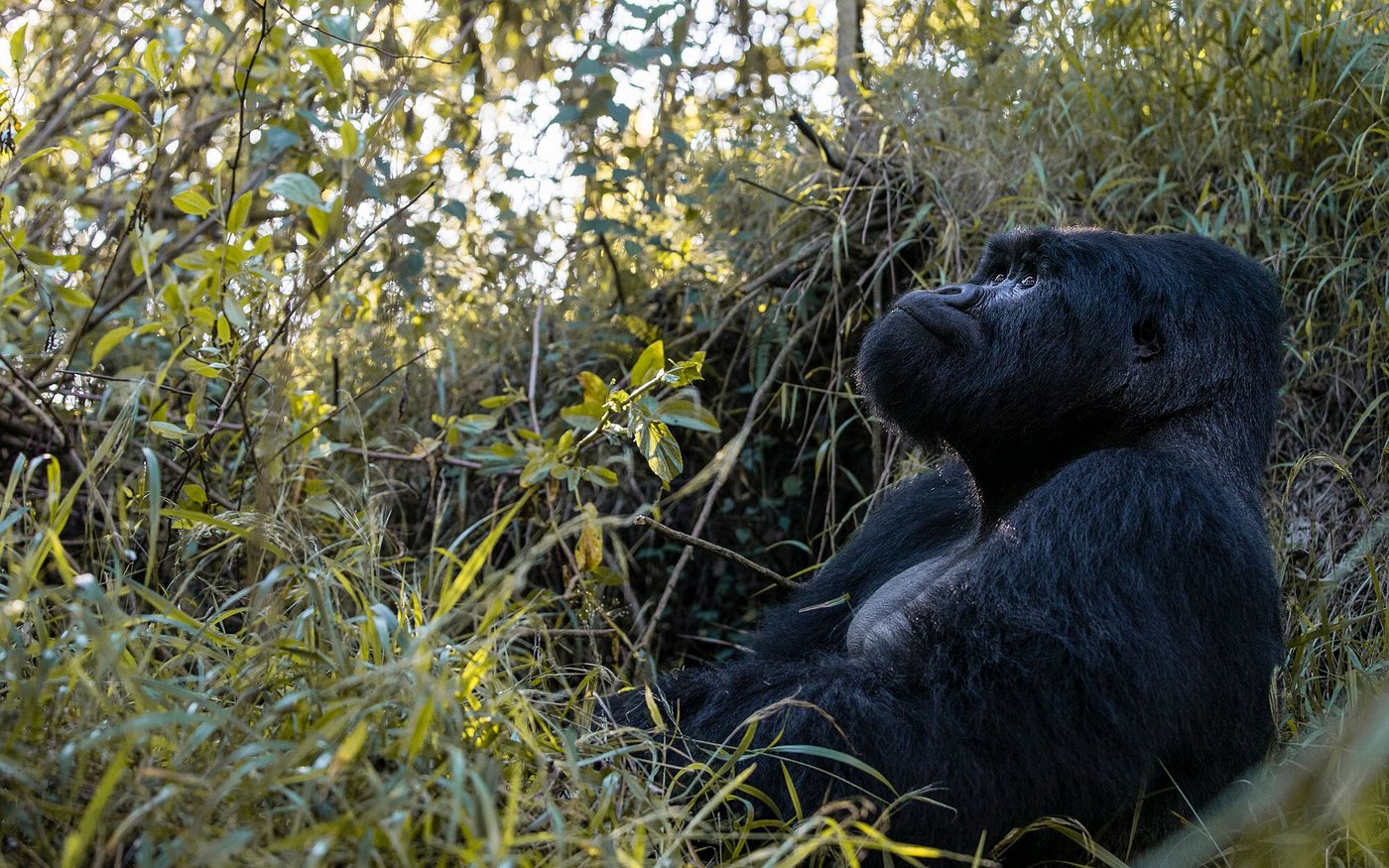
While Rwanda’s Volcanoes National Park and Uganda’s Mgahinga Gorilla National Park also protect mountain gorillas, Bwindi Impenetrable National Park gorillas display rare behaviours that are not found, or are extremely uncommon in other gorilla habitats. These unique behaviours arise from Bwindi Impenetrable National Park’s distinct ecosystem, its ancient forest structure, its topography, its plant diversity, and the long-term adaptation of gorilla families living within its dense, multi-layered habitat.
Bwindi Impenetrable National Park gorillas have developed their own cultural, ecological, emotional, and behavioural patterns — behaviours that surprise researchers, fascinate trackers, and offer trekkers an incredibly rare window into gorilla life.
This article explores the unique, Bwindi Impenetrable National Park-only behaviours, why they exist, how they differ from Rwanda’s gorillas, and what makes Bwindi Impenetrable National Park’s gorilla populations some of the most intriguing in the world.
Bwindi’s Ecological Uniqueness Shapes Gorilla Behaviour
Before examining specific behaviours, it is essential to understand why Bwindi Impenetrable National Park gorillas behave differently.
Bwindi is not a volcanic or bamboo-dominated forest like Volcanoes National Park. Instead, it is:
- an ancient Afromontane rainforest millions of years old
- rugged, steep, and heavily forested
- rich in plant diversity (over 300+ tree species)
- composed of multiple micro-habitats and altitudes
- more humid, less open, and more structurally complex than any other gorilla habitat
This environment forces gorillas to adapt in unique ways that influence their feeding, nesting, social structure, mobility, vocalisation, and environmental interactions.
Because behaviour and ecology are inseparable, Bwindi’s environment has produced its own behavioural culture.
Bwindi Gorillas Eat More Fruit – and Show Rare Fruit-Feeding Behaviours
Bwindi Impenetrable National Park is the only mountain gorilla habitat with meaningful fruit availability. Volcanoes National Park and Mgahinga gorillas eat mostly foliage because their habitat lacks fruiting trees.
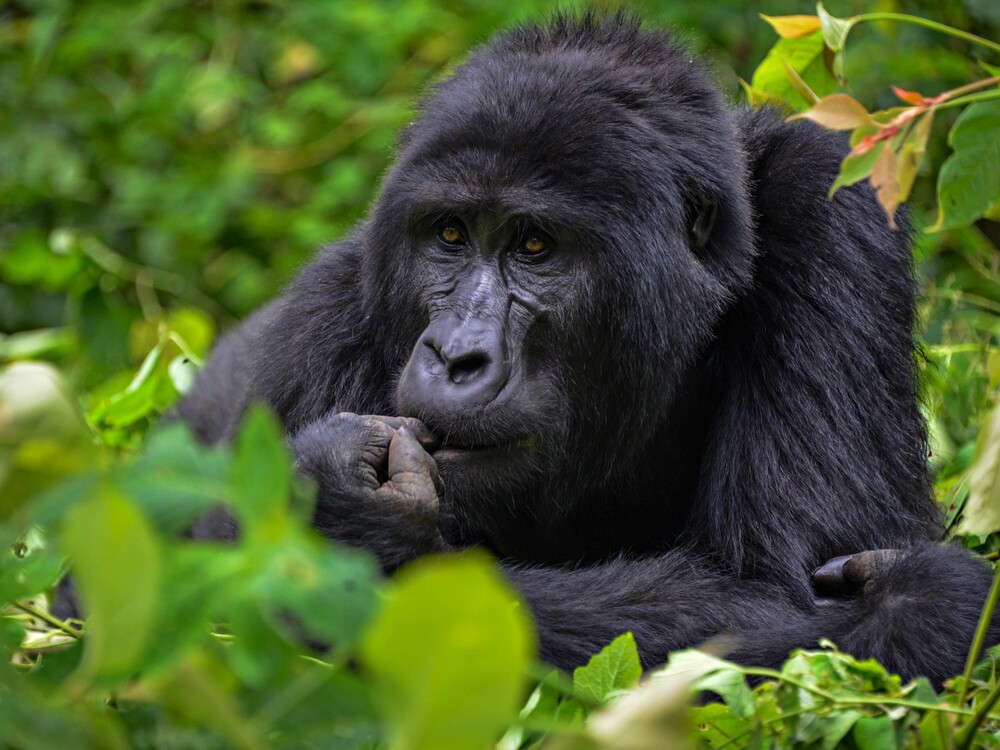
This leads to several rare behaviours:
1. Complex foraging routes based on seasonal fruit
Bwindi Impenetrable National Park gorillas create longer and more varied travel routes during fruiting seasons. These routes shift constantly, reflecting tree-by-tree knowledge of seasonal cycles.
2. Vertical feeding adaptation
Bwindi gorillas climb high into trees for ripe fruits, a behaviour uncommon in Rwanda’s families (who rarely climb for fruit due to habitat constraints).
3. Competition for fruiting spots
Gorillas sometimes show short, peaceful competitive interactions at fruiting trees, a behaviour virtually unseen in the bamboo forests of Rwanda.
4. Unique dietary combinations
Bwindi gorillas mix fruits with foliage and bark in patterns not observed elsewhere.
Fruit availability plays such a major role that Bwindi gorilla families are known to act more like lowland gorillas during certain months.
Rare Tree-Climbing Behaviour: More Frequent, More Complex
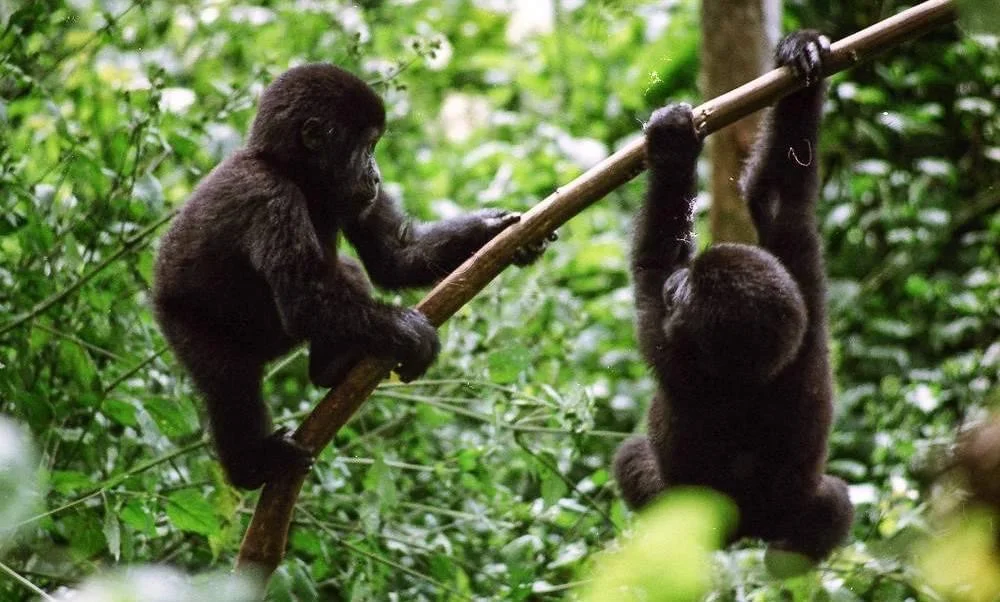
While mountain gorillas in Rwanda mostly stay on the ground, Bwindi gorillas climb way more frequently, and in more complex tree structures.
Bwindi gorillas climb:
- to access fruits
- to feed on epiphytes
- to retrieve specific leaves
- to escape rough terrain
- to access high resting points
This behaviour is shaped by rainforest structure. Bwindi Forest’s towering, old-growth trees are strong enough to support adult gorillas. Juveniles in particular show remarkable agility, bouncing from branch to branch in ways rarely seen in Volcanoes NP.
Some silverbacks in Bwindi Forest have even been observed climbing moderate-height trees, something highly unusual in mountain gorillas outside Bwindi.
Distinct Nesting Patterns – Multi-Layered, Creative, and Terrain-Adaptive
Bwindi Forest’s steep slopes and uneven terrain produce nest types not commonly found in other mountain gorilla habitats.
Unique Bwindi nesting behaviours include:
1. Multi-level nesting sites
Families sometimes build nests on different height levels along cliffs or slopes, creating vertical nesting zones.
2. Increased use of tree nests for adults
While adult tree nests are rare elsewhere, Bwindi Forest silverbacks and adult females occasionally build tree nests due to forest structure and fruit proximity.
3. Thick nesting pads for insulation
Because Bwindi nights can be colder in higher altitudes, nests sometimes contain additional layers of vegetation.
4. Seasonal nesting shifts
Bwindi gorillas change nest types depending on fruiting patterns, a unique behavioural link between diet and nest construction.
Nesting in Bwindi is more creative and varied due to the complexity of the landscape.
Rare Social Structures: Larger Families and Multi-Male Groups
Bwindi Impenetrable National Park gorillas often form larger families and multi-male structures that differ from Rwandan groups.
Some rare Bwindi Impenetrable National Park-only social traits include:
1. High frequency of multi-silverback families
These groups have multiple adult males living cooperatively, unusual for mountain gorillas.
2. Complex dominance hierarchies
With more males, leadership style becomes layered, incorporating brotherhood alliances and shared responsibilities.
3. Lower rates of infanticide
Multi-male tolerance reduces takeover threats.
4. Extended maternal and juvenile subgroups
Mothers often form temporary alliances for feeding and babysitting, rarely seen in Rwanda where terrain is more open.
Bwindi’s family structures are some of the most complex in the gorilla world.
Unique Vocalisations – Low-Pitched Calls, Travel Signals & Soft Grunts
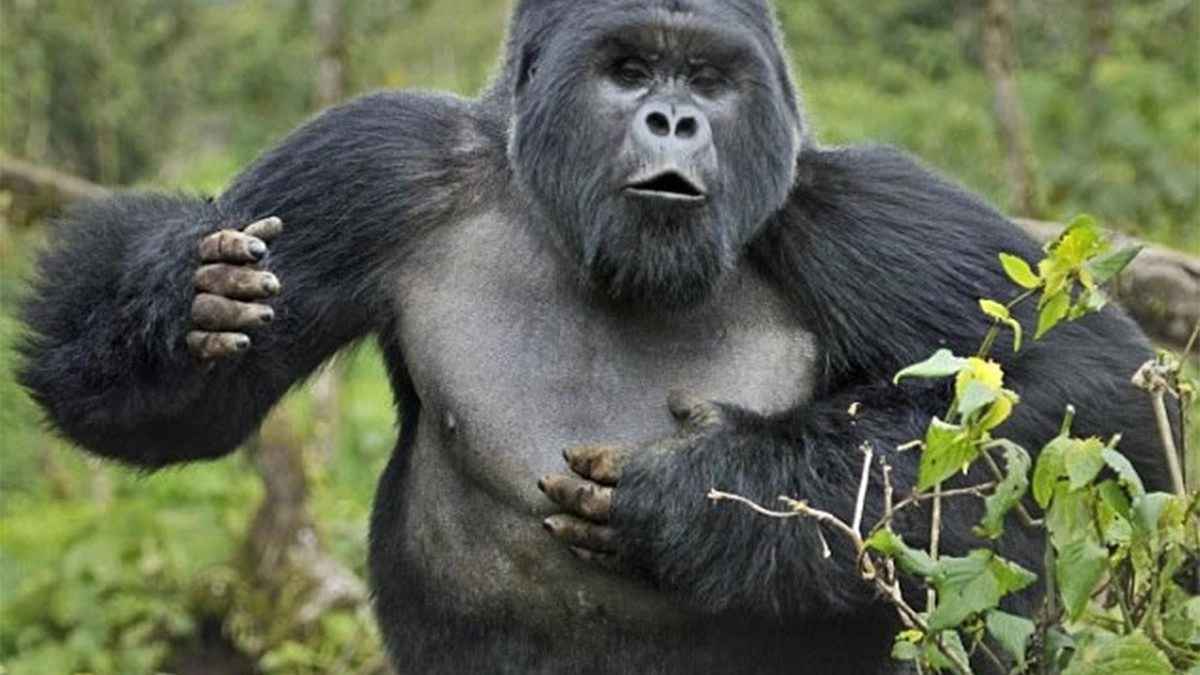
Bwindi Impenetrable National Park’s dense vegetation affects how sound travels, and gorillas have adapted with distinct vocal patterns.
Researchers and trackers have documented:
1. Lower-frequency grunts for close-range communication
Thick vegetation muffles higher-pitched sounds, so Bwindi Impenetrable National Park gorillas use deeper tones.
2. Unique travel-coordination calls
Silverbacks in Bwindi produce soft, rhythmic pulses that help guide families through thick undergrowth.
3. Modified alarm calls
Because visual detection is limited, alarm calls are shorter and more abrupt — adapted to dense forest acoustics.
4. Extensive infant vocal play
Infants in Bwindi Impenetrable National Park imitate adult sounds more frequently, possibly due to rich acoustic environments.
These vocal differences are subtle but scientifically significant.
Dietary Flexibility Not Seen in Other Mountain Gorilla Populations
Because of the diversity of Bwindi’s flora, gorillas have developed remarkable dietary flexibility.
Unique feeding behaviours include:
- consumption of rare understory plants
- seasonal bark-stripping that resembles lowland gorillas
- feeding on small fruits and wild berries
- increased pith consumption in transitional zones
- use of specialized leaves for hydration
- eating certain herbs not found in Mgahinga Gorilla National Park or Rwanda
This flexibility reflects how Bwindi gorillas adapt to seasonal changes and forest diversity.
Extended Daytime Resting Periods in Thick Vegetation
Bwindi Impenetrable National Park gorillas rest more frequently during the day and often choose extremely dense thickets for resting, sometimes so dense trekkers cannot see the group despite being very close.
This behaviour is influenced by:
- higher daytime humidity
- frequent rainfall
- dense understory providing shade
- complex topography requiring energy conservation
These extended rest periods also create more opportunities for rare grooming rituals and slow, peaceful family interactions.
Unique Territorial Overlap Behaviours
Bwindi is vast but also rugged, creating natural boundaries and corridors.
This leads to:
1. Rare forms of peaceful inter-group avoidance
Groups avoid each other using scent, sound, and movement cues.
2. Silent displacement behaviour
Instead of vocal display, Bwindi Impenetrable National Park families quietly move away when detecting another group — rare for mountain gorillas.
3. Scent-based space negotiation
Bwindi gorillas rely more on scent trails due to limited visibility.
These behaviours highlight unique territorial strategies.
Rare Ground-Scratching & Soil Interaction Behaviours
Bwindi Impenetrable National Park gorillas have been observed engaging in soil-related behaviours that are almost never seen in Rwanda.
These include:
- digging for mineral-rich soil
- rubbing soil onto certain plants
- using clay-like soil to aid digestion (geophagy)
- scraping ground surfaces for roots and tubers
This may be influenced by Bwindi’s richer mineral composition and plant diversity.
Bwindi’s “Cultural Behaviours” – Passed from Generation to Generation
Certain Bwindi Impenetrable National Park gorilla families exhibit family-specific traditions, also known as “cultural behaviours.”
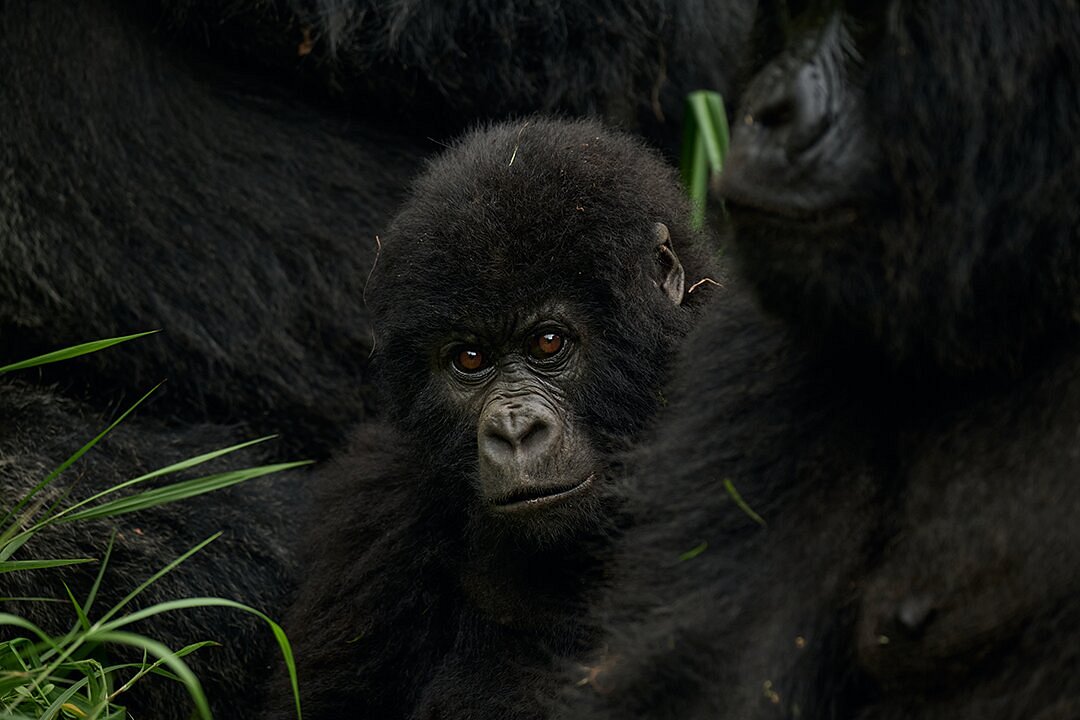
Examples include:
- preferred feeding zones unique to a specific family
- specific grooming rituals
- unusual chest-beat rhythms by certain silverbacks
- infants learning unique play behaviours
- mothers teaching specific plant-selection skills
These differences are passed down through learning — not instinct.
Bwindi gorillas truly have their own cultural identities.
Rare “Hide-and-Feed” Behaviour Due to Dense Terrain
Because Bwindi Impenetrable National Park’s vegetation creates many concealed spaces, some gorilla families, especially shy or newly habituated groups, have been seen adopting “hide-and-feed” behaviour.
They may:
- feed in extremely dense jungle
- avoid open glades
- move quietly to avoid disturbances
- disappear into thickets within seconds
This behaviour is more common in Bwindi Impenetrable National Park than anywhere else due to the nature of the habitat.
Longer Daily Travel Routes – With Unpredictable Patterns
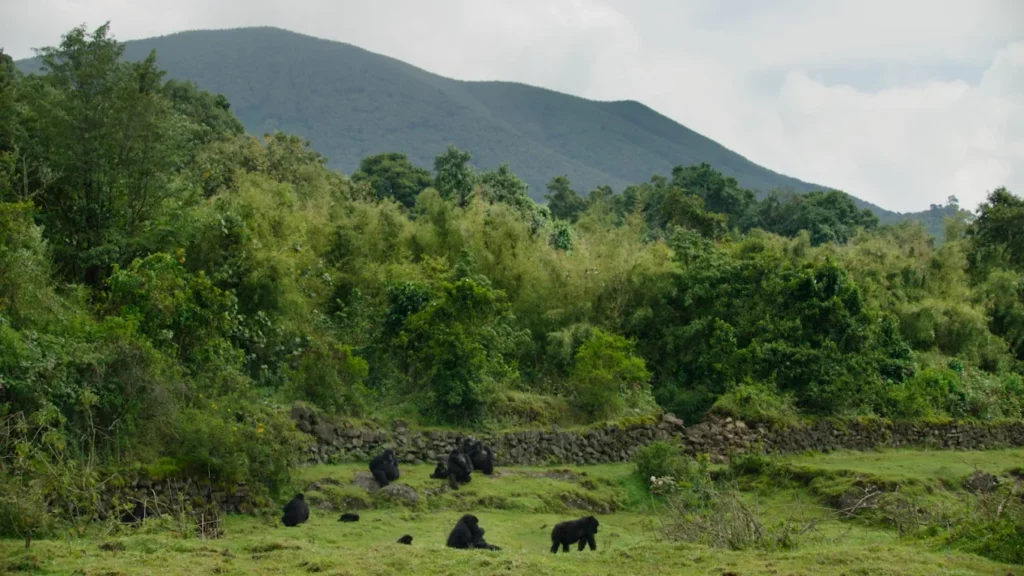
Bwindi gorillas often travel longer distances and use unpredictable routes because:
- fruiting trees are scattered
- vegetation density varies
- steep slopes require detours
- micro-habitats influence feeding zones
Researchers note that Bwindi Impenetrable National Park gorillas’ daily paths are far less predictable than those of Rwanda’s gorillas, creating rare movement behaviours.
“Bark-Testing” Behaviour
A unique Bwindi Impenetrable National Park trait is bark-testing, where gorillas test the moisture or nutrient content of bark before fully feeding on it.
This is rarely observed in Volcanoes NP because few tree species there require such sampling.
Bark-testing reflects dietary intelligence and adaptation.
Frequently Asked Questions
Why do Bwindi gorillas behave differently from Rwanda gorillas?
Because the forest is older, denser, more diverse, and provides different ecological pressures.
Do Bwindi gorillas eat more fruit?
Yes. And this dramatically shapes their behaviour.
Are Bwindi gorillas harder to track?
Yes, due to rugged terrain and unpredictable movement.
Do Bwindi gorillas climb more?
Absolutely. They climb far more than Rwanda’s gorillas.
Are Bwindi gorilla families larger?
Often, yes. And more likely to have multiple silverbacks.
Final Thoughts – The Magical Uniqueness of Bwindi Gorilla Behaviour
Bwindi Impenetrable National Park is not just a gorilla habitat; it is an ancient world that shapes gorilla evolution in real time. The rare behaviours seen only in Bwindi Impenetrable National Park from fruit foraging and tree climbing to unique vocalisations and complex family structures, reveal how deeply environment influences behaviour.
Bwindi Impenetrable National Park gorillas are more than a population; they are a cultural lineage shaped by one of Africa’s most extraordinary forests.
To trek with Bwindi Impenetrable National Park gorillas is to witness a form of gorilla life that exists nowhere else — a living testament to biodiversity, adaptation, and the quiet intelligence of great apes.