
Fitness Levels Required for Gorilla Trekking (What It Really Involves)
Many travelers hesitate to book gorilla trekking because they are unsure whether they are “fit enough.” This hesitation usually comes from not understanding what gorilla trekking physically involves. Once the reality is explained clearly and honestly, most people realize it is far more achievable than they first imagined.
This section breaks down the physical experience of gorilla trekking in practical terms, without exaggeration and without minimizing the effort involved.
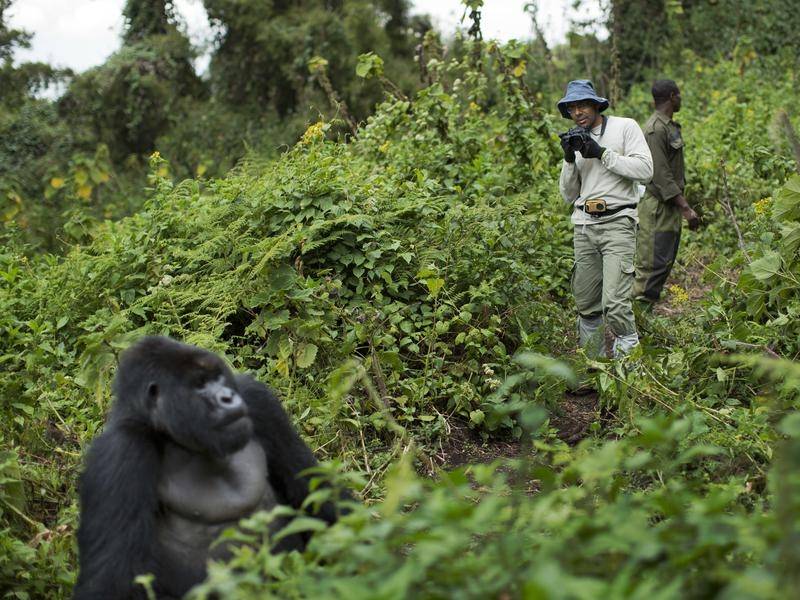
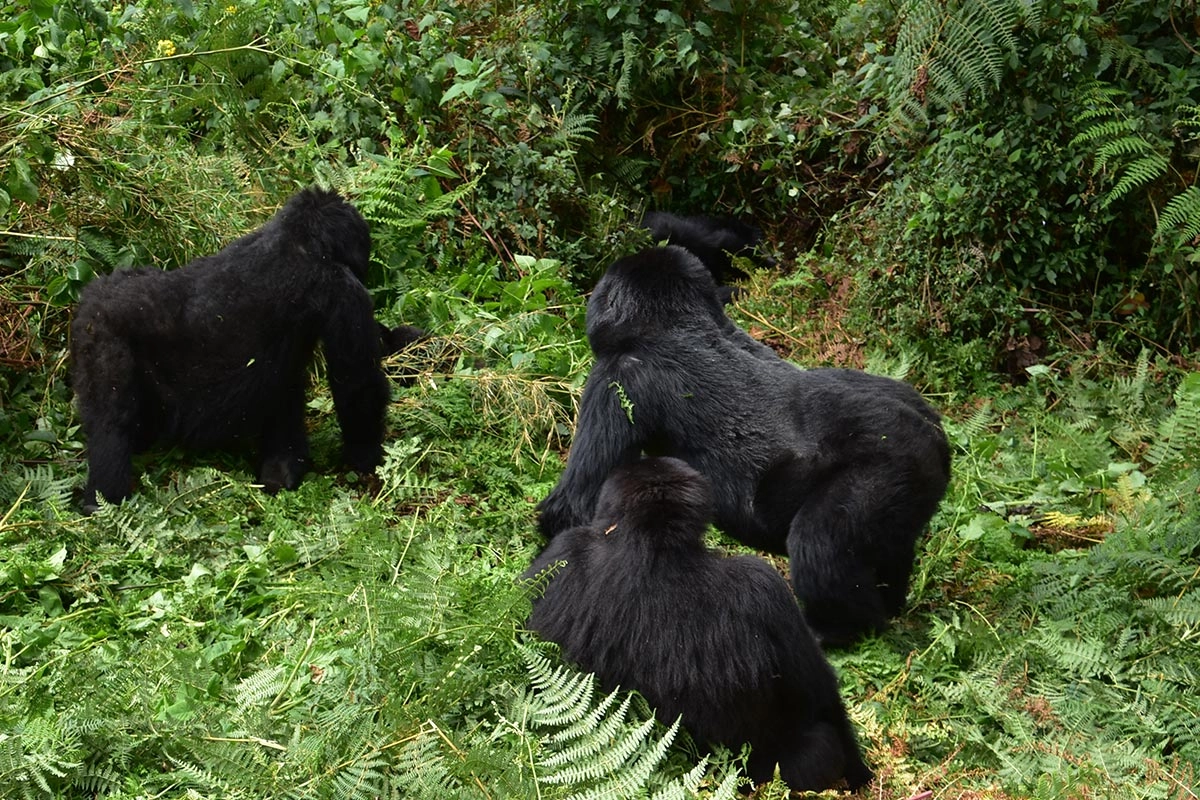
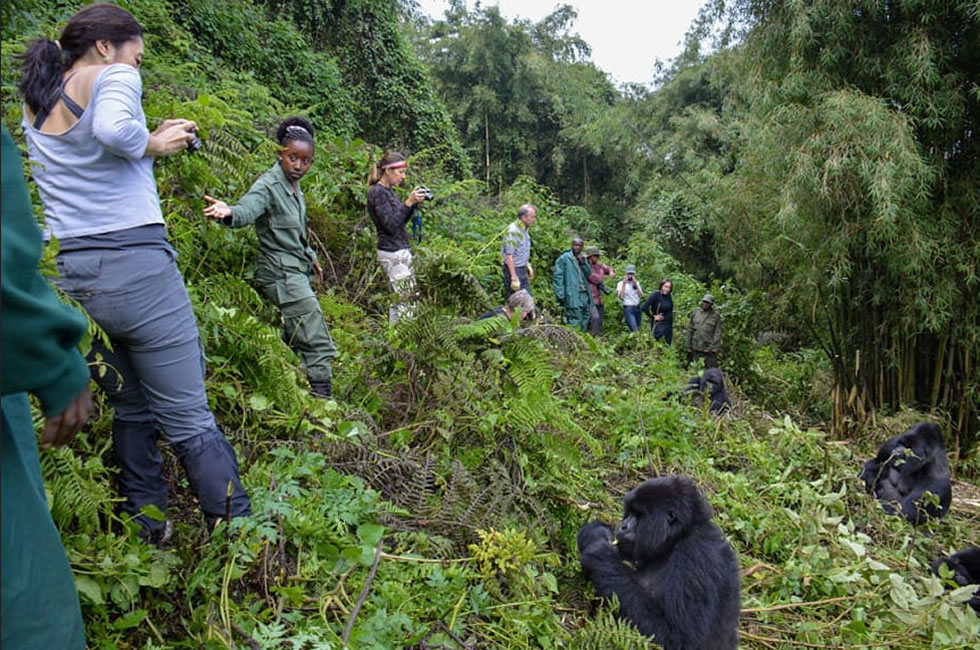
What Gorilla Trekking Physically Involves
Gorilla trekking takes place in protected rainforest environments where terrain is natural, unpaved, and constantly changing. Unlike game drives or guided nature walks, trekking routes are not fixed trails. Rangers and trackers follow the daily movements of gorilla families, which means the path taken can vary significantly from one day to the next.
Forest Terrain: Roots, Mud, and Slopes
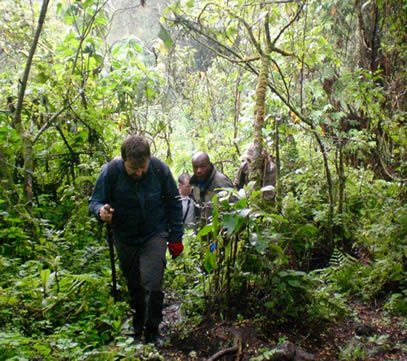
The forest floor in gorilla trekking areas is uneven by nature. Trekkers walk over exposed tree roots, soft soil, leaf-covered ground, and occasionally muddy sections, especially after rainfall. Slopes are common, with both gentle inclines and steeper climbs depending on where the gorillas are located that day.
In places like Bwindi Impenetrable National Park, the terrain can feel dense and enclosed, with thick vegetation and narrow paths. In Volcanoes National Park, the forest is often more open, but slopes can still be steep and the ground uneven.
This terrain requires balance and steady footing, but not technical climbing skills or extreme strength.
Variable Trek Duration: From Short Walks to Longer Hikes
One of the most important realities of gorilla trekking is that trek duration is unpredictable. Some gorilla families may be located close to the park boundary, resulting in treks as short as 30–45 minutes. Others may be deeper in the forest, leading to treks that last several hours.
The key point is that duration is not determined by how fast you walk. Treks are paced according to the slowest member of the group, and guides adjust speed and rest stops as needed. There is no expectation to rush or keep up with a fast-moving group.
This variability is why preparation matters more than raw fitness. Being comfortable walking steadily for extended periods is far more important than speed or endurance training.
Altitude and Humidity: The Hidden Factors
Altitude and humidity influence how trekking feels physically. Gorilla trekking areas are located at moderate to high elevations, which can make breathing feel slightly heavier, especially for travelers arriving from sea level. This is normal and accounted for by guides.
Humidity adds another layer. Rainforests retain moisture, meaning trekkers may sweat more even when temperatures are mild. This can make the trek feel more demanding than a similar walk in a dry environment.
Importantly, guides are trained to recognize signs of fatigue or discomfort related to altitude or humidity and adjust the pace accordingly.
Why Gorilla Trekking Is Not a Marathon or a Race
A common misconception is that gorilla trekking is a strenuous race through the forest. In reality, it is a slow, guided, and carefully managed experience. Rangers prioritize safety, conservation, and guest well-being over speed.
There is no competition, no time pressure, and no expectation to push beyond personal comfort. Rest breaks are normal, encouragement is constant, and assistance is readily available.
Understanding this removes much of the anxiety surrounding fitness requirements and allows travelers to focus on the experience rather than the effort.
How Fit Do You Really Need to Be for Gorilla Trekking?
This is the question most people ask and the answer is often more reassuring than expected.
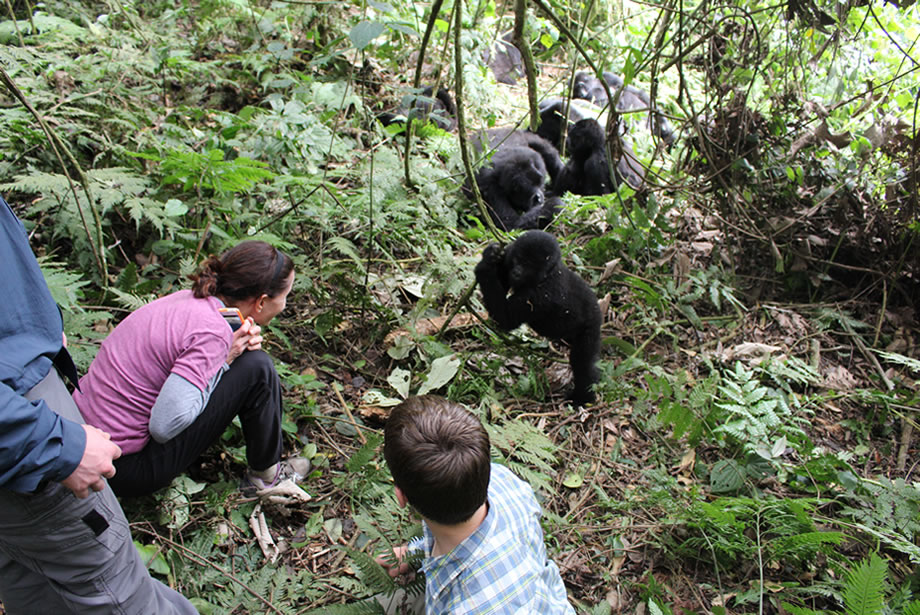
You Do Not Need to Be Athletic
Gorilla trekking does not require athletic conditioning, gym training, or hiking expertise. You do not need to be a runner, climber, or endurance athlete. Many trekkers successfully complete gorilla treks without any formal fitness background.
What matters is functional fitness: the ability to walk, step carefully, and remain on your feet for a period of time with breaks.
You Do Need Basic Walking Endurance
While athleticism is not required, basic walking endurance is important. Trekkers should be comfortable walking for one to several hours at a relaxed pace, with stops along the way. This is similar to a long countryside walk rather than a high-intensity hike.
If you can comfortably walk for an hour or more without rushing, you already meet the baseline fitness needed for most gorilla treks.
Pace Is Slow, Guided, and Adapted
The pace of a gorilla trek is set by professional rangers and trackers who monitor the group continuously. They slow down when needed, stop for rest breaks, and adjust routes if conditions become difficult.
This guided pacing is one of the biggest reasons gorilla trekking is accessible to a wide range of travelers, including seniors and first-time hikers.
Rest Breaks Are Normal and Expected
Stopping to rest is not a sign of weakness; it is part of the trekking process. Guides expect guests to pause for water, breathing, or short recovery breaks. There is no penalty for asking to stop, and no pressure to keep moving if you are tired.
This approach ensures that trekking remains manageable and enjoyable rather than exhausting.
The Reality in Simple Terms
Gorilla trekking is about steady movement, not speed or strength. It rewards patience, balance, and a calm mindset far more than physical power. Travelers who understand this approach the experience with confidence rather than concern.
Gorilla trekking involves walking through natural rainforest terrain at a controlled, guided pace. While conditions can be uneven and sometimes challenging, the experience is designed to accommodate a wide range of fitness levels.
You do not need to be athletic, but you should be comfortable walking steadily with breaks. With proper preparation, supportive guides, and realistic expectations, gorilla trekking is achievable for most travelers.
Gorilla Trekking Difficulty Levels Explained (What “Easy” Really Means)
One of the biggest misunderstandings about gorilla trekking is the idea that all treks are equally difficult. In reality, gorilla trekking difficulty exists on a spectrum, and understanding this spectrum removes much of the anxiety people feel about fitness.
Instead of vague labels, this section explains what “easy,” “moderate,” and “challenging” actually mean on the ground.
Easier Gorilla Treks: Shorter Distances and Gentler Slopes
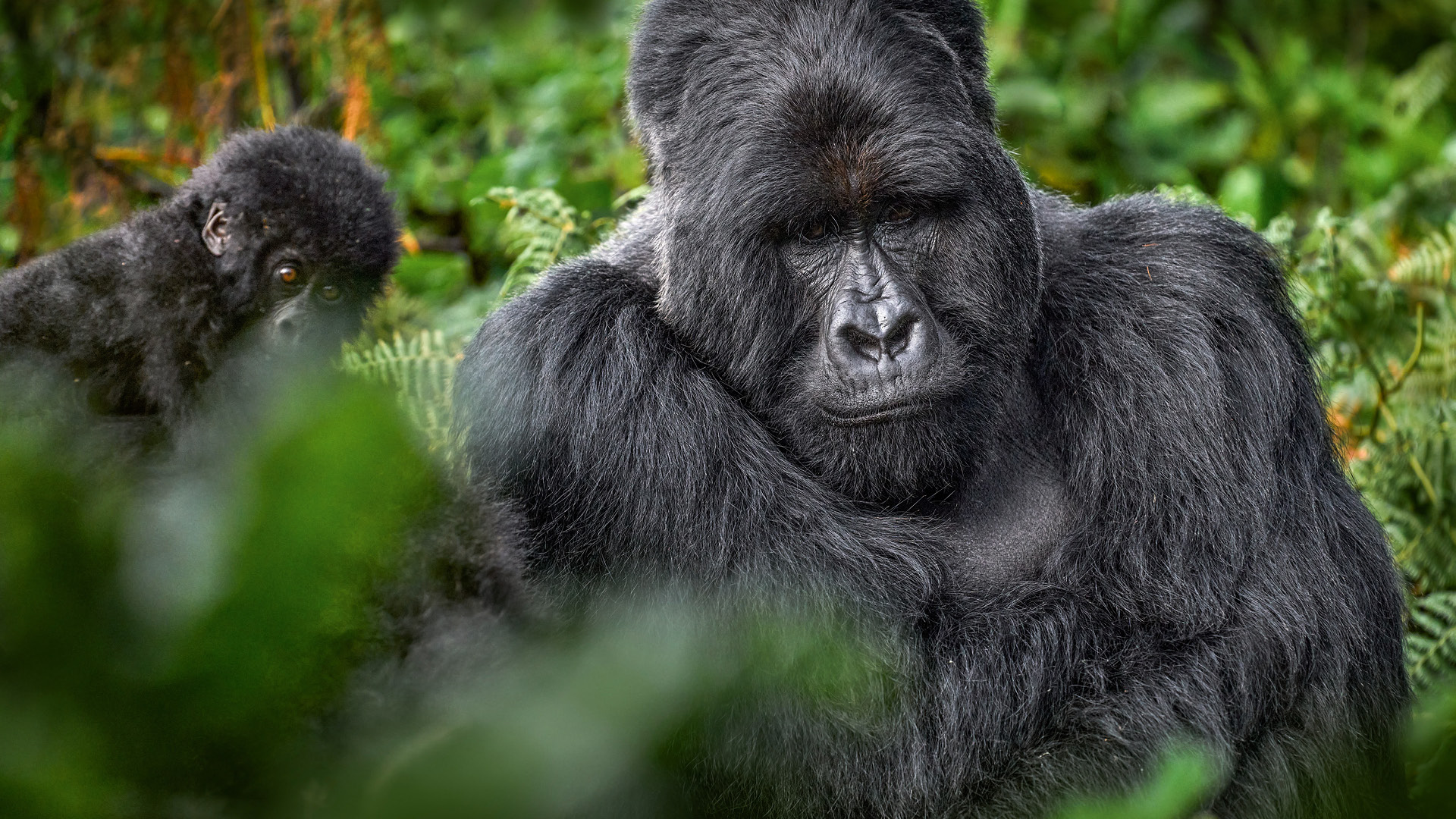
Easier gorilla treks typically involve shorter walking distances, less elevation change, and more gradual terrain. These treks often occur when gorilla families are feeding closer to park boundaries or at lower elevations.
The ground may still be uneven, but slopes are less demanding and rest stops are frequent. Easier treks are ideal for travelers who want a gentler introduction to gorilla trekking, including seniors, first-time trekkers or anyone who prefers a slower pace.
It is important to understand that “easy” does not mean effortless. You are still walking through natural forest terrain, but the physical demands are controlled and manageable for most people with basic walking ability.
Moderate Gorilla Treks: Longer Hikes with Some Steep Sections
Moderate treks are the most common type of gorilla trekking experience. These treks may involve longer walking times, sections of steeper terrain, and occasional muddy or slippery ground.
Trekkers should expect a steady hike with breaks, some uphill and downhill movement, and moments where balance and careful footing are required. These treks are well within reach for travelers who are reasonably active and comfortable walking for a few hours at a relaxed pace.
For many people, moderate treks feel challenging but rewarding rather than exhausting.
Challenging Gorilla Treks: Steep, Muddy, and Longer Duration
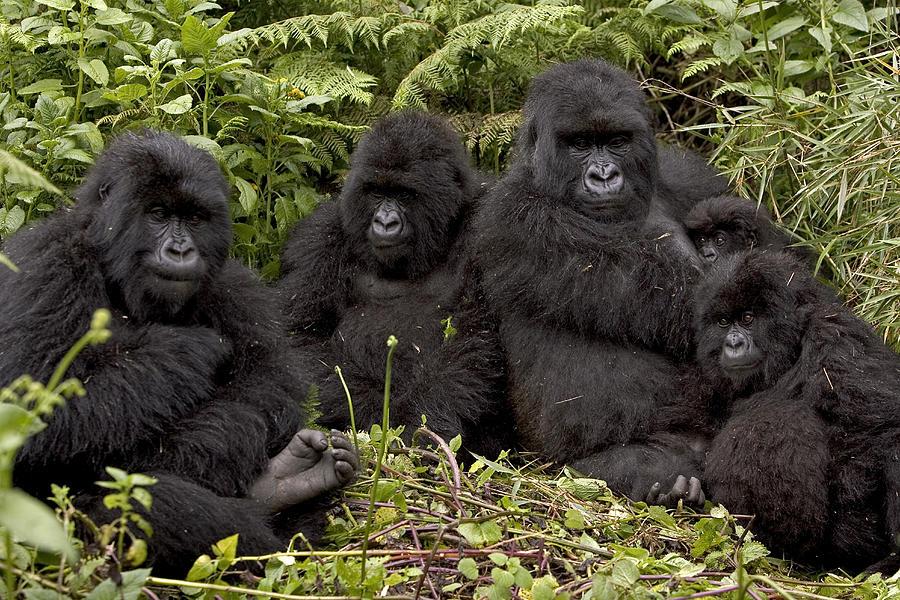
Challenging treks occur when gorilla families are located deeper in the forest or at higher elevations. These treks may involve steep climbs, dense vegetation, muddy slopes, and longer durations.
They are not dangerous, but they are physically demanding. Challenging treks are best suited for travelers who enjoy hiking, have strong balance, or are comfortable with sustained physical activity.
Importantly, these treks are not assigned randomly and travelers are not forced into them without consideration of ability.
A Critical Truth: You Do Not Choose Difficulty—Rangers Do
One of the most important facts about gorilla trekking is that trek difficulty is not chosen by the traveler. It is assigned by park rangers on the morning of the trek.
Before trekking begins, rangers assess the group, ask about fitness levels, age, and any concerns, and then assign gorilla families accordingly. This system exists specifically to protect guests and ensure that trekking remains achievable.
This is especially well managed in parks such as Bwindi Impenetrable National Park, where multiple trekking sectors and gorilla families allow flexibility in assignment.
Yes, You Can Request Easier Treks in Advance
While final decisions are made on the trekking day, travelers can and should communicate fitness concerns in advance. Reputable operators and guides relay this information to park authorities, increasing the likelihood of being assigned a suitable trek.
Requests for shorter treks, gentler terrain, or additional support are common and accepted. Being honest about fitness is always better than overestimating ability.
This transparency is what makes gorilla trekking accessible to such a wide range of travelers.
Fitness by Traveler Type (Real-World Reassurance)
This section addresses the most common fear-based questions directly and honestly. Gorilla trekking is not limited to elite hikers it is designed to be inclusive when planned properly.
Gorilla Trekking for Seniors (Yes, Many Trekkers Are 60+)
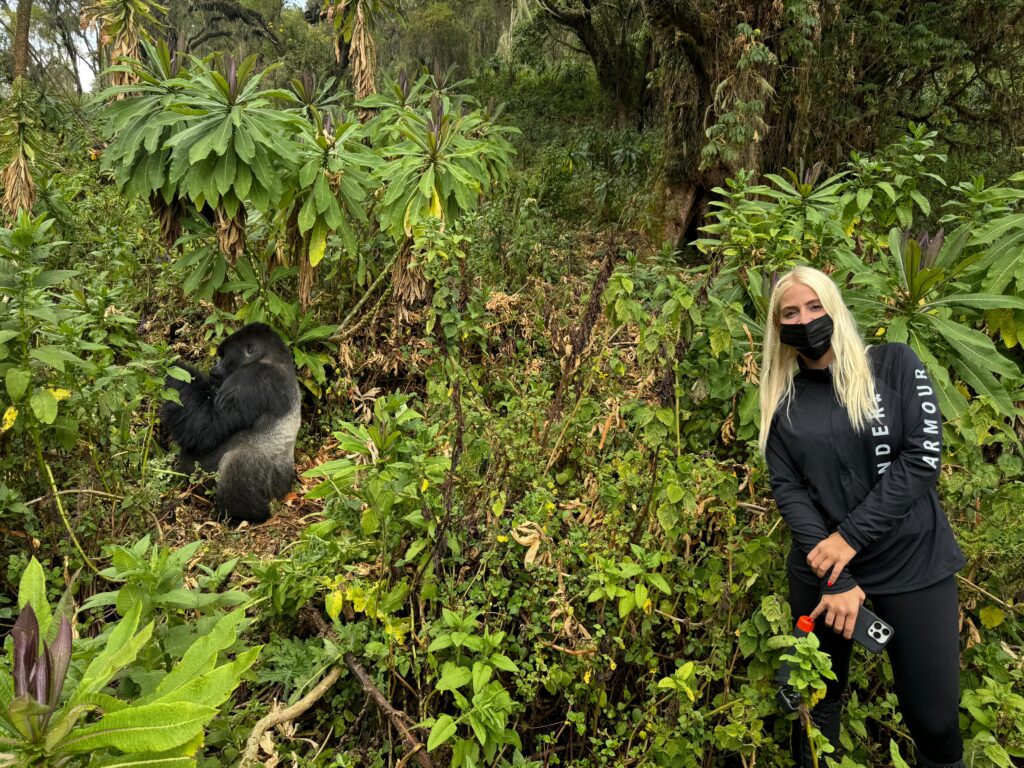
A significant number of gorilla trekkers are in their 60s, 70s, and beyond. Age alone is not a barrier to gorilla trekking.
What matters more is mobility, balance, and comfort with walking at a steady pace. Rangers are particularly attentive to senior travelers and adjust routes, pacing, and rest stops accordingly.
Porters play a crucial role here. They assist not only by carrying daypacks but also by offering a steady hand on slippery sections and emotional reassurance during challenging moments. Many senior travelers say hiring a porter was the single best decision they made.
With proper support, gorilla trekking is both achievable and deeply rewarding for older travelers.
Gorilla Trekking for First-Time Trekkers
First-time trekkers often worry because they lack hiking experience. The reality is that no prior trekking or hiking background is required.
Gorilla trekking is guided from start to finish. Rangers explain what to expect, set the pace, and monitor the group continuously. Instructions are clear, and support is constant.
For first-timers, mental readiness often matters more than physical fitness. Approaching the trek calmly, pacing yourself, and trusting the guides makes the experience far more enjoyable than worrying about performance.
Gorilla Trekking for Less-Fit Travelers
This is the group most competitors avoid addressing honestly, yet it represents a large portion of potential trekkers.
If you consider yourself less fit, gorilla trekking is still possible in many cases. The key is honesty and planning. Informing guides in advance allows them to match you with appropriate treks and ensure additional support.
Porters make a real, tangible difference. They reduce physical strain, provide balance assistance, and remove the pressure of carrying extra weight. Rangers are trained to adapt routes and pacing to suit the group, not the other way around.
Many less-fit travelers complete gorilla treks successfully and describe the experience as challenging but empowering rather than overwhelming.
Gorilla trekking difficulty is managed, not imposed. Treks range from easier to challenging, but assignments are based on fitness, age, and comfort not random chance. Rangers, porters, and guides exist to support travelers, not test them.
Whether you are a senior, a first-time trekker, or someone unsure about fitness, gorilla trekking remains accessible when approached with honesty, preparation, and the right support.
Uganda vs Rwanda – Fitness Comparison (What to Expect Physically)
When travelers compare Uganda and Rwanda for gorilla trekking, fitness considerations often tip the decision. Both destinations offer extraordinary encounters, but the physical feel of the trek differs in important ways. Understanding these differences helps you choose the destination that best matches your comfort level and expectations.
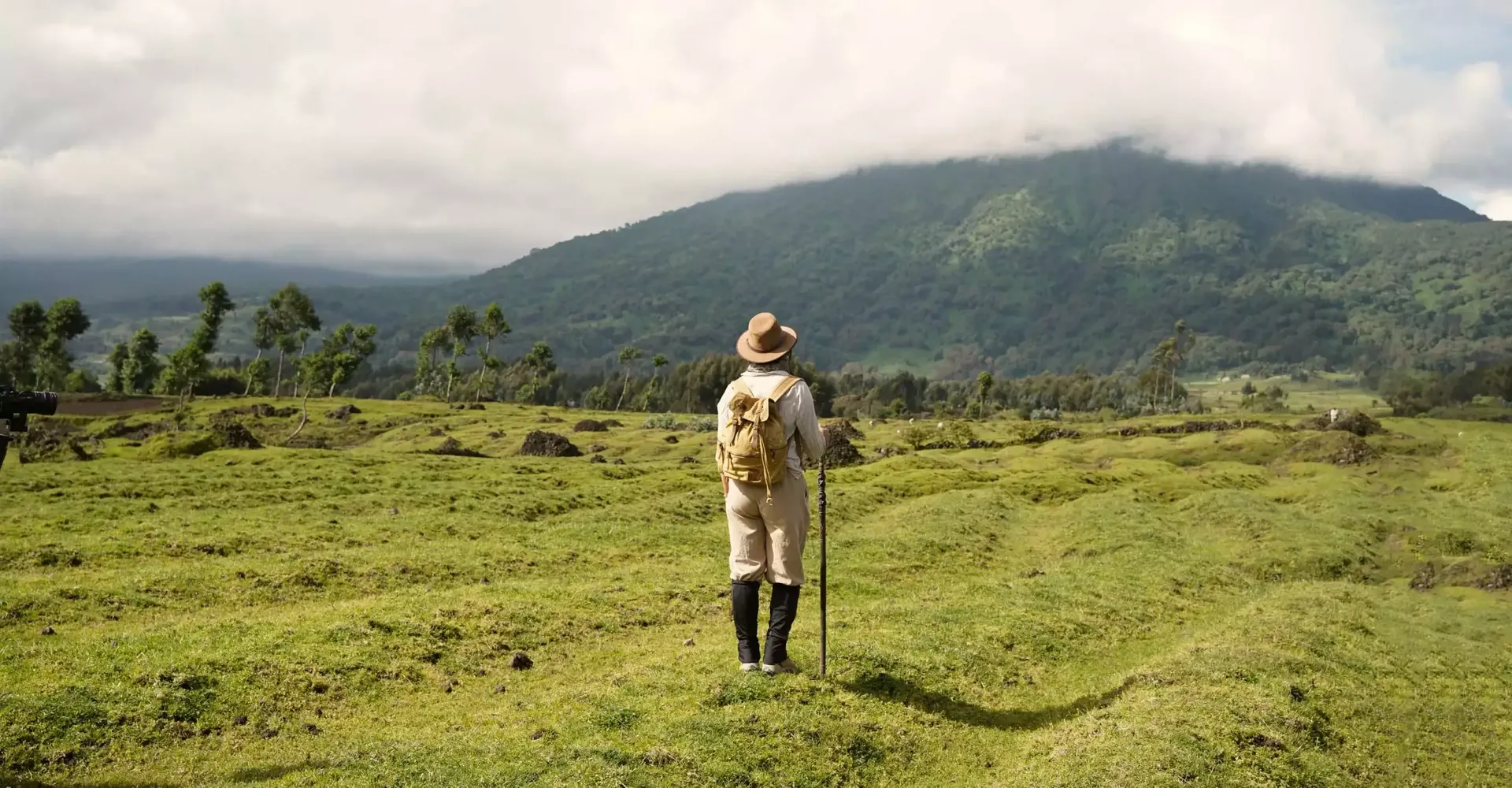


Uganda: Greater Flexibility Across a Wider Range of Fitness Levels
Uganda particularly Bwindi Impenetrable National Park—offers the widest range of trekking difficulty. With multiple sectors and many habituated gorilla families, Uganda can accommodate everything from gentler walks to more demanding hikes.
Terrain in Bwindi Impenetrable National Park is famously diverse. Some routes involve gradual paths at lower elevations, while others include steeper climbs and longer distances. This variability is a strength: it allows rangers to match trekkers to appropriate gorilla families based on age, fitness, and preferences. If you want a gentler trek or if you’re unsure about stamina Uganda provides more options to make that happen.
Because Uganda has a larger permit inventory and more sectors, there is also greater day-to-day flexibility. This is reassuring for travelers who want the trek tailored to them rather than the other way around.
Positioning: Uganda = flexibility, choice, and adaptability for a wide range of fitness levels.
Rwanda: Shorter Treks and Faster Access, With Altitude Considerations
Rwanda’s gorilla trekking takes place exclusively in Volcanoes National Park, which is closer to Kigali and easier to reach. As a result, trekking days often feel more streamlined, and treks are generally shorter than the longest routes in Bwindi.
This convenience appeals to travelers with limited time or those who prefer a more predictable schedule. However, Rwanda’s terrain sits at higher altitude, which can make breathing feel heavier, especially for visitors arriving from sea level. While distances may be shorter, the altitude can offset that advantage for some people.
Rwanda also has fewer trekking sectors, which means less variation in difficulty compared to Uganda. While rangers still consider fitness, there is less flexibility overall due to the smaller number of gorilla families.
Positioning: Rwanda = convenience and efficiency, with shorter treks but higher altitude and fewer options.
Which Is Easier From a Fitness Perspective?
There is no universal answer—only the right fit for the right traveler.
- If you value choice, adaptability, and the ability to request gentler options, Uganda is often the better fit.
- If you value shorter treks and quick access and are comfortable with altitude, Rwanda may feel easier.
Both destinations are achievable for most travelers when planned correctly. The key difference lies in how much flexibility you want built into the experience.
How Gorilla Trekking Difficulty Is Managed (Why You’re Never Left on Your Own)
This is the part most guides never explain and the reason many fears about fitness disappear once you understand how gorilla trekking actually works on the ground.

Porters: Physical Support That Changes Everything
Porters are one of the most valuable and underrated resources in gorilla trekking. They carry daypacks, water, and extra layers, immediately reducing physical strain. But their role goes further.
On steep or slippery sections, porters often provide a steady hand, help with balance, and guide foot placement. For seniors or less-fit travelers, this support can be transformative. Many trekkers say hiring a porter turned a daunting hike into a comfortable, confidence-boosting experience.
Hiring a porter is not a sign of weakness; it is a smart, practical choice that also supports local communities.
Rangers Monitor Guest Condition Constantly
Rangers are trained to observe more than just wildlife. Throughout the trek, they watch for signs of fatigue, shortness of breath, or discomfort among guests. Pace is adjusted proactively, not reactively.
If someone needs a break, the group stops. If terrain becomes difficult, rangers choose alternative routes where possible. Communication is constant, and guests are encouraged to speak up early rather than push through discomfort.
This level of oversight ensures that trekking remains controlled and supportive, not punishing.
Treks Can Be Slowed, Adjusted, or Stopped
A critical truth that reassures many travelers: there is no requirement to “finish” at all costs. Gorilla trekking prioritizes safety and wellbeing over completion.
Treks can be slowed significantly, extended with additional rest, or adjusted if conditions change. In rare cases, a trek may be shortened or stopped if safety becomes a concern. This is not considered failure it is responsible guiding.
Knowing this removes pressure and allows trekkers to focus on enjoying the journey rather than worrying about endurance.
Safety Always Comes Before Completion
From ranger briefings to on-trail decisions, one principle guides every gorilla trek: safety comes first. Completion of the trek is secondary to guest wellbeing and conservation protocols.
This mindset is why gorilla trekking remains accessible to such a diverse group of travelers, including seniors, first-timers, and those unsure about fitness.
Uganda and Rwanda offer different physical experiences, but both are carefully managed to accommodate a wide range of fitness levels. Uganda excels in flexibility and choice, while Rwanda offers convenience and efficiency. In both destinations, difficulty is actively managed through porter support, ranger oversight, and adaptable pacing.
Gorilla trekking is not about testing limits it is about steady progress, support, and safety, ensuring that the experience remains achievable and memorable for most travelers.
Gorilla Trekking Fitness FAQs (Clear, Honest Answers)
This final section addresses the questions people ask right before deciding whether gorilla trekking is realistic for them. These answers are intentionally direct, experience-based, and reassuring without sugarcoating reality.
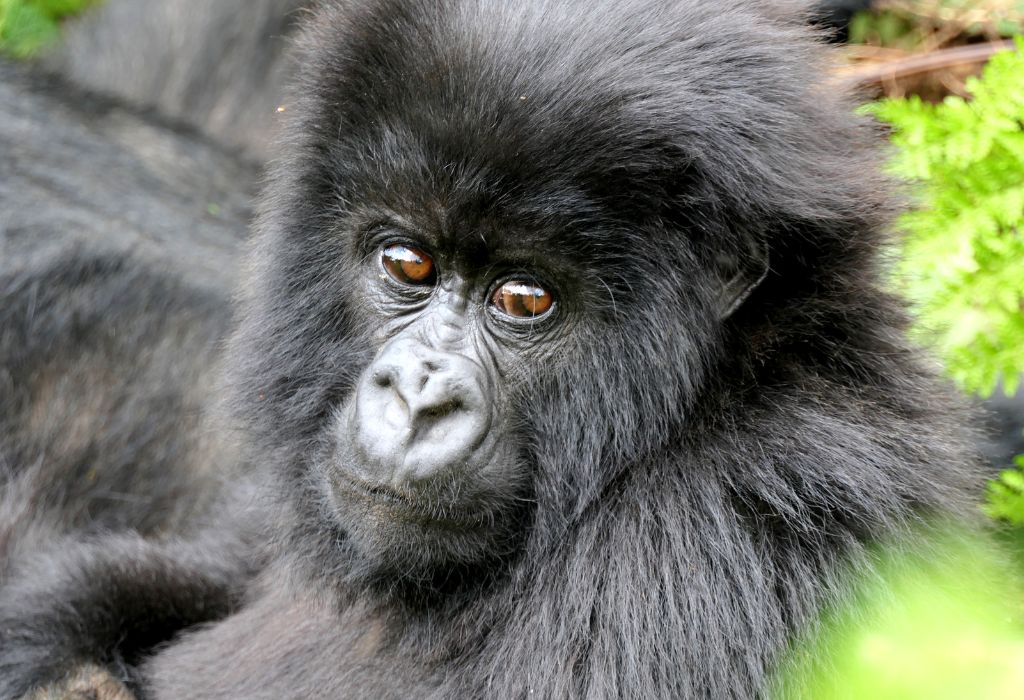
Is Gorilla Trekking Hard?
Gorilla trekking can be physically challenging, but it is not extreme or technical. The difficulty comes from walking on natural forest terrain roots, mud, slopes not from speed, strength, or athletic performance.
Treks are guided, paced slowly, and adapted to the group. Some treks are short and gentle, while others are longer, but there is no expectation to rush or push beyond comfort. For most travelers, gorilla trekking feels manageable and rewarding, not punishing.
This is why people of many ages and fitness levels successfully complete gorilla treks every year.
Can Overweight People Trek Gorillas?
Yes. Being overweight does not automatically prevent you from gorilla trekking.
What matters more than weight is mobility, balance, and basic walking endurance. Rangers and guides assess guests individually, not by appearance. Trek difficulty is matched accordingly, and porters provide practical assistance on slopes and uneven ground.
Many overweight travelers complete gorilla treks comfortably when they communicate honestly about fitness and use available support.
What If I Get Tired During the Trek?
Getting tired is expected and completely normal.
Treks include regular rest breaks, and guides actively encourage guests to pause, hydrate, and recover as needed. The pace can always be slowed. There is no pressure to “keep up” or hide fatigue.
Porters can take over carrying items at any point, and rangers continuously monitor guest wellbeing. Feeling tired does not mean you are failing it simply means you are human.
Can I Turn Back If I Need To?
Yes. While it is rare, you can turn back if you feel unable to continue.
Gorilla trekking prioritizes safety and wellbeing over completion. Rangers are trained to respond calmly and responsibly if a guest needs to stop. Turning back is handled discreetly and respectfully.
Knowing this option exists removes a great deal of pressure and allows most travelers to proceed with confidence.
Are There Age Limits for Gorilla Trekking?
The minimum age for gorilla trekking is typically 15 years. There is no official upper age limit.
Many trekkers are in their 60s, 70s, and even older. Age alone is not a barrier. Fitness, mobility, and comfort with walking matter far more than the number on a passport.
In destinations such as Bwindi Impenetrable National Park and Volcanoes National Park, rangers regularly accommodate senior travelers through pace adjustment and trek matching.
The Most Important Truth About Fitness and Gorilla Trekking
Gorilla trekking is not a test of strength or endurance. It is a guided conservation experience designed to be accessible when planned properly.
The system exists to support you through ranger assessment, porter assistance, pace control, and trek assignment. You are never expected to “power through” at the expense of safety or comfort.
Plan Your Gorilla Trek with Confidence
Fitness concerns stop many people from booking gorilla trekking even when they are fully capable of doing it.
Our local specialists match your fitness level to the right trekking sector and gorilla family before permits are secured.
This ensures realistic planning, proper support, and a trekking experience that feels achievable, safe, and deeply rewarding.
If you’re unsure about fitness, age, or ability, speak to someone who understands the terrain, the rangers, and the real on-the-ground experience.