
How Gorilla Families Change When a Silverback Dies (Complete Guide – Uganda & Rwanda)
In the dense rainforests of Bwindi Impenetrable National Park, Mgahinga Gorilla National Park, and Volcanoes National Park in Rwanda, mountain gorillas live in stable, highly social families led by a dominant male known as the silverback. His presence influences every aspect of gorilla society, from protection and leadership to group cohesion, emotional structure, and reproduction.
But what happens when the silverback dies?
This moment, though natural in the cycle of life, triggers one of the most dramatic transitions a gorilla family can experience. The death of a silverback can reshape social dynamics, cause emotional distress, change leadership, alter group size, and even more profoundly determine whether the family remains together or breaks apart entirely.
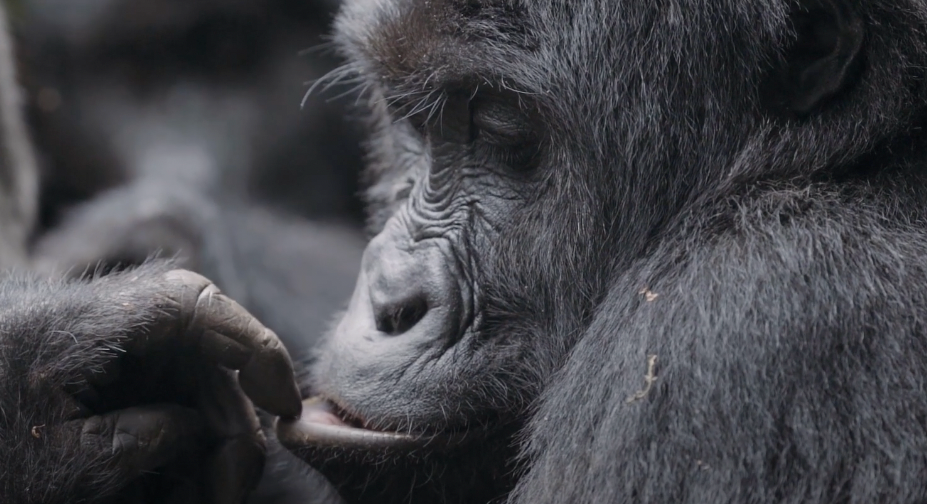
Understanding how gorilla families react to and reorganize after the death of a silverback reveals the emotional intelligence and adaptive resilience of these remarkable animals. It also provides vital insight for conservationists, trackers and trekkers who witness these transitions during gorilla tourism in Uganda and Rwanda.
The Central Role of a Silverback in Gorilla Society
To understand the impact of his death, one must first appreciate the magnitude of the silverback’s role. He is not merely the strongest male, he is the emotional and organizational core of the group.
He provides protection, stability, decision-making, conflict management, and cohesion. Every member looks to him for leadership. His death creates a vacuum that the family must quickly adapt to in order to survive.
Because gorillas rely on unity, any disruption to leadership can reshape the entire group.
Immediate Reactions: Confusion, Distress, and Emotional Silence
Gorillas are emotionally complex beings. When a silverback dies, the family often responds with visible grief-like behaviours.
The first moments after death often involve:
- quiet clustering around the body
- prolonged observation
- touching or sniffing the deceased
- vocal silence except for soft grunts
- infants clinging to mothers
- adult females remaining still and alert
This period may last hours. Rangers have documented mothers grooming the deceased silverback’s fur, juveniles tapping or nudging the body, and the group sitting in a protective circle.
These reactions demonstrate deep emotional awareness.
The Fear of Vulnerability: A Family Suddenly Without Protection
A silverback is the family’s main defender. Without him, the family becomes vulnerable to:
- rival silverbacks
- roaming solitary males
- predators such as leopards (rare but possible)
- resource competition
- instability within the group itself
This vulnerability produces heightened alertness. Females stay closer to juveniles. The group moves cautiously. The forest seems louder, more intimidating, and more uncertain.
The family’s priority becomes finding safety.
How Leadership Succession Happens
What happens next depends on the family structure. Leadership succession follows predictable patterns rooted in gorilla social evolution.
1. If the family has a subordinate silverback
This is the most stable scenario. A younger or secondary silverback steps into the leadership role.
He may:
- assume position immediately
- take time to adjust
- strengthen bonds with females
- protect the group against rivals
This succession is smooth and minimizes conflict.
2. If the family has a blackback transitioning to silverback
A strong blackback (younger male) may attempt to lead. But because he is not yet fully silver, adult females may doubt his strength. This can lead to:
- temporary instability
- challenges from outside males
- possible group splits
- slower development of leadership authority
However, many blackbacks eventually mature into stable leaders.
3. If the family has no adult male
This is the most unstable situation and can lead to:
- group fission (splitting)
- females transferring to other groups
- takeover by a powerful outsider silverback
Males from neighboring families may attempt takeovers, a natural but emotionally intense process.
The Threat of Takeover: Why Outsider Males Try to Seize the Family
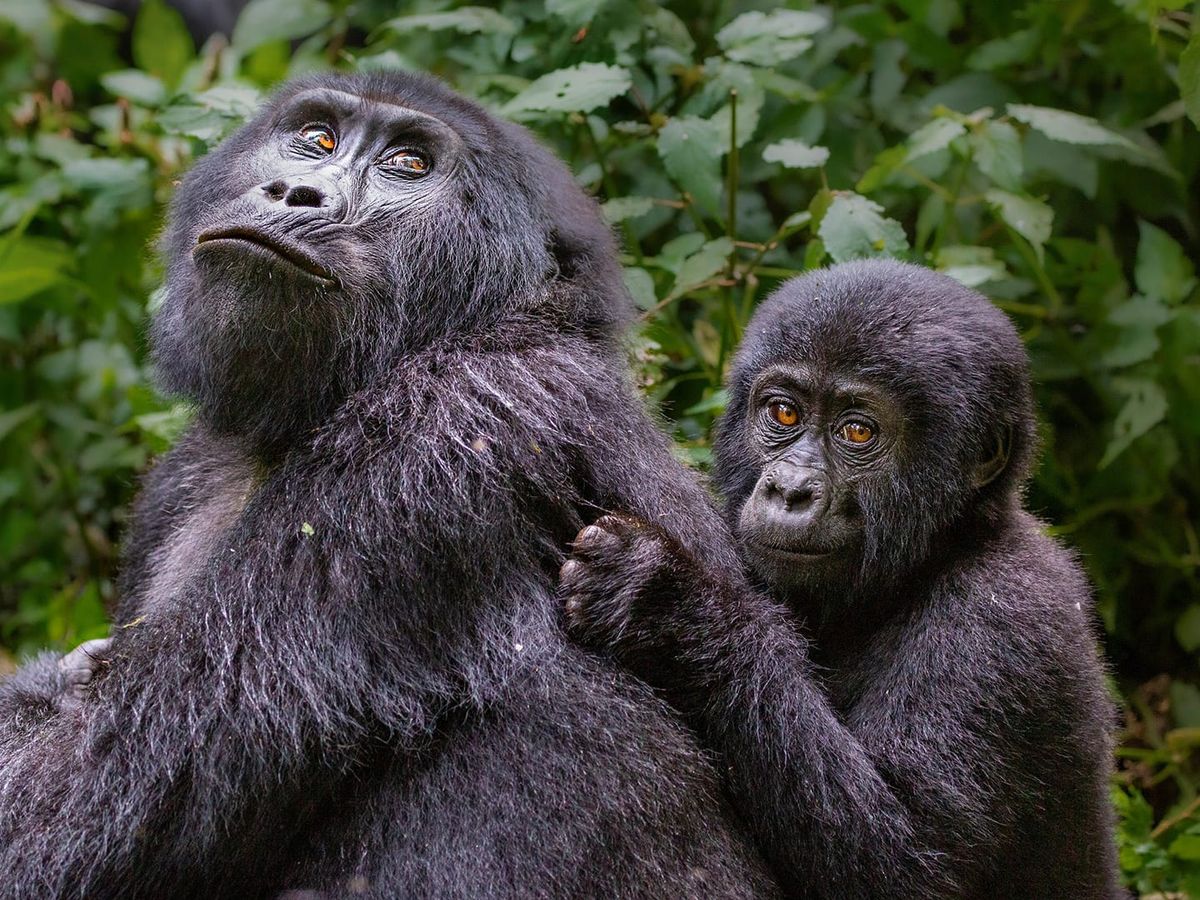
When a silverback dies, nearby males may sense the opportunity. A lone male or a silverback from another group may:
- approach the family
- challenge any remaining males
- attempt to claim females
- try to bring the group under his control
The reason is evolutionary:
Takeovers allow males to spread their genes by gaining access to new females.
But takeovers come with risk to infants.
Infanticide: The Darkest Consequence of a Silverback’s Death
One of the most painful realities of gorilla society is the risk of infanticide during a takeover. A new silverback sometimes kills infants fathered by the previous leader to bring females back into reproductive cycles.
This does not always happen, many takeovers occur with no infanticide, but the risk is real, especially when the new male is unrelated to the infants.
Female gorillas respond by:
- hiding infants
- clustering around other females
- attempting to flee
- seeking refuge with known males
- joining other families
This threat influences how females decide their next steps.
How Females React: Choosing Safety Over Loyalty
Females are not bound to stay in a group without protection. They act strategically for their own survival and the safety of their infants.
After a silverback dies, females may:
Remain in the group
If a strong subordinate male exists, females feel secure and remain.
Transfer to another group
Females may follow or join a neighbouring silverback known for strength or gentle leadership.
Split into subgroups
Some females stay, others leave; this leads to family fragmentation.
Travel alone temporarily
This is rare but occurs when a female seeks protection for her infant but cannot immediately find a stable group.
The choices they make shape the future of the entire family.
How Blackbacks React: Pressure, Confusion, and Intense Growth
Blackbacks, younger males aged 8 to 12, experience a massive psychological shift when the silverback dies.
Some blackbacks step forward:
- becoming more dominant
- positioning themselves as protectors
- acting bolder
- showing early signs of leadership
Others become stressed:
- avoiding confrontation
- staying on the periphery
- leaving the group to become solitary
The outcome depends on the blackback’s strength, personality and relationship with adult females.
The Reaction of Juveniles: Anxiety, Closeness, and Emotional Need
Juveniles are deeply affected by the death of a silverback. They often:
- stay closer to their mothers
- reduce playtime
- become quieter
- watch adult behaviour carefully
- rely on older siblings
Their emotional world becomes fragile. Silverbacks frequently groomed or tolerated their play; losing that presence changes social comfort.
Juveniles adapt gradually, regaining confidence as new leadership stabilizes.
The Reaction of Infants: Confusion and Increased Clinging
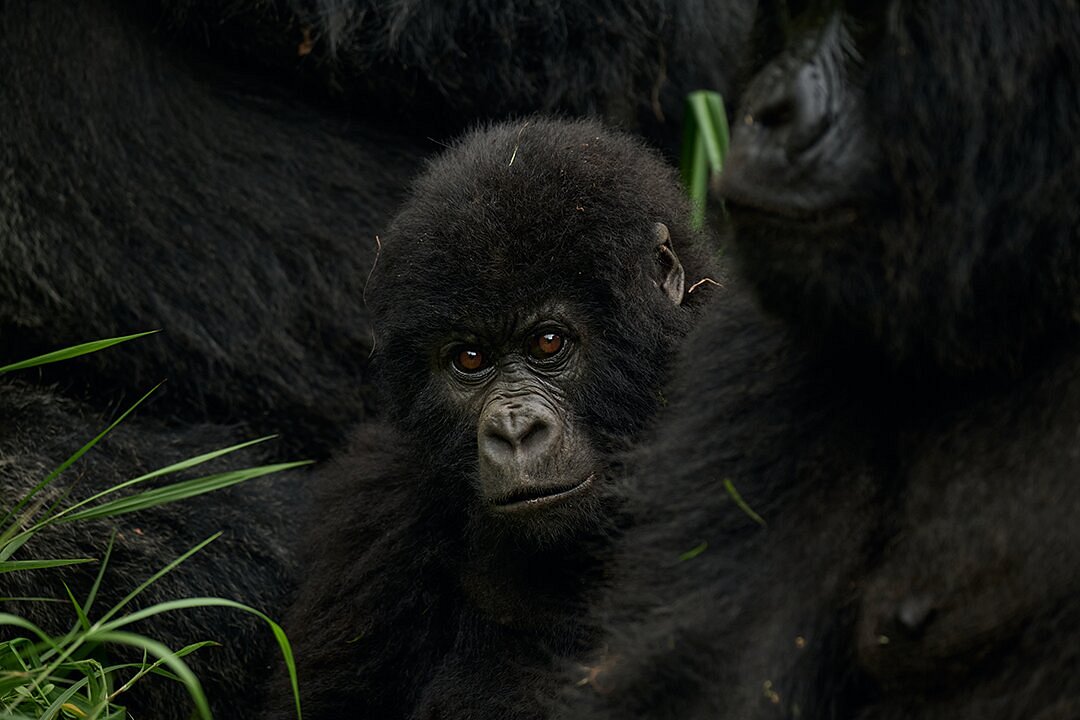
Infants may not understand death, but they sense emotional disturbance.
They cling more tightly, nurse more frequently, and cry when mothers shift position. Their survival depends on protection and any group instability increases maternal vigilance.
Infants experience the greatest risk during takeovers, making maternal choices critical.
The Group Movement Changes Immediately
When a silverback dies, the family’s movement patterns change dramatically:
- the group becomes slower and more tightly packed
- they avoid ridgelines and open areas
- they stay in thicker cover
- they travel shorter distances
- they rely heavily on mothers’ vocal reassurances
Movement only returns to normal once new leadership establishes confidence.
Emotional Stress Responses in Gorilla Families
Gorillas exhibit emotional stress in several ways:
- reduced grooming
- decreased play behaviour
- disrupted feeding routines
- increased vigilance
- more vocal reassurance calls
- less resting time
Grooming rituals eventually return, serving as a key emotional healing behaviour.
How Long Does Reorganization Take?
Stability returns at different rates depending on conditions.
Immediate stability (within days)
Occurs if a strong subordinate silverback takes over.
Gradual stabilization (weeks to months)
If a blackback matures into leadership.
Long-term disruption (months to years)
Occurs if the family splits or faces repeated takeover attempts.
Every gorilla family has its own rhythm of healing and adaptation.
Full Family Collapse: When Groups Completely Disband
In some rare cases, when no competent male is present and threats are high, the group may disappear altogether.
In such situations:
- females join various groups independently
- juveniles may follow trusted adult females
- blackbacks may disperse
- the old family identity disappears
This is part of natural gorilla evolution, though conservationists monitor such events closely.
The Formation of New Families
A silverback’s death sometimes leads to new families forming.
For example:
- a strong blackback leaves with a few females
- a female leads a small subunit until finding a male
- an outsider silverback creates a new family with departed females
- juveniles mature into leaders of new groups
New family formation strengthens the genetic diversity of the population.
How Rangers and Researchers Respond to Silverback Deaths
In protected parks like Bwindi Impenetrable National Park and Volcanoes National Park, conservation teams carefully monitor families.
When a silverback dies, researchers:
- track family movement
- record behavioural changes
- assess risks of takeover
- monitor females with infants
- check for signs of stress
- ensure habituation levels remain safe
They do not intervene unless necessary but ensure tourism remains safe and ethical.
What Trekkers Witness During These Transitions
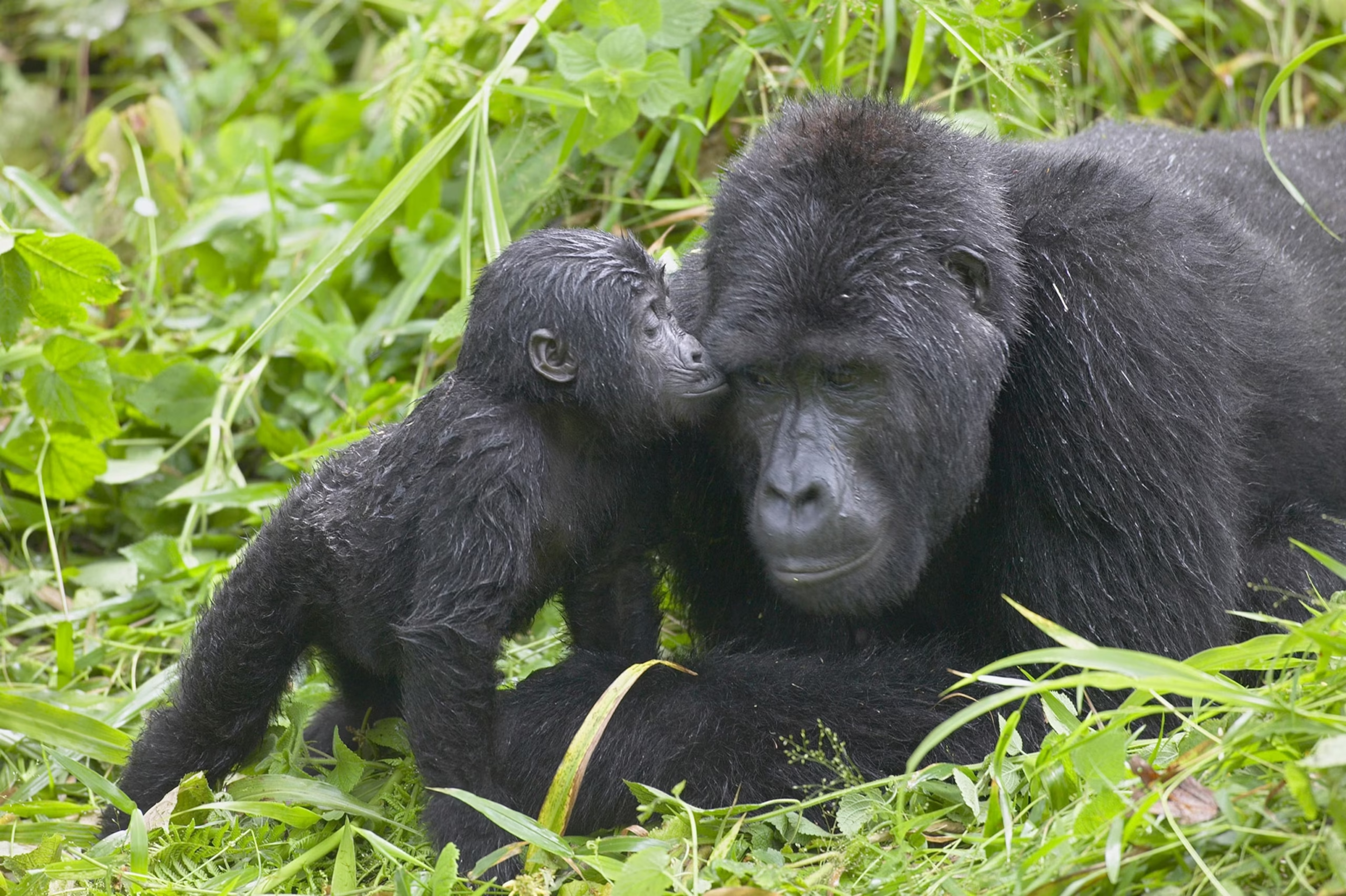
Visitors may observe:
- quiet, tense group behaviour
- minimal play
- close clustering
- increased silverback displays from suitors
- emotional bonding sessions
- mothers holding infants more closely
- blackbacks showing new dominance behaviours
Trekking becomes especially meaningful during this period because it shows the deep emotional and social complexity of gorillas. Learn more about how gorillas react near people
The Role of the New Silverback: Rebuilding Trust and Stability
Once a new leader emerges, whether from within or from outside, the family begins to heal.
A successful new silverback must:
- protect the group
- re-establish daily routines
- gain female trust
- coordinate movement
- deter rivals
- groom infants occasionally
- suppress internal aggression
His first weeks are critical. Families often watch him closely, deciding whether to stay or leave.
A strong, patient, and calm new silverback creates the foundation for long-term stability.
Scientific Insights from Silverback Deaths
Researchers have discovered that:
- gorilla societies are far more resilient than once believed
- females make highly strategic decisions
- blackbacks adapt rapidly under pressure
- gorillas experience emotional reactions comparable to grief
- social bonds help families recover
- leadership is more flexible than expected
- family fission is natural and sometimes beneficial
Studying these events reveals the evolutionary intelligence of gorillas.
Frequently Asked Questions
Do gorilla families always stay together after a silverback dies?
No. Some stay together, others split, depending on available males.
Can a female lead the group?
Not long-term. Leadership requires protection, which females cannot physically provide against males.
Do rival males always kill infants?
No. Many takeovers occur peacefully, especially if infants are older.
How long until the group stabilizes?
From a few days to several months, depending on male availability.
Do gorillas grieve?
Yes, they show clear signs of emotional distress and mourning-like behaviour.
Final Thoughts – The Resilience and Heart of Gorilla Families
The death of a silverback is one of the most defining moments a gorilla family will ever face. It tests their social intelligence, emotional bonds, adaptability, and instinct for survival. Families may grieve, reorganize, split, or transform, but they do not collapse into chaos. They adapt with remarkable cohesion.
Mountain gorillas show us that leadership, loyalty and love shape the structure of their lives. When a silverback dies, the forest shifts, the group changes, but the gorillas endure rebuilding new paths, new alliances and new futures in the mist-shrouded mountains they call home.
This resilience is a powerful reminder of the emotional depth and social sophistication of our closest wild relatives.