
How to Choose Between Uganda and Rwanda for Gorilla Trekking
Choosing between Uganda and Rwanda for gorilla trekking is one of the most important decisions travelers face when planning a once-in-a-lifetime encounter with mountain gorillas. Both countries offer exceptional conservation success stories, professionally managed trekking experiences and unforgettable moments in the presence of one of the world’s rarest primates. However, the experience, cost, trekking style, landscape, logistics and overall value differ in meaningful ways.
How to Choose Between Uganda and Rwanda for Gorilla Trekking

Gorilla Trekking in Uganda
Uganda offers a deeper, more flexible gorilla trekking experience, with nearly half of the world’s remaining mountain gorillas living in Bwindi Impenetrable Forest. Travelers benefit from multiple trekking sectors, varied terrain, and a strong sense of immersion in ancient rainforest.
Uganda is ideal for travelers who value choice, longer itineraries, better overall value, and the option to extend their journey with classic wildlife safaris or cultural experiences.
Gorilla Trekking in Rwanda
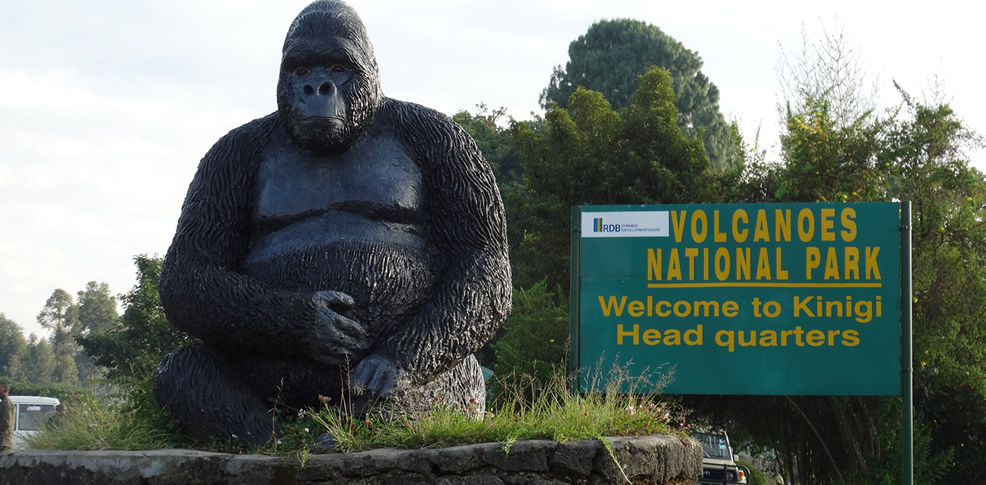
Rwanda delivers the most refined and time-efficient gorilla trekking experience in Africa. Volcanoes National Park is just a short drive from Kigali, making it possible to enjoy a luxury gorilla trek within a compact travel schedule.
Rwanda is best suited for travelers seeking short, high-end trips, polished logistics, elite ranger professionalism, and world-class luxury lodges with minimal travel time.
This in-depth guide is designed to help you make an informed decision based on your travel style, budget, physical comfort, time available, and expectations, whether you are planning a luxury safari, honeymoon, private expedition, or first-time gorilla trek.
Understanding Gorilla Trekking in East Africa
Mountain gorillas live only in the Virunga Conservation Area and Bwindi Impenetrable Forest, spanning Uganda, Rwanda, and the Democratic Republic of Congo. Uganda and Rwanda are the two most popular and stable destinations for international travelers, each offering a highly regulated and conservation-focused gorilla trekking program.
In both countries, gorilla trekking involves hiking through rainforest terrain with experienced rangers to locate a habituated gorilla family, followed by a strictly regulated encounter designed to protect the gorillas while providing visitors with a profound wildlife experience.
Gorilla Trekking in Uganda: Depth, Diversity, and Value
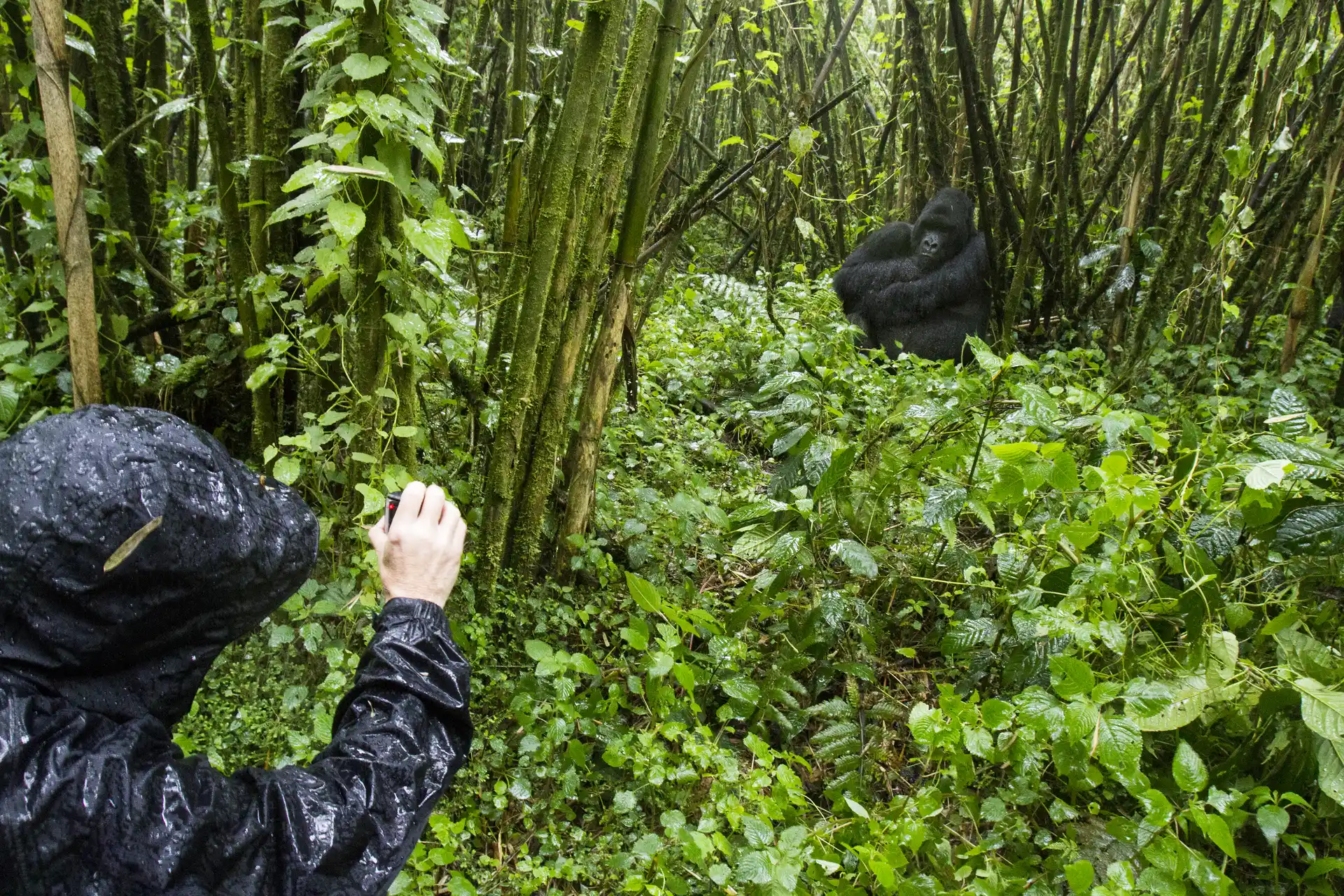
Bwindi Impenetrable National Park is the heart of gorilla trekking in Uganda and one of Africa’s most biologically diverse rainforests. Uganda is home to nearly half of the world’s remaining mountain gorillas, making it the country with the largest number of habituated gorilla families available for trekking.
Uganda’s strength lies in choice and flexibility. Bwindi Impenetrable National Park alone is divided into multiple trekking sectors, each with its own terrain, gorilla families and lodge options. This allows travelers to tailor their experience more precisely based on fitness level, photography interests, privacy preferences, and accommodation style.
Another defining advantage of Uganda is the Gorilla Habituation Experience, a unique program that allows guests to spend up to four hours with gorillas instead of the standard one hour. This immersive experience is only available in Uganda and appeals strongly to photographers, conservation enthusiasts, and experienced safari travelers seeking depth rather than speed.
From a cost perspective, Uganda offers exceptional value. Gorilla permits are significantly more affordable than Rwanda’s, which means travelers can invest more in luxury accommodation, private guides, fly-in transfers, or extended safari combinations without compromising the quality of the gorilla encounter.
Uganda also integrates gorilla trekking seamlessly into longer safaris. Travelers can easily combine gorilla trekking with classic wildlife experiences in Queen Elizabeth National Park, Murchison Falls National Park, Kibale Forest for chimpanzee trekking, or even cultural and scenic extensions. This makes Uganda ideal for travelers who want a multi-day, multi-experience safari rather than a short standalone trip.
Gorilla Trekking in Rwanda: Efficiency, Refinement, and Luxury
Volcanoes National Park represents the most polished and time-efficient gorilla trekking destination in Africa. Rwanda has positioned itself as a premium gorilla trekking destination, with a strong focus on high-end tourism, streamlined logistics, and world-class infrastructure.
One of Rwanda’s biggest advantages is proximity. Volcanoes National Park is only about 2.5 hours by road from Kigali International Airport, allowing travelers to arrive, trek gorillas, and depart within a very short timeframe. This efficiency makes Rwanda particularly attractive to travelers with limited time, business travelers adding a wildlife extension, or luxury clients who prefer minimal travel fatigue.
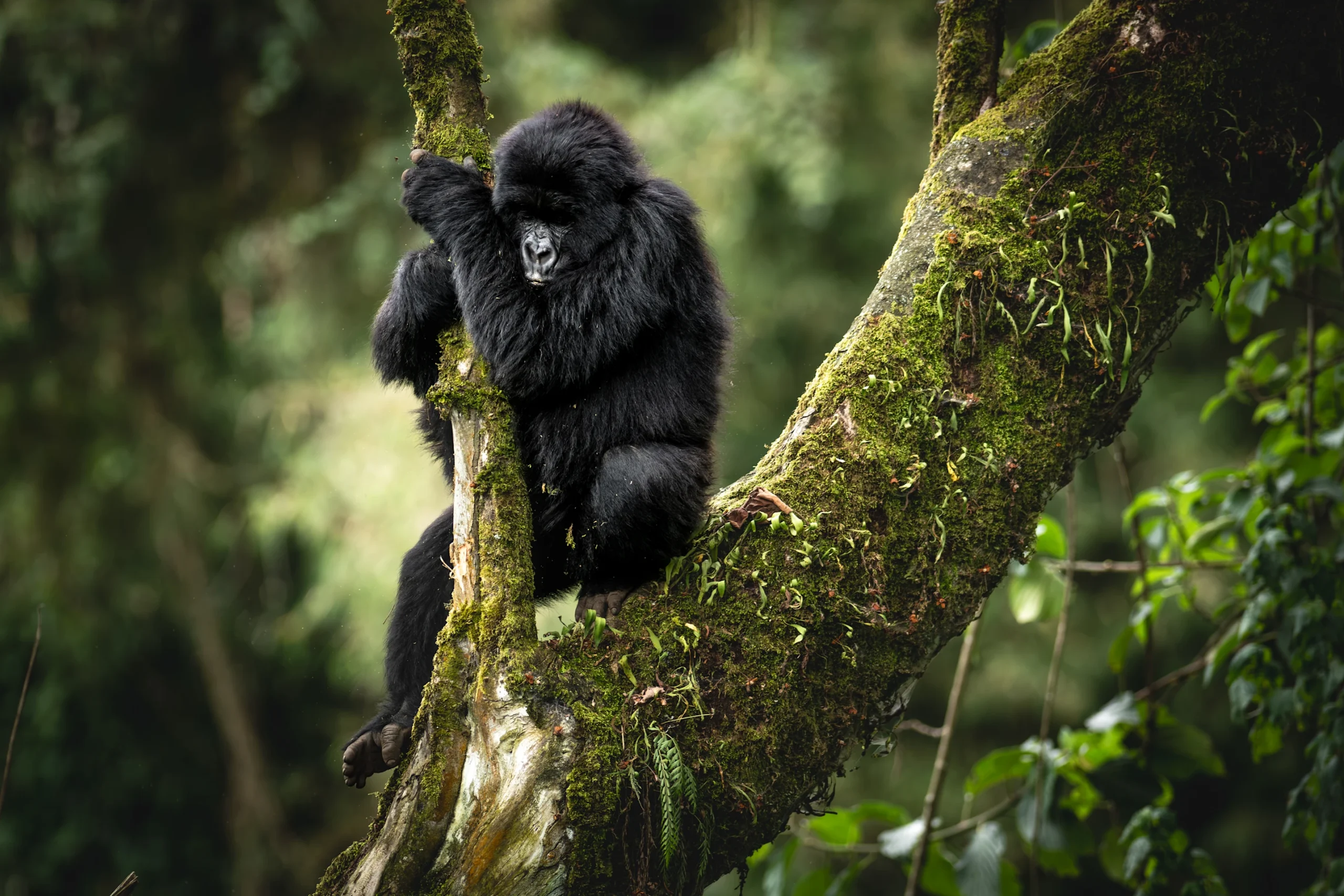
Rwanda is also known for its elite ranger professionalism and highly organized trekking operations. The experience feels refined and structured, from the pre-trek briefing to the return to your lodge. Combined with Rwanda’s outstanding luxury lodges, this creates a seamless and sophisticated experience.
However, Rwanda’s premium positioning comes with a higher cost. Gorilla permits are among the most expensive in Africa, which often makes Rwanda better suited for short, high-end trips rather than extended safaris. Many travelers choose Rwanda when they want the most efficient and luxurious gorilla encounter possible, even if it means a higher overall budget.
Cost Comparison: Uganda vs Rwanda
Cost is often the deciding factor when choosing between Uganda and Rwanda for gorilla trekking.
Uganda offers a more balanced cost-to-experience ratio. With lower permit fees, travelers can enjoy longer stays, upgrade to luxury lodges, or add private guides and fly-in transfers while keeping the overall trip cost reasonable. This makes Uganda particularly attractive for families, honeymooners planning longer trips, and travelers seeking value without sacrificing quality.
Rwanda, on the other hand, targets a premium market. Higher permit costs are offset by efficiency, exclusivity, and luxury positioning. Travelers choosing Rwanda are often prioritizing time, comfort, and prestige over trip length or budget flexibility.
Trekking Difficulty and Physical Considerations
Both Uganda and Rwanda involve hiking through forested terrain, but the nature of the trek can feel different.
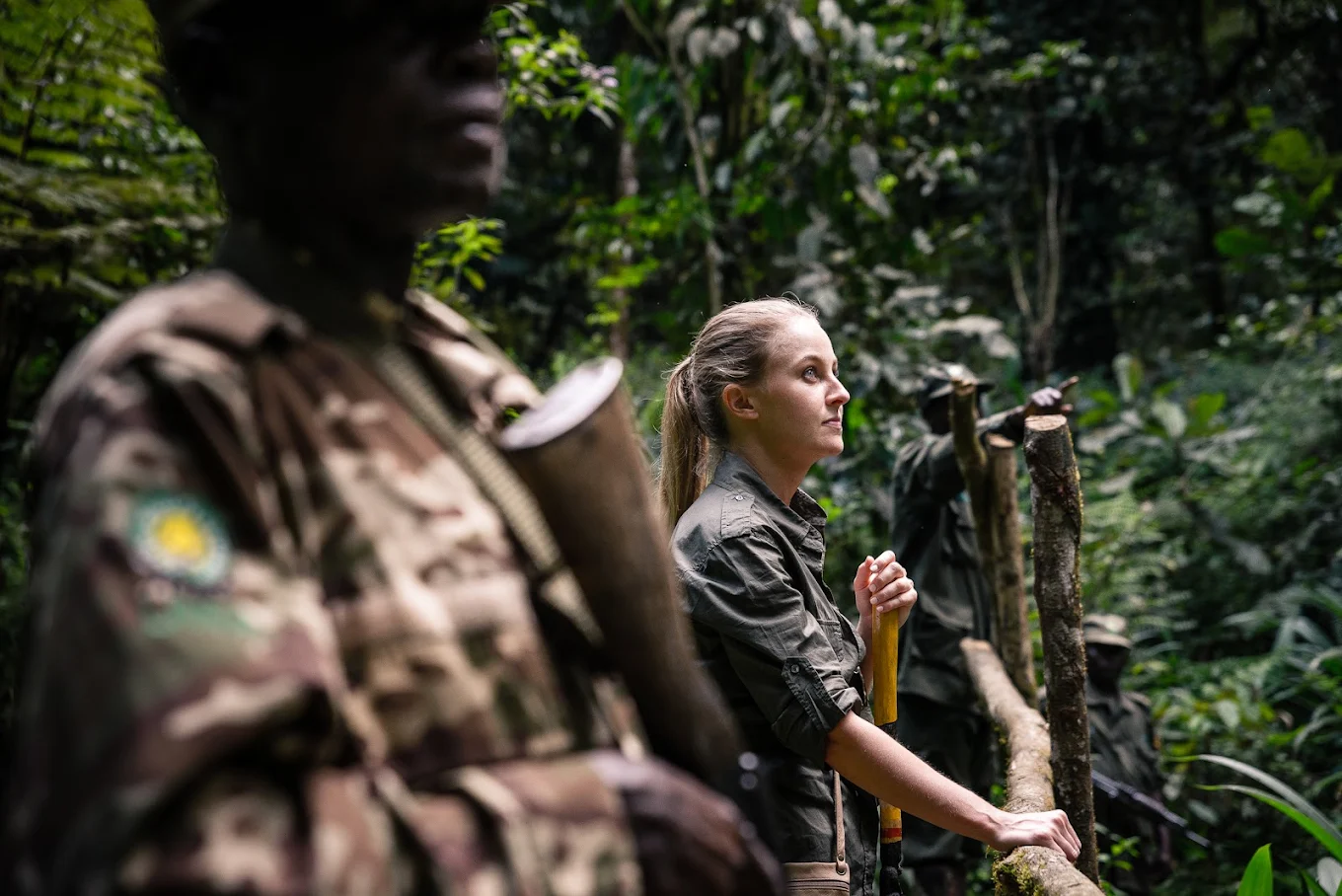
Uganda’s Bwindi Impenetrable Forest is ancient and dense, with varying terrain depending on the sector. Some treks may be steeper or longer, while others are relatively gentle. The advantage of Uganda is choice—with many gorilla families available, it is easier to match travelers to a trek that suits their fitness level, especially when planned with an experienced operator.
Rwanda’s Volcanoes National Park generally features shorter, more predictable treks, though altitude can still be a factor. The organized structure and shorter transfer times make Rwanda appealing to travelers who want a smoother physical experience, particularly when combined with porter support and VIP planning.
Both destinations are suitable for older travelers or those with moderate fitness, provided the trek is well planned and supported.
Privacy, Exclusivity, and Crowd Experience
Uganda’s larger number of gorilla families allows for greater dispersion of visitors, which often results in a quieter, more intimate experience—especially when trekking in less crowded sectors or opting for private or VIP arrangements.
Rwanda limits the number of permits per day very strictly, which ensures crowd control, but the popularity of Volcanoes National Park means demand is consistently high. The experience is exclusive, but more structured and standardized.
For travelers seeking maximum privacy and flexibility, Uganda often provides more options. For travelers seeking polished exclusivity with minimal variability, Rwanda delivers a consistently refined experience.
Accommodation Styles and Safari Atmosphere
Accommodation plays a major role in the overall gorilla trekking experience.

Uganda offers a wide spectrum of lodges, from authentic forest retreats to ultra-luxury properties perched on ridges overlooking Bwindi. Many lodges are deeply immersed in nature, offering a raw, atmospheric connection to the forest.
Rwanda’s lodges are among the most luxurious in Africa, emphasizing design, service, and exclusivity. The experience feels closer to a luxury resort with a wildlife focus, ideal for travelers who prioritize comfort, wellness, and aesthetics.
Photography and Wildlife Experience
For photographers and wildlife enthusiasts, both destinations offer outstanding opportunities, but the style of experience differs.
Uganda’s varied terrain and extended experiences, especially the Gorilla Habituation Experience, allow for prolonged observation and a wider range of photographic moments. The forest environment can be more challenging but also more rewarding.
Rwanda offers cleaner sightlines, more controlled encounters, and consistent lighting conditions, which many photographers appreciate, especially on shorter trips.
Which Destination Is Right for You?
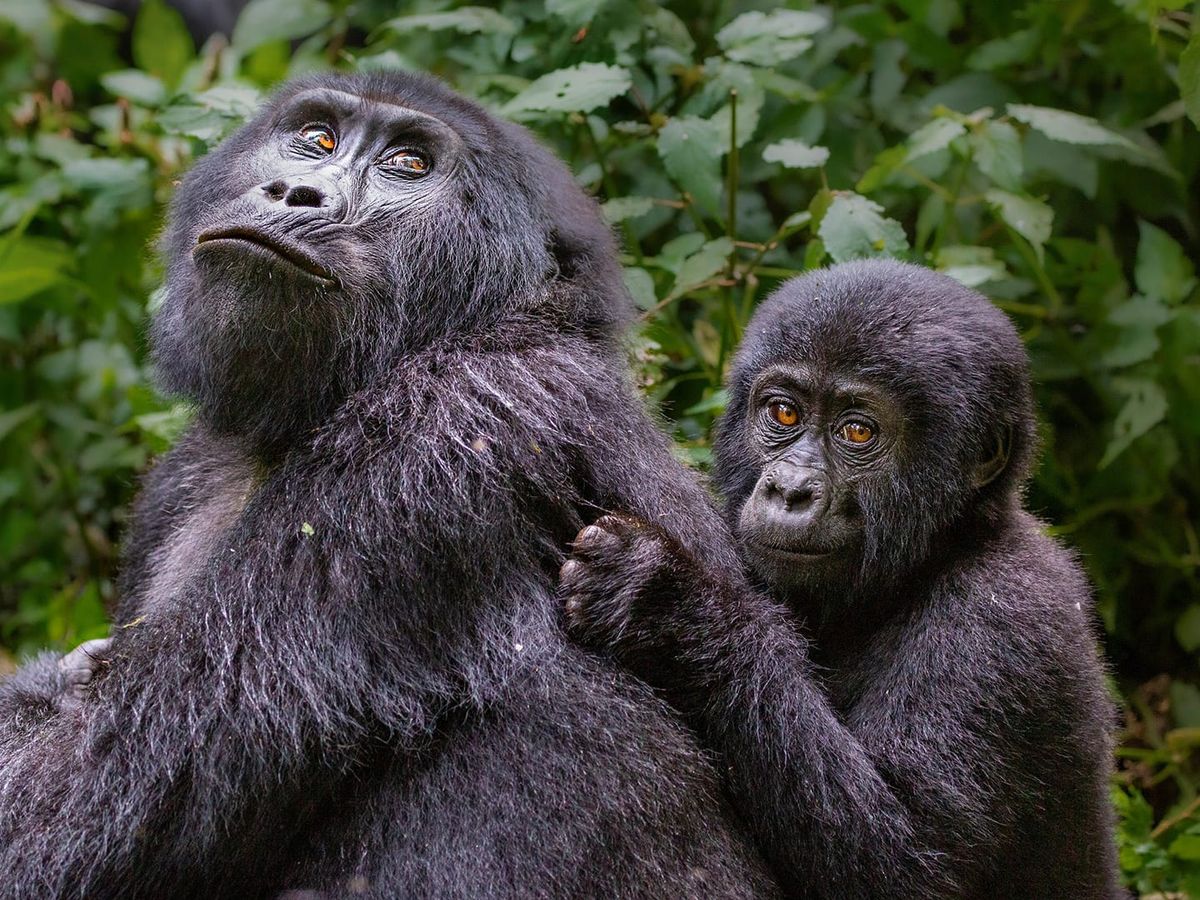
Uganda is ideal if you want:
A deeper, more flexible gorilla trekking experience
Better overall value and longer stays
The option of Gorilla Habituation
A multi-destination safari combining wildlife and culture
Rwanda is ideal if you want:
A short, efficient luxury trip
Minimal travel time
Highly polished logistics
An ultra-premium lodge experience
Final Thoughts: Uganda or Rwanda?
There is no single “better” destination for gorilla trekking—only the destination that best matches your expectations, time, and travel style.
Uganda offers depth, diversity, and value, making it perfect for travelers who want a rich, immersive journey. Rwanda offers refinement, efficiency, and luxury, ideal for travelers seeking a seamless, high-end experience in a short timeframe.
With expert planning, both destinations deliver one of the most powerful wildlife encounters on Earth.