
Best Time to Visit Akagera National Park – Complete Safari Timing Guide
The Best Time to Visit Akagera is one of the most important considerations when planning an unforgettable safari experience in Rwanda’s only savannah national park. Located in eastern Rwanda, Akagera National Park offers exceptional year-round wildlife viewing, but seasonal variations significantly influence animal movement, vegetation density, landscape beauty, and overall safari accessibility.
Understanding the Best Time to Visit Akagera National Park allows travelers to plan more rewarding game drives, increase wildlife sighting opportunities, and experience the park at its most visually stunning. Whether you are interested in Big Five safaris, birdwatching, or boat safaris on Lake Ihema, timing plays a crucial role in shaping the quality of your experience.
Each season in Akagera National Park delivers a different safari atmosphere. The dry season offers clearer visibility and concentrated wildlife activity, while the wet season transforms the park into a lush green paradise filled with dramatic scenery and vibrant birdlife. This seasonal contrast ensures that the Best Time to Visit Akagera can vary depending on your travel preferences and safari goals.
Dry Season – Best Time to Visit Akagera for Wildlife Viewing
The dry season is widely regarded as the Best Time to Visit Akagera for classic African safari experiences. This period typically occurs from June to September and again from December to February, offering ideal conditions for game drives, wildlife photography, and Big Five sightings.
During the dry season, vegetation within Akagera National Park becomes shorter and less dense, significantly improving visibility across open savannah plains. This makes it easier to spot wildlife from a distance and track animal movements across the landscape.
One of the most important advantages of visiting during the dry season is the concentration of wildlife around permanent water sources. As natural water availability decreases, animals gather near lakes, rivers, and wetlands, creating high-density wildlife zones that are ideal for game viewing. This significantly increases the chances of seeing predators and large herbivores in action.
The dry season is especially considered the Best Time to Visit Akagera National Park for Big Five safaris, as lions, elephants, buffaloes, and other key species are more easily observed during cooler hours of the day. Early morning game drives often reveal predators returning from nighttime hunting, while late afternoon drives showcase herbivores grazing in open plains under golden light.
Another major advantage of the dry season is improved road accessibility within Akagera National Park. Safari tracks are drier and easier to navigate, allowing smoother travel between wildlife zones and better access to remote parts of the park. This enhances the overall safari experience by maximizing time spent in wildlife-rich areas rather than navigating difficult terrain.
Photographers also consider the dry season the Best Time to Visit Akagera, as clearer skies, softer lighting, and concentrated wildlife activity create ideal conditions for capturing dramatic safari images.
Wet Season – A Scenic Alternative for Akagera Safaris
Although the dry season is widely considered the Best Time to Visit Akagera, the wet season (March to May and October to November) offers a completely different but equally rewarding safari experience in Akagera National Park. This period transforms the park into a vibrant, green, and atmospheric wilderness that appeals strongly to photographers, nature lovers, and travelers seeking a quieter safari environment.
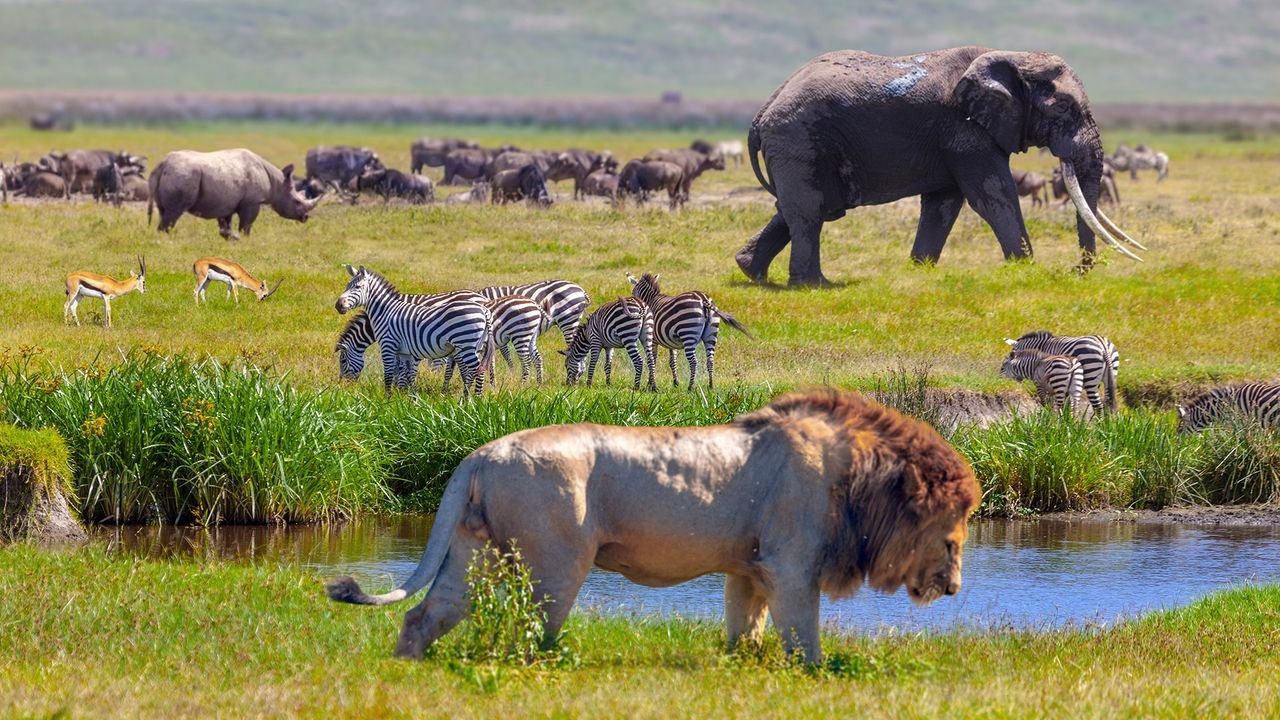
During the wet season, Akagera National Park undergoes a dramatic transformation. The savannah plains become lush and green, trees and shrubs flourish, and wildflowers bloom across the landscape. This seasonal regeneration creates one of the most visually striking environments in Rwanda, making it a unique alternative for those considering the Best Time to Visit Akagera National Park.
The skies during this period are often filled with dramatic cloud formations, shifting light, and occasional rain showers that enhance the overall atmosphere of the park. These conditions create exceptional photography opportunities, especially for landscape photographers looking to capture moody savannah scenes, reflective wetlands, and vibrant vegetation contrasts.
One of the most significant advantages of the wet season is its importance for birdlife. The Best Time to Visit Akagera National Park for birdwatching is often during this period, as migratory bird species arrive in large numbers, joining the already rich resident bird population. Wetlands, lakes, and marshes become highly active, offering spectacular birding opportunities around areas such as Lake Ihema.
During this season, species such as kingfishers, herons, storks, and raptors become more visible, while rare migratory birds add to the diversity. The increased bird activity makes wet season safaris especially rewarding for ornithologists and wildlife photographers seeking rare sightings.
The wet season also enhances the experience of boat safaris on Lake Ihema. Rising water levels and lush shoreline vegetation create a more dramatic and immersive aquatic environment. Hippos are more active in expanded water zones, crocodiles are frequently seen along newly flooded banks, and birdlife reaches peak diversity. This makes it a strong contender for travelers who prioritize water-based wildlife experiences when deciding the Best Time to Visit Akagera.
While terrestrial wildlife such as lions, leopards, and antelopes may be slightly harder to spot due to thicker vegetation, the wet season offers a more natural and less crowded safari environment. Fewer tourists visit during this time, allowing for more private game drives and a quieter connection with nature.
Animals are also more dispersed across the park during the wet season due to abundant water sources, meaning safari drives often feel more exploratory and adventurous. Instead of concentrated wildlife sightings, visitors experience a broader sense of wilderness across the landscape.
Despite the slightly reduced visibility of certain species, the wet season remains an excellent and underrated Best Time to Visit Akagera National Park for travelers who value scenery, solitude, birdlife, and photography over high-density wildlife encounters.
Ultimately, the wet season reveals a different personality of Akagera National Park—one defined by lush beauty, ecological renewal, and peaceful exploration. It complements the dry season perfectly, proving that the Best Time to Visit Akagera truly depends on the type of safari experience a traveler desires.
Best Time to Visit Akagera for Big Five Safaris
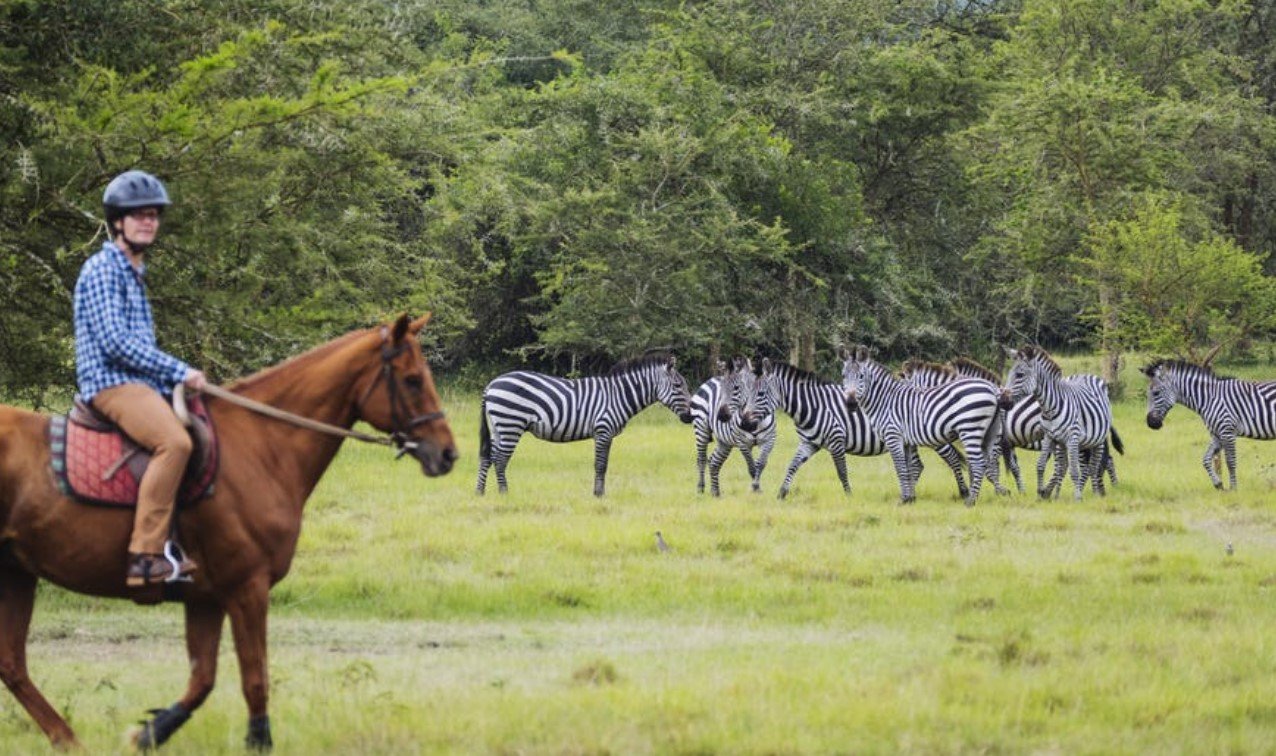
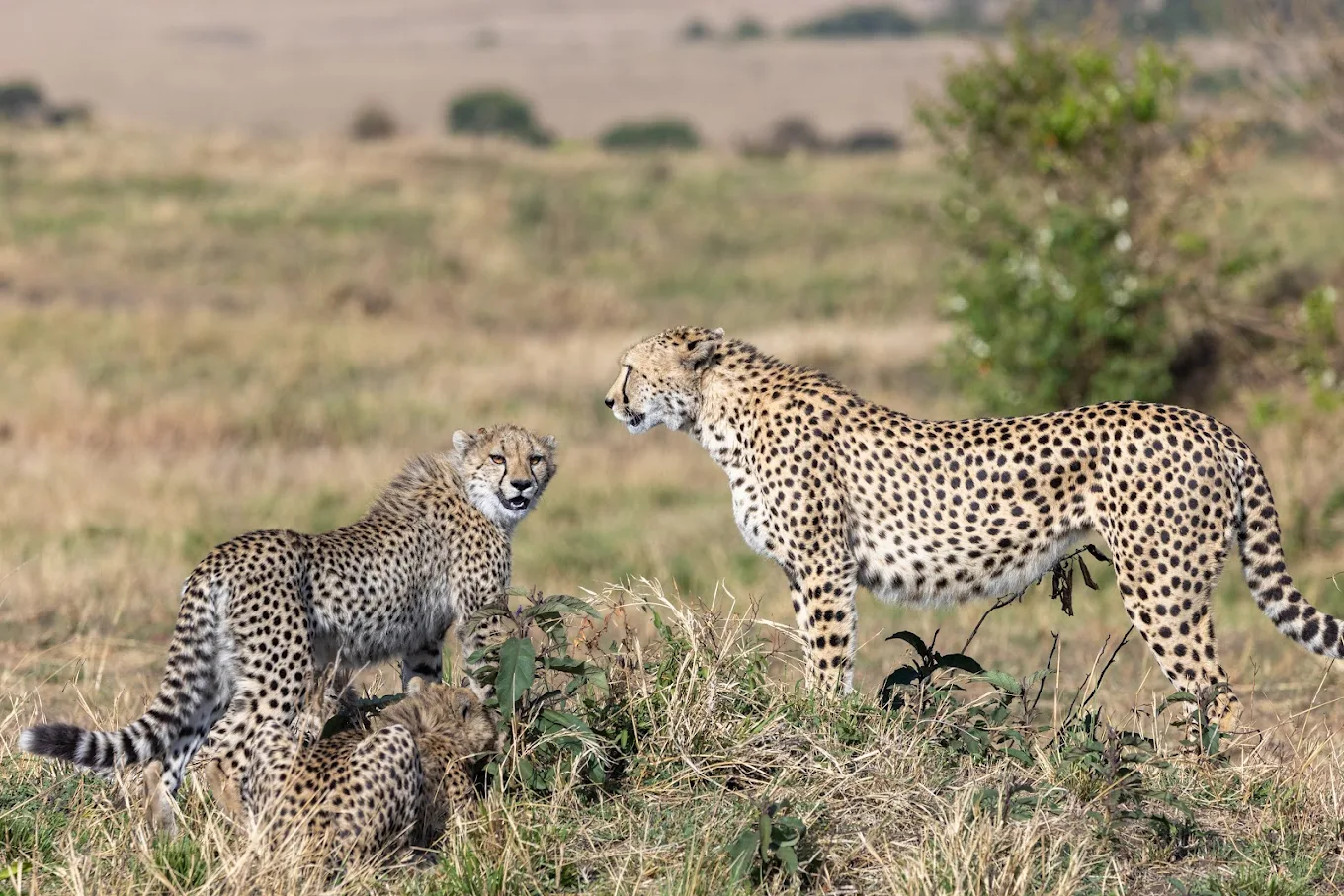
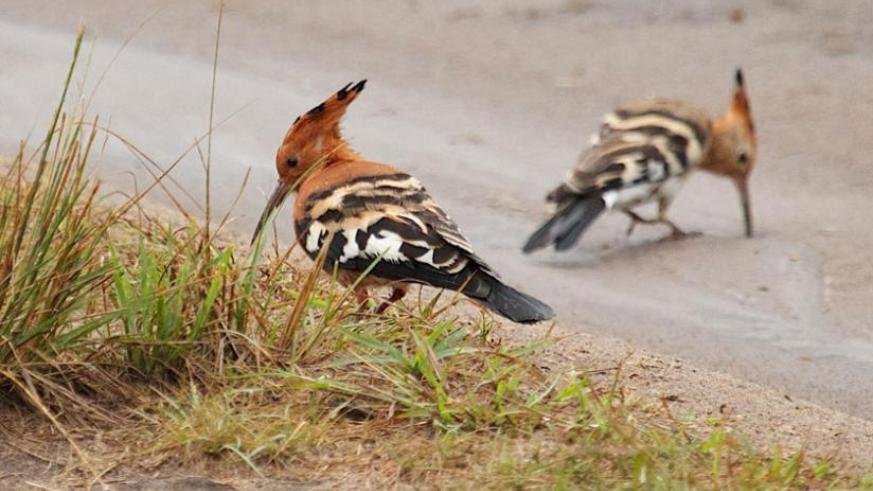
For travelers whose main goal is to experience iconic African wildlife, the Best Time to Visit Akagera for Big Five safaris is during the dry season months, typically from June to September and December to February. During this period, conditions in Akagera National Park are ideal for wildlife visibility, predator tracking, and immersive game drive experiences.
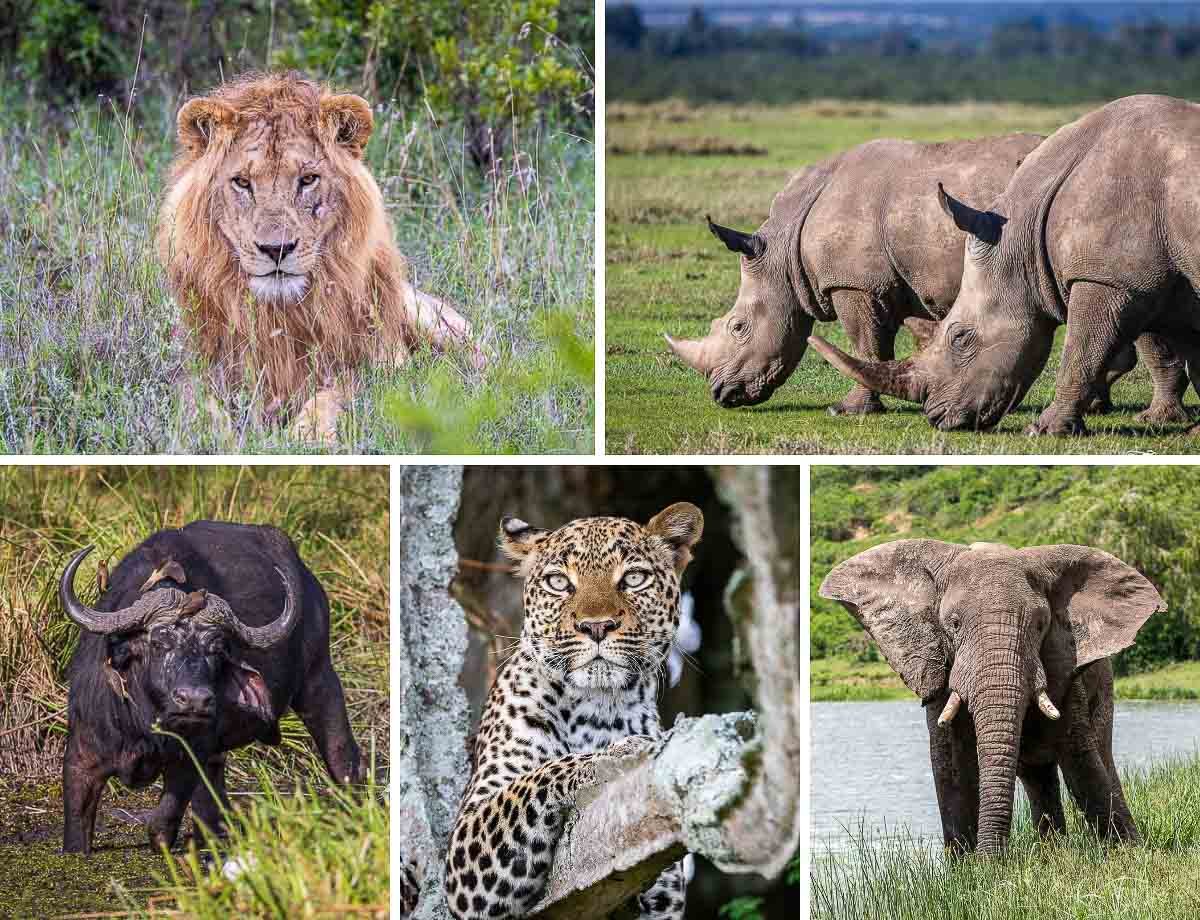
The dry season concentrates wildlife around permanent water sources such as lakes, rivers, and wetlands. This natural movement pattern significantly increases the chances of encountering the Big Five—lions, elephants, leopards, rhinos, and buffaloes—within a single safari itinerary. As vegetation becomes thinner, visibility across the savannah improves, making it easier to track and observe animal behavior in real time.
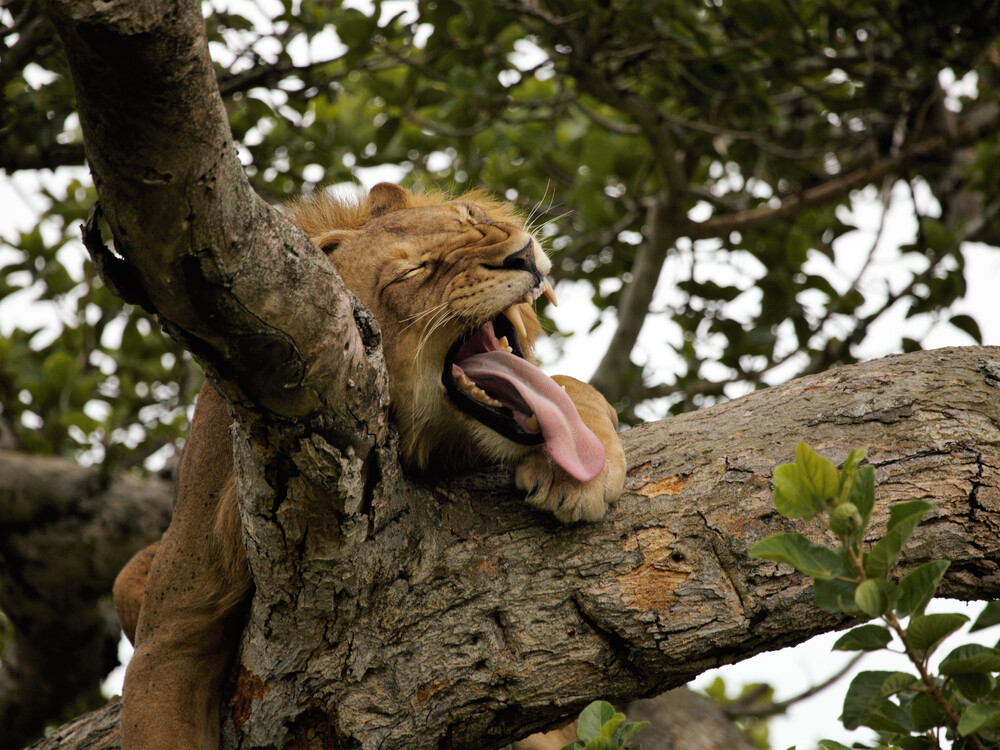
Lions are particularly easier to spot during the Best Time to Visit Akagera National Park for Big Five safaris. They are most active during early mornings and late afternoons when temperatures are cooler. Visitors often witness lions moving across open plains, resting under acacia trees, or interacting within prides after nocturnal hunting activity.
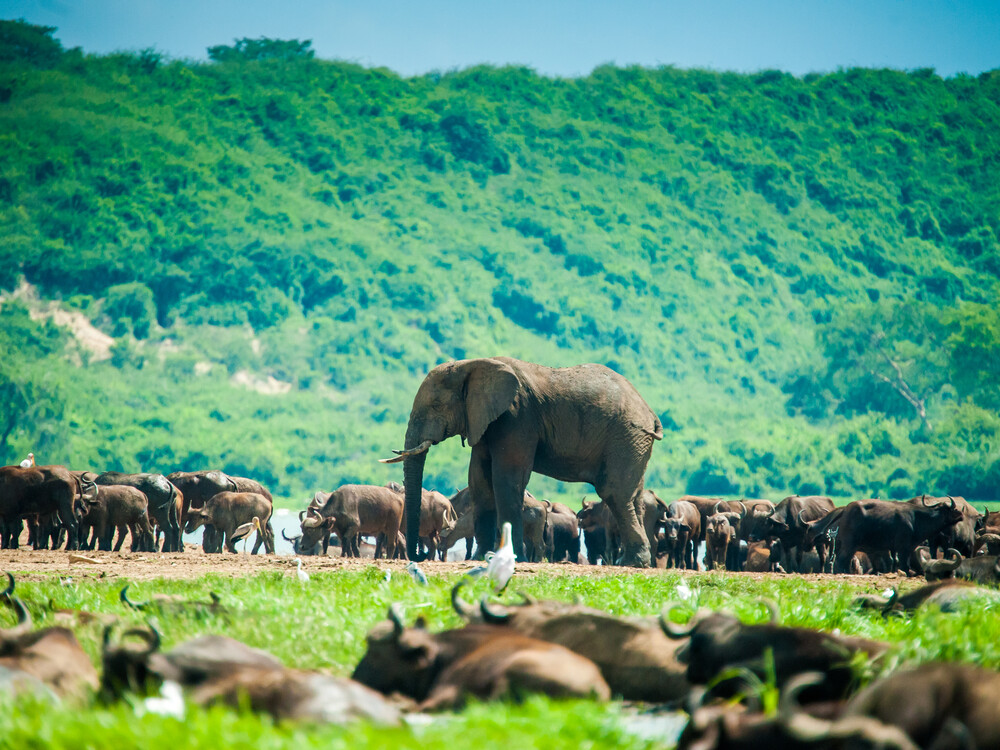
Elephants also become more predictable in their movements during the dry season. Large herds travel between feeding grounds and water sources, creating consistent wildlife sightings during game drives. Their presence near rivers and lakes offers excellent photographic opportunities and close-range observation during Akagera National Park Big Five safaris.
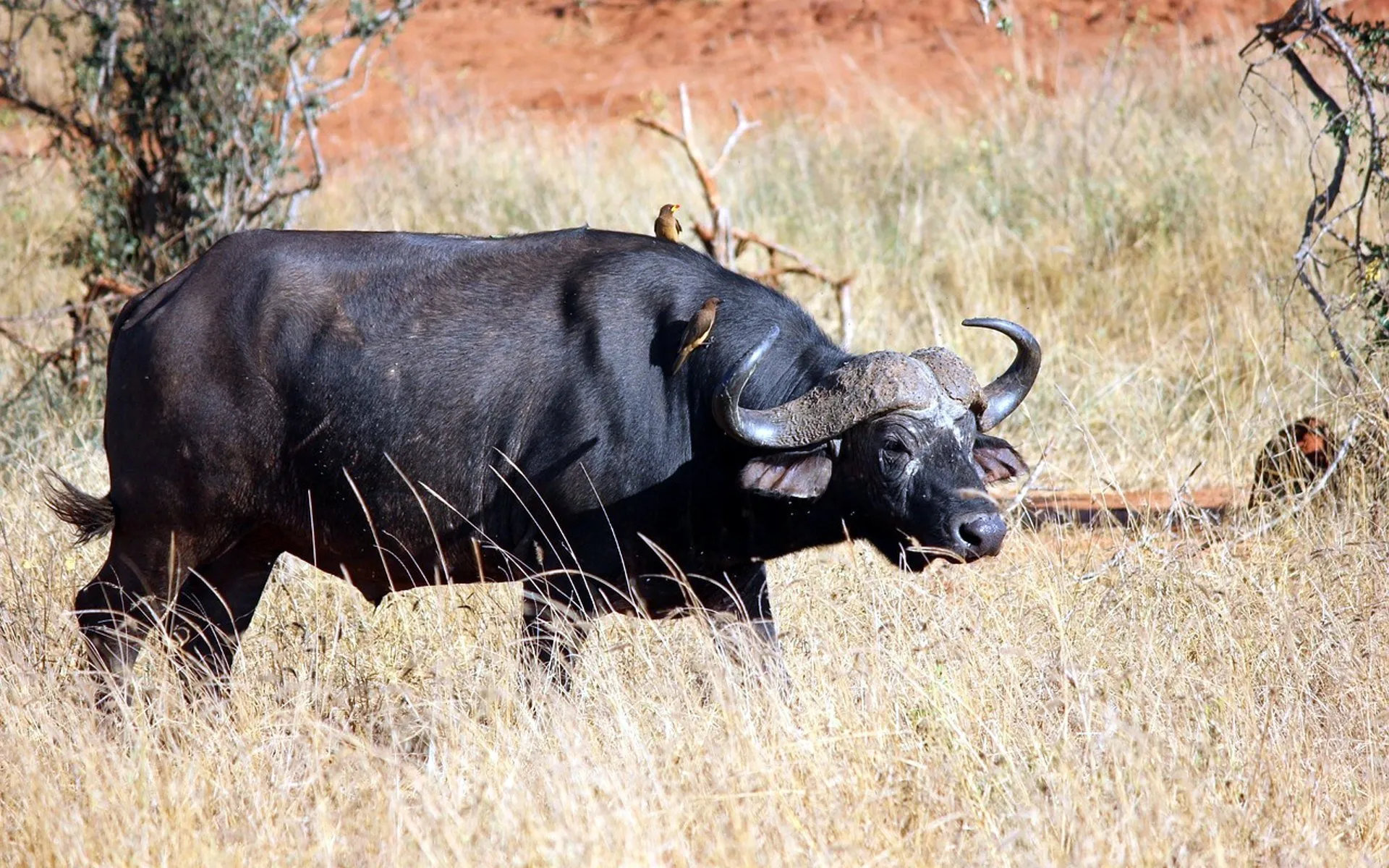
Buffalo herds are another major highlight of the dry season. These large groups gather in open grasslands and near water points, forming some of the most dramatic wildlife scenes in Akagera National Park. Their sheer numbers and movement patterns make them highly visible and easy to track during safari drives.
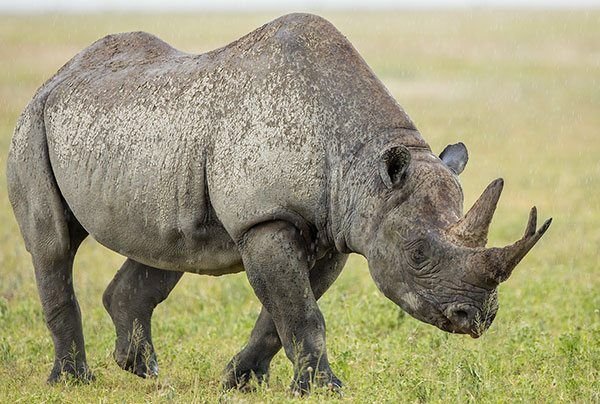
Rhino tracking experiences are also significantly improved during the dry season. With clearer terrain and reduced vegetation, conservation teams and guides can more effectively locate and monitor rhinos, increasing the success rate of sightings during Big Five safaris in Akagera National Park.
Leopards, although naturally elusive, are also easier to track during this period due to improved visibility and increased prey movement across open habitats. This makes the dry season the most reliable and rewarding Best Time to Visit Akagera for Big Five safaris.
Overall, game drives during the dry season offer the highest probability of completing the full Big Five checklist, making it the most recommended period for safari enthusiasts seeking a complete wildlife experience in Rwanda.
Best Time to Visit Akagera for Boat Safaris
Boat safaris on Lake Ihema are one of the most unique and relaxing experiences in Akagera National Park, and they are available throughout the year. However, the Best Time to Visit Akagera National Park for boat safaris is during the transition periods between wet and dry seasons, when water levels are stable and wildlife activity is at its peak along the shores.
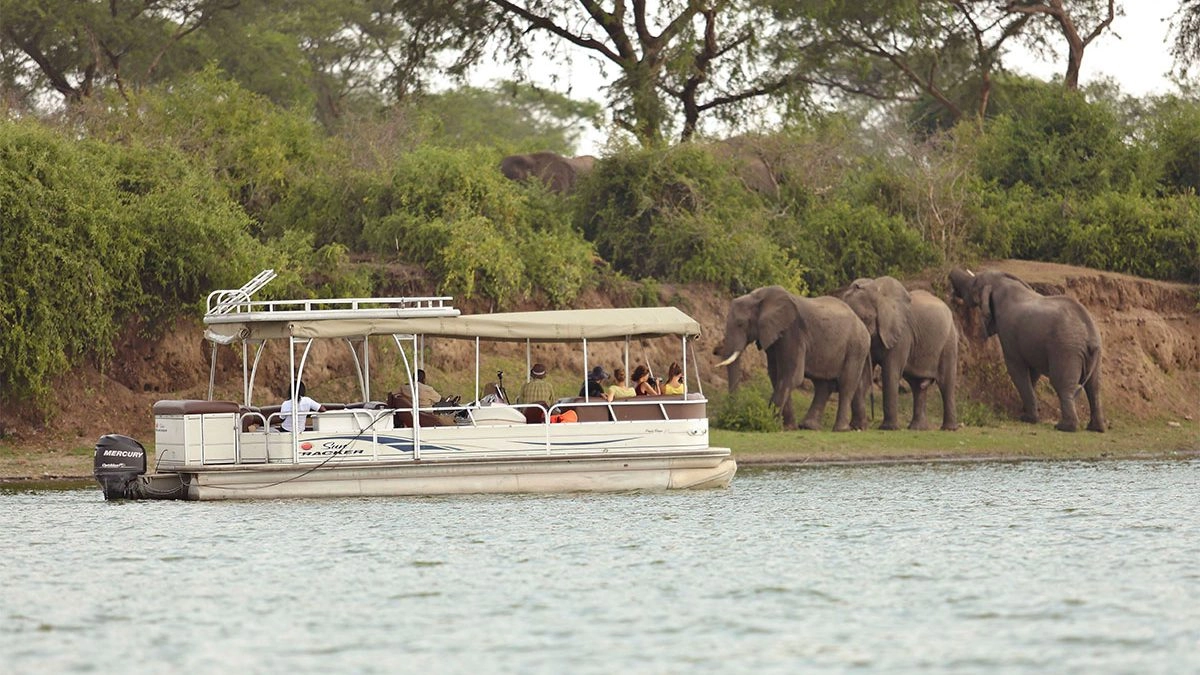
These transitional months create ideal conditions for water-based wildlife viewing. The balance between rainfall and dry conditions ensures that lakes and wetlands remain full while also attracting large numbers of animals to the water’s edge.
During boat safaris, hippos are one of the most frequently observed species. Large pods gather in groups within Lake Ihema, surfacing regularly to breathe, interact, and establish social hierarchy. Their constant presence makes them a central attraction during the Best Time to Visit Akagera for aquatic wildlife experiences.
Crocodiles are also commonly seen during boat safaris, especially along sandy banks and shallow water zones. These ancient reptiles often remain still for long periods before suddenly reacting to movement in the water, adding a dramatic and prehistoric element to the safari experience.
Elephants are frequently observed near lake shores during boat safaris, especially during early morning or late afternoon hours. Watching elephants drink, bathe, and interact at the water’s edge from a boat provides one of the most intimate wildlife encounters available in Rwanda. This makes boat safaris a highlight of the Best Time to Visit Akagera National Park experience.
Birdlife remains consistently rich throughout the year, but the wet season significantly enhances diversity. Migratory birds arrive in large numbers, joining resident species such as African fish eagles, kingfishers, herons, storks, and cormorants. Wetlands become highly active ecosystems, making boat safaris especially rewarding for birdwatchers during the Best Time to Visit Akagera.
The combination of hippos, crocodiles, elephants, and abundant birdlife makes Lake Ihema one of the most dynamic safari environments in East Africa. Whether during dry or transitional seasons, boat safaris provide a peaceful yet wildlife-rich complement to game drives.
Ultimately, combining game drives with boat safaris ensures that visitors experience the full ecological diversity of Akagera National Park, making timing a key factor in planning the perfect safari adventure.
Wildlife Activity and Seasonal Behavior in Akagera
The Best Time to Visit Akagera National Park is strongly influenced by natural wildlife behavior patterns that change with rainfall, vegetation growth, and water availability across Akagera National Park. Understanding these seasonal movements is essential for planning a highly rewarding safari experience with optimal wildlife sightings and memorable encounters.
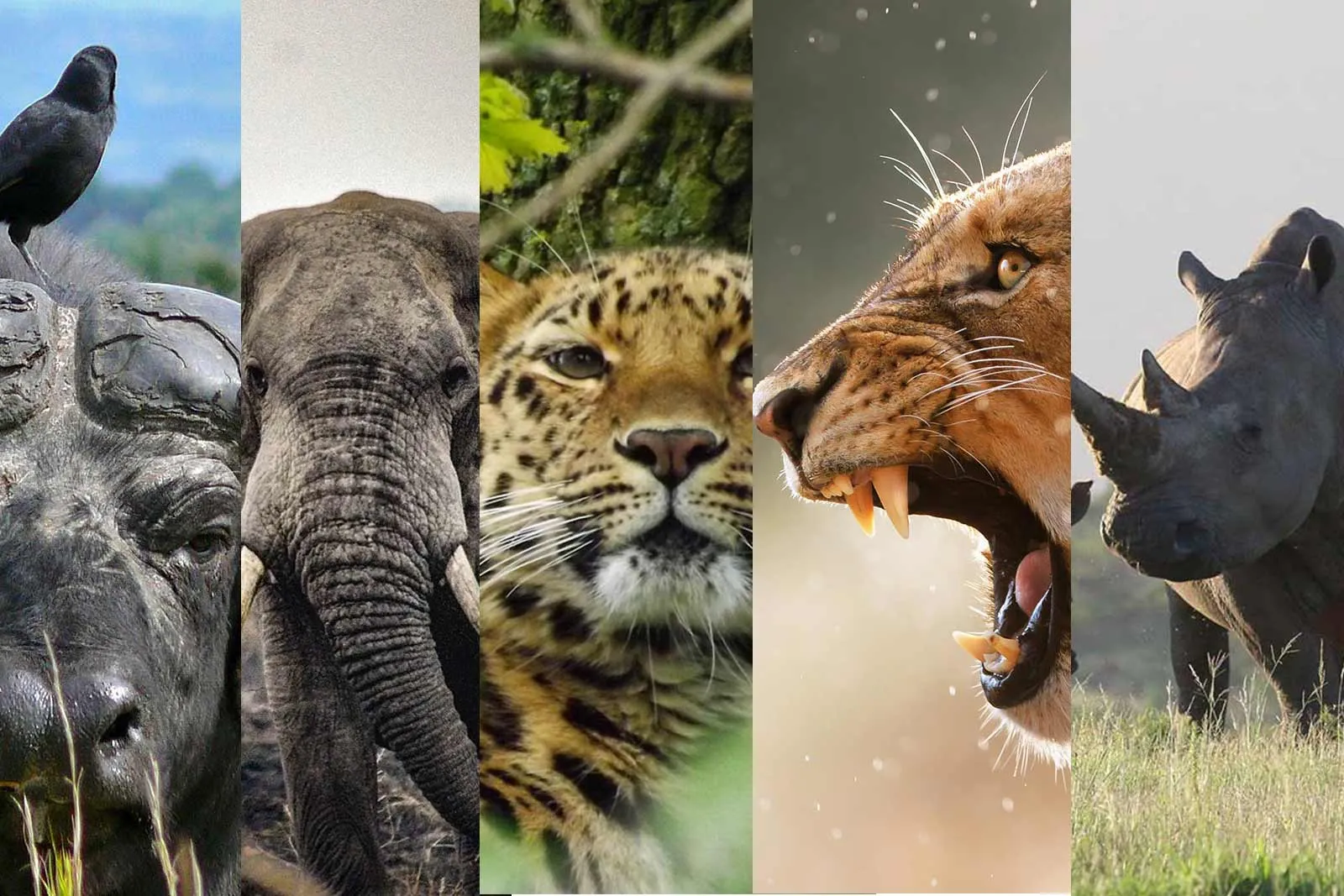
During the dry season, wildlife activity becomes highly concentrated around permanent water sources such as lakes, rivers, and wetlands. This natural clustering of animals significantly increases visibility and makes game drives more productive. As water becomes limited in the surrounding landscape, herbivores and predators are drawn into shared areas, creating dynamic and predictable wildlife viewing opportunities.
Predators such as lions are most active during early morning and late evening hours when temperatures are cooler. These times are ideal for hunting, territorial patrols, and social interactions within prides. As a result, visitors traveling during the Best Time to Visit Akagera National Park often experience dramatic predator-prey encounters across open savannah plains.
Herbivores such as zebras, giraffes, buffaloes, and antelopes are also highly active during the cooler parts of the day. They move freely across grasslands in search of food and water, often forming large herds that are easily visible during game drives. This predictable movement pattern makes the dry season particularly rewarding for photographers and safari enthusiasts.
During the wetter months, wildlife behavior shifts significantly. With water widely available across the ecosystem, animals disperse more evenly throughout the park. This creates a more exploratory and adventurous safari experience, where sightings are less concentrated but more naturally distributed across different habitats.
Vegetation growth during the wet season also affects visibility, as thicker grass and foliage can make wildlife harder to spot. However, this same environment supports new life, increased grazing opportunities, and more natural animal behaviors, offering a completely different perspective of the ecosystem within Akagera National Park.
This seasonal variation ensures that every visit to Akagera delivers a unique safari experience. Whether you choose the dry or wet season, the Best Time to Visit Akagera ultimately depends on whether you prefer concentrated wildlife sightings or immersive green-season exploration.
Book Your Akagera Safari at the Best Time to Visit Akagera
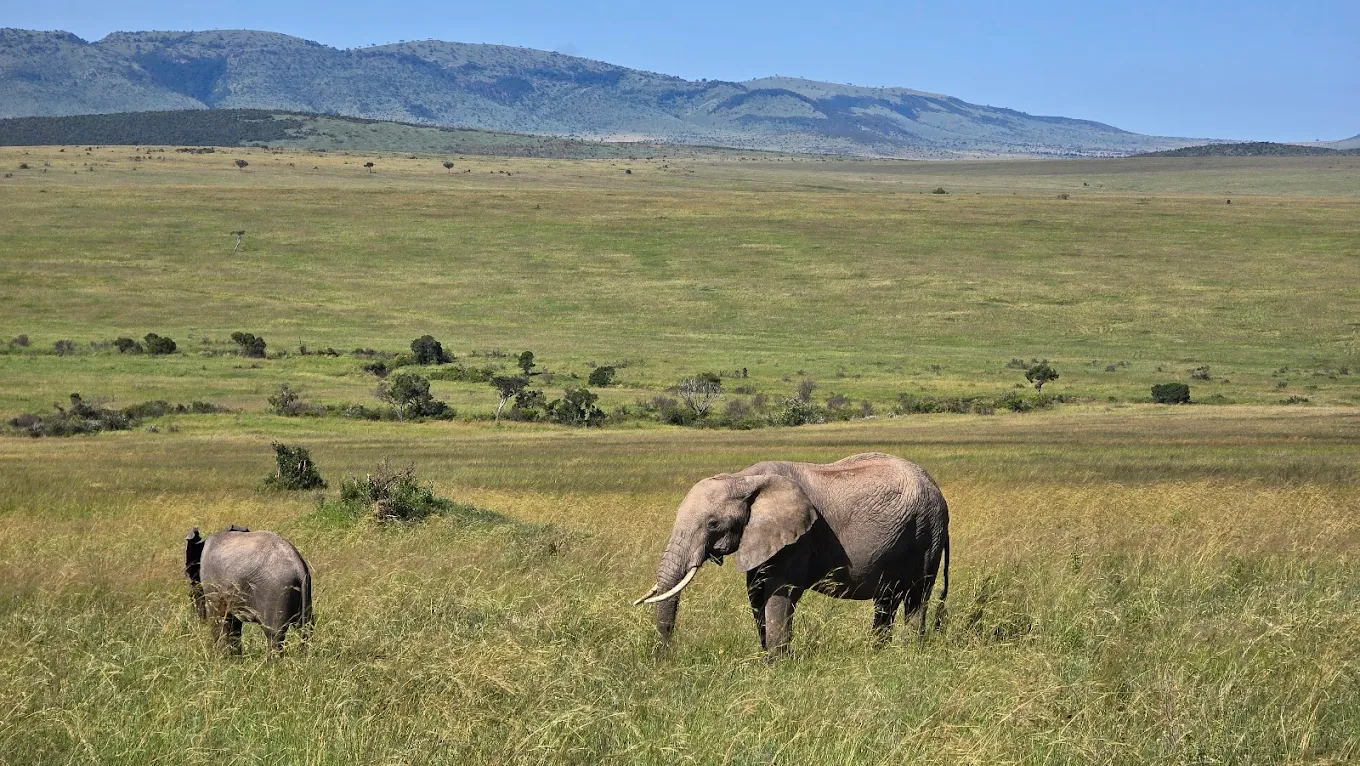
Planning your safari around the Best Time to Visit Akagera National Park is the key to experiencing one of Rwanda’s most rewarding wildlife adventures. Every season in Akagera National Park offers something unique—from intense Big Five game drives in the dry season to lush green landscapes and rich birdlife during the wet season.
A well-timed safari ensures maximum wildlife encounters, better photography conditions, and a more comfortable overall experience. Whether you are exploring the savannah plains, tracking predators, or enjoying a peaceful boat safari on Lake Ihema, choosing the right season significantly enhances every moment of your journey.
From thrilling Big Five encounters to serene wetland cruises and breathtaking landscapes, Akagera National Park delivers a complete and diverse safari experience throughout the year. However, aligning your travel dates with the Best Time to Visit Akagera National Park ensures you experience the park at its absolute best.
For expertly designed itineraries, professional guiding services, and personalized safari planning, early booking is highly recommended. Securing your safari in advance guarantees access to the best lodges, optimal wildlife viewing periods, and well-coordinated travel arrangements tailored to your preferences.
A journey to Akagera is more than a safari—it is a carefully timed encounter with one of Africa’s most beautiful and rapidly restored ecosystems, where every season reveals a new layer of wildlife and natural wonder.