
Akagera Conservation Success Story – Rwanda’s Remarkable Wildlife Recovery
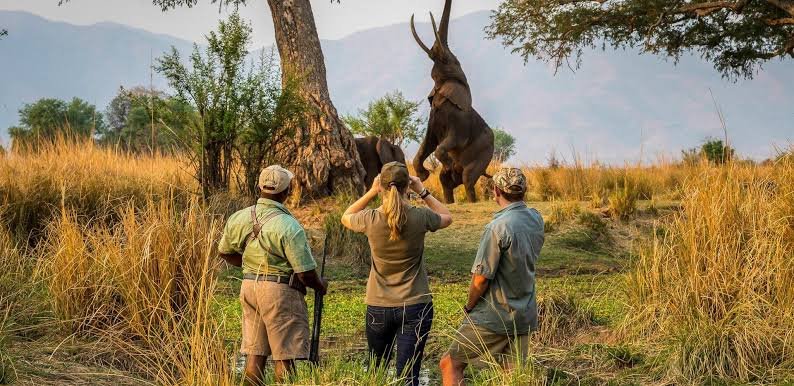
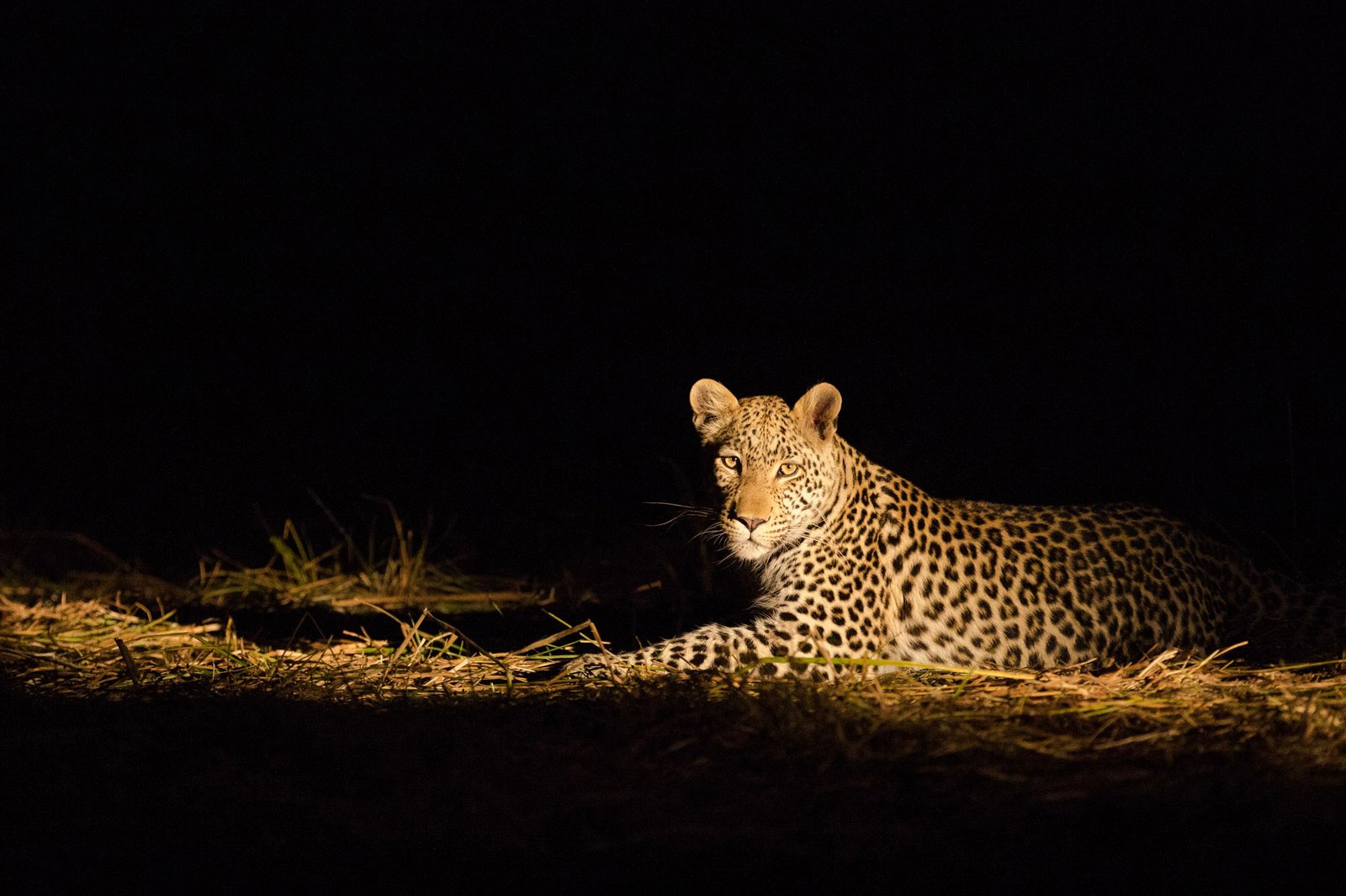
The Akagera Conservation success story stands as one of Africa’s most extraordinary wildlife restoration achievements. Over the past two decades, a once severely degraded and fragmented ecosystem has been transformed into a thriving Big Five safari destination. Located in eastern Rwanda within the iconic Akagera National Park, this protected area has become a globally recognized model of ecological recovery, sustainable tourism, and effective wildlife management.
Today, Akagera Conservation represents far more than simple park management—it embodies resilience, strategic vision, and the tangible power of long-term environmental commitment. Through decades of coordinated action, degraded habitats have been rehabilitated, wildlife populations have rebounded, and ecological balance has been restored across savannah, woodland, and wetland ecosystems.
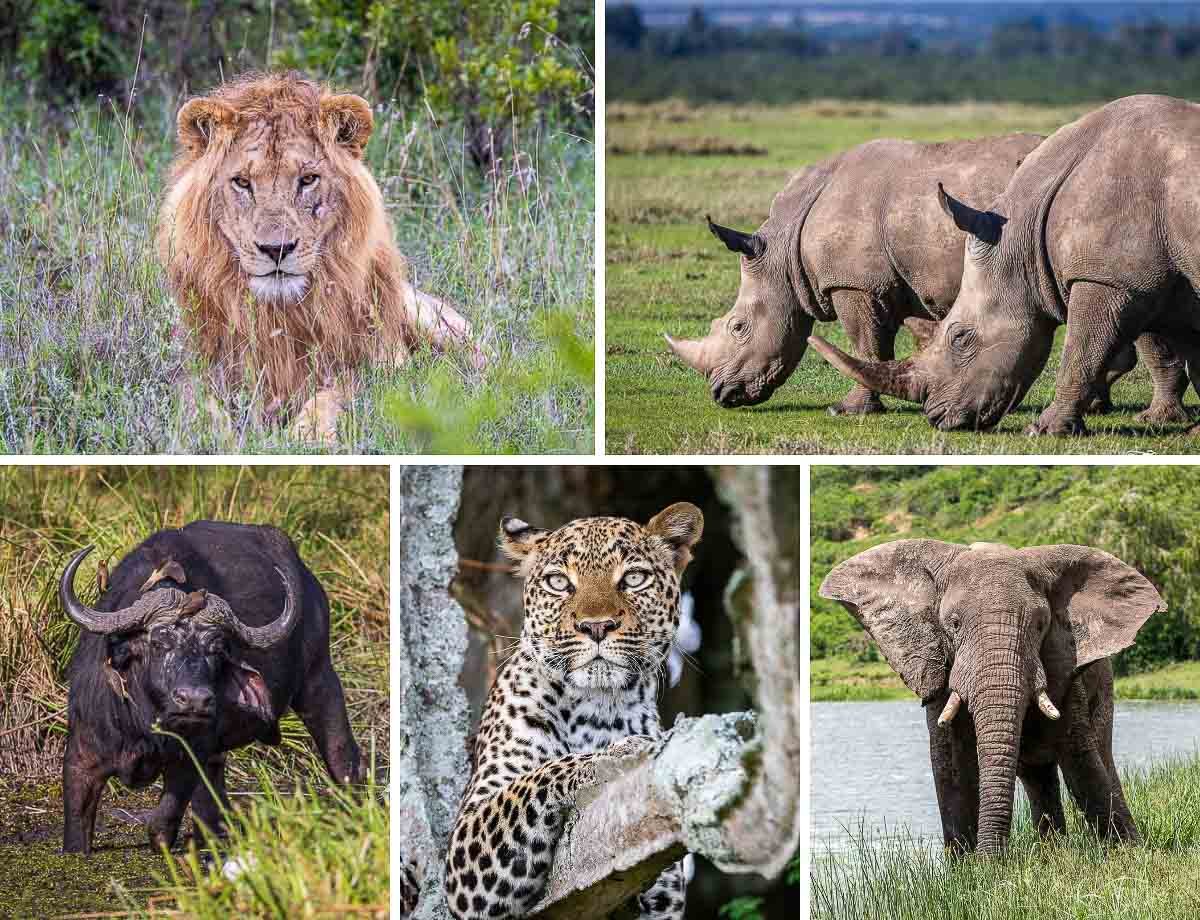
What makes the Akagera Conservation journey particularly inspiring is its narrative of transformation. This is not a story of untouched wilderness; it is a story of deliberate recovery. Once under extreme ecological pressure, Akagera has been carefully rebuilt into one of East Africa’s most biodiverse and productive wildlife habitats. Today, it supports elephants, lions, rhinos, buffaloes, giraffes, zebras, and hundreds of bird species thriving together in a balanced ecosystem.
Every safari experience in Akagera National Park is a direct reflection of this restoration. Visitors do not simply observe wildlife—they witness the tangible results of one of Africa’s most successful conservation recoveries in real time. Each herd of elephants crossing the plains, every pride of lions resting on rocky outcrops, and even the abundant birdlife in the wetlands is a living testament to the effectiveness of Akagera Conservation.
The History Behind Akagera Conservation
The origins of Akagera Conservation are rooted in a period of severe ecological decline. For decades, the park suffered from intensive poaching, uncontrolled agricultural encroachment, and loss of natural habitat. Wildlife populations dwindled drastically, with many species disappearing entirely from the region. This left a once-thriving savannah ecosystem in a state of critical imbalance, where both predators and herbivores struggled to survive.
During this challenging period, the ecological integrity of Akagera National Park was deeply compromised. The delicate interaction between species, vegetation, and water systems had been disrupted, threatening the long-term survival of the park’s iconic wildlife. It became clear that without urgent and sustained intervention, the ecological collapse could become irreversible.
The turning point in the Akagera Conservation journey came with the establishment of strong, long-term partnerships between the Rwanda Development Board (RDB) and international conservation organizations. These collaborations introduced a bold vision for ecological recovery that combined scientific management, anti-poaching enforcement, and community engagement. The focus shifted from mere protection to active restoration of wildlife populations, habitats, and ecosystem functionality.
A structured conservation framework was implemented that included:
- Anti-poaching operations: Specialized ranger units were deployed across the park to prevent illegal hunting, monitor wildlife movement, and enforce park regulations.
- Habitat restoration programs: Grasslands, woodlands, and wetlands were rehabilitated to restore ecological balance and provide food and shelter for native species.
- Wildlife monitoring systems: Scientific tracking, population censuses, and ecological studies helped guide conservation decisions and ensured species reintroduction programs succeeded.
- Strategic ecological management: Careful planning ensured predator-prey dynamics, water resources, and vegetation cycles were balanced for sustainable ecosystem health.
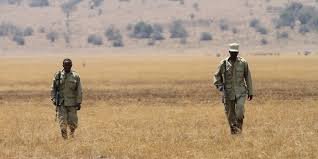
One of the most critical shifts during this period was the professionalization of park management. Highly trained ranger teams were deployed to patrol both land and water zones, operating 24/7 to prevent poaching and protect wildlife. These rangers were supported by technology, including GPS tracking, wildlife monitoring systems, and rapid response mechanisms to handle emergencies or illegal activity.
This professional enforcement infrastructure became the backbone of modern Akagera Conservation success. Within a few years, wildlife populations stabilized, poaching incidents dropped significantly, and the park began to regain its former ecological vibrancy. Species that had vanished for decades, such as lions and rhinos, were reintroduced successfully, while elephants, giraffes, and buffaloes recovered in numbers sufficient to sustain healthy populations.
The combined focus on habitat restoration, anti-poaching, and professional management not only revived the wildlife but also allowed the park to reestablish itself as a premier safari destination. Today, Akagera Conservation is celebrated as one of Africa’s most remarkable examples of what strategic, science-based conservation, supported by strong governance and community involvement, can achieve.
Wildlife Restoration Through Akagera Conservation
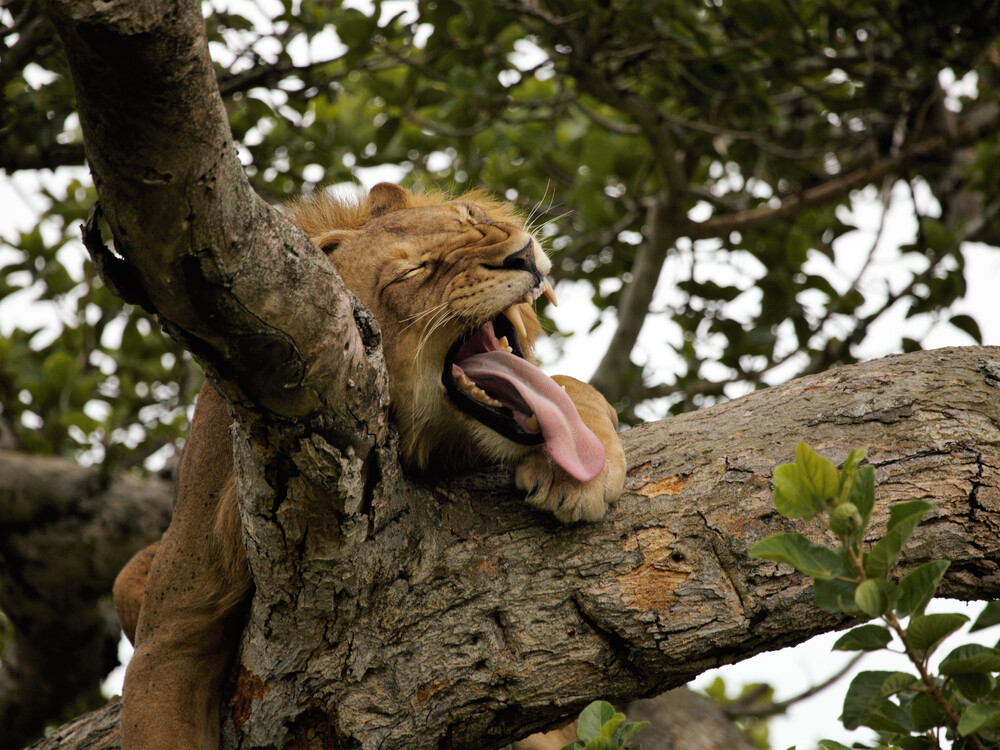
One of the most remarkable achievements of Akagera Conservation is the successful reintroduction and stabilization of the Big Five within Akagera National Park. Decades ago, several key species had been lost due to poaching and habitat degradation. Lions, for example, were locally extinct, leaving a significant ecological gap in predator-prey dynamics. Through careful planning and sustained conservation efforts, lions were reintroduced, marking a historic milestone in the park’s ecological recovery.
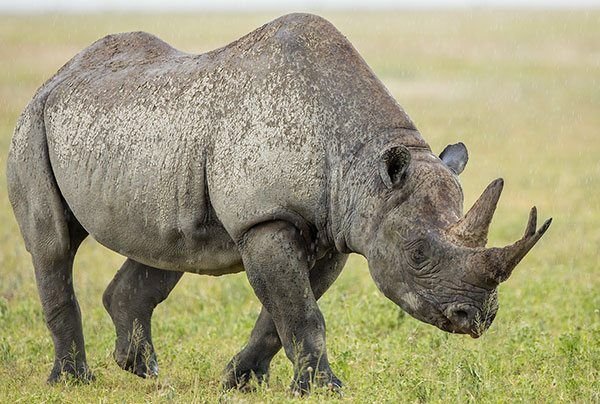
Rhinos, once absent from Akagera, have also been successfully brought back through highly managed reintroduction programs. These initiatives involved selecting suitable habitats, ensuring genetic diversity, and implementing strict protection measures. The reintroduction of rhinos not only restores an iconic species but also strengthens ecosystem balance, as they play a crucial role in shaping vegetation and supporting other wildlife.
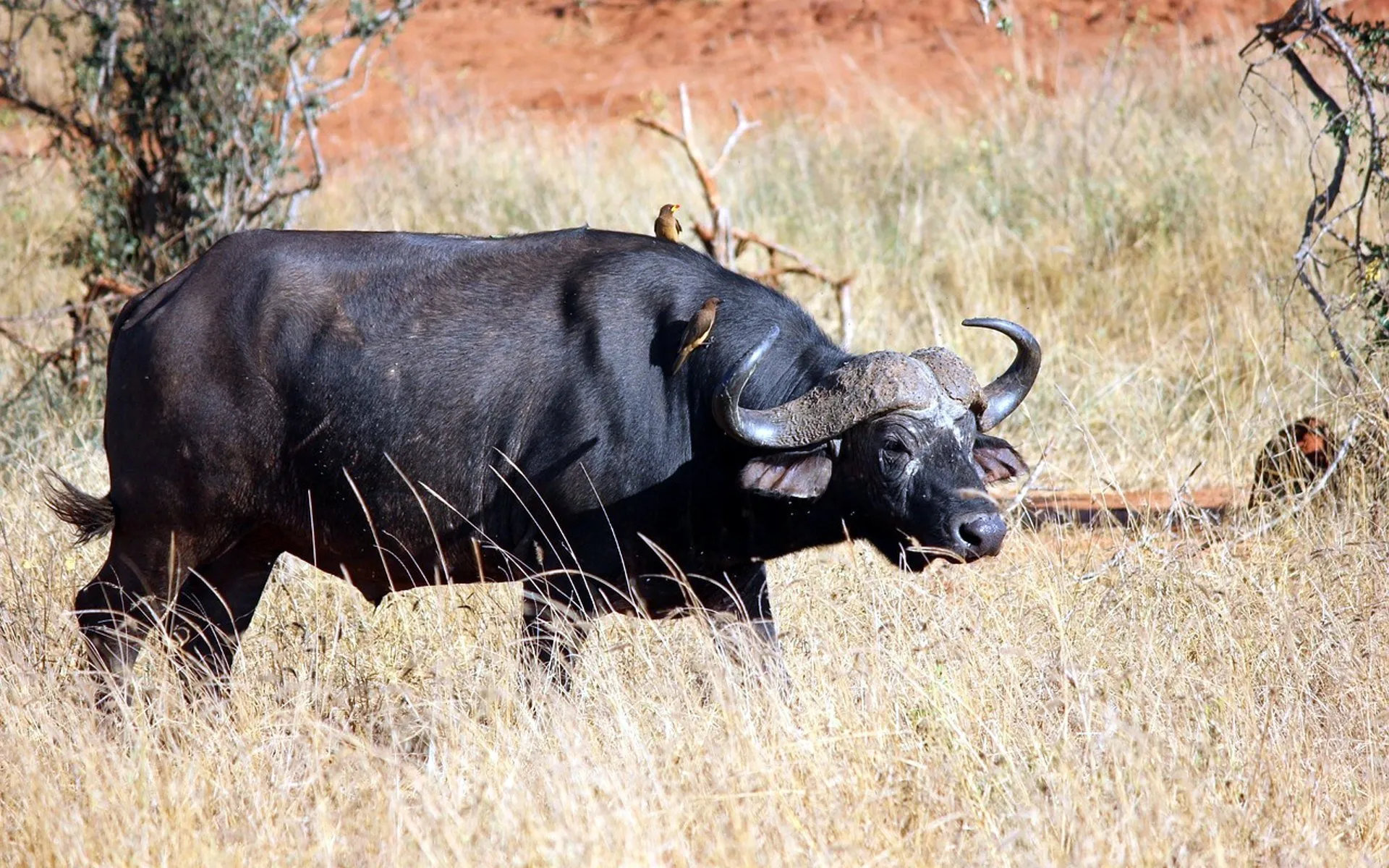
Elephants, buffaloes, and giraffes have likewise seen significant population rebounds thanks to habitat rehabilitation and enhanced protection measures under Akagera Conservation. Elephant herds now roam freely across restored savannahs and wetlands, creating dramatic wildlife spectacles for visitors. Giraffes have re-established themselves along plains and woodlands, while buffaloes form large, stable herds, supporting natural grazing patterns that maintain the health of grasslands.
In addition to the Big Five, Akagera Conservation has focused on reinforcing populations of antelope species, zebras, hippos, and crocodiles. These species are essential to the ecological functioning of the park: antelopes and zebras regulate vegetation growth, hippos maintain wetland environments, and crocodiles help control fish populations. Together, these restored populations ensure that the ecosystem functions naturally and sustainably, allowing Akagera to thrive as one of East Africa’s most biologically diverse protected areas.
Today, thanks to Akagera Conservation, visitors can experience full Big Five safaris in a park that was once depleted of these species. This transformation has turned Akagera into a world-class safari destination, demonstrating the power of strategic restoration and careful wildlife management.
Anti-Poaching and Protection Efforts
A cornerstone of Akagera Conservation is its highly effective anti-poaching and protection framework, which has been critical to the park’s recovery. Poaching was historically one of the greatest threats to wildlife in Akagera, contributing to dramatic declines in elephants, rhinos, lions, and other species. To counter this, Akagera Conservation established a professional and fully integrated anti-poaching strategy that now serves as a benchmark for African protected areas.
The park is guarded by highly trained ranger teams who patrol land, wetlands, and lakes to deter illegal hunting and monitor wildlife populations. Rangers are equipped with advanced tracking and communication systems, enabling rapid responses to incidents. These patrols operate 24/7, providing both visible and covert protection that has significantly reduced poaching threats across the park.
Modern surveillance technologies have further strengthened these efforts. Motion sensors, GPS tracking, camera traps, and drone monitoring help detect and prevent illegal activity in real time. These tools, combined with well-coordinated community intelligence networks, allow rangers to anticipate threats and respond efficiently, ensuring that wildlife populations remain secure.
Rapid response units are another critical component of Akagera Conservation. They allow park management to act immediately in case of poaching or habitat disturbance, minimizing the risk to vulnerable species such as rhinos and elephants. Through consistent enforcement and proactive management, the park has become one of the safest and most stable wildlife reserves in East Africa.
The success of these anti-poaching initiatives has not only facilitated wildlife recovery but also created an environment where species can reproduce and thrive naturally. Elephant herds roam safely, lions maintain stable pride structures, and reintroduced rhinos and leopards are able to establish themselves within the ecosystem—all direct results of the disciplined and well-funded Akagera Conservation framework.
Habitat Restoration and Ecosystem Recovery
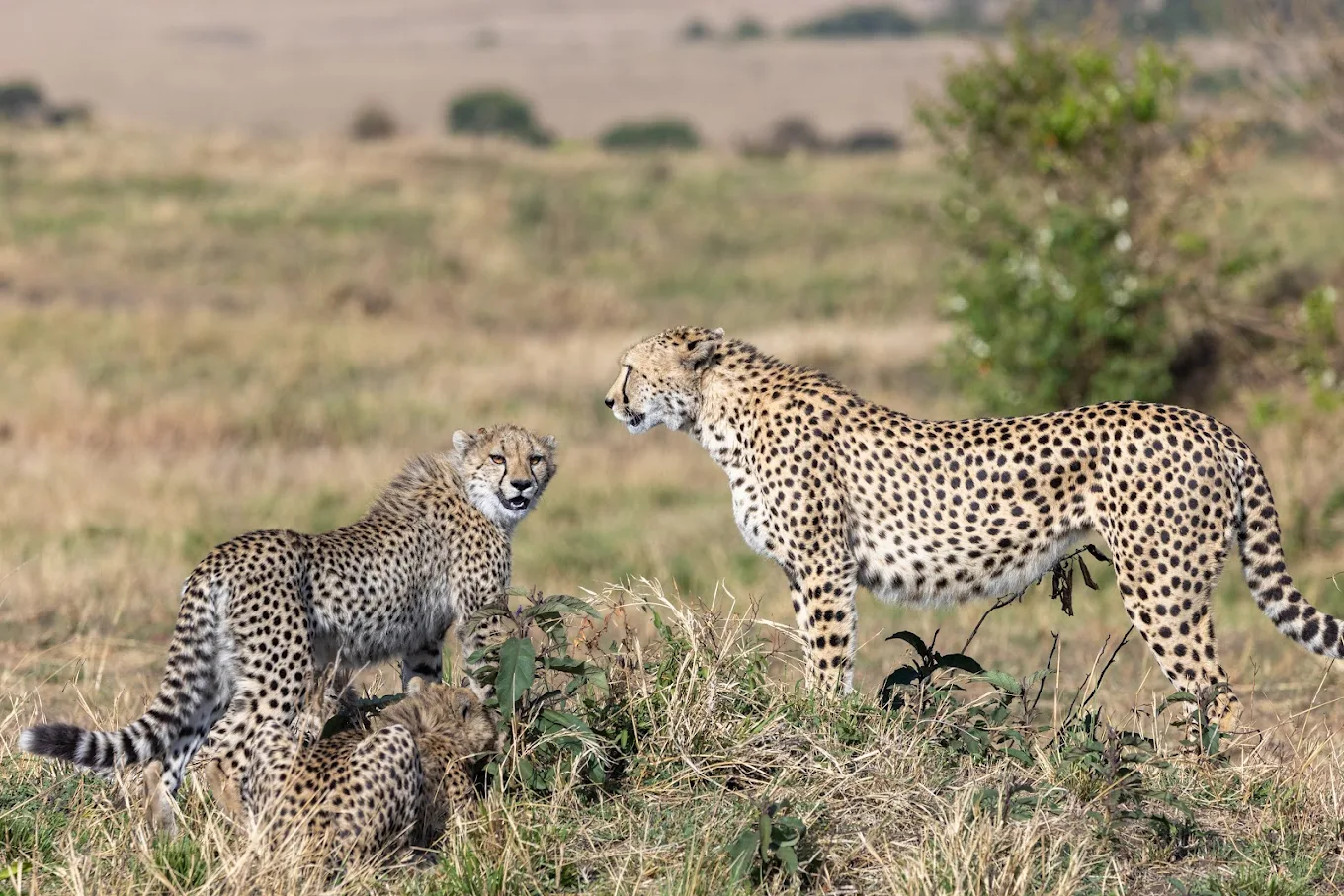
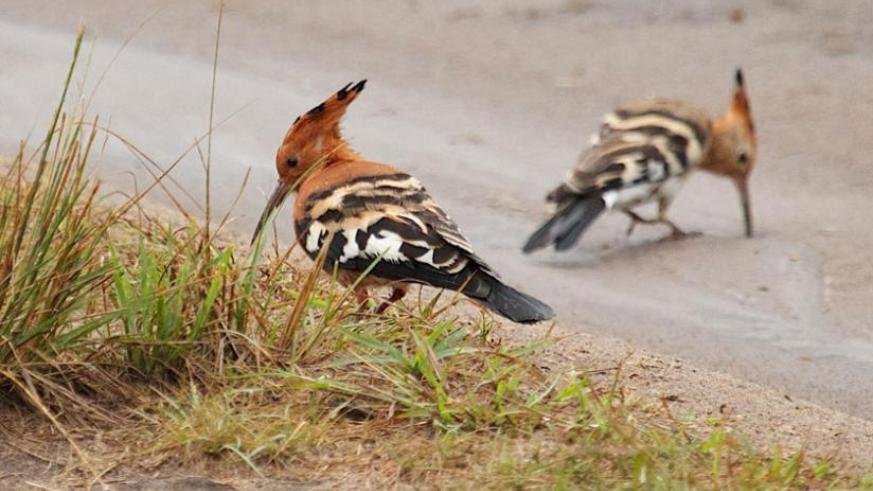
Beyond wildlife protection, Akagera Conservation has placed strong emphasis on large-scale habitat restoration and long-term ecosystem recovery within Akagera National Park. This approach recognizes that wildlife survival depends not only on protection from poaching but also on the health and balance of the natural environment itself.
Through carefully planned ecological interventions, wetlands, savannah grasslands, and woodland ecosystems have been progressively restored. These habitats form the foundation of the park’s biodiversity, providing food, shelter, and breeding grounds for a wide range of species. The success of Akagera Conservation is deeply rooted in this habitat-first strategy, ensuring that wildlife populations grow within a stable and naturally functioning environment.
Wetland restoration has been particularly important in maintaining ecological balance. Water systems within the park are carefully managed to ensure year-round availability for hippos, crocodiles, and aquatic bird species. These wetlands also act as natural filters and breeding zones, supporting fish populations and stabilizing the broader ecosystem. Without this careful management, many of these species would struggle to survive during dry periods.
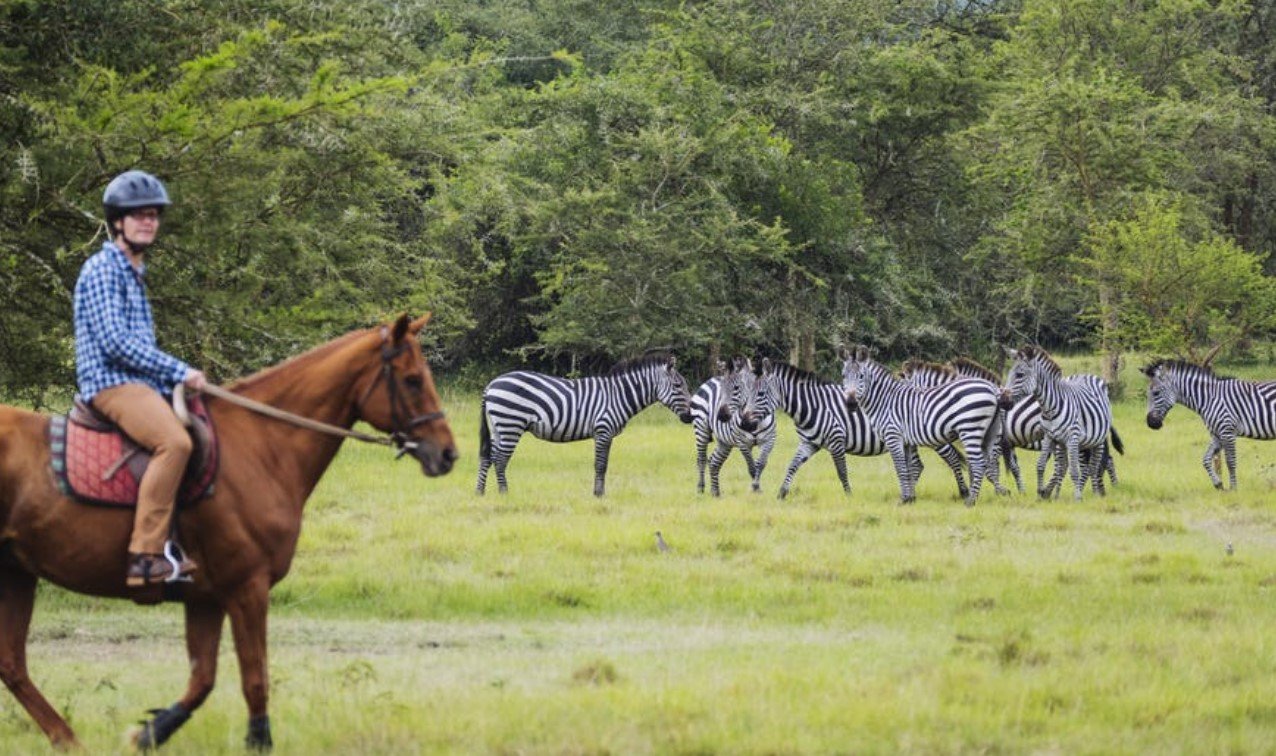
Grassland management is another key pillar of Akagera Conservation. Controlled ecological processes ensure that grazing areas remain healthy and productive for herbivores such as zebras, buffaloes, and antelopes. These grazing patterns are essential for maintaining open savannah landscapes, preventing overgrowth, and supporting predator-prey dynamics that define a balanced ecosystem.
Woodland restoration efforts have also contributed significantly to biodiversity recovery. These areas provide shelter for leopards, nesting sites for birds, and browsing areas for giraffes and other herbivores. By restoring all three major habitat types—wetlands, grasslands, and woodlands—Akagera Conservation has successfully rebuilt a fully functional and self-sustaining ecosystem.
This holistic approach to landscape recovery is one of the main reasons why Akagera Conservation is internationally recognized as a model for successful ecological restoration in Africa. The transformation of Akagera National Park demonstrates how degraded environments can be rehabilitated into thriving wildlife ecosystems through science-based management and long-term commitment.
Community Involvement in Akagera Conservation
A defining strength of Akagera Conservation is its deep integration with surrounding local communities. Rather than isolating conservation from human activity, the model actively involves communities as key stakeholders in protecting and benefiting from wildlife resources.
Local populations living near Akagera National Park are engaged in a wide range of conservation-related activities, including tourism services, park protection support, guiding, hospitality, and conservation education programs. This inclusive approach ensures that communities are not just observers of conservation but active participants in its success.
One of the most significant impacts of Akagera Conservation is the creation of employment opportunities through tourism and park operations. Many local residents are now employed as rangers, lodge staff, guides, boat operators, and support personnel. These jobs provide stable income sources that directly improve household livelihoods and reduce dependency on environmentally harmful activities.
Tourism revenue generated through safaris, park fees, and visitor services is also shared with surrounding communities. This revenue supports infrastructure development, education initiatives, healthcare access, and community-based conservation projects. As a result, local people experience tangible benefits from the protection of wildlife, strengthening their commitment to conservation efforts.
Importantly, Akagera Conservation has significantly reduced human-wildlife conflict in surrounding areas. By providing economic alternatives and involving communities in decision-making processes, the pressure on park resources has decreased. Wildlife is now viewed as an asset rather than a threat, creating a more harmonious relationship between people and nature.
Cultural tourism experiences also play a role in strengthening this connection. Visitors to Akagera often engage with local communities through cultural visits, traditional performances, and craft markets, further integrating tourism with local development. This ensures that Akagera Conservation supports both ecological and cultural sustainability.
Tourism Impact on Akagera Conservation
Tourism is one of the most powerful drivers of Akagera Conservation, playing a critical role in financing and sustaining the park’s long-term protection efforts. Revenue generated from tourism activities inside Akagera National Park is directly reinvested into wildlife conservation, ranger operations, habitat restoration, and community development projects.
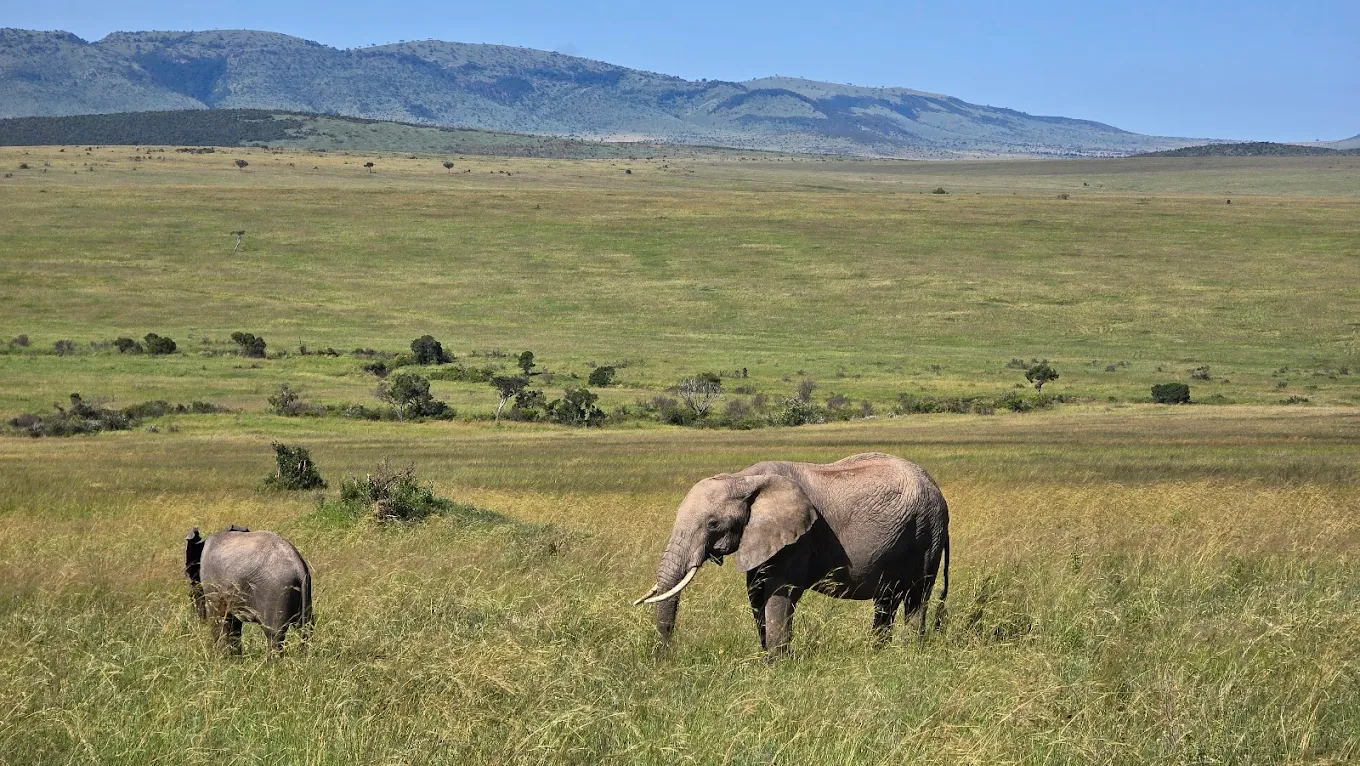
Every safari experience in Akagera contributes to conservation funding. Entrance fees, game drives, boat safaris, and guided wildlife tours all feed into a sustainable financial model that ensures the park remains self-sufficient and continuously improving. This model allows Akagera Conservation to function effectively without over-reliance on external funding alone.
The success of wildlife tourism has transformed Akagera into one of Rwanda’s premier safari destinations. Visitors now come from all over the world to experience Big Five game drives, scenic landscapes, birdwatching, photography safaris, and boat excursions on Lake Ihema. Each of these experiences is carefully designed to provide value to travelers while supporting conservation outcomes.
Boat safaris, in particular, offer a unique perspective on the park’s aquatic ecosystems, showcasing hippos, crocodiles, and waterbirds in their natural habitats. These experiences not only enhance visitor satisfaction but also generate additional revenue streams that strengthen Akagera Conservation initiatives.
Photography safaris have also become increasingly popular, attracting wildlife photographers and filmmakers who contribute to global awareness of Rwanda’s conservation success. Their work helps position Akagera National Park as a world-class wildlife destination, further increasing tourism interest and conservation funding.
This sustainable tourism model ensures that Akagera Conservation continues to grow in strength while maintaining ecological balance. By linking wildlife protection directly to economic benefit, the system creates a self-reinforcing cycle where conservation success leads to increased tourism, and tourism success further strengthens conservation.
Ultimately, tourism is not separate from conservation in Akagera—it is a core part of it. Through this integrated approach, Akagera Conservation secures both the future of wildlife and the prosperity of surrounding communities, making it one of the most successful conservation models in Africa today.
Great idea—this will make the page more conversion-focused and complete for SEO. Here’s a strong, high-ranking “Book With Us” section you can add at the end:
Book Your Akagera Conservation Safari Experience
Planning your journey into the heart of Akagera Conservation is the first step toward experiencing one of Africa’s most inspiring wildlife recovery stories inside Akagera National Park. Whether you are a wildlife enthusiast, photographer, honeymoon traveler, or first-time visitor to Rwanda, this is your opportunity to witness conservation success in action while enjoying a world-class safari experience.
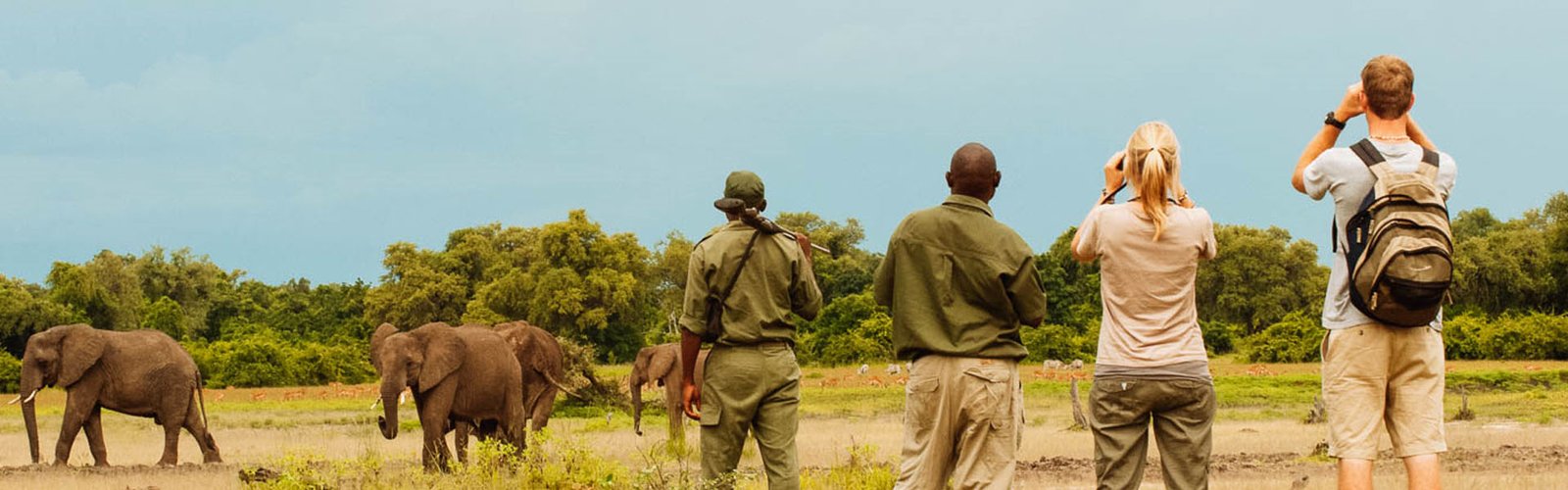
When you book with us, your Akagera Conservation safari is carefully designed to combine comfort, expert guiding, and immersive wildlife experiences. Every itinerary is structured around the best game viewing times, seasonal wildlife movement, and photographic opportunities, ensuring you get the most out of your visit to this extraordinary ecosystem.
From early morning game drives across golden savannah plains to sunset views over lakes filled with hippos and birdlife, every moment is crafted to showcase the true beauty of Akagera. Our expert guides understand the park in depth and use their knowledge of wildlife behavior, terrain, and light conditions to maximize your safari experience.
Booking your Akagera Conservation safari also means directly supporting ongoing conservation efforts. A portion of park fees and tourism revenue is reinvested into wildlife protection, habitat restoration, ranger operations, and community development programs. This ensures that your journey contributes meaningfully to the long-term preservation of Rwanda’s natural heritage.
We offer flexible safari options tailored to your travel style, including short day trips, full wildlife safari packages, photography-focused safaris, and combined Rwanda itineraries that include gorilla trekking in Volcanoes National Park. Each option is designed to give you a seamless and unforgettable Akagera Conservation experience.
If you are ready to explore one of Africa’s greatest conservation success stories, now is the perfect time to plan your adventure. Let us help you design a personalized safari that brings you closer to wildlife, nature, and the incredible transformation of Akagera.
Book your Akagera Conservation safari today and become part of Rwanda’s conservation success story.